This guide is intended to provide general information and strategies. Individual financial situations vary, and it’s always recommended to consult with a financial advisor or credit counselor for personalized advice.
Navigating Native American Car Loans: A Comprehensive Guide for Bad Credit, No Down Payment
Securing a car loan can be a challenging endeavor for anyone, but it becomes particularly complex when dealing with bad credit and the inability to make a down payment. For individuals within Native American communities, additional unique factors, including tribal sovereignty, access to traditional banking services, and the presence of specialized financial institutions, come into play. This comprehensive guide aims to provide a professional, step-by-step tutorial on how Native Americans with bad credit and no down payment can navigate the auto loan landscape, offering realistic strategies and crucial considerations.
Introduction: The Unique Landscape for Native American Borrowers
Access to capital and mainstream financial services has historically been a significant barrier for many Native American individuals and communities. This can often lead to lower credit scores, less established credit histories, and fewer traditional banking options, making common financial transactions like car loans more difficult. When compounded with the challenge of bad credit and no down payment, the task seems daunting.
However, understanding the specific resources available within Native American financial ecosystems, combined with diligent preparation and realistic expectations, can open doors. This guide will walk you through assessing your situation, identifying specialized lenders, preparing necessary documentation, and understanding the critical factors that will influence your success.
Understanding the "Bad Credit, No Down Payment" Hurdle
Before diving into solutions, it’s crucial to understand why bad credit and no down payment pose such significant obstacles for lenders:
- Bad Credit (Low Credit Score): A low credit score signals to lenders that you have a history of not managing credit responsibly, potentially indicating a higher risk of default on new loans. This often results in higher interest rates, stricter terms, or outright denial from traditional lenders.
- No Down Payment: A down payment reduces the amount you need to borrow, thereby lowering the lender’s risk. Without a down payment, the loan-to-value (LTV) ratio is 100% or more (if rolling in fees), meaning the lender is taking on full risk for the entire vehicle value from day one. In case of default, the lender might struggle to recoup their investment, especially if the car depreciates quickly.
Combined, these two factors make you a high-risk borrower in the eyes of most financial institutions. The strategies outlined below focus on mitigating this perceived risk and leveraging alternative lending pathways.
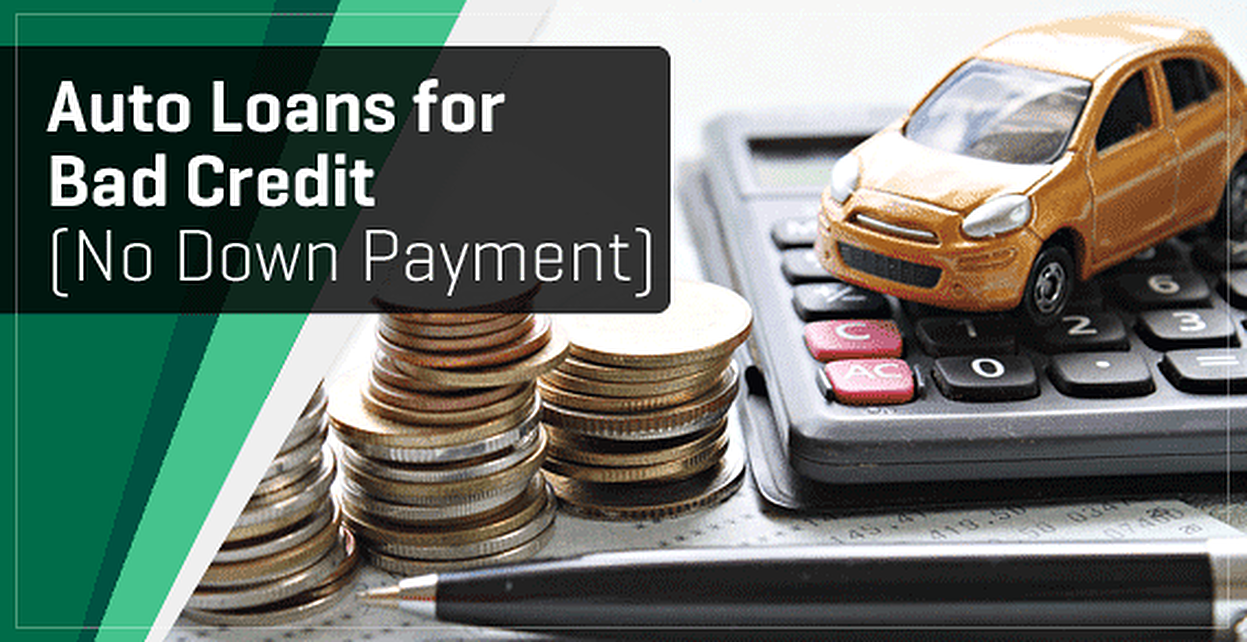
Step-by-Step Guide to Securing Your Car Loan
Step 1: Assess Your Current Financial Situation & Credit Health
Your first step is a thorough and honest assessment of your financial standing.
- Obtain Your Credit Reports: You are entitled to a free copy of your credit report from each of the three major bureaus (Equifax, Experian, Transunion) once every 12 months via AnnualCreditReport.com. Review them meticulously for:
- Errors: Dispute any inaccuracies immediately, as they can negatively impact your score.
- Derogatory Marks: Understand why your credit is bad (e.g., missed payments, collections, bankruptcies).
- Credit Utilization: How much of your available credit are you using? High utilization hurts scores.
- Understand Your Credit Score: While reports show the data, services often provide a score (e.g., FICO, VantageScore). Knowing your score gives you a benchmark.
- Create a Realistic Budget: Determine exactly how much you can afford for a monthly car payment, insurance, fuel, and maintenance without jeopardizing other essential expenses. Overextending yourself will only worsen your financial situation.
Step 2: Explore Native American-Specific Resources & Lenders
This is where the unique aspect of Native American identity becomes a potential advantage. Traditional banks may not understand the nuances of tribal economies or individual situations, but Native-focused institutions do.
- Native Community Development Financial Institutions (CDFIs): These are non-profit organizations dedicated to providing financial services and promoting economic development in underserved communities, including Native American reservations and urban areas.
- Why they are crucial: Native CDFIs are mission-driven, meaning their primary goal isn’t just profit. They understand the specific challenges faced by Native borrowers, often offer more flexible lending criteria, and may provide financial literacy and credit counseling as part of their services.
- How to find them: The Opportunity Finance Network (OFN) and the Native American Financial Services Association (NAFSA) are good starting points. Organizations like the Oweesta Corporation specifically focus on building the Native CDFI industry. Research CDFIs operating in or near your tribal community or state.
- Tribal Loan Programs: Some tribal governments or tribal enterprises offer internal loan programs to their members, sometimes with more lenient terms or specific subsidies. Inquire directly with your tribal council or economic development office.
- Credit Unions (especially those serving tribal communities): Credit unions are member-owned financial cooperatives that often have more flexible lending criteria than large commercial banks, especially for members within their specific "field of membership." Look for credit unions that explicitly serve Native American communities or are located near reservations.
- Online Tribal Lenders (Use Extreme Caution!): There are online lenders operating under tribal sovereignty. While some may offer loans to individuals with bad credit, they often come with extremely high Annual Percentage Rates (APRs) and predatory terms. Thoroughly vet any online tribal lender. Look for transparency, reasonable rates (even if higher than prime), and positive reviews. Prioritize Native CDFIs and local credit unions first.
Step 3: Prepare Your Documentation Thoroughly
When your credit is weak, strong documentation is your best asset. It helps lenders assess your current ability to repay despite past issues.
- Proof of Identity: Tribal enrollment card, state ID, driver’s license.
- Proof of Income: Recent pay stubs (last 3-6 months), tax returns (last 2 years if self-employed), benefit statements (social security, disability, tribal per capita payments if applicable and allowed for loan qualification).
- Proof of Residency: Utility bills, lease agreement, tribal housing documentation.
- Bank Statements: Last 3-6 months to show consistent income and responsible account management.
- Vehicle Information (Once Identified): If you’ve found a specific car, have its VIN, mileage, and seller information ready.
- Letters of Explanation: Be prepared to write brief, honest letters explaining any significant negative items on your credit report (e.g., job loss, medical emergency). Focus on what has changed to prevent future issues.
Step 4: Consider a Co-Signer (If Applicable)
A co-signer with good credit can significantly improve your chances of approval and help secure a lower interest rate.
- Benefits: Their good credit mitigates your bad credit, making you a less risky borrower.
- Risks: The co-signer is equally responsible for the loan. If you miss payments, their credit will be damaged, and they will be legally obligated to pay. Only ask someone you trust implicitly and who understands the full implications.
Step 5: Be Realistic About Vehicle Choice
With bad credit and no down payment, you likely won’t qualify for a brand-new luxury vehicle.
- Focus on Reliability: Your priority should be a reliable, affordable used car that meets your transportation needs. Look for models known for their longevity and low maintenance costs.
- Avoid Excessive Costs: A cheaper car means a smaller loan amount, which is easier to get approved for and has lower monthly payments. High interest rates on an expensive car can quickly make it unaffordable.
- Research Vehicle Value: Use resources like Kelley Blue Book (KBB) or NADA Guides to ensure you’re paying a fair price for the car. Lenders will also use these to assess the vehicle’s collateral value.
Step 6: Shop Around and Compare Offers
Do not take the first offer you receive. Apply to several lenders, especially Native CDFIs and local credit unions, to compare terms.
- Pre-qualification vs. Application: Seek pre-qualification first, as it often involves a "soft" credit pull that doesn’t impact your score. Once you have a few pre-qualification offers, choose the best one for a full application.
- Compare APRs: The Annual Percentage Rate (APR) is the most critical number, as it reflects the total cost of borrowing, including interest and fees. Even a small difference can save you thousands over the life of the loan.
- Understand Loan Terms: A longer loan term means lower monthly payments but significantly more interest paid over time. A shorter term means higher payments but less total interest. Choose a term you can comfortably afford without overextending.
Step 7: Negotiate Terms (If Possible)
Once you have an offer, don’t be afraid to negotiate. While "no down payment" is a fixed goal, you might be able to negotiate:
- Interest Rate: If you have multiple offers, leverage them against each other.
- Loan Term: See if a slightly different term makes the payment more manageable.
- Fees: Ask if any origination or processing fees can be reduced or waived.
Step 8: Understand the Loan Agreement & Make Payments On Time
Before signing, read every word of the loan agreement. Ask questions about anything you don’t understand.
- Know Your Obligations: Understand the payment schedule, interest rate, total amount due, and consequences of missed payments.
- Prioritize Payments: Making all car loan payments on time is paramount. This is your chance to rebuild your credit and demonstrate financial responsibility. Set up automatic payments or calendar reminders.
Important Considerations & Potential Pitfalls
- High Interest Rates are Likely: With bad credit and no down payment, expect a higher APR. Focus on making payments on time to enable refinancing at a lower rate in the future.
- Predatory Lenders: Be extremely wary of lenders who guarantee approval regardless of credit, demand upfront fees, pressure you to sign immediately, or offer terms that seem too good to be true. Research any lender thoroughly.
- Impact on Credit Score: Each loan application (hard inquiry) can temporarily lower your score. Group your applications within a short period (typically 14-45 days) so they count as a single inquiry for scoring purposes.
- Gap Insurance: Consider Gap Insurance, especially with no down payment. If your car is totaled or stolen, regular insurance may only pay its depreciated value, leaving you to pay the difference between that and your loan balance.
Alternatives & Strategies for Building Credit
If securing a loan proves too difficult right now, consider these alternatives and credit-building strategies:
- Save for a Down Payment: Even a small down payment (5-10%) can significantly improve your chances and reduce your interest rate.
- Credit-Builder Loans: Offered by some credit unions and CDFIs, these loans are designed to help you build credit. The loan amount is held in a savings account while you make payments.
- Secured Credit Cards: These require a deposit that acts as your credit limit, allowing you to build credit with responsible use.
- Become an Authorized User: If a trusted family member with good credit adds you as an authorized user to their credit card, their positive payment history can reflect on your report.
- Focus on Paying Down Existing Debt: Reducing your debt-to-income ratio and credit utilization will naturally improve your credit score.
- Transportation Alternatives: Explore public transportation, ride-sharing, or borrowing from family/friends temporarily while you work on improving your financial standing.
Conclusion
Securing a car loan with bad credit and no down payment as a Native American borrower is a challenging but achievable goal. It requires diligence, patience, and a strategic approach that leverages the unique resources available within Native communities. By thoroughly assessing your financial situation, exploring Native-specific lending institutions like CDFIs and credit unions, meticulously preparing your documentation, and being realistic about your vehicle choice, you can significantly increase your chances of approval. Remember, this process is also an opportunity to rebuild your financial health. By making timely payments and demonstrating responsible borrowing habits, you will not only secure essential transportation but also lay a stronger foundation for your financial future.


