Navigating Homeownership: A Comprehensive Review of Mortgages for Homes on Allotted Land
The dream of homeownership is a cornerstone of the American ideal, representing stability, wealth creation, and a place to call one’s own. However, for a significant segment of the population, particularly Native Americans and Indigenous peoples, this dream can be complicated by the unique legal and historical status of "allotted land." Unlike fee simple land, which can be bought and sold freely, allotted land is typically held in trust by the federal government for the benefit of individual tribal members or the tribe itself. This distinction profoundly impacts the availability and structure of mortgage products, creating both significant hurdles and specialized opportunities.
This comprehensive review will delve into the intricacies of mortgages for homes on allotted land, treating the available financing options as a "product" to be evaluated. We will explore the historical context, dissect the advantages and disadvantages of these unique lending mechanisms, and ultimately provide a recommendation for prospective homeowners navigating this complex landscape.
Understanding Allotted Land: The Foundation of the Challenge
To fully appreciate the mortgage options, one must first grasp the concept of allotted land. The General Allotment Act of 1887 (also known as the Dawes Act) was a pivotal, and ultimately devastating, piece of U.S. legislation. It aimed to assimilate Native Americans by breaking up tribally held communal land into individual parcels, or "allotments," often with the "surplus" land then sold to non-Native settlers. While the act officially ended in 1934, its legacy continues to shape land ownership on many reservations.
Today, allotted land is held in trust by the federal government for the benefit of individual Native Americans. This means the individual does not hold a traditional deed but rather a beneficial interest in the land. The federal government acts as a trustee, and any transactions involving the land—including sales, leases, or the placement of a mortgage—must typically be approved by the Bureau of Indian Affairs (BIA).
This trust status creates several challenges for conventional mortgage lenders:
- Lack of Fee Simple Lenders prefer to hold a lien on fee simple property, which allows for straightforward foreclosure and resale in case of default. On allotted land, the land itself cannot be foreclosed upon or sold by the lender in the traditional sense, as it remains in trust.
- Sovereignty and Jurisdiction: Tribal governments exercise sovereign authority over their lands, which can create complex jurisdictional issues regarding property law, lien enforcement, and judicial processes that differ from state or federal courts.
- Appraisal Difficulties: The unique market on reservations, often with limited comparable sales, can make accurate property appraisals challenging.
- Administrative Burden: The BIA approval process adds layers of bureaucracy and can significantly extend transaction timelines.
These factors make traditional lenders highly reluctant to offer mortgages on allotted land, necessitating specialized programs and approaches.
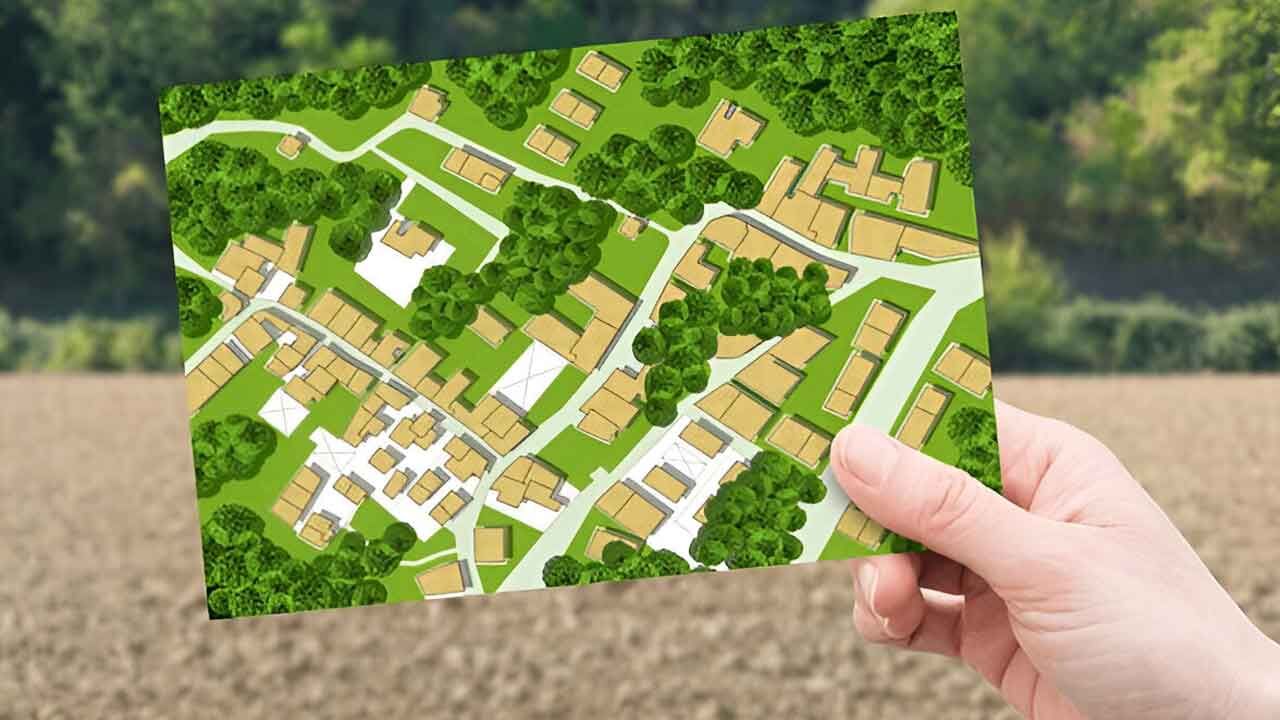
.jpg "Mortgages for homes on allotted land")
The "Product" Reviewed: Specialized Mortgage Programs
Given the complexities, the "product" in question isn’t a single, universally available mortgage, but rather a suite of specialized programs designed to bridge the gap between conventional lending and the unique legal status of allotted land. The most prominent of these include:
1. The HUD Section 184 Indian Home Loan Guarantee Program
This is arguably the most significant and widely utilized program for Native Americans seeking homeownership on tribal trust land. Administered by the U.S. Department of Housing and Urban Development (HUD), Section 184 guarantees mortgages made by private lenders to eligible Native American individuals and tribes.
Key Features:
- Federal Guarantee: HUD insures the loan, reducing risk for participating lenders.
- Low Down Payments: Often as low as 1.25% for loans over $50,000, and 2.25% for loans under $50,000.
- Flexible Underwriting: More flexible credit requirements than conventional loans, accommodating unique financial histories.
- Competitive Interest Rates: Often comparable to conventional rates, as the federal guarantee mitigates lender risk.
- Versatile Use: Can be used for new construction, purchasing existing homes, rehabilitation, or refinancing.
- Nationwide Availability: Available in all 50 states for eligible Native Americans, Alaska Natives, and tribal members.
- Leasehold Mortgage: On trust land, the loan is secured by a leasehold interest (typically a 99-year lease) in the land, not the land itself. The home built on the land is the primary collateral.
2. VA Home Loans on Allotted Land
For eligible Native American veterans, the Department of Veterans Affairs (VA) home loan program can also be an option. While VA loans typically do not directly finance homes on trust land, they can be used if the veteran has a long-term lease (often 99 years) on the land from the tribe or a tribal member. The VA’s Native American Direct Loan (NADL) program is a direct loan specifically for Native American veterans to purchase, construct, or improve homes on trust lands.
Key Features (NADL):
- No Down Payment: 100% financing for eligible veterans.
- Low Interest Rates: Set by the VA.
- Reduced Closing Costs:
- Direct Lending: VA acts as the lender, simplifying some aspects.
- Eligibility: Must be a Native American veteran or the spouse of a Native American veteran, and the land must be on trust land.
3. Tribal Housing Programs and Partnerships
Many tribal governments have established their own housing authorities or partnered with federal agencies and private organizations to facilitate homeownership. These programs can vary widely but often involve:
- Direct Loans or Grants: From tribal funds or federal block grants (e.g., Native American Housing Assistance and Self-Determination Act – NAHASDA).
- Land Leases: Tribes may offer long-term, mortgageable leases to members.
- Housing Development: Tribes may build homes and then offer them for sale or lease-to-own programs to members.
- Loan Guarantees: Some tribes may offer their own guarantees to lenders.
4. Community Development Financial Institutions (CDFIs)
CDFIs, including Native CDFIs, are specialized financial institutions that serve economically distressed communities. They often have a deeper understanding of the unique challenges on tribal lands and can offer flexible loan products, financial literacy training, and technical assistance that traditional banks may not.
Pros: The Advantages of Mortgages for Homes on Allotted Land
Despite the complexities, these specialized mortgage products offer significant advantages, particularly for Native American communities:
- Access to Homeownership: The most crucial benefit is enabling homeownership for individuals and families who would otherwise be locked out of the market due to the unique legal status of their land. This promotes stability and self-sufficiency.
- Cultural Preservation and Community Building: Homeownership on allotted land allows tribal members to live within their ancestral territories, maintaining cultural ties, strengthening community bonds, and supporting tribal sovereignty.
- Wealth Creation and Intergenerational Equity: Owning a home is a primary way to build equity and transfer wealth across generations. These mortgages provide an avenue for Native families to accumulate assets, contributing to long-term economic well-being.
- Favorable Loan Terms: Programs like Section 184 and NADL often feature lower down payments, more flexible credit requirements, and competitive interest rates compared to conventional loans. This makes homeownership more attainable for those with non-traditional credit histories or limited savings.
- Support for Economic Development: Home construction and ownership stimulate local economies, creating jobs and supporting local businesses on reservations. It also contributes to the tax base (where applicable) and enhances the overall infrastructure.
- Tailored Support and Expertise: Lenders and housing counselors specializing in these programs often have a deeper understanding of tribal laws, BIA processes, and the cultural context, providing invaluable guidance to borrowers.
- Increased Self-Determination: By facilitating homeownership, these programs support tribal members’ ability to live and thrive on their own terms within their communities, aligning with broader goals of self-determination and self-governance.
Cons: The Disadvantages and Challenges
While beneficial, obtaining a mortgage on allotted land comes with its own set of significant challenges:
- Limited Lender Availability: Despite the existence of programs like Section 184, not all lenders participate due to the perceived complexity, administrative burden, and specialized expertise required. This limits borrower choice and competition.
- Complex Application and Approval Process: Involving the BIA, tribal housing authorities, and federal guarantee programs, the process is inherently more bureaucratic and can be significantly longer than a conventional mortgage application. Multiple approvals are often required.
- Extended Closing Times: The need for BIA approval, lease negotiations, and other tribal clearances can extend closing times from weeks to several months, requiring considerable patience from borrowers.
- Appraisal Difficulties and Potential for Lower Appreciation: The unique market on tribal lands, often with fewer comparable sales, can make appraisals challenging. Property values may not appreciate at the same rate as homes in conventional markets, potentially limiting equity growth.
- Resale Market Limitations: The pool of eligible buyers for a home on allotted land is generally restricted to other tribal members or individuals approved by the tribe. This can make resale more difficult and potentially impact future property values.
- Understanding Leasehold vs. Fee Simple: Borrowers must fully understand that they are acquiring a leasehold interest in the land (often 99 years), not outright ownership (fee simple). While a 99-year lease provides long-term security, it is a different legal construct than traditional land ownership.
- Foreclosure Challenges for Lenders: While federal guarantees mitigate risk, the unique legal framework of tribal lands can still pose challenges for lenders in the event of default and foreclosure, which contributes to their reluctance to participate.
- Varying Tribal Laws and Requirements: Each tribe has its own set of laws, regulations, and processes regarding land use and housing. What works on one reservation may not apply to another, requiring significant research and adaptation from both borrowers and lenders.
- Higher Administrative Costs: The specialized nature of these loans can sometimes lead to higher administrative fees or costs associated with legal reviews and BIA processing.
Key Considerations for Prospective Buyers
For anyone considering a mortgage for a home on allotted land, several critical factors must be thoroughly addressed:
- Educate Yourself: Understand the specific program you are pursuing (e.g., Section 184, NADL), its requirements, and the unique aspects of leasehold mortgages on trust land.
- Engage with Tribal Authorities: Establish communication early with your tribal housing authority and leadership. Understand their specific land codes, leasing policies, and any tribal housing programs or requirements.
- Find Experienced Professionals: Seek out lenders, real estate agents, and housing counselors who have demonstrated expertise in working with Section 184, NADL, and tribal lands. Their experience is invaluable in navigating the process.
- Financial Preparedness: While these programs offer flexible terms, having a solid credit history, stable income, and some savings for down payment and closing costs will always strengthen your application and smooth the process.
- Patience and Persistence: Be prepared for a longer and potentially more involved process than a conventional home purchase. Flexibility and a willingness to work through bureaucratic steps are essential.
- Long-Term Vision: Consider your long-term goals. While equity builds, the resale market can be more limited, so ensure this home aligns with your long-term living and financial plans.
Recommendation: A Qualified "Buy"
Based on a comprehensive review, mortgages for homes on allotted land represent a qualified "buy" for the right individual or family.
Who is this "product" for?
This specialized financing is an excellent "buy" for eligible Native American individuals and families who are committed to living on tribal lands, desire to build equity within their community, and are prepared to navigate a more complex lending process. It is especially recommended for those who prioritize cultural connection, community ties, and long-term stability within their ancestral lands. For these individuals, the benefits of homeownership, wealth creation, and community building far outweigh the administrative hurdles.
Who might reconsider?
It may be less suitable for individuals seeking a quick, simple transaction or those whose primary motivation is rapid property appreciation in a highly liquid market. Those unfamiliar with or unwilling to engage with tribal governance structures and BIA processes may find the journey overly challenging.
Overall Recommendation:
For eligible borrowers, programs like the HUD Section 184 Indian Home Loan Guarantee Program and the VA Native American Direct Loan are indispensable tools that transform the dream of homeownership on allotted land into a tangible reality. They represent vital pathways to self-determination, economic empowerment, and the strengthening of Indigenous communities.
The key to a successful "purchase" of this mortgage "product" lies in thorough preparation, active engagement with tribal authorities, and the guidance of experienced professionals. By understanding the unique landscape of allotted land and leveraging the specialized programs available, Native Americans can secure their place, build wealth, and continue to foster vibrant, resilient communities for generations to come. This is not just a mortgage; it is an investment in heritage, community, and the future.


