Navigating Homeownership: A Comprehensive Review of Mortgage Options for Trust Land Properties
The dream of homeownership is a cornerstone of the American ethos, representing stability, security, and a legacy for future generations. However, for those aspiring to own a home on trust land, this journey introduces unique complexities that traditional mortgage products are simply not equipped to handle. Trust land, primarily comprising Native American reservations, is held in trust by the U.S. federal government for the benefit of Native American tribes and individuals. This unique ownership structure means that the land cannot be bought or sold in fee simple, profoundly impacting how lenders view and collateralize properties built upon it.
This comprehensive review delves into the specific mortgage options available for homes on trust land, exploring their mechanisms, benefits, drawbacks, and offering recommendations for prospective homeowners. Understanding these specialized pathways is crucial for unlocking the door to homeownership in these culturally rich and historically significant communities.
Understanding the Unique Landscape of Trust Land
Before examining specific mortgage products, it’s essential to grasp why trust land presents such a challenge for conventional lending. In a typical home purchase, the buyer acquires a "fee simple" title, granting them full and absolute ownership of both the land and the structures on it. This fee simple title serves as the primary collateral for a mortgage.

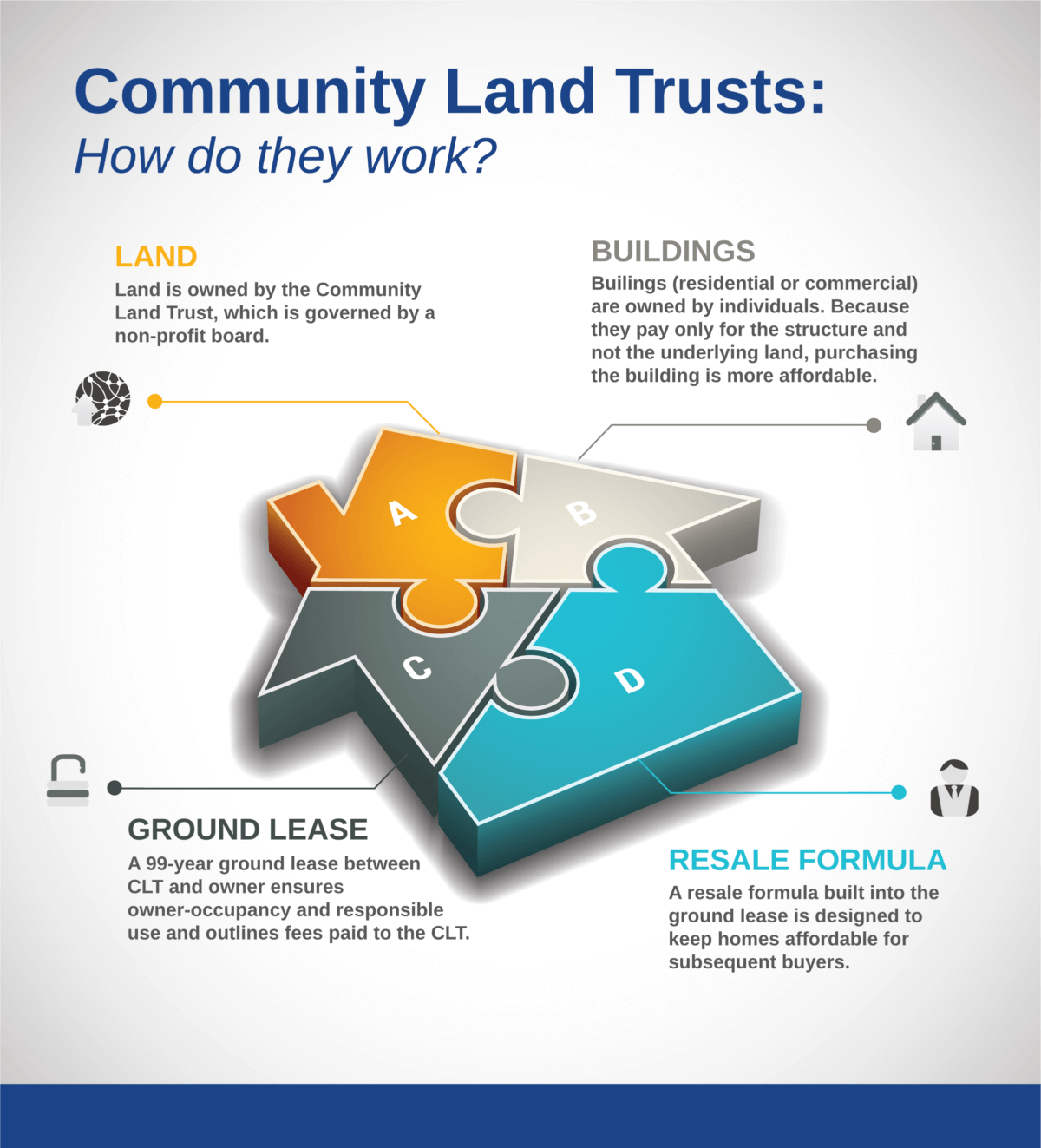
On trust land, however, the land title remains with the federal government, held "in trust" for the tribe or individual. What a homeowner typically acquires is a "leasehold interest" – a long-term lease (often 25, 50, or 99 years, renewable) on a specific parcel of land. While the home built on this land can be owned by the individual, the underlying land cannot.
This distinction creates several hurdles for lenders:
- Collateral: Lenders are wary of accepting a leasehold interest as sufficient collateral, as they cannot easily foreclose on and sell the land itself if a borrower defaults.
- Jurisdiction: Tribal sovereignty means that tribal courts and laws may govern certain aspects of property disputes, which can be unfamiliar territory for non-tribal lenders and legal systems.
- Appraisals: Valuing properties on trust land can be challenging due to limited comparable sales and the unique nature of leasehold interests.
- BIA Involvement: The Bureau of Indian Affairs (BIA) plays a crucial role in approving leases and other land transactions, adding an additional layer of administrative complexity and potential delays.
These factors necessitate specialized mortgage programs designed to mitigate lender risk and navigate the unique legal and administrative frameworks of trust land.

Key Mortgage Options for Trust Land Properties
While the options are fewer than for fee simple properties, several vital programs exist, primarily targeted at Native American individuals and veterans.
1. HUD Section 184 Indian Home Loan Guarantee Program
Overview: The HUD Section 184 program is arguably the most significant and widely utilized mortgage option for Native Americans and Alaska Natives purchasing homes on trust land. It is a loan guarantee program, meaning that the U.S. Department of Housing and Urban Development (HUD) guarantees a portion of the loan to the lender. This guarantee significantly reduces the risk for lenders, making them more willing to lend on trust land. The program can be used for new construction, purchase of an existing home, rehabilitation, or refinance.
How it Works:
- Eligible borrowers (enrolled members of a federally recognized tribe) apply through approved Section 184 lenders.
- The property must be located on eligible trust land, restricted land, or in an approved Indian area.
- The loan is secured by a leasehold mortgage on the property.
- The BIA and/or the tribe must approve the lease and mortgage documents.
Pros:
- Lower Down Payment: As low as 2.25% for loans over $50,000, and 1.25% for loans under $50,000.
- Flexible Credit Requirements: Generally more lenient than conventional loans, focusing on overall financial stability rather than just credit scores.
- Competitive Interest Rates: Rates are often fixed and competitive, often without the fluctuating interest rates of conventional loans.
- No Mortgage Insurance (MI): Instead of monthly MI, there’s a one-time 1% upfront guarantee fee, which can be financed into the loan, and a smaller annual fee.
- Designed for Trust Land: The program is specifically structured to navigate the unique legal and administrative challenges of trust land, including the BIA and tribal approval processes.
- Broad Use: Can be used for purchase, refinance, construction, or rehabilitation.
Cons:
- Eligibility Restrictions: Strictly limited to enrolled members of federally recognized tribes.
- Limited Lenders: Not all lenders offer Section 184 loans; finding an experienced lender is crucial.
- Administrative Delays: The involvement of the BIA and tribal housing authorities can sometimes lead to longer processing times compared to conventional loans.
- Property Eligibility: The property must be located in an eligible area, which primarily includes trust land or designated Indian areas.
- Lease Term Requirements: The lease must typically extend for at least 10 years beyond the life of the mortgage.
2. VA Native American Direct Loan (NADL) Program
Overview: The VA Native American Direct Loan (NADL) program is a direct loan program (meaning the VA itself is the lender) offered to eligible Native American veterans. It’s designed to help these veterans purchase, construct, or improve homes on Native American trust land. This program is distinct from the general VA loan guarantee program, as it addresses the specific challenges of trust land.
How it Works:
- Eligible Native American veterans apply directly to the VA.
- The veteran must be an enrolled member of a federally recognized tribe.
- The land must be trust land, and the tribe must have signed a Memorandum of Understanding (MOU) with the VA, agreeing to certain terms for the program.
- The loan is used to finance the purchase or construction of a home, or to make improvements to an existing home.
Pros:
- No Down Payment: Veterans can finance 100% of the home’s value, reducing the upfront financial burden.
- No Private Mortgage Insurance (PMI): Unlike conventional loans, NADL does not require PMI, significantly lowering monthly payments.
- Low-Interest Rates: VA loans are known for their competitive interest rates, which can save borrowers substantial money over the life of the loan.
- Flexible Credit Requirements: Similar to the Section 184 program, VA loans are generally more flexible with credit scores, focusing on overall financial stability.
- Direct VA Support: Borrowers work directly with the VA, which can provide specialized assistance and guidance.
- No Funding Fee (for some): Veterans receiving VA disability compensation are exempt from the VA funding fee.
Cons:
- Eligibility Restrictions: Limited to Native American veterans who meet specific service requirements and are members of federally recognized tribes.
- Tribal MOU Required: The tribe must have an existing MOU with the VA for the veteran to be eligible to use the program on that specific trust land. Not all tribes have these MOUs.
- Primarily for New Construction/Improvement: While purchase is possible, it’s often utilized for new construction or significant improvements, as existing homes on trust land might have complex ownership histories.
- BIA/Tribal Approval: Similar to Section 184, the process requires BIA and tribal approval of the lease and mortgage.
3. Conventional/Private Lender Programs (Highly Specialized)
Overview: While rare, some conventional lenders or specialized financial institutions may offer mortgage products for homes on trust land. These are typically not standardized programs but rather bespoke solutions often developed in partnership with specific tribes or through highly specialized arrangements. They are the exception, not the rule.
How it Works:
- These programs are usually developed by lenders with a deep understanding of tribal law and trust land dynamics.
- They may involve tribal guarantees or other forms of collateral enhancement to mitigate lender risk.
- Eligibility and terms vary widely depending on the lender and the specific tribal agreement.
Pros:
- Potential for Broader Eligibility: In some very limited cases, these might be available to non-Native individuals if a tribe allows it and a lender is willing.
- Customizable Terms: Because they are specialized, terms might be tailored to individual or tribal needs.
Cons:
- Extremely Limited Availability: Very few lenders offer these products, and they are not widely advertised.
- Higher Down Payments/Interest Rates: Due to the inherent risk, these loans often come with higher down payment requirements and potentially higher interest rates than government-backed options.
- Complex Legal Hurdles: Extensive legal review and tribal negotiations are often required, making the process lengthy and costly.
- Requires Strong Tribal Partnership: Success often hinges on a robust partnership between the lender and the specific tribe.
4. Tribal Housing Programs and Loans
Overview: Many Native American tribes have developed their own housing programs, which can include direct loans, grants, down payment assistance, or lease-to-own arrangements for their members. These programs are funded through tribal resources, federal block grants (like NAHASDA – Native American Housing Assistance and Self-Determination Act), or partnerships.
How it Works:
- Eligibility is typically restricted to enrolled members of that specific tribe.
- The terms and availability vary significantly from tribe to tribe.
- These programs often work in conjunction with other federal programs or can serve as primary financing.
Pros:
- Tailored to Tribal Members: Designed with the specific needs and cultural context of the tribal community in mind.
- Potential for Grants/Assistance: May offer grants or low-interest loans, making homeownership more affordable.
- Community Support: Access to tribal housing counselors and resources.
- Deep Understanding: Tribal housing authorities are intimately familiar with their own trust land regulations and processes.
Cons:
- Eligibility Restrictions: Strictly limited to members of the specific tribe.
- Funding Limitations: Programs may have limited funding, leading to waiting lists or specific windows for application.
- Varying Terms: Terms can differ greatly, and some may not function as a traditional long-term mortgage.
- May Not Cover Full Cost: Some programs offer assistance, not full financing, requiring a combination with other loan types.
Key Considerations for All Borrowers on Trust Land
Regardless of the specific mortgage option chosen, several overarching factors demand careful attention:
- Lease Agreements: The foundation of homeownership on trust land is the lease. Borrowers must thoroughly understand the terms, duration (ensuring it extends well beyond the mortgage term), renewal options, and any specific tribal or BIA requirements. The lease must be approved by the BIA.
- Tribal Laws and Ordinances: Familiarity with the specific tribe’s housing codes, land use policies, and legal framework is paramount. Tribal sovereignty means that tribal laws will govern many aspects of property and dispute resolution.
- Lender Expertise: Choosing a lender with extensive experience in trust land mortgages (especially HUD Section 184 or VA NADL) is non-negotiable. An inexperienced lender can lead to significant delays and complications.
- Appraisals: Finding an appraiser familiar with valuing properties on trust land is crucial. The unique nature of leasehold interests requires specialized knowledge.
- Home Insurance: Lenders will require adequate home insurance, and borrowers should ensure their policy covers the unique aspects of their home’s location and construction.
- Estate Planning: Given the leasehold nature of the land, thoughtful estate planning is essential to ensure the home and leasehold interest can be smoothly transferred to heirs in accordance with tribal and federal law.
- Credit and Financial Readiness: While some programs offer flexibility, a solid credit history, stable income, and manageable debt-to-income ratio will always strengthen an application.
Recommendations for Prospective Homeowners
For Native American/Alaska Native Individuals:
- Priority 1: HUD Section 184 Indian Home Loan Guarantee Program. This is the most versatile and widely available option for tribal members. Start by researching HUD-approved lenders who specialize in Section 184 loans.
- Priority 2: VA Native American Direct Loan (NADL) Program (for eligible veterans). If you are a Native American veteran, the NADL offers exceptional benefits with no down payment or mortgage insurance. Verify if your tribe has an MOU with the VA.
- Priority 3: Explore Tribal Housing Programs. Contact your tribal housing authority early in the process. They can provide invaluable information on local programs, potential grants, or assistance that can complement federal loan programs.
- Consider Combination: It’s often possible to combine tribal down payment assistance with a HUD Section 184 or VA NADL loan.
For Non-Native Individuals (with extreme caveats):
- Limited Options: Be aware that options for non-Native individuals to mortgage a home on trust land are virtually non-existent, unless a tribe has a specific program that allows for it and a very specialized lender is willing to participate. Most trust land programs are explicitly for tribal members.
- Consider Adjacent Properties: If homeownership near trust land is the goal, but direct ownership on trust land isn’t possible, explore fee simple properties in surrounding communities.
General Recommendations for All Trust Land Borrowers:
- Start Early and Be Patient: The process for trust land mortgages can be more complex and time-consuming. Begin your research and applications well in advance.
- Engage Your Tribe: Your tribal government and housing authority are indispensable resources. They can guide you through local regulations, identify eligible land, and connect you with relevant programs.
- Find an Expert Lender: Seek out lenders who have a proven track record with Section 184 or NADL loans and a deep understanding of trust land nuances. Ask for references.
- Understand Your Lease: Read every word of your lease agreement. This document defines your rights and responsibilities regarding the land.
- Financial Preparedness: Even with flexible programs, ensure your finances are in order. Work on improving your credit score and managing debt.
- Seek Counseling: Consider housing counseling services specializing in Native American homeownership. They can provide invaluable education and support.
Conclusion
Homeownership on trust land represents a profound connection to culture, community, and heritage. While the unique legal framework of trust land presents challenges for traditional mortgage lending, specialized programs like the HUD Section 184 and VA Native American Direct Loan, alongside vital tribal housing initiatives, offer viable pathways to achieving this dream.
Navigating these options requires diligence, patience, and a willingness to engage with both federal agencies and tribal authorities. By understanding the intricacies of trust land ownership, leveraging the appropriate mortgage products, and partnering with experienced professionals, prospective homeowners can successfully build a secure future for themselves and their families within these vibrant communities. The journey may be unique, but the destination—a home on ancestral lands—is immeasurably rewarding.


