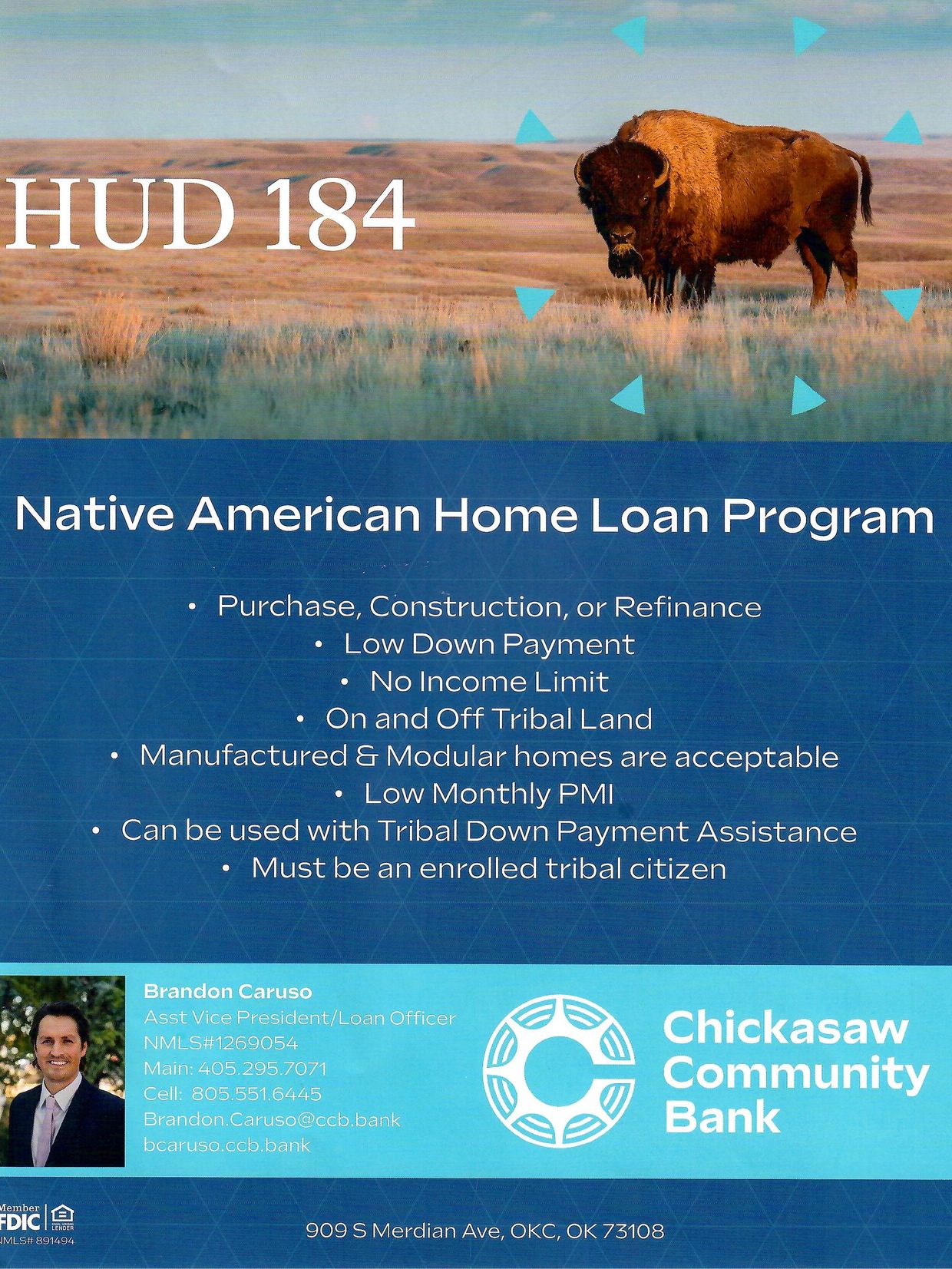
The Foundation of Home: An In-Depth Review of HUD 184 Minimum Property Standards
Homeownership is more than just acquiring property; it’s about building a future, fostering stability, and creating a legacy. For Native American individuals and families, the HUD Section 184 Indian Home Loan Guarantee Program has been a transformative tool, specifically designed to address unique challenges associated with financing homes on Native lands. At the core of this program, ensuring the safety, soundness, and long-term value of these homes, lie the Minimum Property Standards (MPS).
While not a tangible product one can hold, the HUD 184 Minimum Property Standards function as a critical "product" within the homeownership ecosystem – a set of guidelines, requirements, and assurances that define the very quality of the asset being financed. This comprehensive review will delve into these standards, exploring their core features, evaluating their benefits (pros) and drawbacks (cons), and ultimately providing a recommendation on their indispensable role in empowering sustainable homeownership within Native American communities.
Understanding the "Product": What are HUD 184 Minimum Property Standards?

The HUD 184 Minimum Property Standards are a rigorous set of requirements that a property must meet to be eligible for financing through the Section 184 loan program. These standards are largely aligned with, but sometimes tailored from, the broader HUD/FHA property guidelines, focusing on ensuring the health, safety, and structural integrity of the dwelling. They are designed to protect both the borrower (homeowner) from purchasing an unsafe or unsound property and the lender/government from guaranteeing a loan on a depreciating or high-risk asset.
The "features" of these standards encompass a wide range of property aspects, assessed typically by a HUD-approved appraiser and often supplemented by a home inspector. Key areas include:
- Structural Soundness: This is paramount. The foundation, roof, walls, and load-bearing elements must be in good condition, free from significant defects, and capable of supporting the structure. Evidence of major settlement, significant cracks, water damage, or pest infestations that compromise structural integrity are red flags.
- Health and Safety: This category addresses immediate risks to occupants.
- Utilities: All electrical, plumbing, heating, and cooling systems must be functional, safe, and up to code. Adequate water supply, safe sewage disposal, and proper ventilation are essential.
- Environmental Hazards: Properties must be free from dangerous levels of lead-based paint (especially in homes built before 1978), asbestos, radon, carbon monoxide, and other environmental contaminants. Proper drainage around the property to prevent water intrusion is also critical.
- Egress and Access: Safe entry and exit points are required, including functional doors and windows. Stairways and railings must be secure.
- Fire Safety: Adequate smoke detectors and, in some cases, carbon monoxide detectors are mandated.
- Habitability: The home must be suitable for living. This includes having sufficient living space, a functional kitchen, and at least one bathroom with a toilet, sink, and shower/tub. The property should also be protected from the elements.
- Site Conditions: The land itself is evaluated. Proper drainage, stable soil, and reasonable access to the property are necessary. The site should not be subject to excessive noise, noxious fumes, or other environmental nuisances that would negatively impact habitability or value.
- Mechanical Systems: All major appliances and systems that are part of the sale (e.g., water heater, furnace, air conditioning unit) must be in working order and have a reasonable remaining useful life.
- Roofing: The roof must be free of leaks and have a sufficient remaining economic life (typically at least 3 years, though lenders may require more).
- Water Penetration: There must be no evidence of active water leaks or significant water damage, particularly in basements, crawl spaces, or attics.
If a property does not meet these standards, it will either be deemed ineligible for the HUD 184 loan, or the seller (or buyer, through negotiation) will be required to make the necessary repairs before the loan can be closed.
The Value Proposition: Advantages (Pros) of HUD 184 Minimum Property Standards
The implementation of HUD 184 MPS offers a multitude of benefits, solidifying its status as an invaluable component of the homeownership journey for Native Americans:
- Borrower Protection and Peace of Mind: This is arguably the most significant advantage. The MPS shield homebuyers from inadvertently purchasing a "lemon" – a property riddled with hidden defects, safety hazards, or structural deficiencies that could lead to exorbitant repair costs down the line. Knowing that a property has been vetted for basic health, safety, and structural integrity provides immense peace of mind and reduces the financial stress often associated with unexpected home repairs.
- Ensuring a Sound Investment: A home is often the largest financial investment an individual or family will make. By mandating minimum quality standards, the MPS help ensure that the asset underlying the mortgage is sound and retains its value. This protects the borrower’s equity and makes the home a more stable asset for future generations or potential resale.
- Enhanced Health and Safety for Occupants: Directly addressing critical areas like electrical wiring, plumbing, heating, and environmental hazards (e.g., lead paint, radon), the MPS contribute significantly to the well-being of the residents. This proactive approach prevents illnesses, injuries, and other health issues that can arise from substandard living conditions.
- Lender Risk Mitigation: From the lender’s perspective, the MPS reduce the risk associated with loaning money for a property. A sound, safe, and habitable home is less likely to suffer rapid depreciation or require costly foreclosure procedures due to unaddressed structural or safety issues. This stability makes the HUD 184 program more attractive to participating lenders.
- Promotion of Quality Housing Stock on Tribal Lands: Historically, housing on some tribal lands has faced unique challenges, including access to financing for new construction or renovation. By setting a baseline for property quality, the MPS encourage the development and maintenance of higher-quality housing stock within Native communities, fostering better living environments.
- Facilitation of Future Resale or Refinancing: Properties that meet established standards are generally easier to sell or refinance in the future. The initial investment in ensuring MPS compliance can pay dividends by streamlining future transactions and maintaining the home’s marketability.
- Standardization and Transparency: The MPS provide a clear, objective framework for evaluating properties. This standardization reduces ambiguity, ensures consistency across different transactions, and offers transparency to all parties involved in the home-buying process.
- Long-Term Sustainability and Reduced Maintenance Burdens: While initial repairs might be required, ensuring the property meets MPS can prevent more significant, expensive repairs in the long run. Addressing issues proactively leads to a more sustainable home and reduces the ongoing maintenance burden for the homeowner.
The Challenges: Disadvantages (Cons) of HUD 184 Minimum Property Standards
While the benefits are substantial, the application of HUD 184 MPS is not without its challenges and potential drawbacks:
- Cost of Compliance: The most frequently cited disadvantage is the financial burden associated with bringing a property up to standard. Older homes, which are common in many areas, including tribal lands, often require significant repairs or upgrades to meet modern codes and safety requirements. These costs can be substantial, potentially falling on the seller (reducing their profit) or negotiated into the buyer’s responsibility, adding to their upfront expenses or loan amount.
- Time Delays in the Closing Process: The process of inspection, appraisal, identifying deficiencies, obtaining contractor bids, and completing repairs can significantly prolong the home-buying timeline. This can be frustrating for both buyers and sellers, especially in fast-moving markets or when deadlines are tight. Delays can also lead to complications with rate locks or other time-sensitive aspects of the loan.
- Limited Housing Stock and Reduced Options: In areas with a scarcity of available housing, particularly on tribal lands where unique land tenure issues can exist, strict MPS can further limit the already restricted inventory. Properties that could otherwise be viable for a buyer might be deemed ineligible due to the cost or feasibility of necessary repairs, narrowing choices for prospective homeowners.
- Appraisal Challenges and Market Value Discrepancies: Appraisers evaluating properties under HUD 184 MPS must consider both the property’s condition and its market value. In some rural or reservation areas, comparable sales data might be scarce, and the cost of necessary repairs to meet MPS might exceed the local market’s willingness to pay for those improvements. This can lead to appraisal gaps, where the property’s value after repairs is still lower than the cost of the repairs plus the original purchase price, creating financing hurdles.
- Bureaucratic Complexity and Learning Curve: Navigating the specific requirements of the HUD 184 MPS can be complex, especially for first-time homebuyers, sellers, or real estate professionals unfamiliar with the program. Understanding what constitutes a deficiency, how to address it, and the documentation required adds layers of bureaucracy to the process.
- Potential for "Over-Improvements" in Certain Markets: In some lower-value markets, the cost of bringing a property up to HUD 184 MPS might result in "over-improvements" where the investment in repairs significantly outpaces the incremental increase in the property’s market value. This can make it difficult for homeowners to recoup their investment if they need to sell the home in the near future.
- Impact on Traditional or Culturally Significant Structures: While designed for safety, rigid application of modern building codes to older, culturally significant, or traditionally built structures could pose challenges. Balancing preservation of cultural heritage with contemporary safety standards requires careful consideration and flexibility, which isn’t always inherent in a standardized system.
Target Audience: Who Benefits from Understanding HUD 184 MPS?
The HUD 184 Minimum Property Standards are crucial for a diverse group of stakeholders:
- Native American Individuals and Families: The primary beneficiaries, as these standards directly impact their homeownership journey.
- Lenders Participating in the HUD 184 Program: To ensure compliance and mitigate risk.
- Tribal Housing Authorities and Governments: To support community development and facilitate housing initiatives.
- Real Estate Agents and Brokers: Those working with Native American clients to guide them effectively through the process.
- Appraisers and Home Inspectors: Professionals who directly assess properties against these standards.
- Contractors and Developers: Building or renovating homes for the HUD 184 market.
Recommendation: Embracing the Foundation of Homeownership
Despite the challenges, the HUD 184 Minimum Property Standards are not just a set of bureaucratic hurdles; they are a fundamental safeguard and an essential component of the HUD 184 program’s success. As a "product," they offer an unparalleled value proposition: the assurance of a safe, healthy, and structurally sound home, protecting one of life’s most significant investments.
Our recommendation is unequivocal: embrace and understand these standards thoroughly. For prospective homeowners, viewing the MPS not as an obstacle but as a protective shield is key. They ensure you are acquiring a valuable asset that will contribute to your family’s well-being and financial security for years to come.
To navigate the MPS effectively, we recommend:
- Early Education: All parties, especially homebuyers, should familiarize themselves with the general principles of the MPS from the outset.
- Professional Guidance: Work with experienced HUD 184 lenders, real estate agents, and home inspectors who are knowledgeable about the program and its specific requirements on tribal lands. Their expertise can streamline the process and identify potential issues early.
- Proactive Planning: If considering an older home, factor in potential repair costs and timeline extensions. Sellers should consider pre-inspections to identify and address issues before listing.
- Negotiation and Flexibility: Be prepared to negotiate repairs or adjust expectations regarding the property or timeline.
In conclusion, the HUD 184 Minimum Property Standards are an indispensable feature of a program designed to uplift and empower Native American communities through homeownership. While they demand attention to detail and can sometimes present challenges, their overarching goal of fostering safe, sound, and sustainable homes makes them a "product" that delivers profound and lasting value. By understanding and strategically engaging with these standards, participants in the HUD 184 program can confidently build their foundations for a brighter future.


