
Unlocking Homeownership: A Comprehensive Review of HUD 184 Loan Requirements for Tribal Members
Homeownership is a cornerstone of the American dream, representing stability, wealth building, and a place to call one’s own. However, for many Native American, Alaska Native, and other Indigenous peoples, unique challenges have historically made this dream more elusive. Recognizing these barriers, the U.S. Department of Housing and Urban Development (HUD) established the Section 184 Indian Home Loan Guarantee Program. This program is not just another mortgage option; it’s a vital tool designed to specifically address the needs of tribal members, both on and off Native lands.
In this in-depth review, we will dissect the HUD 184 loan program, examining its core requirements, evaluating its advantages and disadvantages, and ultimately providing informed recommendations for tribal members considering this unique path to homeownership.
What is the HUD 184 Indian Home Loan Guarantee Program?
The HUD Section 184 program, authorized by the Indian Housing Act of 1992, is a mortgage loan program specifically for eligible Native American and Alaska Native individuals, federally recognized Indian Tribes, or Tribally Designated Housing Entities (TDHEs). Unlike conventional loans where the lender takes on all the risk, HUD 184 loans are guaranteed by the federal government. This guarantee significantly reduces the risk for approved lenders, making them more willing to offer loans to tribal members who might otherwise face obstacles in the traditional mortgage market.

The program’s primary goal is to increase homeownership and access to capital for Native Americans by addressing the unique circumstances often encountered when living on trust land, or when traditional credit models may not fully capture an applicant’s financial stability. It aims to empower tribal members to purchase, construct, or rehabilitate homes, as well as to refinance existing mortgages.
Core "Product" Features: Understanding HUD 184 Loan Requirements
To evaluate the HUD 184 loan, we must first understand its "features"—the specific requirements tribal members must meet. These requirements are designed to ensure the program serves its intended beneficiaries while maintaining financial responsibility.
1. Eligibility as a Tribal Member: The Foundation
The most fundamental requirement is eligibility as a tribal member.
- Federally Recognized Tribe: Applicants must be enrolled members of a federally recognized American Indian or Alaska Native tribe. Verification of tribal enrollment, usually through a Certificate of Tribal Enrollment or a letter from the tribe, is mandatory. State-recognized tribes are generally not eligible under this program.
- Alaska Native Corporations (ANCs): Shareholders of ANCs are also eligible.
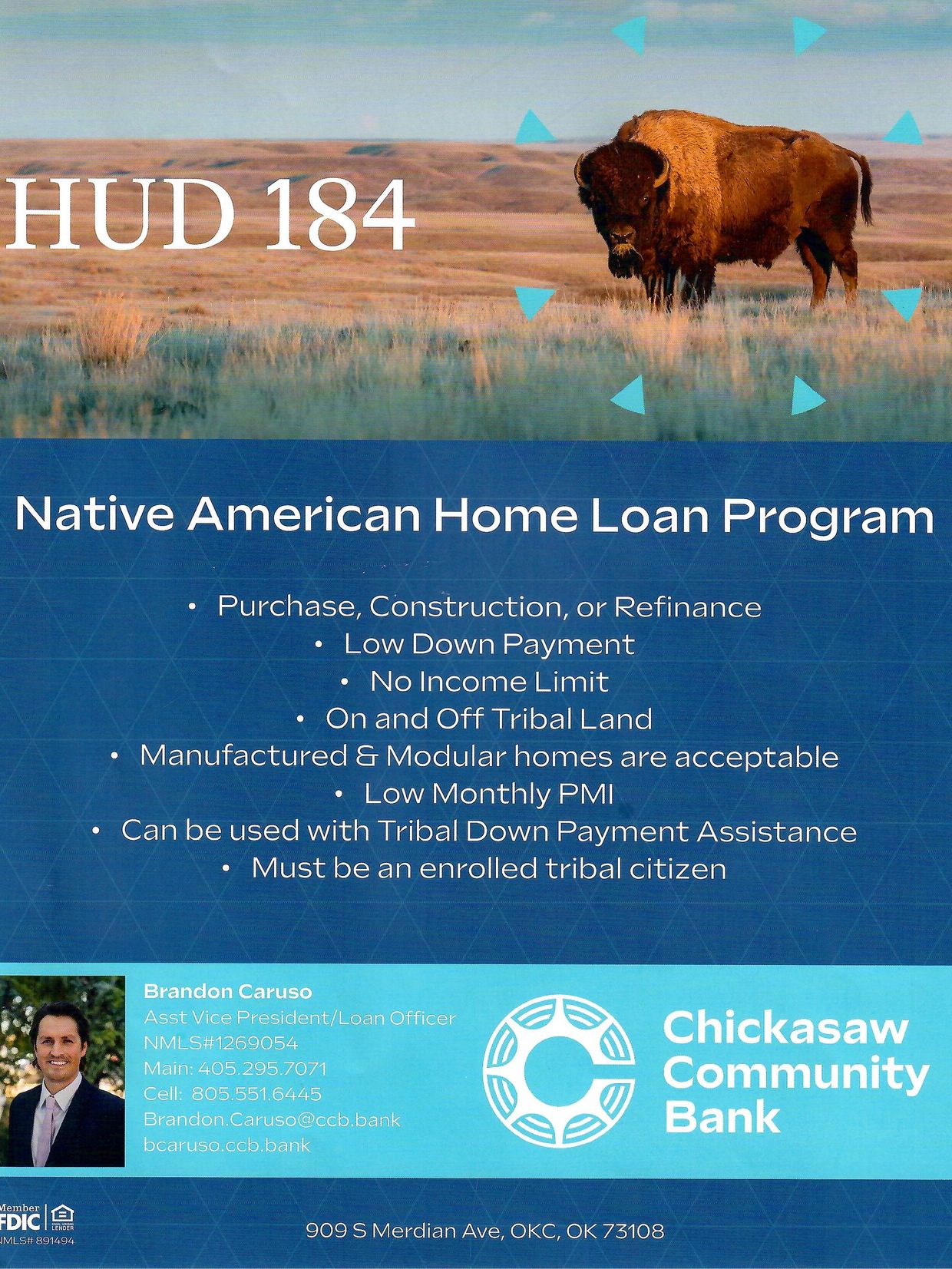
2. Property Location: On and Off-Reservation Options
The HUD 184 loan is unique in its flexibility regarding property location, catering to the diverse living situations of tribal members.
- On-Reservation/Trust Lands: This is where the program truly shines. It allows for loans on lands held in trust by the federal government for the benefit of tribes or individual tribal members. This often involves unique leasehold agreements (e.g., a 50-year lease with the tribe) rather than fee simple ownership, which traditional lenders typically shy away from.
- Off-Reservation/Fee Simple Lands: Loans are also available for properties located in eligible areas outside of trust lands, provided they are within approved jurisdictions. This significantly expands options for tribal members who may live or wish to live in urban or suburban areas but still qualify for the program. Each state has a list of eligible counties for HUD 184 loans; it’s crucial to verify if a desired property falls within these boundaries.
3. Occupancy Requirements: Your Primary Residence
The property financed through a HUD 184 loan must be the borrower’s primary residence. This means the borrower intends to live in the home for the majority of the year. Investment properties or second homes are not permitted.
4. Financial Health: Credit, Income, and Debt-to-Income (DTI)
While more flexible than conventional loans, HUD 184 still requires a demonstration of financial stability.
- Credit History: HUD 184 is known for its more flexible credit guidelines. While a strong credit score is always beneficial, the program places a greater emphasis on consistent payment history and a borrower’s overall ability to manage debt, rather than solely relying on a high FICO score. Lenders will review your credit report for timely payments on rent, utilities, and other obligations. Applicants with limited credit history may be able to use alternative credit (e.g., rent, utility payments) to demonstrate creditworthiness.
- Income Stability: Borrowers must demonstrate stable and verifiable income sufficient to meet their mortgage obligations. Lenders will look at employment history (typically two years), pay stubs, W-2s, and tax returns. Self-employment income is acceptable but requires more extensive documentation.
- Debt-to-Income (DTI) Ratio: This ratio compares your total monthly debt payments to your gross monthly income. While specific DTI limits can vary slightly by lender, they are generally in line with other government-backed loans (e.g., FHA), often around 41-43% for the back-end ratio (total debt including the new mortgage).
5. Down Payment: A Key Advantage
One of the most attractive "features" of the HUD 184 loan is its low down payment requirement.
- For loans over $50,000, the minimum down payment is 2.25% of the loan amount.
- For loans $50,000 or less, the minimum down payment is even lower at 1.25%.
This significantly reduces the upfront cash needed, making homeownership more accessible.
6. Mortgage Insurance Premium (MIP): A Necessary "Cost"
Similar to FHA loans, HUD 184 loans require a Mortgage Insurance Premium (MIP), which protects the lender in case of default.
- Upfront MIP: A one-time payment of 1.00% of the loan amount is due at closing. This can be financed into the loan, reducing the out-of-pocket expense.
- Annual MIP: An annual premium of 0.25% of the outstanding loan balance is paid monthly as part of the mortgage payment. Unlike some conventional loans, this annual MIP remains for the life of the loan.
7. Property Standards and Appraisal: Ensuring Value and Safety
All properties financed with a HUD 184 loan must meet HUD’s Minimum Property Standards (MPS) to ensure they are safe, sanitary, and structurally sound.
- Appraisal: A HUD-approved appraiser will conduct an appraisal to determine the property’s fair market value. This is crucial for both fee simple and trust lands, though the appraisal process for trust lands can be more complex due to the unique legal status of the land.
- Inspections: While not always mandatory by HUD, a professional home inspection is highly recommended to identify potential issues before purchase.
8. Approved Lenders: The "Retailers" of the Program
Only lenders approved by HUD to originate Section 184 loans can offer this product. This means you cannot walk into any bank and ask for a HUD 184 loan; you must seek out a specialized lender.
Pros: The "Benefits" of the HUD 184 Loan Program
When reviewing any product, the benefits are paramount. The HUD 184 loan offers several significant advantages that set it apart, especially for tribal members.
- Low Down Payment: As mentioned, the 2.25% (or 1.25%) down payment is one of the lowest available, significantly lowering the barrier to entry for first-time homebuyers or those with limited savings.
- Flexible Credit Requirements: This is a major plus. The program’s emphasis on a holistic view of financial stability, rather than strict credit scores, opens doors for individuals who may have faced past credit challenges or have limited traditional credit history.
- Competitive Interest Rates: Because the loans are government-guaranteed, lenders typically offer competitive interest rates, often comparable to FHA loans, making the mortgage more affordable over the long term.
- On-Reservation/Trust Land Financing: This is arguably the program’s most distinctive and impactful advantage. It provides a viable pathway to homeownership on lands where traditional financing is often impossible due to the unique legal framework of trust land. This supports tribal sovereignty and keeps assets within the community.
- No Geographical Restrictions (within eligible areas): While specific counties are approved, the program is not limited to reservations. Tribal members can use the HUD 184 loan to purchase homes in eligible off-reservation areas, offering flexibility in location.
- Protection and Support: HUD provides counseling services to borrowers experiencing financial hardship, helping them avoid foreclosure. This level of support is not always available with conventional loans.
- Ability to Refinance: Borrowers can use the HUD 184 program to refinance existing mortgages, including conventional loans, to potentially secure better terms or convert from a leasehold to a fee simple if land status changes.
- Construction and Rehabilitation Loans: Beyond just purchasing existing homes, the program supports new home construction and the rehabilitation of older homes, fostering community development.
Cons: The "Drawbacks" of the HUD 184 Loan Program
No product is without its drawbacks, and the HUD 184 loan, while excellent for its target audience, does have some limitations to consider.
- Limited Lender Pool: Because it’s a specialized program, fewer lenders offer HUD 184 loans compared to conventional or FHA mortgages. This can make it harder to shop around for the best rates and service, and may limit options in some geographical areas.
- Mandatory Mortgage Insurance Premium (MIP): While a low down payment is great, the upfront and annual MIP adds to the overall cost of the loan. Crucially, the annual MIP remains for the life of the loan and does not automatically drop off once a certain equity threshold is reached (unlike some conventional PMI or even FHA MIP under certain conditions). This can make the loan more expensive over a long repayment period compared to a conventional loan where PMI can be canceled.
- Potentially Slower Processing Times: The federal guarantee and unique requirements, especially for properties on trust land, can sometimes lead to longer processing and closing times compared to conventional loans. Tribal approvals for leases, for example, can add significant time.
- Property Restrictions on Trust Lands: While a benefit, it’s also a complexity. Financing on trust land involves unique legal agreements (e.g., ground leases) that require coordination with tribal housing authorities and often federal Bureau of Indian Affairs (BIA) approvals. This can be a learning curve for both borrowers and less experienced lenders.
- Awareness and Education Gap: Many tribal members, and even some housing professionals, are not fully aware of the program or how it works. This lack of awareness can hinder access to its benefits.
- State and County Eligibility: While available in most states, the program is not universally available in every county within those states. Potential borrowers must verify their desired property location is within an eligible area.
Purchase Recommendations: Is HUD 184 the Right "Product" for You?
Considering the pros and cons, the HUD 184 loan is a highly specialized and incredibly valuable "product" for its intended audience. Here’s when it’s an excellent choice and when you might consider alternatives.
Who Should Strongly Consider the HUD 184 Loan:
- First-Time Homebuyers: The low down payment and flexible credit guidelines make it an ideal entry point into homeownership.
- Tribal Members Buying on Trust Lands: This is where the HUD 184 truly stands out as often the only viable financing option. If you plan to live on your tribe’s land, this program is designed for you.
- Individuals with Limited Savings for a Down Payment: The minimal cash required upfront can be a game-changer.
- Those with Less-Than-Perfect Credit or Limited Credit History: If you have a solid payment history but a low FICO score, or if you’re credit-invisible, HUD 184’s flexibility is a significant advantage.
- Tribal Members Seeking to Refinance an Existing Mortgage: If you have a conventional loan with less favorable terms, or wish to take advantage of the program’s benefits, a HUD 184 refinance could be beneficial.
- Those Building a New Home or Rehabilitating an Existing One: The program supports these activities, fostering community development and personal investment.
Who Might Consider Alternatives (or Proceed with Caution):
- Borrowers with Excellent Credit and a Large Down Payment (20% or more): If you can afford a substantial down payment and have an impeccable credit score, a conventional loan might offer a lower overall cost by allowing you to avoid MIP altogether or cancel private mortgage insurance (PMI) once you reach 20% equity.
- Those Prioritizing the Absolute Fastest Closing: While many HUD 184 loans close efficiently, the potential for delays, especially on trust land, means it might not be the best choice if you need to close extremely quickly.
- Individuals in Areas with No Approved HUD 184 Lenders: If access to a qualified lender is limited, exploring other government-backed loans (like FHA or VA if applicable) or conventional options might be necessary.
Key Recommendations Before "Buying" into HUD 184:
- Educate Yourself Thoroughly: Understand all the requirements, costs (especially MIP), and the application process. HUD’s official website is an excellent resource.
- Find a Specialized Lender: Seek out lenders with extensive experience in HUD 184 loans, particularly those with a strong track record of working with tribal communities and on trust lands. An experienced lender can navigate complexities much more smoothly.
- Get Pre-Approved: This step will clarify how much you can afford, what your monthly payments might look like, and identify any potential issues early on.
- Understand Trust Land Specifics: If buying on trust land, engage with your tribal housing authority early. Understand the leasehold agreements, tribal requirements, and the role of the BIA.
- Budget for All Costs: Remember to factor in closing costs (which can often be rolled into the loan or covered by seller concessions), the upfront MIP, and the ongoing annual MIP when calculating your affordability.
- Consider the Long-Term Cost of MIP: While the low down payment is attractive, the lifetime annual MIP is a significant factor. Calculate the total cost over the loan’s term and compare it to alternatives if you have other options.
Conclusion
The HUD 184 Indian Home Loan Guarantee Program is an invaluable resource for Native American and Alaska Native tribal members seeking to achieve the dream of homeownership. It’s a thoughtfully designed "product" that addresses historical inequities and unique land tenure issues, offering a pathway where traditional financing often fails.
While it comes with its own set of requirements and costs, particularly the lifelong MIP and the complexities of trust land financing, its benefits—especially the low down payment, flexible credit guidelines, and crucial support for on-reservation housing—far outweigh the drawbacks for its target demographic.
For eligible tribal members, the HUD 184 loan is not merely a mortgage; it is a powerful tool for economic empowerment, cultural preservation, and community building. By understanding its features, weighing its pros and cons, and following informed recommendations, tribal members can confidently navigate this program and unlock the doors to stable and sustainable homeownership.


