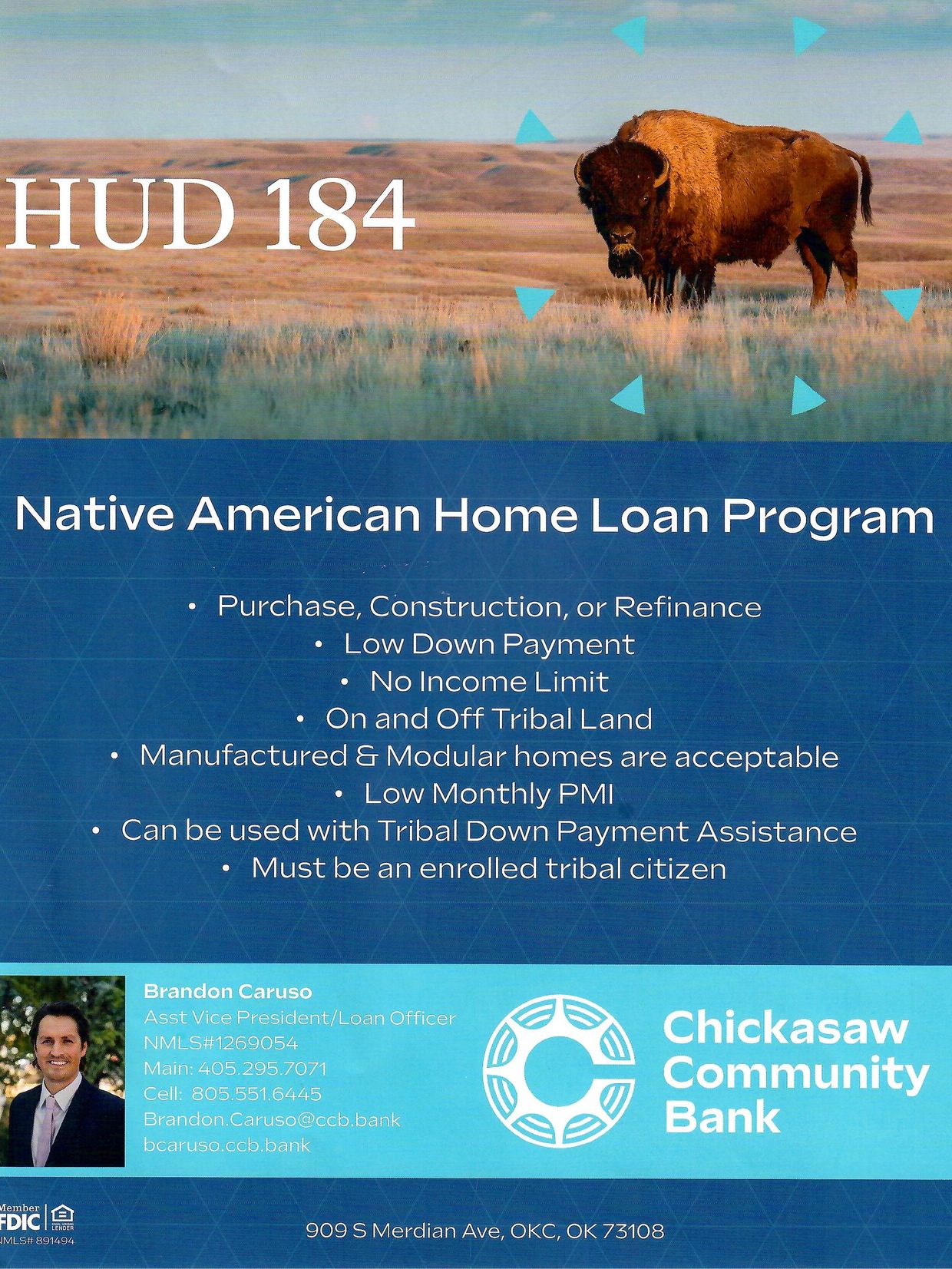
HUD 184 Loan for Repairs and Renovations: A Comprehensive Review
Homeownership is a cornerstone of financial stability and community building, yet the journey doesn’t end with the initial purchase. Homes, like any significant asset, require ongoing maintenance, repairs, and often, renovations to meet evolving needs or enhance value. For many, funding these crucial improvements can be a significant hurdle. While numerous loan products exist for home renovation, one stands out for its specific focus and unique benefits: the HUD Section 184 Indian Home Loan Guarantee Program.
This article provides an in-depth review of the HUD 184 loan, specifically examining its utility for repairs and renovations. We will explore its features, dissect its advantages and disadvantages, and offer a clear recommendation for potential borrowers considering this unique financial tool.
What is the HUD Section 184 Loan Program?
Before diving into renovations, it’s essential to understand the core purpose of the HUD Section 184 program. Established in 1992 by the Department of Housing and Urban Development (HUD), this program is designed to increase homeownership and access to financing for eligible Native American and Alaska Native individuals, families, and Tribal governments. It aims to address historical barriers to homeownership in these communities, particularly regarding unique land tenure issues like trust or restricted land.

Unlike conventional loans, the HUD 184 loan is a government-guaranteed mortgage. This means HUD insures a portion of the loan, reducing the risk for approved lenders and making them more willing to lend to eligible borrowers. While commonly used for purchasing new homes or refinancing existing mortgages, the HUD 184 loan also offers robust options for home construction, and crucially for this review, for financing repairs and renovations.
HUD 184 for Repairs and Renovations: A Deep Dive
When utilizing the HUD 184 loan for repairs and renovations, it typically functions in one of two ways:
- Purchase and Renovation: Combining the acquisition of a home with the necessary funds for immediate repairs or planned renovations. The loan amount is based on the "as-completed" value of the home after renovations.
- Refinance and Renovation: Refinancing an existing mortgage to include funds for repairs and renovations. This allows homeowners to tap into their home equity (or the projected "as-completed" value) to finance improvements.
The core principle is that the loan covers not just the existing value of the home, but also the projected increase in value once the specified repairs and renovations are complete. This is crucial for projects that significantly enhance a property’s worth or habitability.
Eligible Improvements:

The types of repairs and renovations typically allowed under the HUD 184 program are broad and aim to improve the home’s safety, habitability, energy efficiency, and overall value. These can include:
- Structural Repairs: Foundation work, roof replacement, major plumbing or electrical system upgrades.
- Safety and Health Improvements: Remediation of lead-based paint, asbestos removal, mold mitigation.
- Accessibility Modifications: Ramps, wider doorways, bathroom modifications for individuals with disabilities.
- Energy Efficiency Upgrades: New windows, insulation, HVAC system replacement, solar panel installation.
- General Modernization: Kitchen and bathroom remodels, flooring replacement, exterior siding, deck construction, room additions.
- Essential Outbuildings: Garages or carports that contribute to the property’s value and utility.
The Renovation Process:
Utilizing the HUD 184 for renovations involves a structured process to ensure the work is completed to standards and the funds are disbursed appropriately:
- Project Scope and Bids: Borrowers work with approved contractors to define the scope of work and obtain detailed bids for all proposed repairs and renovations.
- Appraisal: An appraisal is conducted based on the "as-completed" value of the home, factoring in the planned improvements. This helps determine the maximum loan amount.
- Loan Approval: Once the project scope, contractor bids, and appraisal are approved, the loan is underwritten and closed.
- Escrow and Draws: The renovation funds are typically held in an escrow account. As work progresses, the lender will release payments (draws) to the contractor based on completed stages of work, often after inspections by the lender or a designated third party to verify progress and quality.
- Final Inspection and Completion: Upon completion of all work, a final inspection ensures everything is done according to the approved plan, and the remaining funds are disbursed.
This process, while seemingly detailed, is designed to protect both the borrower and the lender, ensuring the renovation project is managed professionally and the home’s value is enhanced as intended.
Advantages (Kelebihan) of the HUD 184 Loan for Repairs and Renovations
The HUD 184 loan offers several compelling advantages, particularly for its target demographic, when it comes to funding home improvements:
- Low Down Payment: One of the most significant benefits is the very low down payment requirement. For loans over $50,000, it’s typically 2.25%, and for loans under $50,000, it can be as low as 1.25%. This makes it significantly easier for eligible borrowers to afford necessary renovations without depleting their savings.
- Flexible Credit Requirements: While creditworthiness is still assessed, the HUD 184 program often has more flexible and forgiving credit requirements compared to conventional loans. This helps individuals who might have had past credit challenges but are now financially stable.
- Competitive Fixed Interest Rates: HUD 184 loans typically offer competitive, fixed interest rates, providing stability and predictability in monthly payments for the life of the loan. This protects borrowers from potential rate increases common with adjustable-rate mortgages or lines of credit.
- Acceptance of Unique Land Tenure: This is a paramount advantage for Native American and Alaska Native borrowers. The HUD 184 program is specifically designed to work with various forms of land ownership, including tribal trust land, allotted land, and restricted fee land, which are often barriers for conventional lenders.
- One-Time Closing for Purchase/Renovation: When combining a home purchase with renovations, the HUD 184 allows for a single closing. This streamlines the process, reduces closing costs, and simplifies the overall experience compared to securing separate loans for acquisition and improvement.
- Comprehensive Renovation Coverage: The loan can cover a wide range of repairs and renovations, from essential structural fixes to significant modernizations, ensuring the home meets both current and future needs. The "as-completed" appraisal approach allows for substantial improvements that increase the home’s value.
- Government Guarantee and Oversight: The federal guarantee reduces lender risk, which can translate into more favorable terms for borrowers. The oversight also ensures that renovations are completed by qualified contractors and meet certain standards, protecting the homeowner.
- No Geographic Restrictions (within eligible areas): Unlike some programs limited to specific rural or urban zones, the HUD 184 is available to eligible individuals in any state, as long as they are Native American or Alaska Native and the property is located within an eligible area (which includes almost all tribal lands and many other designated areas).
Disadvantages (Kekurangan) of the HUD 184 Loan for Repairs and Renovations
Despite its many advantages, the HUD 184 loan program also has certain drawbacks that potential borrowers should consider:
- Strict Eligibility Requirements: The most significant limitation is its specific target demographic. Only federally recognized Native American and Alaska Native tribal members are eligible. This restricts its availability to a broad segment of the population.
- Mortgage Insurance Premium (MIP): Like FHA loans, HUD 184 loans require both an Upfront Mortgage Insurance Premium (UFMIP) and an Annual Mortgage Insurance Premium (MIP). The UFMIP is typically 1.50% of the loan amount, which can be financed into the loan. The annual MIP is 0.85% of the average outstanding loan balance, paid monthly. This adds to the overall cost of the loan and can be a significant expense over time.
- Limited Lender Participation: While the program is growing, not all mortgage lenders are approved to offer HUD 184 loans. This can limit options for borrowers, potentially leading to less competitive rates or fewer choices in lenders compared to conventional or FHA loans.
- Detailed Renovation Process: While the structured renovation process protects borrowers, it can also be more complex and time-consuming than simply taking out a personal loan or HELOC. It involves multiple inspections, contractor vetting, and a draw schedule, which can extend the project timeline.
- Property Requirements and Inspections: Properties must meet HUD’s minimum property standards, and a thorough appraisal and inspection are required. If a property has significant issues that are not part of the renovation plan or are deemed unfixable, it might not qualify.
- Contractor Vetting: Only licensed and insured contractors who meet specific requirements are typically allowed to perform the work. This is a protective measure but can limit a homeowner’s choice if they prefer a specific contractor who isn’t approved, or if they wish to do some work themselves (DIY projects are generally not allowed under the loan).
- No "Luxury" Additions: While extensive renovations are allowed, the loan focuses on improving the home’s value, safety, and habitability. Projects deemed purely "luxury" or non-essential, such as building a swimming pool, may not be approved.
- Primary Residence Requirement: The HUD 184 loan is intended for primary residences only. It cannot be used for investment properties, vacation homes, or secondary residences, limiting its scope for those looking to renovate properties for other purposes.
Who Should Consider the HUD 184 Loan for Renovations?
The HUD 184 loan is an excellent option for:
- Eligible Native American and Alaska Native individuals who are tribal members seeking to purchase a home and immediately renovate it, or refinance their existing mortgage to fund necessary or desired home improvements.
- Borrowers who may have limited funds for a large down payment on a renovation loan or who benefit from more flexible credit guidelines.
- Homeowners on tribal trust land or other unique land tenure arrangements, as the HUD 184 is specifically designed to navigate these complexities.
- Those undertaking significant renovation projects that will genuinely increase the home’s value and habitability, rather than minor cosmetic updates.
- Individuals who appreciate the oversight and structured process of a government-backed renovation loan, ensuring quality and proper fund disbursement.
Who Might Need Alternatives?
- Individuals not eligible as Native American or Alaska Native tribal members will need to explore other renovation financing options like FHA 203(k) loans, Fannie Mae HomeStyle Renovation loans, VA renovation loans, HELOCs, or personal loans.
- Homeowners looking to do DIY renovations to save costs, as the HUD 184 typically requires licensed contractors.
- Those seeking very fast access to funds for minor repairs, as the structured process can take longer than a personal loan or credit card.
- Borrowers who want to avoid mortgage insurance premiums entirely, though this often comes with higher down payment requirements or different interest rates.
Recommendation
Based on its comprehensive features, unique advantages, and specific target audience, the HUD Section 184 Loan for repairs and renovations comes with a strong recommendation for eligible borrowers.
For Native American and Alaska Native individuals and families, this program is a powerful and tailored financial tool. It directly addresses many of the historical and systemic barriers they face in achieving and maintaining quality homeownership. The low down payment, flexible credit requirements, and ability to finance improvements on tribal lands make it an unparalleled option.
However, potential borrowers must enter the process fully informed. While the benefits are substantial, the requirement for mortgage insurance, the detailed renovation process, and the limited lender pool are factors to weigh. It is crucial to:
- Verify Eligibility: Confirm tribal enrollment and program eligibility.
- Consult with Approved Lenders: Seek out multiple HUD 184 approved lenders to compare rates, terms, and lender-specific processes.
- Thoroughly Plan Renovations: Work with reputable contractors to get detailed bids and a clear scope of work.
- Understand All Costs: Factor in the mortgage insurance premiums and any associated closing costs.
In conclusion, the HUD 184 loan for repairs and renovations is not just a financial product; it’s a vital resource designed to empower specific communities. For those who meet the eligibility criteria and are prepared for a structured renovation journey, it represents an outstanding opportunity to transform their homes, enhance their quality of life, and build lasting equity. It is a product that delivers on its promise to support homeownership and community development where it is most needed.


