The HUD 184 Loan for Non-Tribal Spouses: A Comprehensive Product Review
The dream of homeownership is a universal aspiration, a cornerstone of stability and a testament to personal achievement. For many Native American families, this dream comes with unique challenges, particularly when navigating the complex landscape of tribal lands, trust lands, and the often-overlooked financial mechanisms designed to support them. Enter the HUD Section 184 Indian Home Loan Guarantee Program – a vital tool specifically crafted to facilitate homeownership for Native Americans.
But what about the non-tribal spouse, married to an enrolled tribal member, who also shares in this dream? Does the HUD 184 program extend its benefits to them? How does this "product" perform for this specific demographic, and what are its features, advantages, and potential drawbacks? This comprehensive review will delve into the HUD 184 loan, specifically through the lens of a non-tribal individual married to a tribal member, providing an in-depth analysis to help potential users make an informed decision.
What is the HUD Section 184 Indian Home Loan Guarantee Program?
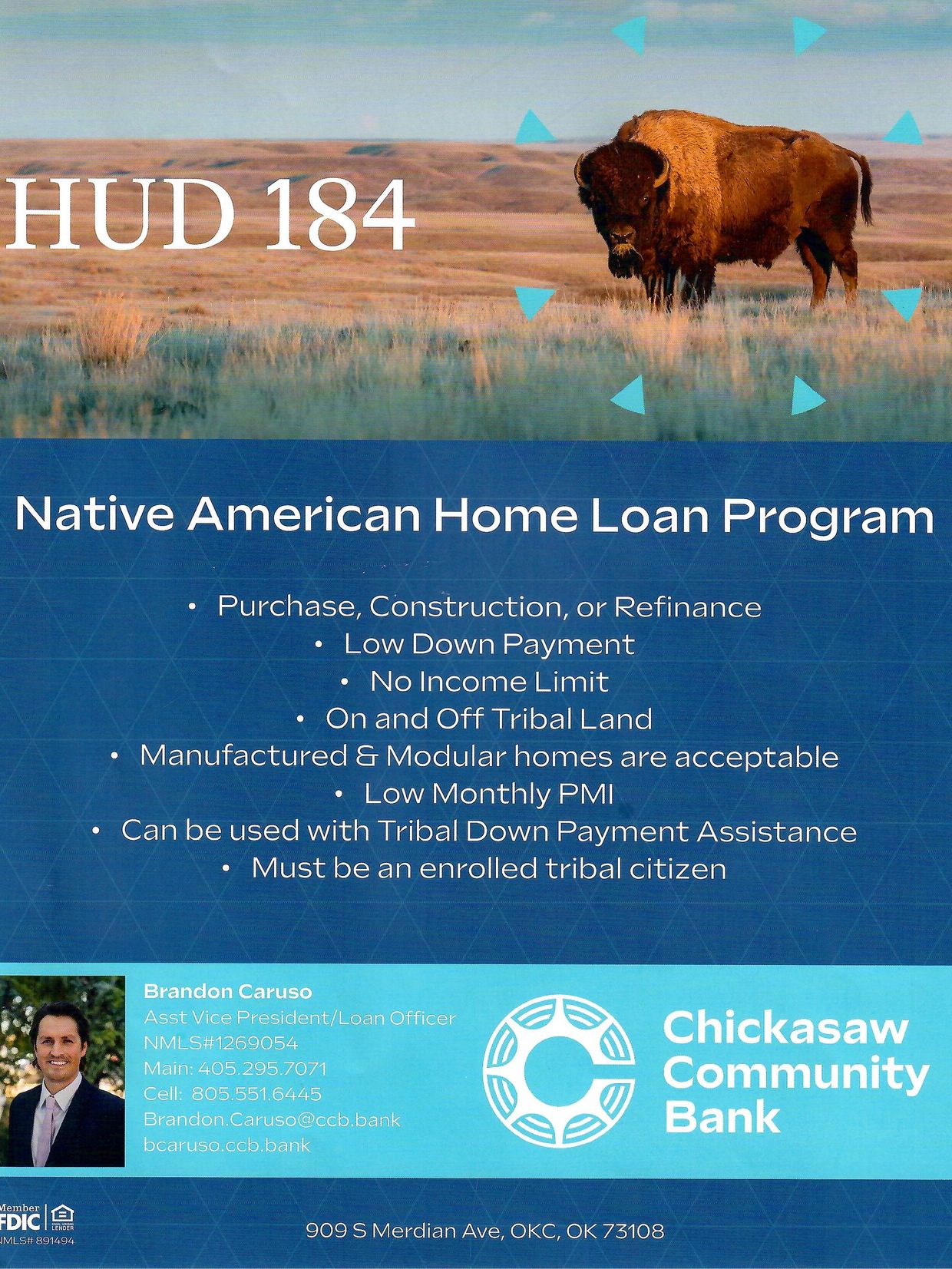
Before we dissect its suitability for non-tribal spouses, let’s understand the core "product." The HUD 184 program is a unique mortgage product designed to increase homeownership and access to capital in Native American communities. It’s not a direct loan from the government; rather, it’s a loan guaranteed by the U.S. Department of Housing and Urban Development (HUD) through its Office of Native American Programs (ONAP). This guarantee allows private lenders to offer mortgages to eligible Native American and Alaska Native individuals, families, and tribal governments with less risk, often resulting in more favorable terms than conventional loans.

Key features of the HUD 184 program include:
- Low Down Payment: Typically as low as 2.25% for loans over $50,000, and 1.25% for loans up to $50,000.
- Flexible Underwriting: Underwriters consider the unique circumstances of tribal communities, including non-traditional credit histories.
- Competitive Interest Rates: Often comparable to FHA or VA loans.
- Variety of Property Types: Can be used for purchasing existing homes, new construction, rehabilitation, or even refinancing. Crucially, it’s one of the few programs that can finance homes on tribally owned trust land or individually owned restricted land, as well as fee simple land.
- One-Time Mortgage Insurance Premium (MIP): A one-time premium, typically 1.5% of the loan amount, is financed into the loan, rather than recurring monthly premiums found in FHA loans.
Eligibility for Non-Tribal Spouses: The Core Feature

The fundamental question for this review is eligibility. Can a non-tribal person married to an enrolled tribal member utilize the HUD 184 loan? The answer is a resounding yes, under specific conditions. The HUD 184 program explicitly states that a non-Native American individual is eligible if they are married to an enrolled member of a federally recognized tribe and they are applying for the loan jointly. The property must also serve as their primary residence.
This provision is a critical "feature" of the HUD 184 program, designed to support the tribal family unit. It acknowledges that homeownership is often a shared endeavor within a marriage, and by extending eligibility to the non-tribal spouse, it strengthens the financial capacity of the couple to secure a home within or near their tribal community.
The HUD 184 Loan as a "Product" for Non-Tribal Spouses: Pros and Cons
Like any financial product, the HUD 184 loan offers distinct advantages and disadvantages that a non-tribal spouse should carefully consider.
Advantages (Pros)
-
Access to Homeownership in Unique Land Situations: This is perhaps the most significant "selling point" for this demographic. Many tribal communities are located on trust lands or individually restricted lands, which are notoriously difficult to finance through conventional mortgages. The HUD 184 loan is specifically designed to navigate the complex legal and administrative framework of these lands, offering a pathway to homeownership where none might otherwise exist. For a non-tribal spouse wishing to live with their family on ancestral lands, this feature is invaluable.
-
Affordable Entry into Homeownership: The low down payment requirements (as low as 1.25% to 2.25%) significantly reduce the initial financial barrier to purchasing a home. This is a major benefit for many families, allowing them to preserve savings or allocate funds to other essential needs. Coupled with competitive interest rates and the single upfront mortgage insurance premium, the overall cost of entry and long-term affordability can be very attractive.
-
Flexible Underwriting Criteria: Conventional lenders often rely heavily on traditional credit scores and debt-to-income ratios, which can disadvantage individuals with non-traditional financial histories. The HUD 184 program’s flexible underwriting considers alternative forms of credit, such as rental history, utility payments, and tribal credit, making homeownership more accessible to a broader range of applicants, including those who may not fit neatly into conventional lending boxes.
-
Support for Family Stability and Community Building: By enabling mixed-heritage families to purchase homes within or near tribal communities, the HUD 184 loan fosters family stability and strengthens community ties. It allows the non-tribal spouse to fully integrate into the community alongside their partner, contributing to the local economy and cultural preservation. This socio-economic benefit extends beyond just the individual transaction.
-
Federal Guarantee and Security: The federal guarantee from HUD provides a layer of security and confidence for both the borrower and the lender. It assures the lender that a portion of the loan is backed by the government, which can lead to more willingness to lend in areas or situations they might otherwise deem higher risk. For the borrower, it means working within a federally regulated program with established guidelines.
-
Potential for Refinancing and Rehabilitation: The program isn’t just for new purchases. It can also be used to refinance existing loans or to fund the rehabilitation of homes, allowing families to improve their living conditions or optimize their mortgage terms.
Disadvantages (Cons)
-
Geographic and Lender Limitations: While the HUD 184 program is available in all states, its primary focus is on eligible areas, which typically encompass tribal trust lands, reservations, and certain specific Native American communities. Not all lenders offer HUD 184 loans, and finding a lender with expertise in the program, particularly concerning trust land, can be challenging outside of areas with significant tribal populations. This limited availability can be a hurdle for non-tribal spouses who might be in areas without established HUD 184 lenders.
-
Complexity of Trust/Restricted Land Financing: While a "pro" for its existence, the process of financing homes on trust or restricted land is inherently complex. It involves securing a leasehold agreement (often a 50-year lease) with the tribal land office or individual land owner, obtaining tribal council approvals, and navigating specific tribal ordinances. For a non-tribal spouse, understanding and maneuvering through these layers of tribal sovereignty, law, and custom can be daunting and require significant patience and cultural sensitivity. Resale of homes on trust land can also be more complicated, as the land itself is not owned by the homeowner.
-
Dependence on Tribal Member’s Eligibility: The non-tribal spouse’s eligibility is directly tied to their marriage to an enrolled tribal member. Should the marriage dissolve, the non-tribal spouse would lose their direct eligibility for a HUD 184 loan, potentially complicating future housing options, especially if the home is on trust land. This dependency is a significant long-term consideration.
-
Potential for Cultural and Legal Misunderstandings: For non-tribal spouses, integrating into a tribal community and understanding its unique governance, customs, and land tenure systems can be a steep learning curve. Misunderstandings, even unintentional ones, can arise during the homeownership process, particularly when dealing with tribal housing authorities or elders. Patience, respect, and a willingness to learn are paramount.
-
Appraisal Challenges: Appraising properties on tribal lands can be difficult due to a lack of comparable sales data (comps) and the unique nature of the land tenure. This can lead to longer appraisal times and, in some cases, appraisals that are lower than expected, potentially impacting the loan amount.
-
Limited Property Choices in Some Areas: While the program expands options, the available housing stock on or near tribal lands might be limited, especially for existing homes. New construction might be an option, but this comes with its own set of challenges, including contractor availability and tribal building codes.
Recommendation: Is the HUD 184 Loan a "Buy" for Non-Tribal Spouses?
For a non-tribal individual married to an enrolled tribal member, the HUD 184 loan is unequivocally a "Strong Buy" – but with significant caveats and a robust recommendation for due diligence.
Why it’s a "Strong Buy":
The HUD 184 loan is a specialized, purpose-built financial instrument that addresses a critical gap in the conventional mortgage market. For mixed-heritage families seeking to establish a home on or near tribal lands, particularly on trust or restricted lands, it often represents the only viable path to homeownership. Its low down payment, flexible underwriting, and focus on supporting Native American communities make it an invaluable resource. It’s a product designed not just for a transaction, but for empowering families and preserving cultural ties.
However, the "Buy" comes with crucial conditions and a call for comprehensive due diligence:
-
Engage Early and Often: Begin by contacting your tribal housing authority or a HUD 184 approved lender as early as possible. They can provide specific guidance tailored to your tribe and location. HUD also provides a list of approved lenders on its ONAP website.
-
Seek Expert HUD 184 Counseling: Utilize HUD-approved housing counselors who specialize in the 184 program. They can walk you through the entire process, explain the nuances of eligibility, and prepare you for potential challenges.
-
Understand Trust Land Intricacies: If considering a home on trust or restricted land, seek independent legal counsel specializing in tribal law and real estate. Fully comprehend the terms of the leasehold agreement, tribal ordinances, and the implications for ownership, maintenance, and future resale. Understand that you are leasing the land, not owning it outright.
-
Cultural Immersion and Respect: For the non-tribal spouse, make a concerted effort to understand and respect the cultural norms, traditions, and governance structures of your spouse’s tribe. This will facilitate smoother interactions with tribal authorities and community members, which are often integral to the homeownership process.
-
Interview Multiple Lenders: Even with a limited pool, speak with several HUD 184 approved lenders to compare terms, service, and their experience with properties on tribal lands. Look for lenders who demonstrate a deep understanding of the program and sensitivity to tribal customs.
-
Long-Term Planning: Consider the long-term implications of homeownership, especially concerning the property’s location and the marriage’s stability. Understand how potential life changes might impact your housing situation.
Conclusion
The HUD 184 Indian Home Loan Guarantee Program is more than just a mortgage product; it’s a powerful tool for self-determination, family empowerment, and cultural continuity within Native American communities. For the non-tribal individual married to an enrolled tribal member, it represents an unparalleled opportunity to build a shared future in a place that might otherwise be inaccessible.
While it comes with its share of complexities, particularly regarding trust land and navigating tribal governance, the benefits of affordability, accessibility, and the ability to reside within a beloved community often far outweigh these challenges. By approaching this "product" with thorough research, expert guidance, and a respectful understanding of tribal sovereignty, non-tribal spouses can successfully leverage the HUD 184 loan to achieve their dream of homeownership, strengthening their families and contributing vibrantly to their tribal communities. It’s a purchase that offers not just a house, but a home rooted in heritage and hope.


