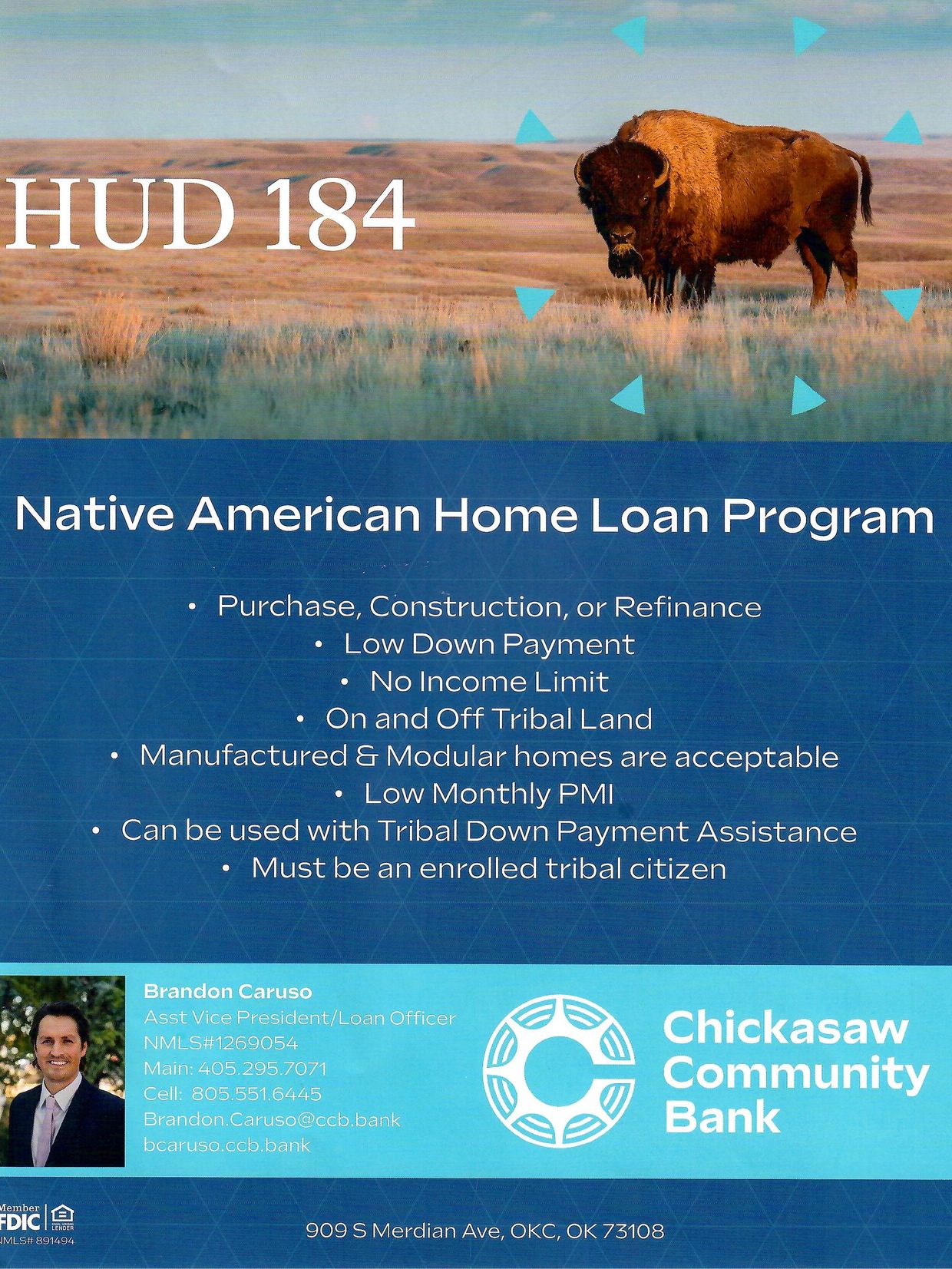
The HUD 184 Loan for Multi-Unit Housing on Tribal Land: A Comprehensive Product Review
The landscape of housing development on tribal lands presents a unique blend of cultural significance, sovereign governance, and persistent socio-economic challenges. Addressing the housing deficit within these communities requires innovative and specialized financial instruments. Among the most prominent is the HUD Section 184 Indian Home Loan Guarantee Program. While primarily known for facilitating individual homeownership, its application to multi-unit housing on tribal lands offers a powerful, albeit complex, pathway to community development and investment.
This comprehensive review delves into the HUD 184 loan as a "product" for multi-unit housing development on tribal lands, examining its intricate mechanisms, evaluating its strengths and weaknesses, and providing a nuanced recommendation for its utilization. Our goal is to assess whether this program is a viable and effective tool for addressing the diverse housing needs of Native American and Alaska Native communities.
Understanding the HUD Section 184 Loan: A Specialized Financial Tool
The HUD Section 184 program, established by the Indian Housing Act of 1992, is a mortgage loan guarantee program designed to make homeownership more accessible for Native American and Alaska Native families, tribes, and Tribally Designated Housing Entities (TDHEs). Unlike conventional mortgages, HUD 184 loans are specifically tailored to address the unique legal and financial frameworks of tribal lands, including trust and restricted fee land. The federal guarantee significantly reduces risk for approved lenders, encouraging them to operate in areas where conventional financing might be hesitant.

While its most common application is for single-family homes, the HUD 184 program’s flexibility extends to multi-unit properties. For individual borrowers, it can be used for owner-occupied properties with up to four units, provided the borrower resides in one of them. More significantly for broader community impact, tribes and TDHEs can utilize the 184 program to finance the construction or acquisition of multi-unit rental housing projects, offering critical affordable housing solutions to their members. This dual application – individual owner-occupant or tribal/TDHE community development – is central to its utility in the multi-unit context.
The Critical Need for Multi-Unit Housing on Tribal Lands
Before diving into the loan’s specifics, it’s crucial to acknowledge the profound need that multi-unit housing addresses on tribal lands. Many tribal communities face:
- Overcrowding: A significant number of homes are overcrowded, leading to poor health outcomes and reduced quality of life.
- Affordability Crisis: Limited incomes combined with high construction costs often make market-rate housing unaffordable.
- Intergenerational Living: While culturally valued, lack of adequate space can strain resources and privacy.
- Infrastructure Gaps: Remote locations often lack essential utilities and services, making scattered single-family development inefficient.
- Economic Development: Adequate housing is a foundational element for attracting and retaining a workforce, supporting local businesses, and fostering economic growth.
- Demographic Shifts: Growing populations and evolving family structures require diverse housing options, from senior housing to starter apartments.

Multi-unit developments, such as duplexes, townhomes, and apartment complexes, can offer denser, more efficient, and often more affordable housing solutions. They can optimize land use, concentrate infrastructure, and create vibrant community hubs. The HUD 184 loan, therefore, steps into a vital role in enabling these developments.
Advantages (Pros) of the HUD 184 Loan for Multi-Unit Housing on Tribal Land
The HUD 184 loan, when applied to multi-unit housing on tribal lands, presents several compelling advantages:
- Federal Guarantee Mitigates Lender Risk: This is perhaps the most significant benefit. The federal government’s guarantee (up to 100% for lenders against loss on defaulted loans) makes lending on tribal lands, particularly trust lands, far more attractive to financial institutions. This increases the pool of available capital and can lead to more favorable terms than might otherwise be available.
- Low Down Payment Requirements: For individual borrowers purchasing a multi-unit property (up to 4 units, owner-occupied), the down payment is typically 2.25% for loans over $50,000 and 1.25% for loans under $50,000. This significantly lowers the barrier to entry for Native American individuals seeking to invest in and live within multi-unit properties. For tribal entities, the down payment structure can be negotiated, often leveraging grants or other tribal funds.
- Flexible Underwriting and Credit Standards: HUD 184 recognizes the unique economic realities of tribal communities. Underwriting guidelines are more flexible than conventional loans, considering non-traditional income sources (e.g., per capita payments, trust income), lack of credit history, and employment patterns common on reservations. This flexibility is crucial for qualifying borrowers and projects that might otherwise be overlooked.
- Tailored for Tribal Land Tenure: The program is specifically designed to work with various tribal land tenure systems, including trust land, restricted fee land, and fee simple land. This involves understanding and navigating leasehold agreements, tribal approvals, and the Bureau of Indian Affairs (BIA) processes, which are often insurmountable hurdles for conventional lenders. HUD 184 streamlines these complexities, offering a proven framework.
- Supports Community-Driven Development: For tribes and TDHEs, the 184 loan can be a cornerstone for large-scale multi-unit housing projects that align with tribal housing plans and cultural values. This allows for the creation of rental units, elder housing, workforce housing, or mixed-use developments that directly address community-identified needs. It empowers tribal self-determination in housing.
- Competitive Interest Rates: Due to the federal guarantee, HUD 184 loans often offer interest rates comparable to or even better than conventional loans. This translates to lower monthly payments and greater affordability over the life of the loan, benefiting both individual borrowers and tribal entities managing rental properties.
- Potential for Wealth Creation and Economic Stability: For individual Native American borrowers, acquiring a multi-unit property (owner-occupied) can be a significant step toward wealth creation through rental income and property appreciation. For tribes, developing multi-unit housing can generate sustainable rental revenue, create local jobs (construction, property management), and stabilize the local economy.
- Refinancing Options: The program also offers refinancing options, allowing existing multi-unit property owners on tribal lands to potentially lower their interest rates or consolidate debt, further enhancing financial stability.
Disadvantages (Cons) of the HUD 184 Loan for Multi-Unit Housing on Tribal Land
Despite its many advantages, the HUD 184 loan for multi-unit housing is not without its challenges and limitations:
- Limited Lender Participation: While increasing, the number of approved HUD 184 lenders remains relatively small compared to the broader mortgage market. This can limit options, competition, and accessibility, particularly in remote tribal areas. Lenders often require specialized knowledge and staff to navigate the program’s unique requirements.
- Complex and Time-Consuming Application Process: Developing multi-unit housing on tribal land involves navigating multiple layers of bureaucracy: the lender, HUD, the BIA (for trust land leases), and the tribal government. This can lead to a protracted and intricate application and approval process, requiring extensive documentation, tribal resolutions, and environmental reviews.
- Unique Challenges of Tribal Land Tenure: While designed for tribal lands, the inherent complexities remain. Leasehold interests (common on trust land) can be less attractive to some lenders than fee simple ownership. Establishing clear title and obtaining all necessary tribal and BIA approvals for construction and long-term land use can be a significant hurdle.
- Infrastructure Deficiencies and Higher Development Costs: Many tribal lands, especially those in rural or remote areas, lack adequate infrastructure (roads, water, sewer, electricity, internet). Developing multi-unit housing often requires substantial upfront investment in infrastructure, which can significantly increase overall project costs and potentially make projects less feasible.
- Appraisal Challenges: Valuing properties on tribal land can be difficult due to a lack of comparable sales data, especially for multi-unit properties. Appraisers need specialized knowledge of tribal land tenure and market conditions, which can be scarce. This can lead to lower appraisals, impacting loan amounts and project viability.
- Property Management Complexity: Developing multi-unit housing is only the first step. Effective, culturally sensitive property management, including tenant selection, rent collection, maintenance, and addressing disputes, is crucial for the long-term success and sustainability of the project. Tribes or individuals may lack the existing capacity or expertise in this area.
- Borrower Eligibility Restrictions: For individual owner-occupied multi-unit properties, the borrower must be an enrolled member of a federally recognized tribe or Alaska Native Village. This strictly limits who can directly access the loan for this purpose. While tribes/TDHEs can borrow for community projects, this individual restriction is a key limitation.
- Regulatory Burden and Compliance: Adhering to both federal HUD regulations and specific tribal codes and ordinances adds layers of compliance. Ensuring environmental review, historic preservation, and labor standards are met requires careful planning and execution.
- Market Absorption Risk: Depending on the community size and economic base, there can be a risk of overbuilding or misjudging the demand for specific types of multi-unit housing, leading to vacancies and financial strain on the project.
Who Is This Loan For? (Target Audience)
The HUD 184 loan for multi-unit housing is best suited for:
- Tribally Designated Housing Entities (TDHEs): These are the primary and most effective users, capable of planning, developing, and managing large-scale affordable rental housing projects that serve the entire community.
- Tribal Governments: Tribes themselves can leverage this loan to develop housing for their members, essential employees, or as part of broader economic development initiatives.
- Individual Native American/Alaska Native Borrowers: Those who are enrolled members of a federally recognized tribe and wish to purchase a 2-4 unit property, live in one unit, and rent out the others for income. This is an excellent opportunity for personal investment and wealth building.
- Developers Partnering with Tribes/TDHEs: Experienced developers with a strong track record can utilize their expertise in conjunction with tribal entities and the HUD 184 program to bring much-needed housing to tribal lands.
Recommendation: Is the HUD 184 Loan a Good "Purchase" for Multi-Unit Housing on Tribal Land?
Overall Recommendation: Highly Recommended, with Significant Caveats and Strategic Planning.
The HUD 184 loan is not a magic bullet, but it is an exceptionally powerful and often indispensable tool for facilitating multi-unit housing development on tribal lands. For many communities, it represents one of the few viable pathways to secure financing for such projects due to its federal guarantee and specialized nature.
When to "Purchase" (Proceed with HUD 184):
- Strong Tribal/TDHE Capacity: If the tribal government or TDHE has robust planning, development, and property management capabilities, or is committed to building them.
- Clear Community Need: When there is a well-documented and pressing need for specific types of multi-unit housing (e.g., elder housing, workforce housing, affordable rentals).
- Existing Infrastructure: Projects located where basic infrastructure (water, sewer, roads) is already present or can be extended cost-effectively.
- Strategic Partnerships: When a tribe or TDHE partners with experienced developers, lenders, and consultants who understand both the HUD 184 program and the intricacies of tribal land development.
- Long-Term Vision: For projects that are part of a comprehensive, long-term tribal housing and economic development strategy.
- Individual Investment: For eligible individual Native American borrowers seeking to leverage their owner-occupancy for a multi-unit investment property.
When to Exercise Extreme Caution or Consider Alternatives:
- Limited Tribal Capacity: If the tribe or TDHE lacks the human resources, technical expertise, or financial management systems to undertake a complex multi-unit project. Capacity building should precede or run concurrently with project planning.
- Severe Infrastructure Deficiencies: Projects in areas requiring prohibitively expensive infrastructure development might need alternative funding sources or a phased approach.
- Lack of Tribal Consensus: Without strong and unified tribal support, navigating the land tenure and approval processes will be exceedingly difficult.
- Unrealistic Expectations: Believing the loan will solve all housing problems without significant tribal investment, planning, and ongoing management will lead to disappointment.
Key Steps Before "Purchasing":
- Feasibility Study: Conduct a thorough analysis of market demand, site suitability, infrastructure availability, and project costs.
- Tribal Engagement: Secure formal tribal resolutions and clear communication channels with all relevant tribal departments and leadership.
- Capacity Assessment: Honestly evaluate the tribe’s or TDHE’s capacity for development and long-term property management. Plan for necessary training or external partnerships.
- Expert Consultation: Engage with experienced HUD 184 lenders, attorneys specializing in tribal land, and housing development consultants who have a proven track record in Indian Country.
- Financial Planning: Develop a comprehensive financial model that includes construction costs, operating expenses, rental income projections, and contingency funds. Explore stacking the HUD 184 loan with other funding sources like Low-Income Housing Tax Credits (LIHTC) or NAHASDA funds.
Conclusion
The HUD 184 loan for multi-unit housing on tribal lands is a uniquely designed and critically important financial instrument. It serves as a bridge, connecting federal resources with the specific housing needs and sovereign frameworks of Native American and Alaska Native communities. While its application is complex, requiring significant tribal commitment, strategic partnerships, and diligent navigation of regulatory landscapes, its advantages—particularly the federal guarantee, low down payments, and cultural sensitivity—make it an unparalleled tool.
For tribes and individual Native Americans committed to addressing housing disparities, fostering economic stability, and building sustainable communities, the HUD 184 loan for multi-unit housing stands as a beacon of opportunity. It is a "product" that, when understood and utilized strategically, can transform housing landscapes and empower self-determination on tribal lands. The journey is challenging, but the potential rewards in terms of improved quality of life and community resilience are immeasurable.


