Navigating the home buying process for the first time can be daunting, but specialized loan programs like the HUD Section 184 Indian Home Loan Guarantee Program offer unique opportunities for eligible borrowers. This comprehensive guide will walk first-time homebuyers through the intricacies of the HUD 184 loan, providing a professional, step-by-step tutorial to help you achieve your dream of homeownership.
Understanding the HUD Section 184 Indian Home Loan Guarantee Program
The HUD Section 184 Indian Home Loan Guarantee Program is a unique mortgage product designed to make homeownership more accessible for Native American and Alaska Native families. Unlike conventional loans, FHA, or VA loans, the Section 184 program is specifically tailored to the unique circumstances of tribal communities, offering flexible underwriting, lower down payment requirements, and competitive interest rates. The U.S. Department of Housing and Urban Development (HUD) guarantees these loans, reducing risk for lenders and encouraging participation.
Purpose and Mission

The primary goal of the Section 184 program is to promote homeownership and economic development within Native American and Alaska Native communities. It addresses the historical challenges many tribal members face in securing conventional financing, particularly for properties located on trust or restricted lands.
Key Features and Benefits for First-Time Homebuyers
- Low Down Payment: One of the most attractive features is the low down payment requirement. Borrowers typically need only 2.25% down for loans over $50,000, and just 1.25% for loans of $50,000 or less. This significantly reduces the upfront cost of homeownership.
- Flexible Underwriting: The program offers more flexible credit and debt-to-income (DTI) ratio requirements compared to conventional loans, making it accessible to a broader range of borrowers.
- Competitive Interest Rates: Interest rates are often market-driven and competitive, potentially lower than other loan types due to the HUD guarantee.
- Mortgage Insurance: While mortgage insurance is required, it is generally lower than FHA loans. There is an upfront guarantee fee of 1.5% of the loan amount (which can be financed into the loan) and an annual premium of 0.25% of the outstanding principal balance.
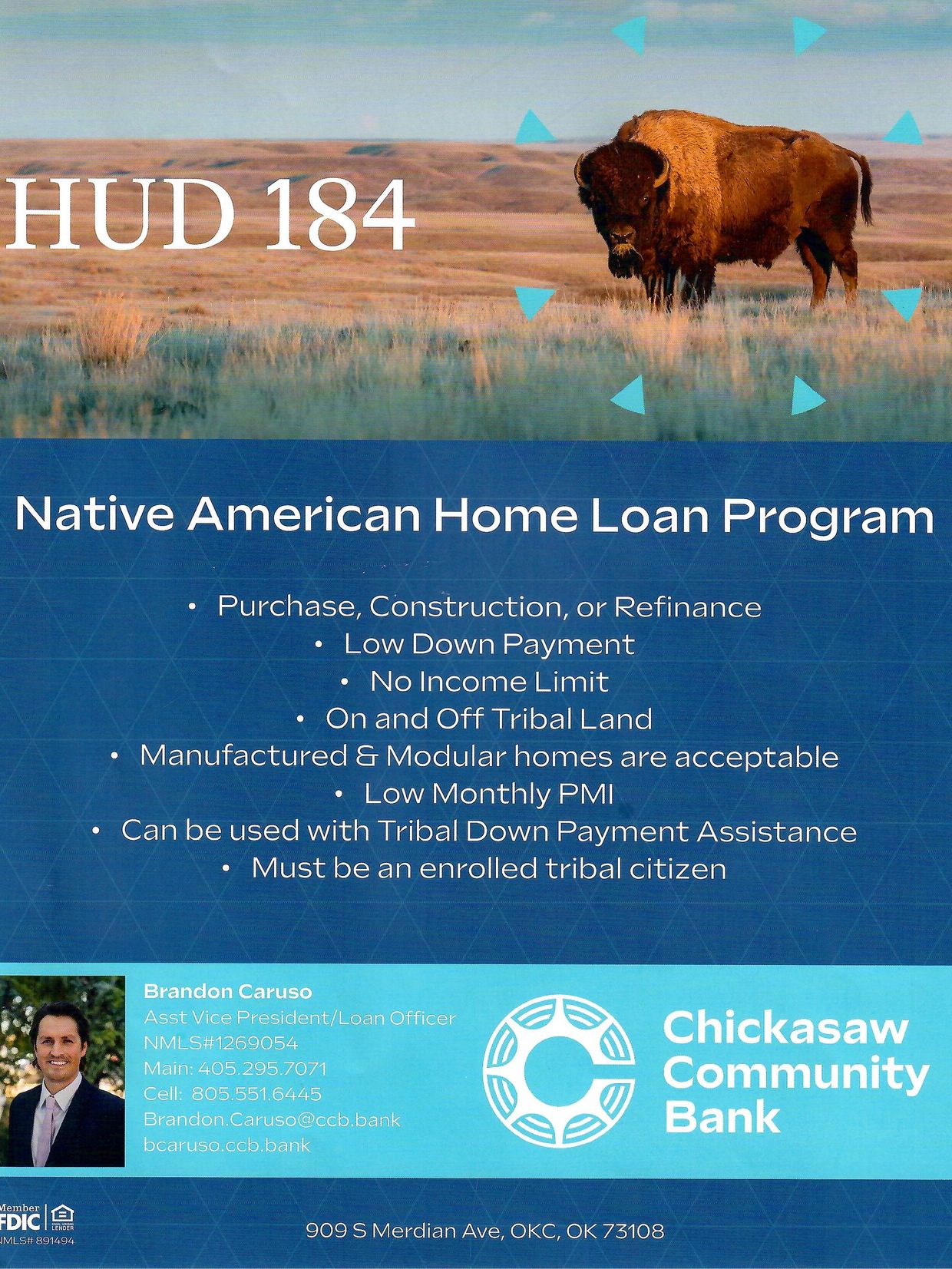
- Broad Eligibility: The loan can be used to purchase, construct, or rehabilitate homes, and even refinance existing mortgages, on and off trust lands, within eligible areas.
- No Income Limits: Unlike some other affordable housing programs, there are no income limits for HUD 184 loans, allowing a wider range of families to qualify.

Eligibility Criteria
To qualify for a HUD 184 loan, both the borrower and the property must meet specific criteria:
- Borrower Eligibility:
- You must be an enrolled member of a federally recognized American Indian Tribe or Alaska Native Village. Proof of tribal enrollment (e.g., tribal ID card, Certificate of Degree of Indian Blood) is required.
- You do not need to be a first-time homebuyer to qualify for a HUD 184 loan, but for the purpose of this guide, we’ll focus on the first-time homebuyer journey.
- Property Eligibility:
- The property must be located in an eligible area, which generally includes Indian Reservations, tribal trust lands, and approved off-reservation areas where the loan program is active. This can vary by state, so it’s crucial to confirm.
- Eligible property types include single-family homes, duplexes, triplexes, and fourplexes (if the borrower occupies one unit), manufactured homes (meeting specific HUD requirements), and approved condominiums.
Step-by-Step Guide for First-Time Homebuyers
Embarking on the journey to homeownership with a HUD 184 loan involves several key stages. Follow these steps for a smooth and successful experience.
Step 1: Determine Your Eligibility and Research
Before anything else, confirm you meet the fundamental borrower eligibility requirements (enrolled tribal member). Research which federally recognized tribes are eligible for the program, and whether the geographic area where you intend to buy a home is approved for HUD 184 loans. You can usually find this information on the HUD Office of Loan Guarantee website or by contacting an approved HUD 184 lender.
Step 2: Choose an Approved HUD 184 Lender
Not all lenders offer HUD 184 loans. It is crucial to work with a lender who is approved by HUD and has extensive experience with the Section 184 program, especially concerning properties on tribal lands. These lenders will understand the unique underwriting, appraisal, and closing requirements. Look for lenders with positive reviews and a strong track record in your community or region.
Step 3: Get Pre-Qualified or Pre-Approved
This is a critical early step. Pre-qualification gives you an estimate of what you might be able to borrow, while pre-approval involves a more thorough review of your financial situation, including a credit check, and results in a conditional commitment from a lender.
- Gather Necessary Documents: You’ll need to provide documents such as:
- Proof of tribal enrollment (e.g., tribal ID card).
- Pay stubs (most recent 30 days).
- W-2 forms (past two years).
- Tax returns (past two years, especially if self-employed).
- Bank statements (past two months).
- Statements for any other assets or debts.
- Identification (driver’s license, social security card).
- Benefits of Pre-Approval: A pre-approval letter strengthens your offer when you find a home, showing sellers you are a serious and qualified buyer. It also helps you understand your budget and avoid looking at homes outside your price range.
Step 4: Find Your Dream Home
With your pre-approval in hand, you can confidently start your home search.
- Work with a Real Estate Agent: Partner with a real estate agent who is knowledgeable about the local market and, ideally, has experience with HUD 184 loans and properties on tribal or trust lands. They can guide you through the process, help you find suitable properties, and negotiate on your behalf.
- Property Requirements: Ensure the homes you consider meet HUD’s minimum property standards (MPS) and are located in an eligible area. Your agent and lender can help verify this.
Step 5: Make an Offer and Sign the Purchase Agreement
Once you find a home you love, your real estate agent will help you prepare and submit an offer to the seller. If the seller accepts, you will sign a purchase agreement (also known as a sales contract or purchase and sale agreement), outlining the terms of the sale, including the price, contingencies, and closing date.
Step 6: Complete the Loan Application and Underwriting
After your offer is accepted, you will formally apply for the HUD 184 loan with your chosen lender. This stage involves a detailed review of all your financial information and the property itself.
- Document Submission: Your lender will collect all necessary documents to build your loan file. Be prepared to provide additional information if requested.
- Appraisal: An independent appraisal will be ordered to determine the home’s market value. For properties on tribal trust or restricted lands, the appraisal process can have specific requirements. The appraiser will need to understand the leasehold interest and any tribal land codes, ensuring the property meets HUD’s minimum property standards and tribal regulations.
- Home Inspection: While not always required by the lender for the loan, a home inspection is highly recommended for your protection. It identifies any potential issues with the property before you finalize the purchase.
- Title Examination: A title search will be conducted to ensure there are no liens, encumbrances, or other issues that could affect your ownership of the property. For properties on tribal lands, this may involve reviewing tribal land records and tribal consent documents.
- HUD Review: Unlike other loans, HUD 184 loans undergo an additional review by HUD’s Office of Loan Guarantee to ensure compliance with program guidelines.
Step 7: Obtain Final Loan Approval
Once the underwriting process is complete, and all conditions have been met (including the appraisal, title review, and HUD’s approval), your lender will issue a final loan approval. This means your loan is cleared to close.
Step 8: Attend Closing
The closing is the final step where you sign all the necessary documents to transfer ownership of the property and finalize your mortgage.
- Review Documents: Carefully review all closing documents, including the promissory note, mortgage or deed of trust, and the Closing Disclosure (which details all costs and credits).
- Sign Papers: You will sign numerous documents, legally binding you to the loan terms and transferring the property title to your name.
- Pay Closing Costs: You will typically need to bring funds to cover your closing costs, which usually range from 2% to 5% of the loan amount. Your lender will provide a Closing Disclosure well in advance, detailing these costs.
- Receive Keys: Once all documents are signed and funds are disbursed, you will officially become the homeowner and receive the keys to your new home!
Step 9: Post-Closing Responsibilities
Congratulations, you’re a homeowner! Your responsibilities now include:
- Making Mortgage Payments: Ensure your mortgage payments are made on time each month.
- Property Maintenance: Keep your home in good condition and address any necessary repairs.
- Property Taxes and Insurance: Ensure your property taxes and homeowner’s insurance (often paid through an escrow account with your mortgage) are current.
Key Considerations and Tips for Success
- Credit Score Management: While HUD 184 loans are more flexible, a higher credit score will always result in better terms. Work to improve your score by paying bills on time and reducing debt.
- Debt-to-Income Ratio (DTI): Lenders will assess your DTI to ensure you can comfortably afford your mortgage payments. Keep your existing debt low relative to your income.
- Saving for Down Payment & Closing Costs: Even with low down payment requirements, start saving early for the down payment and other associated closing costs.
- Homebuyer Education: As a first-time homebuyer, consider completing a homebuyer education course. Many lenders and non-profit organizations offer these courses, which can provide invaluable information about the home buying process, budgeting, and home maintenance.
- Patience is Key: The home buying process, especially with specialized loans or properties on tribal lands, can sometimes take longer than anticipated. Be patient, stay organized, and maintain open communication with your lender and real estate agent.
- Understand Tribal Land Nuances: If purchasing on tribal trust or restricted land, understand the concept of a leasehold interest (as opposed to fee simple ownership) and any specific tribal laws or regulations that may apply.
Common Pitfalls to Avoid
- Not Working with Experienced Professionals: An inexperienced lender or agent can lead to delays or even denial.
- Making Major Purchases: Avoid taking on new debt (like buying a car or furniture on credit) or making large purchases between pre-approval and closing, as this can affect your credit score and DTI.
- Ignoring Credit Issues: Be upfront with your lender about any credit challenges so they can advise you on the best path forward.
- Lack of Communication: Respond promptly to requests for documents or information from your lender. Delays can push back your closing date.
- Not Reading Documents Thoroughly: Always read and understand every document before you sign it, especially at closing. Don’t hesitate to ask questions.
Conclusion
The HUD Section 184 Indian Home Loan Guarantee Program is an exceptional resource for eligible first-time homebuyers within Native American and Alaska Native communities. By understanding the program’s unique features, diligently following each step of the process, and partnering with experienced professionals, you can confidently navigate the path to homeownership. With careful planning and informed decisions, the dream of owning your own home can become a reality.


