
Unlocking Homeownership: A Comprehensive Review of HUD 184 Lenders in Florida
Homeownership remains a cornerstone of the American dream, offering financial stability, wealth building, and a sense of belonging. However, for many, particularly within specific communities, navigating the complex landscape of mortgage loans can be daunting. The U.S. Department of Housing and Urban Development (HUD) Section 184 Indian Home Loan Guarantee Program stands as a vital resource, specifically designed to increase homeownership and access to capital for Native American and Alaska Native families, as well as their tribal governments.
In Florida, a state rich with diverse cultures and vibrant Native American communities like the Seminole and Miccosukee Tribes, the HUD 184 program holds particular relevance. This article will delve into a comprehensive review of HUD 184 lenders operating in Florida, examining the unique advantages and potential disadvantages of this specialized loan program, and ultimately providing a well-rounded recommendation for prospective homebuyers. Our aim is to equip Floridian Native Americans with the knowledge necessary to make informed decisions on their path to homeownership.
Understanding the HUD 184 Indian Home Loan Guarantee Program
Before evaluating the lenders, it’s crucial to understand the foundation: the HUD 184 program itself. Established in 1992, this program provides a loan guarantee to private lenders who make mortgage loans to eligible Native American and Alaska Native individuals, families, and tribal governments. This guarantee protects lenders from loss in the event of foreclosure, thereby encouraging them to offer more favorable terms than might otherwise be available.

Key features of the HUD 184 program include:
- Eligibility: Restricted to enrolled members of federally recognized Native American Tribes or Alaska Native Villages. The property must be located in an eligible area, which includes all tribal trust lands, individually allotted lands, and many other areas determined by HUD. In Florida, this means the program is accessible to members of the Seminole Tribe of Florida and the Miccosukee Tribe of Indians of Florida, among others, within their respective eligible jurisdictions and beyond.
- Low Down Payment: One of the most attractive features is the low down payment requirement – typically 1.25% of the loan amount for loans over $50,000. This significantly reduces the initial financial barrier to entry for many families.
- Flexible Credit Requirements: While a good credit history is always beneficial, HUD 184 lenders often have more flexible underwriting guidelines compared to conventional loans. They are encouraged to consider non-traditional credit references and a broader view of an applicant’s financial stability.
- Competitive Interest Rates: Because the loans are government-guaranteed, lenders can offer competitive, fixed interest rates, helping borrowers secure affordable monthly payments over the life of the loan.
- Mortgage Insurance Premium (MIP): Unlike conventional loans that might require private mortgage insurance (PMI), HUD 184 loans require an Upfront Mortgage Insurance Premium (UFMIP) and an annual Mortgage Insurance Premium (MIP). While these are costs, they are often structured to be more affordable than traditional PMI and ensure the program’s long-term viability.
- Loan Uses: The program supports a variety of loan purposes, including:
- Purchasing an existing home.
- Constructing a new home.
- Rehabilitating a home.
- Refinancing an existing mortgage.
- Purchasing and rehabilitating a home simultaneously.
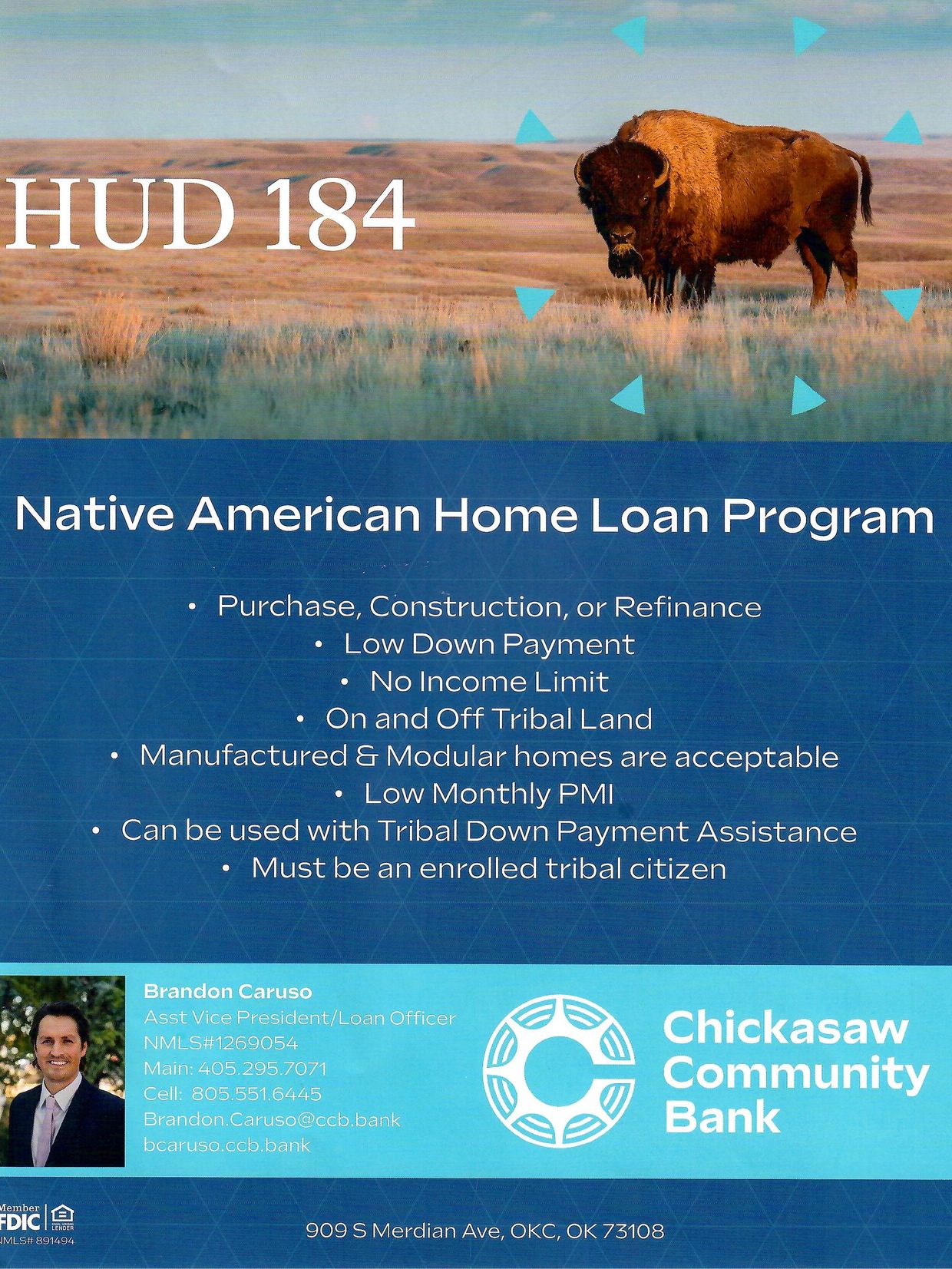
- Property Types: Eligible properties include single-family homes, 2-4 unit properties (if the borrower occupies one unit), condominiums, and manufactured homes permanently affixed to a foundation.
The Role of HUD 184 Lenders in Florida
While HUD sets the program guidelines, it is the approved private lenders who originate, underwrite, and service these loans. In Florida, these lenders range from national banks with HUD 184 divisions to smaller, specialized mortgage companies. Their expertise in the specific requirements of the HUD 184 program, combined with an understanding of the local Florida real estate market and its Native American communities, is paramount. A good HUD 184 lender acts as a crucial guide through a specialized process, ensuring compliance with both federal regulations and the unique cultural and logistical considerations that may arise, especially concerning tribal lands or community-specific dynamics.
Advantages (Pros) of HUD 184 Loans and Their Lenders in Florida
For eligible Floridian Native Americans, choosing a HUD 184 loan through an experienced lender offers several compelling benefits:
- Unparalleled Accessibility to Homeownership: The low 1.25% down payment is perhaps the most significant advantage. In Florida’s competitive housing market, where conventional down payments can be substantial, this drastically lowers the barrier to entry. This makes homeownership achievable for many who might otherwise be priced out.
- Affordable and Predictable Monthly Payments: HUD 184 loans typically offer fixed interest rates, providing stability and predictability in monthly mortgage payments over the loan term. This is a crucial financial planning tool, especially in an environment of fluctuating interest rates. While there is an annual MIP, it is often less burdensome than traditional PMI for similar loan-to-value ratios.
- Flexible Underwriting and Credit Considerations: HUD 184 lenders are trained to understand the unique financial situations of Native American families. They can be more accommodating of non-traditional credit histories, such as rent and utility payment records, and may have more flexible debt-to-income (DTI) ratio requirements compared to conventional loan programs. This inclusive approach opens doors for borrowers who might not fit the strict profiles of other loan types.
- Cultural Sensitivity and Specialized Expertise: Reputable HUD 184 lenders in Florida often have a deep understanding of the local Native American communities, including the Seminole and Miccosukee Tribes. This translates into loan officers who are not just knowledgeable about the program’s rules but also sensitive to cultural nuances, tribal governance structures, and the unique challenges and opportunities of homeownership on and off tribal lands in Florida. They can navigate issues like leasehold agreements on tribal lands more effectively.
- Broad Geographic Eligibility within Florida: The program is not limited to tribal trust lands. It can be used to purchase homes in many areas across Florida where eligible tribal members reside, from urban centers like Miami and Tampa to more rural settings, provided the property meets HUD’s standards. This flexibility allows borrowers to choose homes in locations that best suit their needs and preferences.
- Government-Backed Security: The HUD guarantee provides a layer of security for both the borrower and the lender. For the borrower, it means the program is stable and reliable. For the lender, it reduces risk, which encourages them to offer more favorable terms.
- Versatility in Loan Uses: Whether a borrower wants to buy an existing home, build a new one from the ground up, make significant repairs, or refinance an existing mortgage to more favorable terms, the HUD 184 program offers options. This comprehensive approach addresses various housing needs throughout a homeowner’s journey.
- No Loan Term Limits: Unlike some other specialized programs, there are no specific loan term limits within the HUD 184 program, allowing for standard 15-year or 30-year fixed-rate mortgages, giving borrowers flexibility in choosing a payment schedule that works for them.
Disadvantages (Cons) of HUD 184 Loans and Their Lenders in Florida
While the HUD 184 program offers significant advantages, it’s also important to acknowledge its limitations and potential drawbacks, particularly when dealing with lenders in a specific market like Florida:
- Limited Lender Availability: One of the most significant challenges is the relatively small pool of approved HUD 184 lenders compared to conventional, FHA, or VA loan programs. In Florida, while some national lenders operate, finding a truly experienced and locally focused HUD 184 lender might require more research. This limited competition can sometimes affect the speed of processing or the availability of the absolute lowest rates.
- Strict Eligibility Requirements: The program’s benefits are exclusive to enrolled members of federally recognized tribes. This means a vast majority of the general population in Florida, even those in need of housing assistance, are not eligible, making it a highly niche product.
- Perceived Complexity and Longer Processing Times: Due to the specialized nature of the program, the underwriting process can sometimes feel more intricate and potentially take longer than a standard conventional loan. Lenders must adhere to specific HUD 184 guidelines, which can involve more paperwork, unique property requirements, and specific tribal verification steps, potentially extending closing timelines.
- Mandatory Mortgage Insurance Premium (MIP): While often more affordable than traditional PMI, the Upfront Mortgage Insurance Premium (UFMIP) and the annual MIP are required for the life of the loan (unless a large down payment of 10% or more is made at closing, which is rare for this program). This is an added cost that increases the overall expense of the mortgage, unlike conventional loans where PMI can be removed once sufficient equity is built.
- Property Requirements and Inspections: Homes financed through HUD 184 must meet specific HUD Minimum Property Standards (MPS). This might necessitate repairs or improvements before closing, adding time and cost. While these standards ensure safety and habitability, they can sometimes disqualify properties or delay the process if significant work is required.
- Geographic Limitations (Within Eligible Areas): While broad, the program is still confined to "eligible areas" designated by HUD. While most of Florida is eligible, specific parcels or unique property types might present challenges that require careful verification with the lender.
- Appraisal Challenges: Appraisers must be familiar with HUD 184 guidelines and understand how to value properties, especially on tribal lands or in areas with unique community dynamics. Finding an appraiser with this specialized knowledge in certain parts of Florida could potentially cause delays or require additional lender oversight.
- Lack of Lender Familiarity (for some): Even within the pool of approved lenders, the depth of experience with HUD 184 can vary. Some loan officers might be less familiar with the nuances of the program compared to those specializing in it, potentially leading to missteps or slower processing. It’s crucial for borrowers to seek out lenders with proven track records in HUD 184.
- Closing Costs Still Apply: Despite the low down payment, borrowers are still responsible for various closing costs, including origination fees, appraisal fees, title insurance, and other charges. These can amount to several thousand dollars and must be factored into the overall budget.
Recommendation: Choosing the Right HUD 184 Lender in Florida
For eligible Floridian Native Americans considering the HUD 184 program, the recommendation is unequivocally positive, provided you partner with the right lender. The program is an invaluable tool for achieving homeownership, offering unique advantages tailored to your community’s needs. However, the success of your home-buying journey hinges significantly on your choice of lender.
Here’s a comprehensive guide to making the best choice:
- Prioritize Experience and Specialization: Seek lenders who actively specialize in HUD 184 loans, not just those who offer it as one of many products. Inquire about their volume of HUD 184 loans closed, their average closing times for these loans, and their specific experience with Florida’s Native American communities (Seminole, Miccosukee, etc.).
- Local Florida Knowledge is Key: A lender with a strong presence and understanding of the Florida real estate market, including specific tribal lands and surrounding eligible areas, is invaluable. They will be more familiar with local property types, appraisal nuances, and any regional or tribal-specific requirements.
- Assess Communication and Customer Service: The HUD 184 process can have its complexities. Choose a lender and loan officer who are responsive, clear communicators, patient in explaining each step, and proactive in keeping you updated. Read reviews and seek testimonials about their customer service.
- Compare Rates and Fees Transparently: While HUD 184 offers competitive rates, don’t assume all lenders offer the same. Obtain Loan Estimates from multiple HUD 184 approved lenders. Pay close attention not just to the interest rate but also to all fees (origination, processing, underwriting, etc.) and the total cost of the annual MIP.
- Verify Cultural Sensitivity and Understanding: A lender who demonstrates an understanding and respect for Native American culture and tribal structures will provide a much smoother and more comfortable experience. Ask about their training and experience working with tribal members.
- Look for a Proactive Problem-Solver: In any mortgage process, issues can arise. A good lender will anticipate potential challenges (e.g., property condition, appraisal on tribal land) and have strategies to address them efficiently.
- Pre-Approval is Essential: Before seriously looking at homes, get pre-approved by your chosen HUD 184 lender. This clarifies your budget, strengthens your offer to sellers, and streamlines the subsequent steps once you find a property.
In summary: The HUD 184 Indian Home Loan Guarantee Program is an exceptional resource for eligible Native American individuals and families in Florida. Its low down payment, flexible underwriting, and competitive rates are powerful tools for achieving homeownership. While there are considerations regarding lender availability and process nuances, these can be effectively navigated by diligently selecting a specialized, experienced, and culturally sensitive HUD 184 lender in Florida. With the right partner, the dream of owning a home in the Sunshine State is well within reach.


