
How to Report a Fraudulent Native American Lender: A Professional Guide
The rise of online lending has provided quick access to funds for many, but it has also opened the door to predatory and fraudulent practices. Among these, some lenders falsely claim affiliation with Native American tribes to exploit the concept of tribal sovereignty, attempting to evade state and federal consumer protection laws. These entities often engage in practices such as charging exorbitant interest rates, imposing hidden fees, or using aggressive collection tactics.
This comprehensive guide provides a step-by-step approach for consumers who believe they have been victimized by a fraudulent "Native American" lender. It aims to empower you with the knowledge and resources to report these deceptive practices effectively and protect your financial well-being.
Important Disclaimer: It is crucial to understand that not all lenders operating under tribal law are fraudulent. Legitimate tribal lenders operate under the laws of their sovereign nations, which may differ from state laws. This guide specifically addresses fraudulent entities that either falsely claim tribal affiliation or engage in deceptive and illegal practices under the guise of tribal lending, preying on consumers. Our focus is on reporting outright fraud and deceptive practices, not legitimate tribal lending operations.
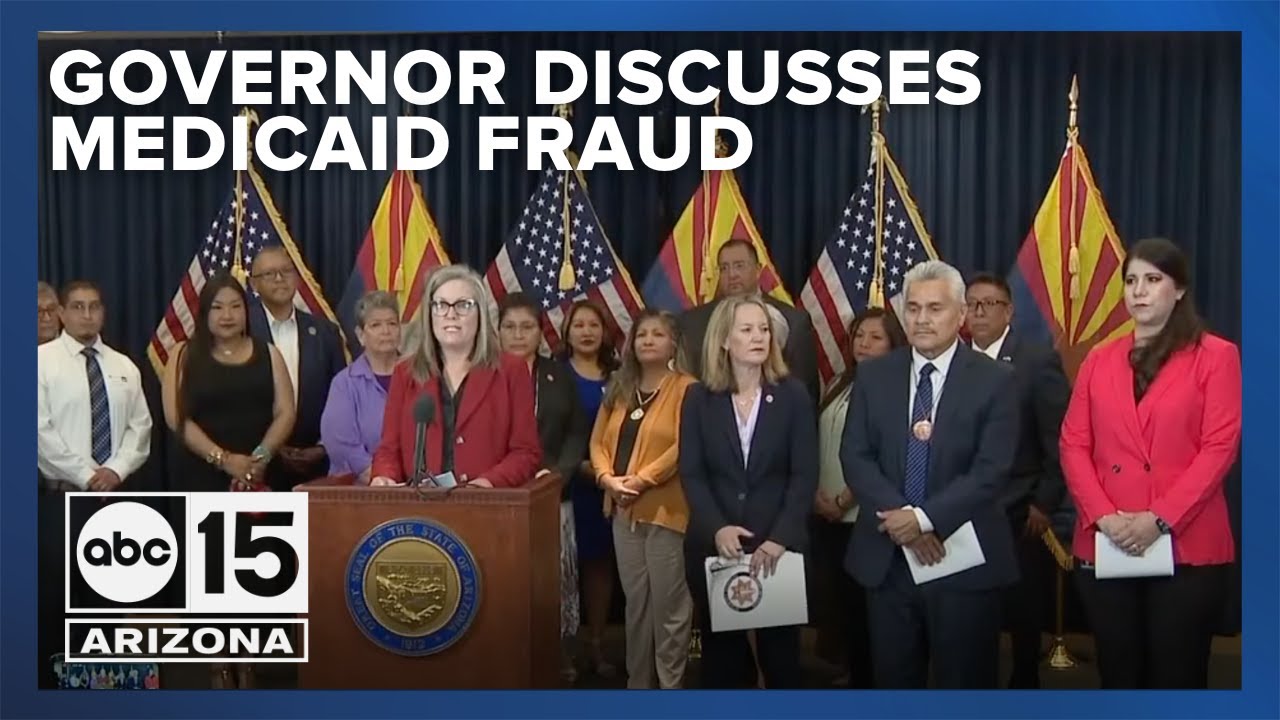
Understanding the Landscape: Tribal Sovereignty vs. Fraud
Before delving into the reporting process, it’s essential to grasp the complex legal landscape surrounding tribal lending. Native American tribes are recognized as sovereign nations by the U.S. government, granting them certain immunities, including immunity from state laws in many contexts. This sovereign immunity is often cited by tribal lenders to argue they are not subject to state usury laws (laws limiting interest rates) or other consumer protection regulations.
However, a distinction must be made:
- Legitimate Tribal Lenders: These are entities genuinely owned and operated by a federally recognized Native American tribe, subject to tribal law, and often overseen by a tribal regulatory body. While their terms might differ from state-licensed lenders, they operate within a defined legal framework.
- Fraudulent or "Rent-a-Tribe" Schemes: These involve non-tribal entities that establish a superficial affiliation with a tribe, often for a fee, solely to claim sovereign immunity and avoid state and federal consumer protection laws. These schemes are frequently challenged in courts and by regulatory bodies. Furthermore, outright fraudulent entities may simply claim tribal affiliation without any legitimate connection, purely as a deceptive tactic.
This guide primarily focuses on reporting the latter – lenders engaging in deceptive, fraudulent, or illegal practices, particularly those misrepresenting their tribal affiliation or operating outside any legitimate regulatory framework.
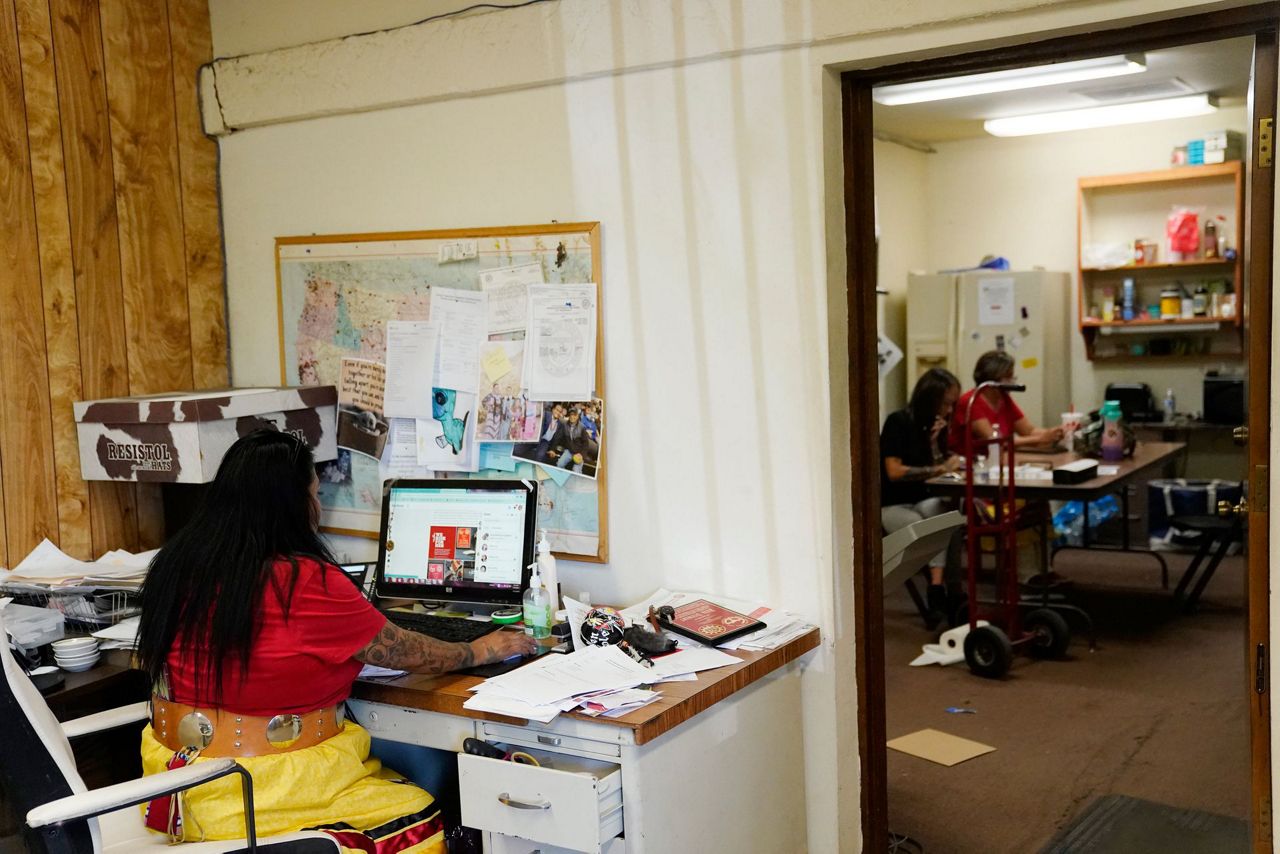
Step 1: Gather Comprehensive Documentation
The cornerstone of any successful fraud report is irrefutable evidence. Before contacting any agency, dedicate time to compile all relevant documents and communications. The more detailed and organized your evidence, the stronger your case will be.
What to Collect:
-
Loan Agreements and Disclosures:
- All pages of the original loan agreement: This is paramount. It should include the lender’s name, address, contact information, loan amount, interest rate (APR), repayment schedule, and all terms and conditions.
- Any amendments or modifications: If terms changed, ensure you have documentation.
- Truth in Lending Act (TILA) disclosures: These detail the cost of the loan.
-
Bank Statements:
- Statements showing the loan deposit: Proof that you received the funds.
- Statements showing all payments made: Document every deduction from your account, including dates and amounts. Highlight these transactions clearly.
- Statements showing unauthorized debits: If the lender took more than agreed or after you ceased authorization, mark these.
-
Correspondence and Communications:
- Emails: Save all emails from the lender, including promotional emails, approval notices, payment reminders, and any responses to your inquiries or complaints.
- Chat logs: If you communicated via online chat, save transcripts.
- Call recordings (if legal in your state): If you recorded phone calls, ensure you comply with two-party consent laws where applicable.
- Letters or physical mail: Keep any paper correspondence.
-
Lender Information:
- Website screenshots: Capture the lender’s website, including "About Us" pages, contact information, terms and conditions, and any claims of tribal affiliation. Note the URL and date of the screenshot.
- Company name(s): The name used in the loan agreement, on their website, and any names appearing on your bank statements (they may differ).
- Physical address (if available): Even if a P.O. Box.
- Phone numbers, email addresses.
-
Your Own Records:
- A detailed timeline of events: Document when you applied, when you received funds, when payments were made, when issues arose, and when you attempted to contact the lender.
- Notes from phone calls: Dates, times, names of representatives, and summaries of conversations.
Organization Tips:
- Digital Folder: Create a dedicated digital folder for all documents. Use clear file names (e.g., "LoanAgreement_LenderName_Date.pdf," "BankStatement_MonthYear.pdf").
- Physical Folder: Print copies of everything and keep them in a well-organized physical folder.
- Backup: Store your digital files on a cloud service or external drive.
Step 2: Cease Payments and Secure Your Finances
If you suspect fraud or are being subjected to unauthorized debits, your immediate priority should be to stop payments and protect your bank account.
-
Contact Your Bank Immediately:
- Revoke ACH Authorization: Inform your bank in writing (and follow up with a phone call) that you are revoking authorization for the lender to debit your account. This is a crucial right under federal law (15 U.S. Code § 1693e).
- Dispute Unauthorized Transactions: If the lender has already taken unauthorized payments or more than agreed upon, dispute these transactions with your bank. Provide them with your documentation.
- Consider a New Account: If the debits persist or you fear further unauthorized access, consider closing the compromised account and opening a new one. This is a drastic but sometimes necessary step.
-
Understand Potential Consequences:
- Stopping payments may lead to negative credit reporting from the lender or their collection agencies.
- You might receive aggressive collection calls or threats. It’s important to know your rights under the Fair Debt Collection Practices Act (FDCPA), which applies to third-party debt collectors. Fraudulent lenders often operate outside these laws.
Step 3: Report to Federal Regulatory Bodies
Several federal agencies are equipped to handle complaints about fraudulent lending practices, particularly those involving interstate commerce and deceptive practices.
3.1. Consumer Financial Protection Bureau (CFPB)
The CFPB is a federal agency responsible for protecting consumers in the financial marketplace. They handle complaints related to various financial products and services, including payday loans and online lending.
- What to Report: Deceptive advertising, unfair terms, unauthorized debits, harassment, or any other fraudulent activity.
- How to Report:
- Online Portal: Visit consumerfinance.gov/complaint/. This is the most efficient method.
- Phone: Call (855) 411-CFPB (2372).
- What to Include:
- A clear, concise summary of your experience, including dates and specific events.
- The name(s) of the lender and any associated companies.
- All relevant documentation (loan agreement, bank statements, communications). You can upload these directly to the online portal.
- Clearly state that you believe the lender is fraudulently claiming tribal affiliation or engaging in deceptive practices.
The CFPB will forward your complaint to the company and work to get a response, often publishing complaints to their public database (anonymously). They also use complaints to identify patterns of abuse and inform enforcement actions.
3.2. Federal Trade Commission (FTC)
The FTC is the nation’s primary consumer protection agency, focusing on unfair, deceptive, and fraudulent business practices.
- What to Report: General fraud, deceptive marketing, identity theft, and unfair debt collection practices. There’s often overlap with the CFPB, and reporting to both is recommended.
- How to Report:
- Online Portal: Visit reportfraud.ftc.gov.
- Phone: Call 1-877-FTC-HELP (1-877-382-4357).
- What to Include: Similar information as for the CFPB. Be specific about the deceptive claims made by the lender, especially regarding tribal affiliation or legality.
The FTC uses complaints to investigate and bring enforcement actions against companies violating consumer protection laws.
3.3. Federal Bureau of Investigation (FBI) / Internet Crime Complaint Center (IC3)
For cases involving significant financial loss, identity theft, or organized criminal activity, reporting to law enforcement may be appropriate.
- What to Report: Large-scale fraud, identity theft, cybercrime related to the loan, or if you suspect a criminal enterprise.
- How to Report:
- IC3: File a complaint online at ic3.gov. This is a partnership between the FBI, the National White Collar Crime Center (NW3C), and the Bureau of Justice Assistance (BJA).
- Local FBI Field Office: For more direct contact, especially if you have highly sensitive information or believe you are part of a larger criminal investigation.
- What to Include: Provide all details and documentation, emphasizing the criminal aspects of the fraud (e.g., identity theft, threats, large-scale deception).
Step 4: Contact State Regulators
While fraudulent "Native American" lenders often claim immunity from state laws, state attorneys general and financial regulators play a crucial role in consumer protection and can investigate fraudulent activity.
4.1. Your State Attorney General (AG)
State Attorneys General are the chief legal officers of their respective states and often have a consumer protection division.
- What to Report: Predatory lending, deceptive business practices, fraud, and violations of state consumer protection laws. Even if a lender claims tribal immunity, the AG’s office might investigate if the lender’s activities extend off-reservation or if the tribal affiliation is fraudulent.
- How to Report:
- State AG Website: Find your state’s Attorney General’s office website (e.g., search " Attorney General consumer complaint").
- Online Complaint Form: Most AG offices have an online form specifically for consumer complaints.
- What to Include: All documentation, a clear narrative of the fraudulent activity, and emphasize any connection to your state (e.g., you reside in the state, the lender targeted residents of your state).
4.2. State Financial Regulators
Each state typically has a department or division responsible for regulating financial institutions, such as a Department of Financial Institutions, Department of Banking, or Office of the Commissioner of Financial Regulation.
- What to Report: Unlicensed lending (if the lender is not truly tribal or is operating outside tribal jurisdiction), violations of state lending laws, and consumer fraud.
- How to Report:
- State Regulatory Website: Search for " Department of Financial Institutions" or similar.
- Online Complaint Form: Submit a complaint through their designated portal.
- What to Include: Focus on the lender’s lack of state licensing (if applicable) and any violations of state-specific lending regulations.
Step 5: Notify Your Bank or Credit Union
As mentioned in Step 2, directly informing your own financial institution is critical for immediate financial protection.
- What to Report: Unauthorized transactions, fraudulent debits, or any attempts by the lender to access your account without permission.
- How to Report:
- Fraud Department: Contact your bank’s fraud or dispute department.
- Provide Documentation: Submit copies of your loan agreement, bank statements highlighting fraudulent charges, and any communications where you revoked authorization.
- Action Your Bank Can Take: Your bank can help you dispute charges, place stop payments, and potentially close your account if necessary. They may also launch their own internal investigation.
Step 6: Seek Legal Counsel
Dealing with fraudulent lenders, especially those leveraging tribal sovereignty claims, can involve complex legal issues. Consulting with an attorney specializing in consumer protection or predatory lending is highly recommended.
6.1. Why You Need Legal Counsel:
- Expertise in Complex Laws: Attorneys can navigate the intricacies of federal, state, and tribal laws, including sovereign immunity defenses.
- Advocacy: They can represent you in negotiations, arbitration, or court, helping you recover funds, cancel illegal debts, or defend against collection efforts.
- Understanding Your Rights: They can advise you on your rights under the Truth in Lending Act (TILA), Electronic Fund Transfer Act (EFTA), Fair Debt Collection Practices Act (FDCPA), and state consumer protection statutes.
6.2. How to Find Legal Help:
- National Association of Consumer Advocates (NACA): This organization has a directory of attorneys specializing in consumer law. Visit consumeradvocates.org.
- State Bar Association: Your state bar association can provide referrals to attorneys specializing in consumer law.
- Legal Aid Societies: If you meet income requirements, local legal aid organizations may offer free or low-cost legal services.
- Consumer Protection Attorneys: Search online for "consumer protection attorney" or "predatory lending lawyer" in your state. Look for firms with experience challenging tribal lending models or fraudulent online lenders.
Step 7: Consider Consumer Advocacy Groups
Several non-profit organizations are dedicated to fighting predatory lending and supporting consumers. While they may not offer direct legal representation, they can provide valuable resources, advice, and advocacy.
- National Consumer Law Center (NCLC): NCLC is a non-profit organization that works to protect vulnerable consumers. Their website (nclc.org) offers extensive information and resources on predatory lending.
- Local Consumer Advocacy Groups: Search for consumer advocacy groups in your state or city.
These groups often collect data on fraudulent lenders, publish reports, and lobby for stronger consumer protections, contributing to a broader effort against these practices.
Protecting Yourself Moving Forward
After reporting the fraud, take proactive steps to safeguard your financial future:
- Monitor Your Credit Report: Obtain free copies of your credit report annually from annualcreditreport.com to check for any unauthorized accounts or negative entries related to the fraudulent lender.
- Place a Fraud Alert: Consider placing a fraud alert on your credit reports with the three major credit bureaus (Equifax, Experian, TransUnion). This makes it harder for identity thieves to open new accounts in your name.
- Be Wary of Future Offers: Exercise extreme caution with unsolicited loan offers, especially those promising quick cash with no credit check.
- Educate Yourself: Understand the signs of predatory lending and the importance of verifying a lender’s legitimacy and licensing before engaging.
Conclusion
Reporting a fraudulent "Native American" lender is a multi-faceted process that requires diligence, patience, and a systematic approach. By gathering comprehensive documentation and leveraging the appropriate federal and state regulatory bodies, as well as seeking expert legal counsel, you can effectively challenge these deceptive practices. Your actions not only protect your own financial well-being but also contribute to the broader effort to hold fraudulent entities accountable and safeguard other consumers from similar exploitation. Do not hesitate to act – your voice is crucial in the fight against financial fraud.


