
Unlocking Homeownership: A Comprehensive Guide to Qualifying for the HUD Section 184 Indian Home Loan Guarantee Program
The dream of homeownership is a cornerstone of the American experience, offering stability, wealth building, and a sense of belonging. However, for many, particularly within Native American and Alaska Native communities, historical and systemic barriers have made this dream more elusive. Recognizing this disparity, the U.S. Department of Housing and Urban Development (HUD) established the Section 184 Indian Home Loan Guarantee Program. This unique and vital program is designed to increase homeownership opportunities for eligible Native Americans and Alaska Natives by providing a guarantee to private lenders, thereby reducing risk and making loans more accessible.
This comprehensive guide will delve into the intricacies of the HUD Section 184 loan, detailing the qualification process, highlighting its distinct advantages and potential drawbacks, and ultimately offering a recommendation for those considering this powerful pathway to homeownership.
Understanding the HUD Section 184 Loan
Before diving into the qualification specifics, it’s crucial to understand what the Section 184 program is and how it functions. Unlike direct loan programs, HUD Section 184 is a loan guarantee program. This means that HUD doesn’t lend money directly to borrowers. Instead, it guarantees loans made by private lenders (banks, credit unions, mortgage companies) to eligible Native American and Alaska Native individuals, tribes, and Tribally Designated Housing Entities (TDHEs). This guarantee protects lenders against potential losses, making them more willing to lend to borrowers who might not qualify for conventional financing.
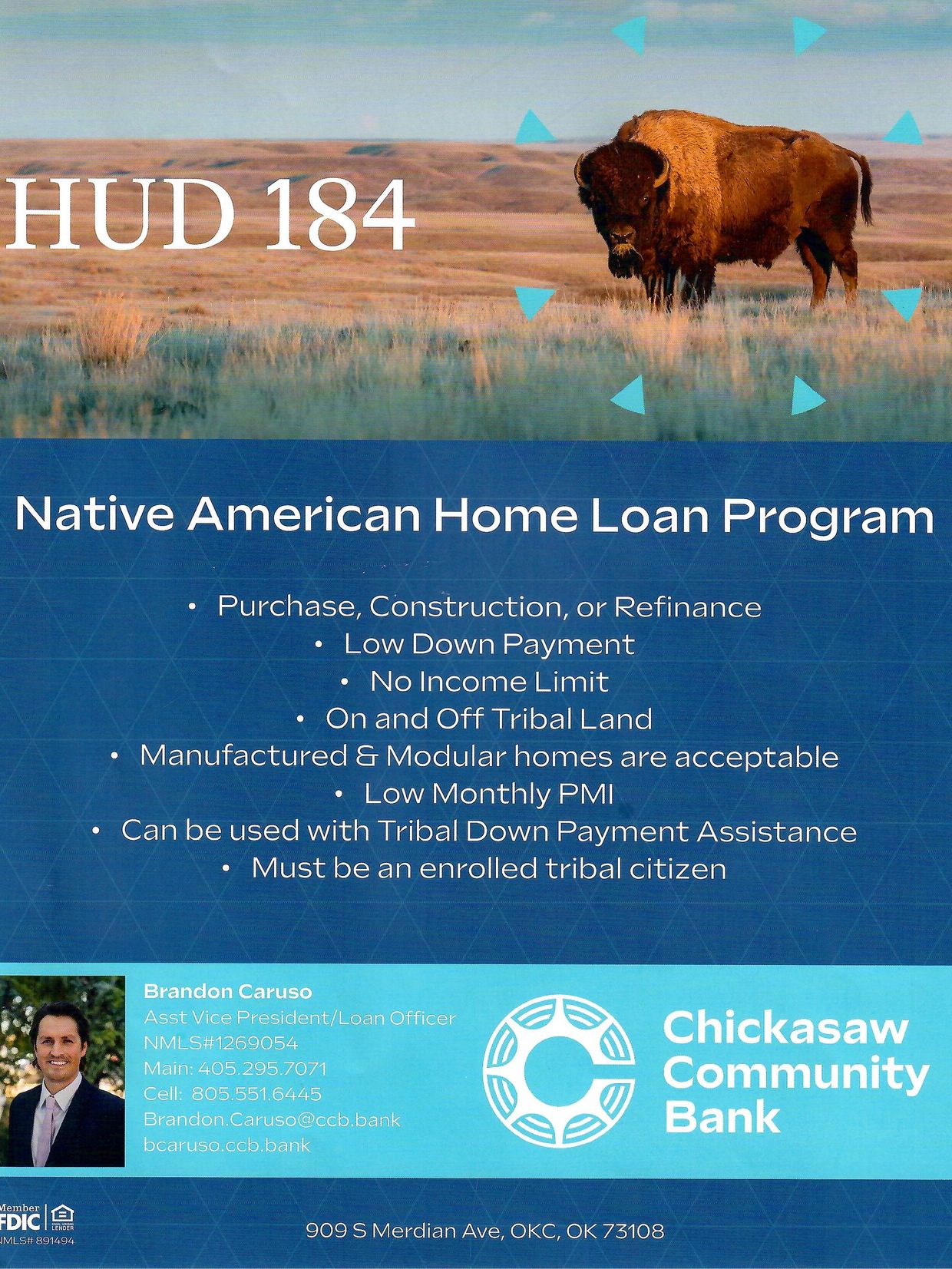
The program’s primary objective is to facilitate homeownership and access to capital in Native American and Alaska Native communities, both on and off reservations. It recognizes the unique land tenure systems, particularly trust land, and offers a flexible financing solution tailored to these specific circumstances.
How to Qualify for a HUD Section 184 Loan
Qualifying for a HUD Section 184 loan involves meeting specific criteria related to your identity, the property you intend to purchase, and your financial standing. While the process shares similarities with other mortgage programs, it has distinct requirements that set it apart.
1. Borrower Eligibility: Who Can Apply?
The most fundamental requirement for a HUD Section 184 loan is your identity:
- Native American or Alaska Native: You must be an enrolled member of a federally recognized American Indian or Alaska Native tribe. This is a non-negotiable requirement.
- Proof of Enrollment: Lenders will require documentation such as a tribal enrollment card or a letter from your tribe verifying your membership.
- Spouses: If you are married to a non-Native American individual, you can still apply for the loan jointly. As long as one borrower meets the tribal enrollment requirement, the household is eligible.
- Tribal Entities: Federally recognized tribes and Tribally Designated Housing Entities (TDHEs) are also eligible to apply for these loans for housing development purposes.

2. Property Eligibility: What Kind of Home Can You Buy?
The property you wish to purchase must also meet certain criteria:
- Primary Residence: The home must be your primary residence. Investment properties or vacation homes are not eligible.
- Property Types:
- Single-Family Homes: The most common type.
- Condominiums: Must be in HUD-approved projects.
- Manufactured Homes: Must be permanently affixed to the land and meet specific HUD standards, including foundation requirements.
- New Construction: The program can finance the construction of a new home.
- Existing Homes: Purchasing an already built home.
- Refinancing: You can refinance an existing mortgage through the Section 184 program, potentially lowering your interest rate or converting to a more flexible loan type.
- Location: The property must be located in an area that HUD has approved for Section 184 lending. While this primarily includes reservation lands, many off-reservation areas are also approved, particularly those near tribal communities or with significant Native American populations. It’s essential to confirm the property’s eligibility with an approved lender.
- Appraisal and Standards: The property must undergo an appraisal by a HUD-approved appraiser and meet HUD’s minimum property standards, ensuring it is safe, sound, and sanitary.
3. Financial Requirements: Your Ability to Repay
While HUD Section 184 is known for its flexibility, borrowers still need to demonstrate a reasonable ability to repay the loan:
- Credit History:
- Flexibility: This is one of the program’s significant advantages. While a good credit score is always beneficial, Section 184 is generally more forgiving than conventional loans. There isn’t a strict minimum credit score requirement set by HUD. Instead, lenders are encouraged to look at the borrower’s overall credit history, including non-traditional credit references (like rental history or utility payments) if a traditional credit report is thin or problematic.
- Responsible Payment History: Lenders will still look for a history of making payments on time, demonstrating financial responsibility. Bankruptcies and foreclosures typically require a waiting period, similar to FHA loans, but can be overcome with a history of re-established credit.
- Debt-to-Income (DTI) Ratio:
- Lenders will calculate your DTI ratio, which compares your total monthly debt payments (including the new mortgage) to your gross monthly income.
- While specific thresholds can vary by lender, a typical maximum DTI for Section 184 loans is around 41-43%, though exceptions can sometimes be made for strong compensating factors.
- Income Stability:
- You must have a stable and verifiable income to support your mortgage payments. This can come from employment, self-employment, social security, disability, tribal per capita payments (if documented as stable), or other reliable sources.
- Lenders typically require two years of consistent income history.
- Down Payment:
- Low Down Payment: This is another major benefit. The minimum down payment is typically 1.25% of the loan amount for loans over $50,000, and just 2.25% for loans under $50,000.
- Sources: The down payment can come from personal savings, gifts from family members, or tribal assistance programs.
- Closing Costs:
- Closing costs can be financed into the loan amount up to the loan-to-value (LTV) limit, gifted, or paid by the seller (up to 6% of the sales price). This significantly reduces the out-of-pocket expenses for borrowers.
- Cash Reserves: While not always strictly required, having some cash reserves after closing is generally viewed favorably by lenders as it demonstrates financial stability.
4. The Application Process: Step-by-Step
Once you understand the requirements, here’s a general overview of the application process:
- Find an Approved Lender: This is the critical first step. Not all mortgage lenders offer HUD Section 184 loans. You’ll need to find a lender specifically approved by HUD to originate these loans. HUD maintains a list of approved lenders on its website.
- Pre-Qualification/Pre-Approval: Work with your chosen lender to get pre-qualified or pre-approved. This involves providing initial financial information and tribal enrollment verification, allowing the lender to estimate how much you can afford.
- Home Search: With your pre-approval in hand, you can confidently search for a home within your budget.
- Application Submission: Once you find a home, your lender will guide you through completing a full loan application, which will include submitting all necessary documentation (tribal ID, income statements, tax returns, bank statements, etc.).
- Underwriting and HUD Endorsement: The lender will underwrite your loan. After the lender approves it, the loan package is sent to HUD for final endorsement, ensuring it meets all program requirements. This HUD review adds an extra layer of scrutiny but ensures program integrity.
- Appraisal and Inspections: A HUD-approved appraiser will assess the home’s value and ensure it meets property standards. It’s also highly recommended to get an independent home inspection.
- Closing: Once all conditions are met and HUD has endorsed the loan, you’ll sign the final paperwork and officially become a homeowner!
Advantages (Pros) of the HUD Section 184 Loan
The HUD Section 184 loan program offers a suite of benefits specifically tailored to address the needs of Native American and Alaska Native borrowers:
- Low Down Payment: The minimum down payment of 1.25% or 2.25% is significantly lower than many conventional loans (often 3-20%) and even lower than FHA loans (3.5%). This makes homeownership accessible to those with limited savings.
- Flexible Credit Requirements: As discussed, the program emphasizes a holistic view of credit history, allowing for more flexibility than conventional loans. This is invaluable for borrowers with past credit challenges or limited traditional credit.
- Competitive Interest Rates: HUD Section 184 interest rates are often fixed and comparable to or even better than FHA loan rates, making monthly payments more affordable and predictable.
- Lower Mortgage Insurance Premiums (MIP): While mortgage insurance is required, the annual MIP for Section 184 loans is typically lower than FHA loans, translating to lower monthly housing costs. The upfront guarantee fee (UFMIP) can also be financed into the loan.
- Ability to Finance Closing Costs: Borrowers can finance certain closing costs into the loan, further reducing the cash needed upfront at closing.
- Seller Contributions Allowed: Sellers are permitted to contribute up to 6% of the sales price towards the buyer’s closing costs, which can be a significant help.
- No Loan Limits in Many Areas: Unlike FHA and conventional loans, which have county-specific loan limits, Section 184 often has higher or no specific loan limits in tribal areas, allowing for financing of more expensive homes where needed.
- Culturally Sensitive Program: The program is designed with an understanding of tribal land issues, including trust land, and aims to support economic development and self-determination within Native communities.
- Refinancing Options: Existing homeowners can use the program to refinance their current mortgage, potentially securing better terms or accessing equity.
Disadvantages (Cons) of the HUD Section 184 Loan
While highly beneficial, the HUD Section 184 program does come with a few limitations:
- Limited Number of Approved Lenders: Not all banks or mortgage companies offer Section 184 loans. Finding a lender familiar with the program can sometimes be challenging, especially in areas with smaller Native American populations. This can limit comparison shopping.
- Eligibility Restrictions: The program is exclusively for enrolled members of federally recognized American Indian or Alaska Native tribes, which, by design, limits its reach to the broader population.
- Geographic Restrictions: While many areas are approved, properties must be located within designated tribal areas or approved off-reservation areas. This means not every property in every location is eligible.
- HUD Approval Process: The additional step of HUD endorsement for each loan can sometimes add a few extra days or weeks to the overall closing timeline compared to a purely conventional loan.
- Property Standards: Homes must meet HUD’s minimum property standards, which can sometimes require repairs or improvements before a loan can be approved, particularly for older homes.
- Mortgage Insurance Required: Although lower than FHA, mortgage insurance (both upfront and annual) is still a mandatory component, adding to the overall cost of the loan.
- Less Awareness: Some real estate agents or sellers may be less familiar with the HUD Section 184 program, which can sometimes lead to misunderstandings or longer negotiations if they are not properly informed.
Recommendation
For eligible individuals – enrolled members of federally recognized American Indian or Alaska Native tribes, and their spouses – the HUD Section 184 Indian Home Loan Guarantee Program is unequivocally one of the most advantageous and highly recommended home financing options available.
Its low down payment, flexible credit underwriting, competitive interest rates, and lower mortgage insurance premiums create an accessible pathway to homeownership that is often unmatched by other loan programs. The program’s design specifically addresses historical barriers faced by Native communities, offering a powerful tool for economic empowerment and wealth creation.
Who should strongly consider this loan?
- First-time homebuyers: The low down payment and flexible credit make it ideal for those entering the housing market.
- Individuals with limited savings: The minimal upfront cash requirement is a significant advantage.
- Borrowers with less-than-perfect credit history: The program’s emphasis on overall financial responsibility rather than strict credit scores can be a game-changer.
- Anyone seeking to purchase a home on tribal trust land: This program is uniquely suited to navigate the complexities of financing on these lands.
- Homeowners looking to refinance: It can offer better terms or more flexible options than their current mortgage.
Our recommendation is to actively seek out and engage with a HUD-approved Section 184 lender. These specialists are well-versed in the program’s nuances and can provide invaluable guidance throughout the qualification and application process. Don’t let the "disadvantages" deter you; with the right lender, these are manageable hurdles on the path to securing a stable and affordable home. The benefits far outweigh the challenges for those who qualify, making the HUD Section 184 loan a truly transformative resource for Native American and Alaska Native homeownership.


