How To Apply For Native American Home Loans: A Professional Step-by-Step Guide
Securing a home loan can be a complex process, but for eligible Native Americans, specialized programs offer unique advantages designed to foster homeownership within tribal communities and beyond. These programs address specific challenges, such as land ownership on tribal trust lands, and aim to make homeownership more accessible. This comprehensive guide will walk you through the process of applying for Native American home loans, primarily focusing on the HUD Section 184 Indian Home Loan Guarantee Program and the VA Native American Direct Loan (NADL) Program.
Introduction: Understanding Native American Home Loan Programs
Native American home loan programs are federal initiatives designed to help eligible Native American and Alaska Native individuals and families purchase, construct, or rehabilitate homes, often with unique considerations for properties located on tribal trust lands. These programs are vital tools for economic development and improving housing conditions in Native American communities.
The two primary programs are:

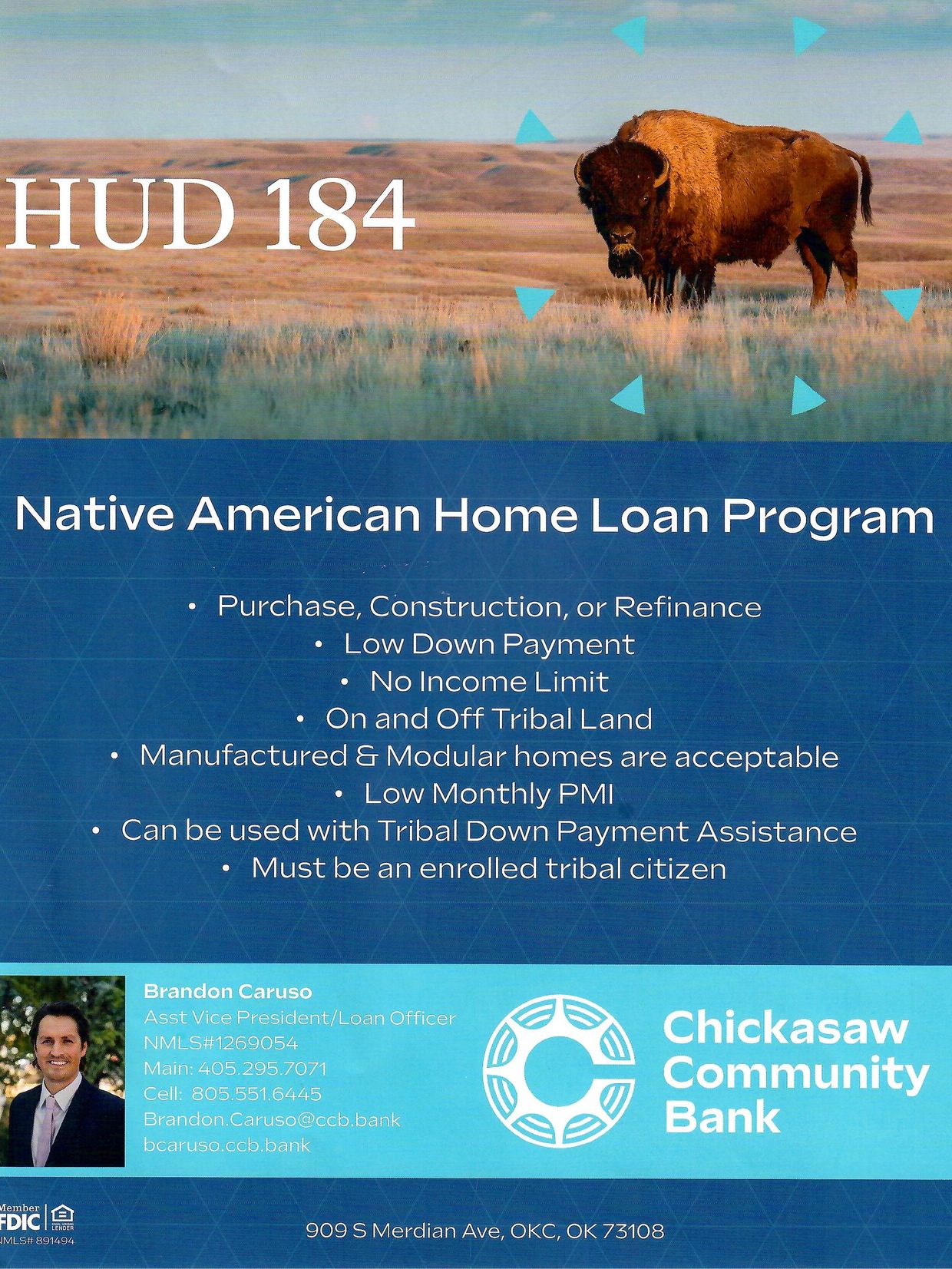
- HUD Section 184 Indian Home Loan Guarantee Program: This program guarantees loans made by private lenders to eligible Native American and Alaska Native individuals, families, and tribal governments. It can be used for homes on and off tribal lands, including trust lands, allotted lands, and fee simple lands.
- VA Native American Direct Loan (NADL) Program: This program helps eligible Native American veterans purchase, construct, or improve homes on federal trust land. It is a direct loan from the VA, not a guarantee program.
Understanding the differences and eligibility requirements for each is the first critical step.
Step 1: Research and Education – Know Your Options
Before you begin any application, it’s crucial to understand the nuances of these programs and determine which one best suits your needs.
- HUD Section 184:
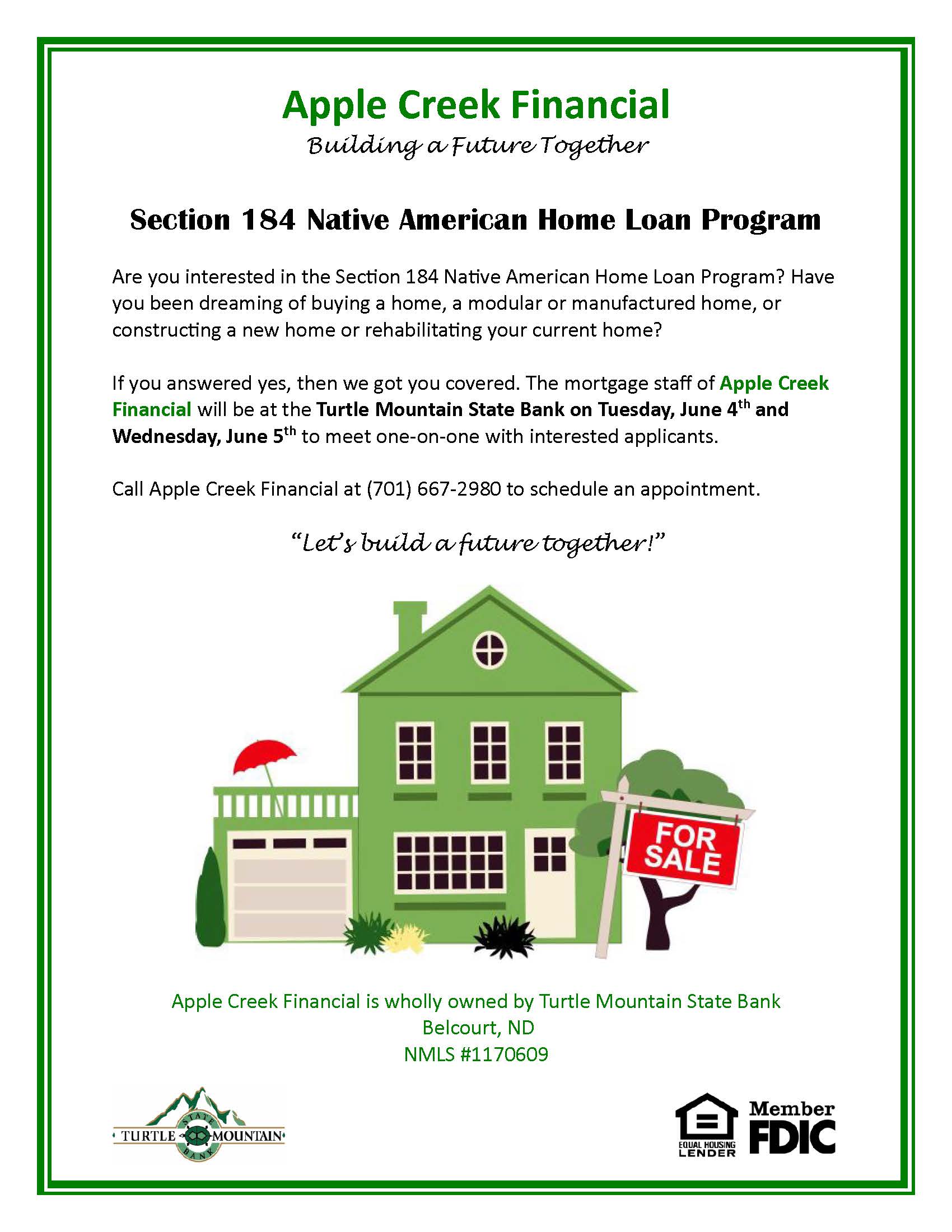
- Purpose: Purchase, construction, rehabilitation, or refinance of a single-family home.
- Eligibility: An enrolled member of a federally recognized tribe or an Alaska Native village.
- Property Location: Can be on or off tribal lands.
- Key Benefits: Low down payment (as low as 1.25% for loans over $50,000, 2.25% for loans under $50,000), flexible underwriting standards, competitive interest rates, no monthly mortgage insurance on trust land loans (only an upfront 1% guarantee fee).
- VA Native American Direct Loan (NADL):
- Purpose: Purchase, construct, or improve a home on tribal trust land, or refinance an existing NADL.
- Eligibility: Native American veteran, or a non-Native American veteran who is married to a Native American and residing on tribal land. Must meet VA’s income and credit standards. Must have a valid Certificate of Eligibility (COE) from the VA.
- Property Location: Strictly limited to federal trust land.
- Key Benefits: No down payment required, no private mortgage insurance (PMI), competitive fixed interest rate, reduced funding fee.
Action: Visit the official HUD Section 184 and VA NADL websites (www.hud.gov/section184 and www.va.gov/housing-assistance/home-loans/loan-types/native-american-direct-loan) to download program guides and FAQs. Contact your tribal housing authority, as they often have specific information and resources.
Step 2: Confirm Your Eligibility
Once you understand the programs, rigorously confirm your eligibility for the one you wish to pursue.
- For HUD Section 184:
- Tribal Enrollment: Obtain official documentation proving your enrollment in a federally recognized tribe or Alaska Native village. This is non-negotiable.
- Income & Credit: While more flexible than conventional loans, you will still need to demonstrate a stable income and a reasonable credit history. Lenders will assess your debt-to-income ratio and credit score.
- Employment: Stable employment history is generally required.
- For VA NADL:
- Veteran Status & COE: Ensure you have a valid Certificate of Eligibility (COE) from the VA. This confirms your service history and eligibility for VA home loan benefits.
- Native American Status (if applicable): Provide documentation of your tribal enrollment if you are the Native American veteran or the spouse of a Native American veteran.
- Income & Credit: Meet VA’s specific income and credit guidelines.
Action: Gather your tribal enrollment documentation. For VA NADL, obtain your COE if you don’t already have one (you can apply online through the VA eBenefits portal or with the help of a VA-approved lender). Review your credit report (e.g., via AnnualCreditReport.com) to identify any potential issues.
Step 3: Gather Necessary Documentation
A thorough and organized set of documents will streamline your application process significantly. This is a crucial step that can prevent delays.
General Documents (for both programs):
- Identification: Valid photo ID (Driver’s License, State ID).
- Tribal Enrollment Documentation: Official letter or card from your federally recognized tribe.
- Social Security Card: For all applicants.
- Income Verification:
- Last two years of W-2s.
- Last two years of federal tax returns (all schedules).
- Most recent 30 days of pay stubs.
- If self-employed: Business tax returns, profit and loss statements.
- Documentation of other income (retirement, disability, child support, etc.).
- Asset Verification:
- Last two to three months of bank statements (checking and savings).
- Statements for other assets (investment accounts, retirement accounts).
- Credit History: While lenders will pull your credit report, be prepared to explain any derogatory marks.
- Residence History: Addresses for the past two years.
Program-Specific Documents:
- For VA NADL: Your Certificate of Eligibility (COE).
- For Construction Loans (both programs): Detailed construction plans, contractor bids, builder’s license, and insurance information.
Action: Create a digital and physical folder for all your documents. Scan and organize everything clearly.
Step 4: Find a Qualified Lender
This is perhaps the most critical step, especially for HUD Section 184 loans. Not all lenders are approved to originate these specialized loans.
- For HUD Section 184:
- You need a lender approved by HUD to originate Section 184 loans.
- Many national and regional banks and mortgage companies are approved, but their expertise can vary.
- Recommendation: Start by checking the official HUD Section 184 website for a list of approved lenders. Your tribal housing authority may also have recommendations for lenders with experience in your specific community.
- For VA NADL:
- The VA directly funds these loans, so you will apply directly through the VA’s Regional Loan Center.
- However, a VA loan specialist can guide you through the application process.
Action: Research and contact multiple approved lenders. Ask about their experience with Native American home loans, especially if you plan to purchase on tribal trust land. Inquire about their process, fees, and timelines.
Step 5: Get Pre-Approved (HUD 184) or Determine Eligibility (VA NADL)
Pre-approval is a crucial step that gives you a clear understanding of how much you can afford and makes you a stronger buyer.
- For HUD Section 184:
- The lender will review your income, assets, and credit to provide a pre-approval letter stating the maximum loan amount you qualify for.
- This letter demonstrates to sellers that you are a serious and qualified buyer.
- For VA NADL:
- You will work with a VA loan specialist to confirm your eligibility and determine your loan entitlement. While not a "pre-approval" in the traditional sense, understanding your entitlement sets your purchasing power.
Action: Complete the pre-approval application with your chosen HUD 184 lender. For NADL, work closely with your VA loan specialist to get a clear picture of your eligibility and loan amount.
Step 6: Find a Home and Make an Offer
With your pre-approval in hand, you can confidently begin your home search.
- Property Type: Consider if you want to purchase an existing home, build a new one, or rehabilitate an older property.
- Location: This is especially critical for NADL (must be on tribal trust land) and for HUD 184 on tribal trust lands.
- Tribal Land Considerations:
- Trust Land: Properties on trust land are subject to unique legal frameworks. The land is held in trust by the U.S. government for the benefit of the tribe or individual. Homes on trust land are typically financed through a leasehold interest (e.g., a 25-year lease, renewable for another 25 years, approved by the Bureau of Indian Affairs or BIA).
- Allotted Land: Similar to trust land but held for individual tribal members.
- Fee Simple Land: This is private land ownership, where the buyer owns both the land and the home outright, whether it’s on or off reservation boundaries. The process here is more akin to a conventional loan.
Action: Work with a real estate agent who understands the specific requirements of Native American home loans and the nuances of tribal land if applicable. Once you find a suitable home, your agent will help you draft a purchase offer.
Step 7: Full Loan Application and Processing
Once your offer is accepted, you’ll proceed with the full loan application.
- Application Submission: You will formally submit all required documentation to your lender.
- Disclosures: You’ll receive various disclosures, including the Loan Estimate, outlining the terms, fees, and estimated costs of your loan. Review these carefully.
- Underwriting: The lender’s underwriter will thoroughly review your financial information to ensure you meet all program guidelines and the lender’s criteria.
Action: Respond promptly to any requests for additional information from your lender. Delays here can push back your closing date.
Step 8: Appraisal and Property Review
The lender will order an appraisal to determine the property’s market value. This is a critical step, especially for homes on tribal trust land.
- Appraisal: An independent appraiser will assess the home’s value to ensure it aligns with the purchase price.
- Home Inspection: While not always required by the lender, a home inspection is highly recommended to identify any potential issues with the property.
- Environmental Review (HUD 184): For HUD 184 loans on tribal lands, an environmental review must be conducted to ensure the property meets federal environmental standards.
- BIA Lease Approval (for Trust Land): If the home is on tribal trust land, the Bureau of Indian Affairs (BIA) will need to approve the leasehold agreement. This process can add time to the closing, as the BIA ensures the lease protects the interests of the tribal member and the tribe.
Action: Cooperate with the appraiser and inspector. Understand that the BIA lease approval process is unique to tribal lands and requires patience.
Step 9: Loan Closing
This is the final stage where you sign all the necessary documents to finalize your loan and take ownership of your new home.
- Closing Disclosure: You will receive a Closing Disclosure (CD) at least three business days before closing. Compare it to your Loan Estimate to ensure there are no unexpected changes.
- Review Documents: Carefully read all documents before signing. Don’t hesitate to ask your lender, real estate agent, or attorney any questions you have.
- Signatures: You will sign the promissory note, mortgage or deed of trust, and other legal documents.
- Funding: Once all documents are signed and conditions met, the loan will be funded, and ownership will transfer to you.
Action: Bring a valid photo ID and any required funds (e.g., for down payment, closing costs) in the form of a cashier’s check or wire transfer.
Unique Considerations for Tribal Land Homeownership
Purchasing a home on tribal trust land comes with specific considerations that differ significantly from fee simple ownership.
- Leasehold Interest: On trust land, you typically purchase a leasehold interest in the land, not the land itself. The land remains in trust. The lease is usually for 25 years, renewable for another 25 years, and must be approved by the BIA.
- BIA Involvement: The BIA plays a crucial role in approving leases, ensuring proper land records, and sometimes assisting with property descriptions.
- Infrastructure: Some tribal lands may have unique infrastructure challenges (e.g., roads, utilities, addresses) that lenders and appraisers need to navigate.
- Tribal Regulations: Be aware of any specific tribal ordinances or regulations that may affect homeownership, construction, or land use on your reservation.
- Lender Experience: The importance of choosing a lender experienced with tribal land transactions cannot be overstated. They will be familiar with the BIA process and leasehold requirements.
Tips for a Smooth Application
- Start Early: The process, especially on tribal land, can take longer than conventional loans.
- Communicate Regularly: Stay in close contact with your lender, real estate agent, and tribal housing authority.
- Be Organized: Keep all your documents meticulously organized and respond quickly to requests for information.
- Understand Your Credit: Work to improve your credit score if needed before applying.
- Leverage Tribal Resources: Your tribal housing office or council can be an invaluable resource for information, assistance, and guidance.
Conclusion
Applying for a Native American home loan is a pathway to achieving homeownership, offering unique benefits tailored to the specific needs of Native American and Alaska Native individuals and communities. By understanding the available programs, meticulously preparing your documentation, and working with experienced professionals, you can successfully navigate the process and realize your dream of owning a home. Embrace the journey, utilize the resources available to you, and take pride in investing in your future and your community.


