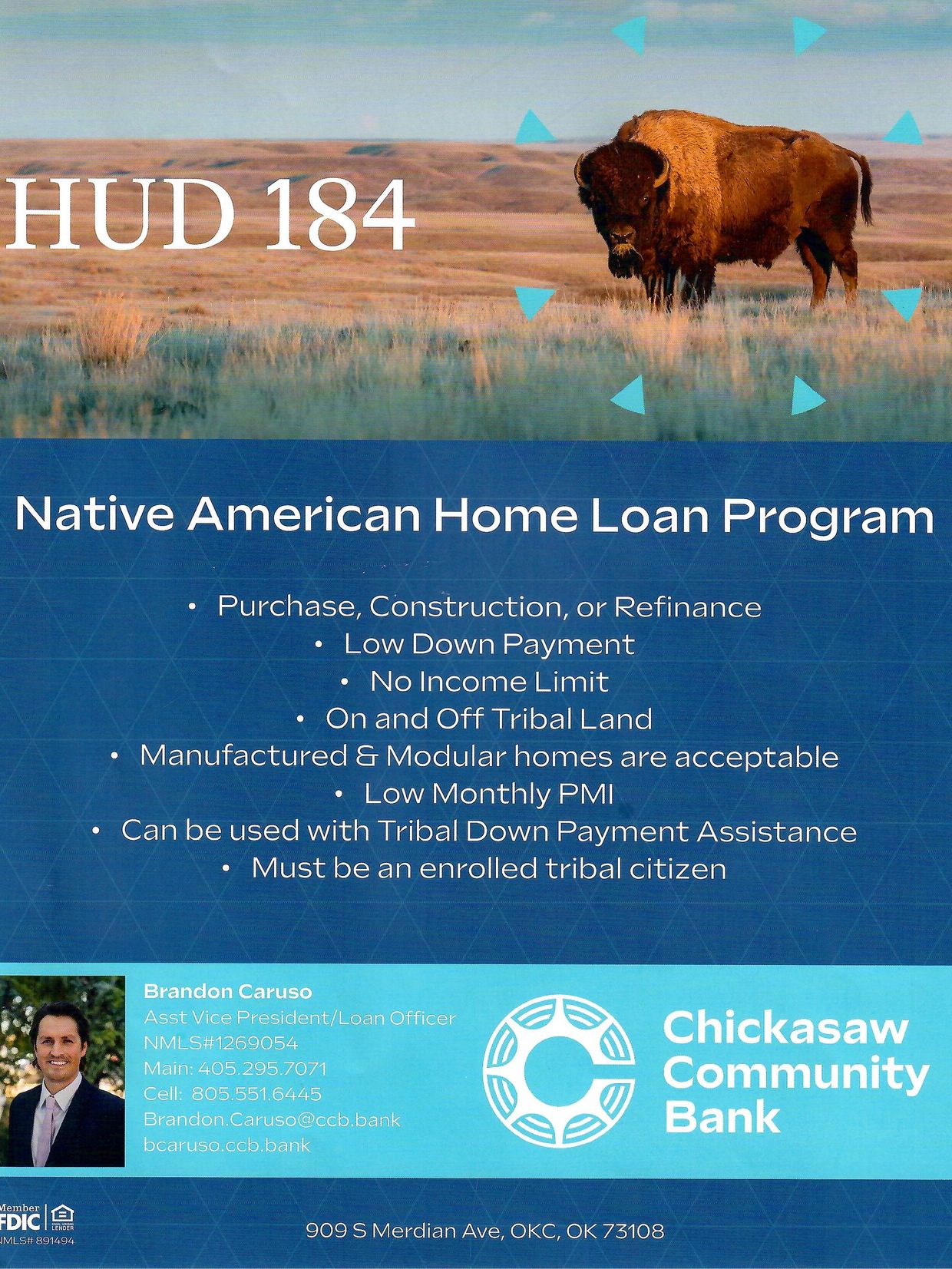
How To Apply for the HUD Section 184 Native American Loan: A Step-by-Step Professional Guide
Realizing the dream of homeownership can be a transformative experience, offering stability, wealth building, and a place to call your own. For eligible Native Americans and Alaska Natives, the HUD Section 184 Native American Home Loan Program stands as a powerful tool designed specifically to facilitate this journey. This unique federal program provides mortgage loan guarantees to lenders, encouraging them to make homeownership more accessible and affordable within Native American communities.
This comprehensive guide will walk you through the entire application process, from understanding the program’s benefits and eligibility to navigating the closing table, ensuring you have a clear roadmap for success.
Understanding the HUD Section 184 Loan Program

The HUD Section 184 program is a home mortgage product designed to offer homeownership and housing rehabilitation opportunities for eligible Native American and Alaska Native families, federally recognized Tribes, and Tribally Designated Housing Entities (TDHEs). Administered by HUD’s Office of Native American Programs (ONAP), it guarantees loans made by private lenders, which significantly reduces the risk for the lenders and translates into better terms for borrowers.
Key Features of the HUD 184 Loan:
- Federal Guarantee: Loans are 100% guaranteed by the U.S. Government.
- Low Down Payments: Typically 2.25% for loans over $50,000 and 1.25% for loans under $50,000.
- No Monthly Mortgage Insurance Premium (MIP): Unlike FHA loans, there’s no ongoing monthly MIP. There is an upfront guarantee fee (UFMIP) that can be financed into the loan.
- Competitive Interest Rates: Rates are market-driven and often comparable to conventional loans.
- Flexible Underwriting: The program recognizes the unique financial situations of Native American families, offering more flexible credit and income guidelines.
- Versatile Use: Can be used for purchasing a home, constructing a new home, rehabilitating an existing home, or refinancing.
- On and Off Trust Lands: Loans can be used to purchase homes on fee simple land (standard land ownership) as well as on trust or restricted land (land held in trust by the U.S. for a Tribe or individual).

Eligibility Criteria
Before embarking on the application journey, it’s crucial to confirm your eligibility for the HUD 184 program.
Who is Eligible?
- Tribal Enrollment: You must be an enrolled member of a federally recognized American Indian Tribe or Alaska Native Village. Proof of enrollment, such as a tribal ID card or a letter from your Tribe, will be required.
- Property Location: The property must be located in an approved HUD Section 184 service area. These areas include all federally recognized tribal lands and many other designated areas, both rural and urban. Your lender can confirm if a specific property location is eligible.
- Creditworthiness: While the program offers flexible underwriting, you must demonstrate a reasonable ability to repay the loan. This involves a review of your credit history, debt-to-income ratio, and stable employment.
- Income Requirements: You must have a stable and verifiable income sufficient to cover your mortgage payments and other household expenses. There are no strict income limits for the program itself, but your income will determine the loan amount you qualify for.
- Primary Residence: The home being purchased or refinanced must serve as your primary residence. Investment properties or secondary homes are not eligible.
Key Benefits of the HUD 184 Loan
Beyond mere eligibility, understanding the distinct advantages of this program can solidify your decision to pursue it.
- Lower Upfront Costs: The significantly lower down payment requirements make homeownership more attainable, especially for first-time buyers.
- Predictable Monthly Payments: The absence of a monthly mortgage insurance premium can result in lower and more stable monthly payments compared to other government-backed loans.
- Tailored for Native Communities: The program’s flexible underwriting considers unique aspects of tribal land ownership, income structures, and cultural contexts that conventional loans may not.
- Empowerment: It directly supports tribal members in building equity and wealth, contributing to the economic self-sufficiency of Native communities.
Step-by-Step Application Guide
Applying for a HUD 184 loan involves several stages. Follow these steps methodically to ensure a smooth and successful process.
Step 1: Initial Research and Preparation
Before contacting a lender, take the time to understand your financial standing and the program’s requirements.
- Assess Your Finances: Review your credit report, identify any outstanding debts, and estimate your monthly income and expenses. A strong understanding of your financial health will prepare you for discussions with lenders.
- Gather Initial Documentation: While a complete list will come later, having basic documents ready can expedite the initial stages. This includes your tribal enrollment verification, recent pay stubs, and bank statements.
- Understand Your Needs: Determine what kind of home you’re looking for, your preferred location, and your budget.
Step 2: Find a HUD 184 Approved Lender
This is perhaps the most crucial step. Not all lenders are authorized to offer HUD 184 loans. You need to find a lender specifically approved by HUD’s Office of Native American Programs (ONAP) and, ideally, one with experience in this program.
- Ask for Recommendations: Inquire with your Tribal housing authority, other tribal members who have used the program, or HUD ONAP regional offices.
- Verify Experience: When contacting lenders, ask about their experience with HUD 184 loans, particularly on tribal trust lands if that’s your intention. An experienced lender can navigate the nuances of the program more efficiently.
Step 3: Get Pre-Qualified or Pre-Approved
Once you’ve identified a suitable lender, the next step is to get pre-qualified or pre-approved for a loan.
- Pre-Qualification: This is an initial estimate based on the financial information you provide. It gives you a general idea of how much you might be able to borrow.
- Pre-Approval: This is a more thorough review, where the lender verifies your income, assets, and credit. A pre-approval letter is a stronger indicator of your borrowing power and can make your offers more attractive to sellers.
- Benefits: Knowing your budget upfront prevents you from looking at homes outside your price range and gives you leverage when making an offer.
Step 4: Property Search
With a pre-approval in hand, you can confidently begin your home search.
- Work with a Real Estate Agent: Choose an agent who understands the local market and, if possible, has experience with HUD 184 loans or properties on tribal lands.
- Location Matters: Ensure the property is located within a HUD 184 approved service area. Your lender can verify this for any specific address.
- Trust Land Considerations: If you are purchasing on tribal trust land, understand that this involves a leasehold interest (you own the home, but the Tribe owns the land) and may require additional tribal approvals or lease agreements.
Step 5: Submit Your Loan Application
Once you’ve found a home and your offer has been accepted, you’ll formally apply for the loan with your chosen lender. This involves submitting a comprehensive set of documents.
- Personal Identification:
- Valid Photo ID (Driver’s License, State ID)
- Social Security Card
- Tribal Enrollment Verification (Tribal ID, Certificate of Indian Blood, or letter from your Tribe)
- Income Verification:
- Most recent 2 years of W-2 forms
- Most recent 2-3 months of pay stubs
- Most recent 2 years of federal tax returns (including all schedules)
- Proof of other income (e.g., Social Security, disability, retirement, child support)
- Asset Verification:
- Most recent 2-3 months of bank statements (checking, savings)
- Statements for investment accounts (401k, IRA, stocks, bonds)
- Gift letter (if receiving down payment assistance from family/Tribe)
- Credit History:
- Authorization for the lender to pull your credit report
- Explanations for any derogatory marks on your credit
- Property-Related Documents (Once Under Contract):
- Signed Purchase Agreement/Sales Contract
- Appraisal report (ordered by the lender)
- Home Inspection report (recommended, though not always mandatory for the loan)
Step 6: Underwriting Process
After submitting your application and supporting documents, your loan file moves into underwriting. The underwriter reviews everything to ensure it meets both the lender’s guidelines and HUD’s Section 184 program requirements.
- Verification: The underwriter will verify your employment, income, assets, and credit history.
- Conditions: It’s common for the underwriter to request additional documents or clarifications (known as "conditions"). Respond to these requests promptly to avoid delays.
- Risk Assessment: The underwriter assesses the overall risk of the loan, ensuring you have the capacity and willingness to repay.
Step 7: Appraisal and Inspection
The lender will order an appraisal of the property to determine its market value. A home inspection, while not always required by the lender, is highly recommended to assess the home’s condition.
- Appraisal: The appraisal ensures the property’s value supports the loan amount. HUD 184 loans have specific appraisal requirements.
- Inspection: A professional home inspection can uncover potential issues with the home, allowing you to negotiate repairs with the seller or withdraw your offer if major problems are found.
Step 8: Tribal Review and Approval (if applicable)
If the property is located on tribal trust land, there will be an additional layer of review and approval required from the Tribe.
- Leasehold Interest: On trust lands, you will typically own the home but lease the land from the Tribe. This lease agreement must be approved by the Tribe and often by the Bureau of Indian Affairs (BIA).
- Tribal Housing Authority: Your tribal housing authority or a designated tribal office will often facilitate this process, ensuring compliance with tribal laws and regulations.
- Timing: This step can add time to the process, so it’s essential to factor it into your timeline.
Step 9: Loan Closing
Once all conditions are met, the loan is approved, and a closing date is set. This is where you finalize the loan and become a homeowner.
- Review Documents: Carefully review all closing documents, including the Promissory Note, Mortgage/Deed of Trust, and the Closing Disclosure, which details all costs and fees.
- Sign Papers: You will sign numerous documents transferring ownership and obligating you to repay the loan.
- Pay Closing Costs: You will need to bring certified funds (cashier’s check or wire transfer) to cover your closing costs, which include various fees, taxes, and prepaid expenses.
- Receive Keys: After signing, funding, and recording, you’ll receive the keys to your new home!
Important Considerations and Tips for Success
- Work with Experienced Professionals: An experienced HUD 184 lender and a real estate agent familiar with the program are invaluable assets.
- Understand Tribal Land Nuances: If purchasing on trust land, be fully aware of the leasehold agreements, tribal jurisdiction, and any specific tribal requirements.
- Maintain Good Credit: While flexible, a stronger credit history can lead to smoother processing and potentially better terms.
- Save for Closing Costs: Remember that closing costs are separate from your down payment and can range from 2-5% of the loan amount.
- Be Patient and Proactive: The homebuying process, especially with a specialized loan like HUD 184, can take time. Respond to requests from your lender promptly to keep the process moving.
- Ask Questions: Do not hesitate to ask your lender, real estate agent, or tribal housing authority any questions you have. It’s crucial that you understand every step of the process.
Conclusion
The HUD Section 184 Native American Home Loan Program is an invaluable resource designed to empower Native Americans and Alaska Natives to achieve homeownership. By understanding the program’s unique benefits, confirming your eligibility, and meticulously following this step-by-step guide, you can successfully navigate the application process. With preparation, the right team of professionals, and a proactive approach, your dream of owning a home through the HUD 184 program is well within reach.


