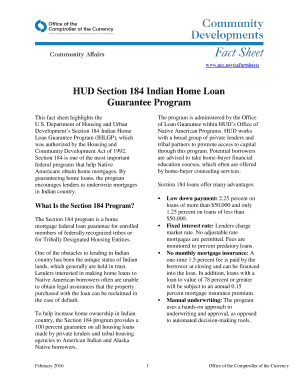
Bridging the Gap: A Comprehensive Review of the HUD Section 184 Loan – Your Path to Native American Homeownership
For generations, the dream of homeownership has been a cornerstone of American aspiration. Yet, for many Native Americans and Alaska Natives, this dream has been uniquely challenging due to historical barriers, economic disparities, and complex land tenure issues on and off tribal lands. Recognizing these systemic hurdles, the U.S. Department of Housing and Urban Development (HUD) introduced the Section 184 Indian Home Loan Guarantee Program. This specialized loan is not just a financial product; it’s a vital tool designed to foster economic development, promote self-sufficiency, and expand homeownership opportunities within Native American communities.
This comprehensive review will delve deep into the HUD Section 184 loan program, exploring its core features, providing a detailed guide on how to apply, dissecting its advantages and disadvantages, and ultimately offering a recommendation on whether this unique financial instrument is the right "purchase" for your homeownership journey.
Understanding the HUD Section 184 Loan: A Unique Financial Product
The Section 184 loan program, authorized by the Indian Housing Act of 1988, is specifically tailored for Native American and Alaska Native families, federally recognized tribes, and Tribally Designated Housing Entities (TDHEs). What sets it apart is that HUD guarantees 100% of the loan to the lender. This federal guarantee significantly reduces the risk for approved private lenders, encouraging them to provide mortgages to borrowers who might otherwise face difficulties obtaining conventional financing, particularly for homes on tribal trust lands.

The loan can be used for a variety of purposes:
- Purchasing an existing home: A straightforward acquisition of a property.
- New construction: Building a home from the ground up, including modular and manufactured homes.
- Rehabilitation: Renovating or repairing an existing home.
- Refinancing: Lowering interest rates or changing loan terms on an existing mortgage.
- Land acquisition and new construction: Purchasing land and building a home on it.
- Improvements on existing land: Adding structures or making significant enhancements.
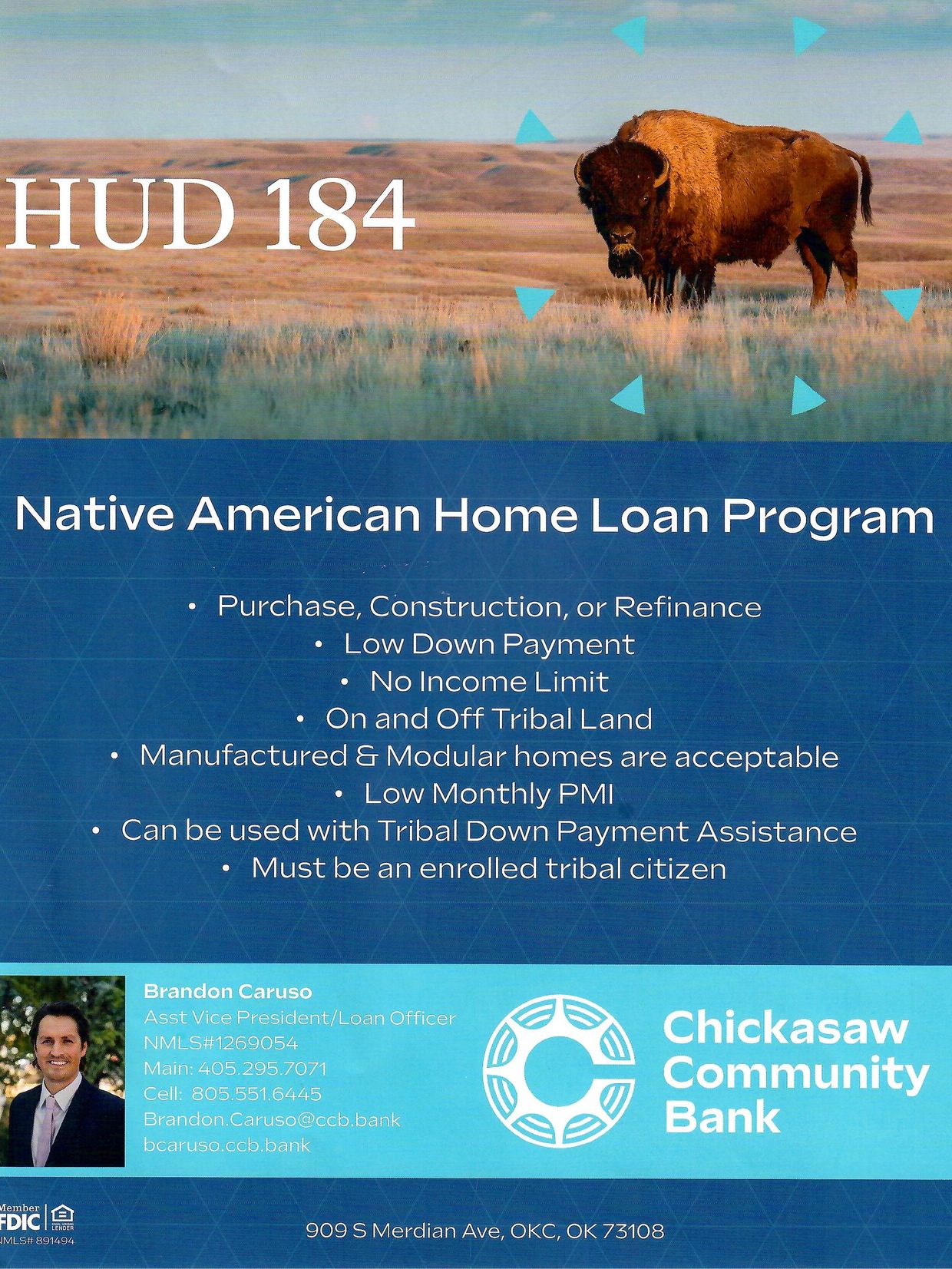
Eligible properties can be located on or off tribal lands, including fee simple land, trust land, and individually allotted lands. This flexibility regarding land tenure is a critical distinguishing factor, directly addressing one of the major challenges Native Americans face in securing traditional mortgages.
Who is Eligible? The "Target User"
The primary eligibility requirement for a HUD Section 184 loan is enrollment in a federally recognized American Indian or Alaska Native tribe. This is a non-negotiable criterion. Beyond that, applicants must meet standard mortgage qualifications, albeit with more flexible guidelines than conventional loans:
- Credit History: While a good credit history is beneficial, Section 184 loans are generally more forgiving of past credit issues, focusing on recent payment history and overall willingness to repay debt.
- Income Requirements: Borrowers must demonstrate a stable and verifiable income sufficient to make monthly mortgage payments. Debt-to-income ratios are evaluated, but again, with a degree of flexibility.
- Primary Residence: The home financed with a Section 184 loan must be the borrower’s primary residence.
- Counseling (Optional but Recommended): While not always mandatory, pre-purchase counseling can be incredibly valuable, especially for first-time homebuyers, helping them understand the responsibilities of homeownership.
How to Apply for a HUD Section 184 Loan: A Step-by-Step Guide
Applying for a Section 184 loan involves a structured process, distinct from conventional mortgages. Understanding each step is crucial for a smooth journey to homeownership.
Step 1: Self-Assessment and Initial Research
Before approaching a lender, take stock of your financial situation.
- Verify Tribal Enrollment: Ensure you are an enrolled member of a federally recognized tribe. This is the first and most critical hurdle.
- Assess Your Finances: Review your credit report, estimate your income, and list your debts. Understand your current financial health.
- Understand the Program: Familiarize yourself with the basics of Section 184. HUD’s Office of Loan Guarantee website is an excellent resource.
Step 2: Find a Section 184 Approved Lender
This is perhaps the most crucial step, as not all mortgage lenders offer Section 184 loans.
- Specialized Lenders: You’ll need to find a lender specifically approved by HUD to originate these loans.
- HUD Website: HUD provides a list of approved lenders on its website.
- Tribal Housing Authorities: Your tribal housing authority or local Native American housing organizations can often provide recommendations or direct you to experienced lenders.
- Interview Lenders: Don’t just pick the first one. Talk to a few, compare their processes, and ensure they are knowledgeable about the nuances of Section 184, especially concerning tribal land.
Step 3: Pre-Qualification and Pre-Approval
Once you’ve chosen a lender, the process mirrors that of other mortgages, but with Section 184-specific considerations.
- Pre-Qualification: Provide basic financial information (income, debts, assets) to get an estimate of how much you might be able to borrow. This is a preliminary step and not a commitment.
- Pre-Approval: This is a more formal process. You’ll submit a full loan application, including documentation like pay stubs, W-2s, bank statements, and tax returns. The lender will pull your credit report. If approved, you’ll receive a pre-approval letter stating the maximum loan amount you qualify for. This letter is invaluable when making offers on homes.
Step 4: Find Your Home
With pre-approval in hand, you can confidently begin your home search.
- Work with a Real Estate Agent: Ideally, find an agent familiar with Section 184 loans and, if applicable, tribal land transactions.
- Consider Land Tenure: If purchasing on tribal land (trust land or restricted fee land), understand that the lender will require a leasehold agreement with the tribe or an approved land assignment. This process can add time and complexity, so factor it in. Ensure the tribe has a Section 184 Memorandum of Understanding (MOU) with HUD, which is necessary for loans on tribal trust land.
- Make an Offer: Once you find a suitable home, your agent will help you draft an offer.
Step 5: Appraisal and Underwriting
After your offer is accepted, the loan moves into the underwriting phase.
- Appraisal: A HUD-approved appraiser will assess the property’s value. For homes on tribal land, the appraisal must account for the unique characteristics of that land tenure, which can sometimes be a challenge if appraisers are unfamiliar.
- Underwriting: The lender’s underwriter will thoroughly review all your financial documents, the property appraisal, and the sales contract to ensure everything meets Section 184 and HUD guidelines. This is where the federal guarantee comes into play, as HUD reviews and approves the loan for guarantee.
- Title Search: A title company will conduct a title search to ensure there are no liens or claims against the property. On tribal land, this involves navigating tribal land records and often requires tribal consent.
Step 6: Loan Approval and Closing
Once underwriting is complete and HUD issues the Guarantee Certificate, your loan is approved.
- Closing Disclosure: You’ll receive a Closing Disclosure (CD) at least three business days before closing, detailing all the final loan terms and costs. Review it carefully.
- Closing: This is the final step where you sign all the legal documents, including the promissory note and mortgage deed. Funds are disbursed, and ownership is transferred. If on tribal land, tribal consent documents are also signed.
Step 7: Post-Closing and Homeownership
Congratulations! You are now a homeowner.
- Make Payments: Your lender will provide instructions on how to make your monthly mortgage payments.
- Maintain Your Home: Take care of your new asset and enjoy the benefits of homeownership.
Advantages of the HUD Section 184 Loan (Pros)
The Section 184 loan program offers several compelling benefits that make it an attractive option for eligible borrowers:
- Low Down Payment: This is a significant advantage. Borrowers can put down as little as 2.25% for loans over $50,000, and 1.25% for loans under $50,000. This makes homeownership accessible to many who might struggle to save for a larger down payment required by conventional loans.
- Flexible Credit Guidelines: While not a "no credit check" loan, Section 184 is more understanding of less-than-perfect credit histories compared to conventional mortgages. This flexibility acknowledges historical economic challenges faced by Native communities.
- Competitive Fixed Interest Rates: Section 184 loans offer competitive, fixed interest rates, providing stability and predictability in monthly payments for the life of the loan. This protects borrowers from potential rate increases.
- Lower Mortgage Insurance (MIP): Unlike FHA loans, which require both an upfront and annual mortgage insurance premium, Section 184 only requires a one-time upfront Guarantee Fee of 1.5% of the loan amount. This fee can be financed into the loan, and there are no annual mortgage insurance premiums, leading to lower monthly payments over the long term.
- Federal Guarantee: The 100% federal guarantee to the lender reduces their risk, making them more willing to lend to Native Americans, especially for properties on tribal lands where traditional financing can be scarce.
- Versatility: As mentioned, the loan can be used for various purposes: purchase, refinance, new construction, and rehabilitation, offering comprehensive solutions for different housing needs.
- Accepts Various Land Types: Crucially, Section 184 loans can finance homes on fee simple land, tribal trust land, and individually allotted trust land. This is a game-changer for Native Americans seeking to build or buy homes within their communities, where traditional mortgages often falter due to the complexities of tribal land tenure.
- Supports Tribal Homeownership: Beyond individual benefits, the program fosters economic development and self-sufficiency within Native American communities by facilitating homeownership and capital investment.
Disadvantages of the HUD Section 184 Loan (Cons)
While highly beneficial, the Section 184 loan program also comes with certain limitations and potential drawbacks:
- Limited Lenders: The number of lenders approved to originate Section 184 loans is significantly smaller than for conventional or FHA loans. This can mean fewer options for borrowers, potentially less competitive rates (though Section 184 rates are generally competitive), and a need to actively seek out these specialized lenders. It might also lead to longer processing times in some areas due to less familiarity.
- Tribal Enrollment Requirement: This is a fundamental aspect of the program’s design, but it means the loan is not available to the general public. Only enrolled members of federally recognized tribes are eligible, limiting its applicability.
- Geographic Restrictions (Implied): While technically available nationwide, the practical availability and expertise for Section 184 loans tend to be concentrated in areas with significant Native American populations and active tribal housing authorities. Borrowers in remote areas or areas with few tribal members might face challenges finding an experienced lender or appraiser.
- Appraisal Challenges on Tribal Land: Appraising homes on tribal trust land can be more complex due to the unique land tenure, lack of comparable sales data, and appraisers’ potential unfamiliarity with tribal housing markets. This can sometimes lead to lower appraisals or delays in the process.
- Educational Curve: Both borrowers and, at times, lenders and real estate agents may have a learning curve regarding the specific requirements and processes of Section 184 loans, especially concerning tribal land leases and tribal consent. This can sometimes prolong the application process.
- Upfront Guarantee Fee: While there’s no annual mortgage insurance, the 1.5% upfront Guarantee Fee, though financeable, is still an added cost to the loan amount.
- Tribal Government Involvement (for Tribal Land): While often a positive, the requirement for tribal consent or lease agreements for homes on tribal land can sometimes add an extra layer of bureaucracy and potential delays depending on the specific tribe’s processes.
Recommendation: Is the HUD Section 184 Loan the Right "Purchase" for You?
The HUD Section 184 loan program is an exceptional and highly recommended financial product for its intended audience. For enrolled members of federally recognized tribes, it represents one of the most accessible and tailored pathways to homeownership available today.
Who is it highly recommended for?
- First-time homebuyers who may not have a large down payment or perfect credit.
- Individuals and families seeking to purchase, build, or rehabilitate homes on tribal trust lands where conventional financing is often unattainable.
- Native Americans looking for a stable, fixed-rate mortgage with predictable monthly payments and lower long-term mortgage insurance costs.
- Those committed to living within their tribal communities and investing in their future there.
Who might need to consider alternatives?
- Individuals who are not enrolled members of a federally recognized tribe. This program is simply not available to you.
- Borrowers with excellent credit and significant down payment savings might find slightly lower interest rates or fewer fees with conventional loans, though this is not always guaranteed, especially when factoring in Section 184’s lack of annual MIP.
- Those in areas with extremely limited Section 184 lenders or appraisers might face longer processing times, though persistence often pays off.
Overall Verdict:
The HUD Section 184 loan is not just a mortgage; it’s a powerful and specialized tool designed to address historical inequities and empower Native American and Alaska Native communities through homeownership. Its flexible guidelines, low down payment, competitive rates, and unique ability to finance homes on tribal land make it an invaluable resource.
If you meet the eligibility criteria, actively seek out an approved lender who understands the intricacies of this program. Be prepared for a process that might differ slightly from a standard mortgage, especially if dealing with tribal lands, but rest assured that the benefits far outweigh these minor complexities. The HUD Section 184 loan is a well-crafted solution that genuinely bridges the gap, making the dream of homeownership a tangible reality for Native Americans across the nation. It’s not just a loan; it’s an investment in a stronger future for individuals and their communities.


