
Navigating the Path to Homeownership: How Long Does HUD 184 Loan Approval Really Take?
For many Native American and Alaska Native individuals, the dream of homeownership is a deeply significant one, representing stability, legacy, and community connection. The HUD Section 184 Indian Home Loan Guarantee Program stands as a vital resource designed to make this dream a reality, offering unique benefits tailored to the specific circumstances of tribal communities and individuals. However, like any government-backed program, the journey to approval often comes with questions, chief among them: "How long does HUD 184 loan approval really take?"
This comprehensive review will delve into the intricacies of the HUD 184 loan approval process, offering a realistic timeline, dissecting its advantages and disadvantages, and providing a clear recommendation for those considering this powerful path to homeownership.
What is the HUD 184 Loan Program?
Before we explore the timeline, it’s crucial to understand what the HUD 184 program is and who it serves. Established in 1992, the Section 184 program is a loan guarantee initiative specifically for Native American and Alaska Native families, federally recognized tribes, and tribally designated housing entities. It’s designed to increase homeownership and access to capital in Indian Country, including on trust lands, restricted lands, and fee simple lands.
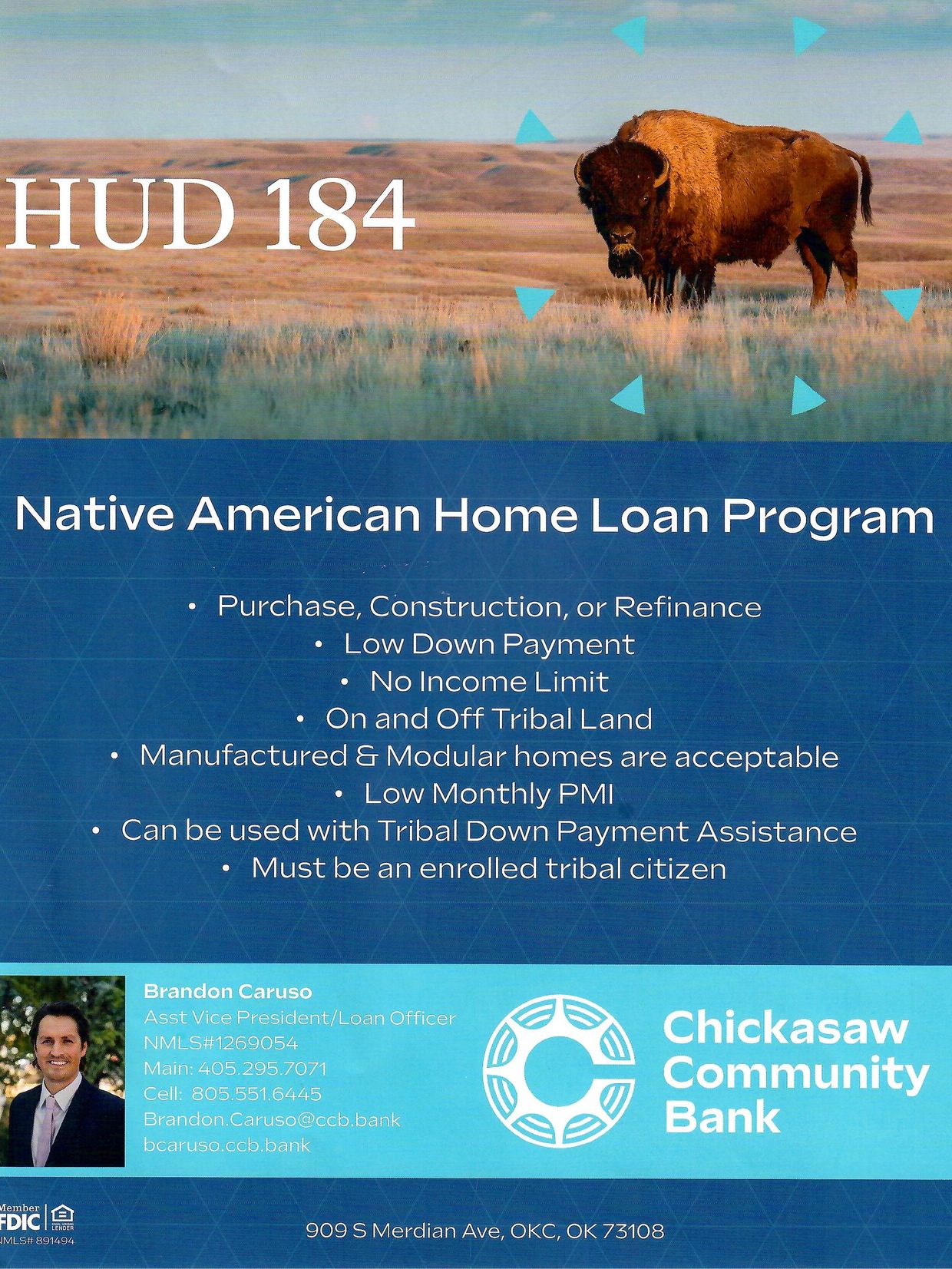
Unlike conventional loans, the HUD 184 program is unique in several ways:
- Government Guarantee: HUD guarantees 100% of the loan to the lender, reducing the risk for financial institutions and encouraging them to lend in areas they might otherwise avoid.
- Targeted Eligibility: It’s exclusively for eligible Native American and Alaska Native individuals and tribes.
- Flexible Underwriting: Generally, it offers more flexible credit requirements than conventional loans.
- Low Down Payment: Borrowers can often get a loan with as little as 2.25% down payment for loans over $50,000, and 1.25% for loans $50,000 or less.
- Versatile Use: Loans can be used for purchasing a new or existing home, constructing a new home, rehabilitating a home, or refinancing an existing mortgage.
- Unique Land Considerations: It addresses the complexities of homeownership on tribal trust land, offering solutions for leasehold interests.
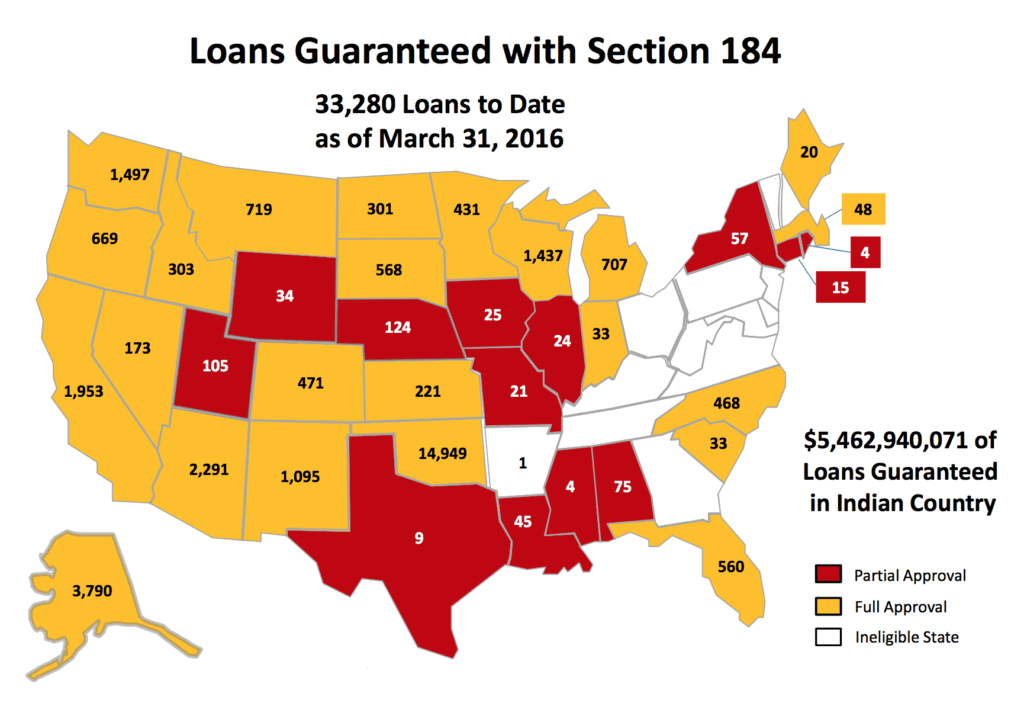
This specialized nature, while beneficial, also contributes to the unique aspects of its approval timeline.
The Approval Timeline: Unpacking the Process
The question of "how long" is rarely a simple answer in the world of mortgages, and even less so with a specialized program like HUD 184. While a conventional loan might close in 30-45 days, the HUD 184 process often requires more patience. A realistic expectation for the entire process, from initial inquiry to closing, can range from 60 to 120 days, or even longer, depending on various factors.
Let’s break down the typical phases:
Phase 1: Pre-Application & Preparation (Highly Variable: 1 week to several months)
This initial phase is largely dependent on the borrower’s readiness.
- Research & Lender Selection: Finding a lender experienced with HUD 184 loans is critical. Not all lenders offer this program, and even among those who do, expertise varies. This step can take a few days to a few weeks.
- Gathering Documents: Borrowers need to collect essential documents, including proof of tribal enrollment, income statements, tax returns, bank statements, and credit history. Any delays in gathering these can significantly prolong this phase.
- Pre-Qualification/Pre-Approval: Once basic documents are submitted, the lender can issue a pre-qualification or pre-approval letter, giving the borrower an idea of how much they can afford. This typically takes a few days to a week once documents are submitted.
Phase 2: Application & Underwriting (Typically 30-60 days)
Once you’ve found a property and submitted a formal application, the intensive underwriting process begins.
- Formal Application Submission: You complete the full loan application with your chosen lender.
- Lender Underwriting: The lender’s underwriter meticulously reviews all submitted documents:
- Credit Check: A detailed review of your credit history.
- Income & Asset Verification: Confirming your financial stability and ability to repay the loan.
- Debt-to-Income Ratio Calculation: Ensuring your monthly debt payments are manageable compared to your income.
- Property Appraisal: This is a crucial step for HUD 184. The property must be appraised by a HUD-approved appraiser and meet HUD’s minimum property standards (MPS). This can be more rigorous than conventional appraisals. If the property is on tribal trust land, the appraisal must also assess the leasehold interest, which adds complexity.
- Title Search & Land Status Verification: For properties on tribal lands, verifying the land status (fee simple, trust, restricted) and ensuring a clear title or valid leasehold interest can be more involved than for conventional properties. This often requires coordination with tribal housing authorities or the Bureau of Indian Affairs (BIA).
- Environmental Review: In some cases, an environmental review may be required, particularly for new construction or properties on tribal lands, which can add time.
- Conditional Approval: If all looks good, the lender issues a conditional approval, often with a list of remaining conditions to be met (e.g., specific document updates, repairs identified in the appraisal).
Phase 3: HUD Review & Loan Guarantee (Typically 1-3 weeks after lender submission)
This is the phase where HUD steps in directly.
- Lender Submits to HUD: Once the lender has completed its underwriting and all conditions are met, they package the entire loan file and submit it to HUD for review.
- HUD Review: HUD’s office reviews the loan package to ensure it complies with all program guidelines and requirements. They verify eligibility, property standards, and financial qualifications. This is not another full underwriting, but a compliance check.
- Issuance of Loan Guarantee Certificate: Upon successful review, HUD issues a Loan Guarantee Certificate to the lender, signifying that the loan is backed by the federal government. This is the green light for the loan to proceed to closing.
Phase 4: Closing (Typically 3-7 days after HUD approval)
The final stretch involves signing the myriad of legal documents and transferring ownership.
- Final Loan Documents: The lender prepares the final loan documents.
- Closing: You sign all necessary paperwork, including the promissory note, mortgage, and disclosures. Funds are disbursed, and ownership is transferred.
Overall Timeline Estimate:
Combining these phases, a borrower should realistically anticipate a timeframe of 60 to 120 days from the moment a complete application is submitted to closing. However, if there are significant issues with the property appraisal, land lease documentation, or borrower’s financial profile, this can easily extend beyond 120 days. Starting the process with a pre-approval and having all documents ready before finding a home can help shave off some time.
Key Factors Influencing the Timeline
Several elements can either expedite or delay the HUD 184 approval process:
- Borrower Preparedness: The single biggest factor. Having all required documents organized and readily available, and responding quickly to lender requests, can significantly shorten the initial phases.
- Lender Experience: Lenders with extensive experience in HUD 184 loans often have streamlined processes and a deeper understanding of the program’s nuances, leading to more efficient processing. Inexperienced lenders can cause significant delays.
- Property Specifics:
- Condition: Properties requiring significant repairs to meet HUD’s Minimum Property Standards will naturally take longer.
- Land Status: Loans on tribal trust lands often involve additional complexities regarding lease agreements, title opinions from the BIA, and tribal consent, which can add weeks or even months compared to properties on fee simple land.
- Appraisal Issues: Delays in scheduling an approved appraiser or issues uncovered during the appraisal (e.g., necessary repairs, valuation disputes) can halt progress.
- HUD Workload: Like any government agency, HUD’s processing times can fluctuate based on their current volume of applications.
- Communication: Effective and consistent communication between the borrower, lender, real estate agent, and tribal housing authority (if applicable) is crucial to keeping the process moving.
Pros of the HUD 184 Loan Program
Despite the potentially longer approval timeline, the HUD 184 program offers compelling advantages that make it an invaluable resource for eligible borrowers:
- Low Down Payment: One of the most attractive features is the low down payment requirement (1.25% or 2.25%), making homeownership accessible to more individuals who may not have substantial savings.
- Flexible Credit Requirements: HUD 184 loans often have more forgiving credit score requirements than conventional mortgages, recognizing that credit histories in tribal communities can sometimes be unique.
- Competitive Interest Rates: Interest rates are typically market-based and competitive, often on par with or even better than conventional loans.
- No Monthly Mortgage Insurance (MI) on Trust Lands: For loans on tribal trust or restricted lands, there is no ongoing monthly mortgage insurance, which can lead to significant long-term savings. On fee simple lands, there is a lower annual MI compared to FHA loans.
- Upfront Guarantee Fee Only: While there is an upfront guarantee fee (currently 1.5% of the loan amount, which can be financed into the loan), there is no additional monthly premium for borrowers on trust land, reducing monthly housing costs.
- Specific to Native American Needs: The program is designed with an understanding of the unique legal and cultural aspects of tribal communities, particularly concerning land tenure.
- Broad Eligibility: Available to all enrolled members of federally recognized tribes and Alaska Natives, not just those living on reservations.
- Versatile Use: Can be used for a wide range of housing needs, including purchase, construction, rehabilitation, and refinance.
- Support for Community Development: By facilitating homeownership, the program indirectly supports economic development and stability within Native American and Alaska Native communities.
Cons of the HUD 184 Loan Program
While powerful, the program does come with certain drawbacks, primarily related to its specialized nature:
- Longer Approval Timeline: As extensively discussed, the multi-layered approval process, especially involving HUD’s review and the complexities of tribal land, typically means a longer closing period than conventional loans. This can be a disadvantage in competitive housing markets where sellers prefer quicker closes.
- Limited Number of Lenders: Not all mortgage lenders are approved to offer HUD 184 loans, and even fewer have extensive experience. This can limit options and make finding a knowledgeable lender challenging.
- Specific Eligibility Requirements: While a strength, the program’s exclusivity to Native American and Alaska Native individuals/tribes means it’s not available to the general public.
- Property Requirements: HUD’s Minimum Property Standards can be strict. If a home doesn’t meet these standards, it may require repairs that delay closing or even make the property ineligible until fixed.
- Upfront Guarantee Fee: Although there’s no monthly MI on trust lands, the 1.5% upfront guarantee fee, even if financed, adds to the total loan amount.
- Complexities of Trust Land: While a benefit, navigating the leasehold agreements, BIA approvals, and tribal housing authority involvement for homes on trust land can be a complex and time-consuming process.
- Bureaucracy and Paperwork: Being a government-backed program, it inherently involves more paperwork and a more structured, multi-stage review process compared to a purely private loan.
Recommendation for Prospective Borrowers
So, is the HUD 184 loan program "worth it" despite the potentially longer approval time? Absolutely, for eligible individuals.
For Native American and Alaska Native individuals seeking homeownership, the HUD 184 loan program is an unparalleled resource. Its benefits – particularly the low down payment, flexible underwriting, and tailored approach to tribal lands – far outweigh the frustrations of a longer approval timeline for most eligible borrowers.
Our Recommendation:
- Start Early and Be Patient: Understand that this is not a quick process. Begin your research and document gathering well in advance of when you hope to move. Patience is your most valuable asset.
- Find an Experienced Lender: This is perhaps the most critical recommendation. Seek out lenders who specialize in HUD 184 loans and have a proven track record. An experienced lender will guide you through the complexities, anticipate potential issues, and efficiently manage the various stages of approval. Ask for references and read reviews.
- Get Your Documents in Order: Before you even apply, have your tribal enrollment verification, income statements, tax returns, bank statements, and any other relevant financial documents organized and ready. Promptly respond to any requests for additional information from your lender.
- Understand Property Requirements: Be aware of HUD’s Minimum Property Standards. If you’re looking at older homes, factor in potential repair requirements and their impact on your timeline and budget. If you’re considering a home on tribal land, understand the leasehold process.
- Utilize Resources: Don’t hesitate to seek housing counseling specifically for Native American homeownership, if available in your area. Tribal housing authorities can also be invaluable resources.
In conclusion, the HUD 184 loan program is a powerful and purpose-driven tool designed to empower Native American and Alaska Native individuals and families on their path to homeownership. While the approval process does typically take longer than conventional loans, this is a necessary trade-off for the exceptional benefits and tailored support it provides. With thorough preparation, a knowledgeable lender, and a healthy dose of patience, the dream of owning a home through the HUD 184 program is well within reach.


