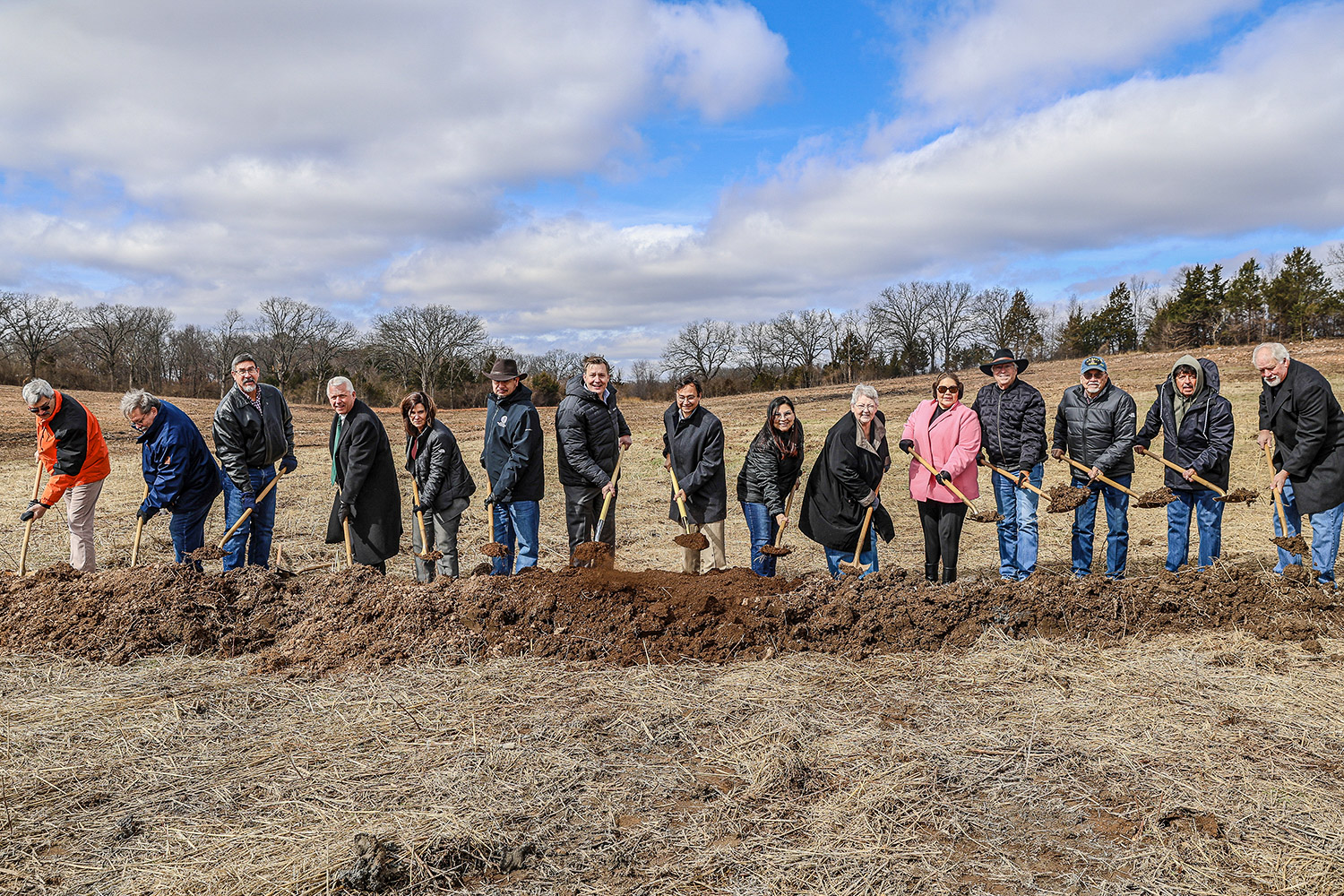
Bridging the Gap: A Critical Review of Housing Assistance for American Indian Families
Housing is more than just shelter; it is a fundamental human right, a cornerstone of health, education, economic stability, and cultural preservation. For American Indian and Alaska Native (AI/AN) families, however, the path to adequate and affordable housing has been historically fraught with systemic challenges, rooted in colonial policies, land dispossession, and chronic underfunding. In response, a complex web of housing assistance programs has emerged, primarily through federal initiatives. This article will critically review these "product offerings," examining their advantages, disadvantages, and ultimately offering recommendations for a more equitable and effective future.
Understanding the "Product": The Landscape of Native Housing Assistance
The primary "product" under review is the framework of housing assistance designed to serve American Indian families, predominantly on tribal lands and in Native communities. The cornerstone of this framework is the Native American Housing Assistance and Self-Determination Act (NAHASDA) of 1996. NAHASDA revolutionized Native housing by replacing several fragmented federal programs with a block grant system, empowering tribes to administer their own housing programs based on local needs and priorities. Other significant, albeit often complementary, "products" include:
- U.S. Department of Housing and Urban Development (HUD) Programs: Beyond NAHASDA, some tribes and Native individuals may access broader HUD programs like Section 8 vouchers, though these are often less effective on trust lands due to unique land tenure issues.
- Bureau of Indian Affairs (BIA) Programs: While not primarily a housing provider, the BIA plays a role in infrastructure development and land management, which indirectly impacts housing.
- Department of Agriculture (USDA) Rural Development Programs: Offers housing loans and grants for low-income individuals and families in rural areas, including some tribal communities.
- Tribal Housing Authorities (THAs): These tribal entities are the direct implementers of NAHASDA funds, designing, building, and managing housing units, as well as providing various housing services.
- Private and Non-Profit Initiatives: Various organizations and philanthropies also contribute to housing efforts in Native communities, often filling gaps left by federal programs.

This review will primarily focus on the NAHASDA framework due to its central role and design for tribal self-determination.
Advantages: The Strengths of the "Product"

The current housing assistance framework, particularly NAHASDA, offers several crucial advantages, representing significant steps forward from previous paternalistic approaches:
-
Tribal Self-Determination and Local Control: This is NAHASDA’s crowning achievement. By consolidating funding into block grants, it empowers tribes to identify their specific housing needs, prioritize projects (e.g., rental units, homeownership programs, rehabilitation, infrastructure development), and design culturally appropriate housing solutions. This autonomy ensures that resources are allocated where they are most impactful and reflect community values, rather than being dictated by federal mandates.
-
Addressing Basic Shelter Needs: Despite its limitations, the assistance framework has provided tens of thousands of homes and housing opportunities, directly improving living conditions for countless Native families. It has reduced rates of homelessness, overcrowding, and substandard housing that were historically rampant. Without these programs, the housing crisis in Native communities would be far more catastrophic.
-
Flexibility in Program Design: NAHASDA funds can be used for a wide array of activities: new construction, rehabilitation of existing units, down payment assistance for homeownership, rental assistance, housing management services, and even limited infrastructure development (water, sewer, roads) directly connected to housing projects. This flexibility allows tribes to adapt to dynamic community needs and economic conditions.
-
Economic Development and Job Creation: Housing construction and rehabilitation projects generate local jobs in trades, project management, and related services. This provides much-needed employment opportunities within tribal communities, fostering local economies and keeping resources within the community. The development of stable housing also creates a foundation for broader economic growth.
-
Improved Health and Educational Outcomes: Stable, safe, and adequate housing is directly linked to better health outcomes (reduced respiratory illnesses, lead poisoning, injuries) and improved educational attainment (children have a quiet place to study, better attendance due to reduced mobility). Housing assistance, therefore, has a ripple effect across multiple aspects of community well-being.
-
Cultural Preservation and Community Building: With tribal control, housing designs can incorporate traditional architectural elements, communal spaces, and multi-generational living arrangements that support cultural practices and family structures. Stable housing fosters stronger, more cohesive communities, providing a sense of place and belonging that is vital for cultural continuity.
-
Capacity Building within Tribal Governments: Managing NAHASDA funds and housing programs has significantly enhanced the administrative and technical capacity of many Tribal Housing Authorities and tribal governments, enabling them to navigate complex federal regulations and manage large-scale projects.
Disadvantages: The Shortcomings of the "Product"
Despite its inherent strengths and good intentions, the housing assistance "product" for American Indian families suffers from critical shortcomings that severely limit its effectiveness and reach:
-
Chronic and Severe Underfunding: This is by far the most significant drawback. NAHASDA has been consistently and dramatically underfunded relative to the immense need. The funding levels have not kept pace with inflation, population growth, or the escalating costs of construction. The existing housing stock on many reservations is decades old and in dire need of replacement or major rehabilitation, a task made impossible by insufficient capital. This underfunding perpetuates the crisis, leaving thousands of families in overcrowded, substandard, or unsafe conditions.
-
Severe Infrastructure Deficiencies: Many tribal lands, especially remote ones, lack basic infrastructure such as reliable water and sewer systems, electricity, roads, and broadband internet. The cost of extending these utilities to new housing developments can easily exceed the cost of the homes themselves, making new construction prohibitively expensive. NAHASDA provides only limited funding for infrastructure directly tied to housing, leaving a massive gap that needs dedicated, substantial investment.
-
Unique Land Tenure Issues (Trust Land): The status of trust land, where land is held in trust by the federal government for the benefit of tribes or individual Indians, presents significant challenges. It complicates the ability of individuals to use land as collateral for conventional mortgages, making it difficult to access mainstream financing. While programs like the Section 184 Indian Home Loan Guarantee Program exist, they are often insufficient to overcome the systemic barriers and lender reluctance related to trust land. This perpetuates a cycle of dependency on tribal or federal housing programs rather than fostering private homeownership.
-
High Construction Costs in Remote Areas: Many tribal communities are in geographically isolated, rural areas. This leads to higher costs for transporting materials, attracting skilled labor, and obtaining necessary supplies. These inflated costs further diminish the purchasing power of already insufficient NAHASDA funds, meaning fewer homes can be built or rehabilitated.
-
Bureaucracy and Regulatory Burden: While NAHASDA aimed to streamline processes, tribal housing authorities still face significant administrative burdens and complex federal regulations. Reporting requirements, environmental reviews, and procurement rules can be onerous, especially for smaller tribes with limited administrative capacity, diverting resources from direct housing services.
-
Limited Access to Private Capital: Due to the aforementioned land tenure issues, perceived risk, and lack of understanding of tribal sovereignty, mainstream financial institutions often shy away from investing in housing on tribal lands. This limits the ability of tribes to leverage private capital and diversify their funding sources beyond federal appropriations.
-
Aging and Substandard Housing Stock: Decades of neglect and underinvestment have left many Native communities with an aging housing stock, much of it built to lower standards in previous eras (e.g., early BIA or HUD projects). These units are often in disrepair, energy inefficient, and pose health risks, requiring extensive and costly rehabilitation or replacement that current funding levels cannot support.
-
Capacity Gaps in Smaller Tribes: While NAHASDA promotes self-determination, smaller tribes or those with limited resources may struggle to develop the robust administrative, planning, and technical capacity required to effectively manage complex housing programs, write competitive grants, and navigate federal regulations.
-
Lack of Diverse Housing Options: The overwhelming need often forces tribes to prioritize basic shelter. This can lead to a shortage of specialized housing options, such as units for elders, individuals with disabilities, transitional housing for youth, or diverse rental-to-homeownership pathways.
Recommendations for "Purchase" / Investment in the Product
Considering the critical advantages and disadvantages, the "purchase" recommendation for this housing assistance product is not to discard it, but to fundamentally and substantially reinvest in, expand, and strategically refine it. The core framework of NAHASDA is sound in its intent for self-determination, but it is crippled by its current operational environment.
Here are the key recommendations for a truly effective and equitable housing assistance product for American Indian families:
-
Massive and Sustained Increase in Funding: This is non-negotiable. Congress must significantly increase NAHASDA appropriations to levels commensurate with the documented need. This includes adjustments for inflation and the higher cost of construction in remote areas. A multi-year commitment to increased funding would allow tribes to engage in long-term planning and address the backlog of housing needs.
-
Dedicated Infrastructure Investment: A separate, substantial, and consistent federal funding stream must be established for critical infrastructure (water, sewer, electricity, roads, broadband) on tribal lands. This investment should be decoupled from direct housing units, allowing tribes to build the foundational infrastructure necessary for all types of development, including future housing projects.
-
Innovative Solutions for Land Tenure and Financing: The federal government, in partnership with tribes and financial institutions, must develop innovative and flexible solutions to overcome trust land barriers to private homeownership. This could include expanding and improving the Section 184 program, exploring new land leasing models that satisfy lenders, or establishing tribal loan guarantee programs.
-
Streamlined Regulations and Capacity Building: While accountability is important, federal agencies should work with tribes to simplify regulatory processes, reduce administrative burdens, and provide robust technical assistance and capacity-building resources, particularly for smaller tribes. This ensures that resources are spent on housing, not on excessive paperwork.
-
Promote Energy Efficiency and Resilience: Future housing investments should prioritize energy-efficient designs and materials, as well as climate-resilient construction, to reduce long-term operating costs for families and mitigate the impacts of climate change in vulnerable communities.
-
Holistic Approach to Community Development: Housing assistance should be integrated into broader community development strategies that include economic development, health services, education, and cultural preservation. Housing is a foundation, not an isolated solution. Federal programs should encourage and facilitate cross-programmatic collaboration at the tribal level.
-
Leverage Private-Sector Partnerships: Incentivize and educate private lenders, developers, and philanthropic organizations to invest in tribal housing. This requires addressing their concerns about trust land and providing clear pathways for engagement that respect tribal sovereignty.
Conclusion
The housing assistance framework for American Indian families, anchored by NAHASDA, is a vital "product" that embodies the principles of self-determination and addresses critical needs. Its strengths lie in empowering tribes to tailor solutions to their unique cultural and community contexts. However, like a powerful engine starved of fuel, its effectiveness is severely hampered by chronic underfunding, a lack of basic infrastructure, and the enduring complexities of trust land.
To truly fulfill its promise, this "product" requires a significant and sustained reinvestment from the federal government. It is not merely a matter of providing shelter; it is about honoring treaty obligations, rectifying historical injustices, and enabling American Indian nations to thrive on their own terms. Investing in Native housing is an investment in human dignity, economic equity, and the self-determination of sovereign nations, yielding benefits that extend far beyond the walls of a home. Without this renewed commitment, the housing crisis will continue to undermine the health, well-being, and future prosperity of American Indian families for generations to come.


