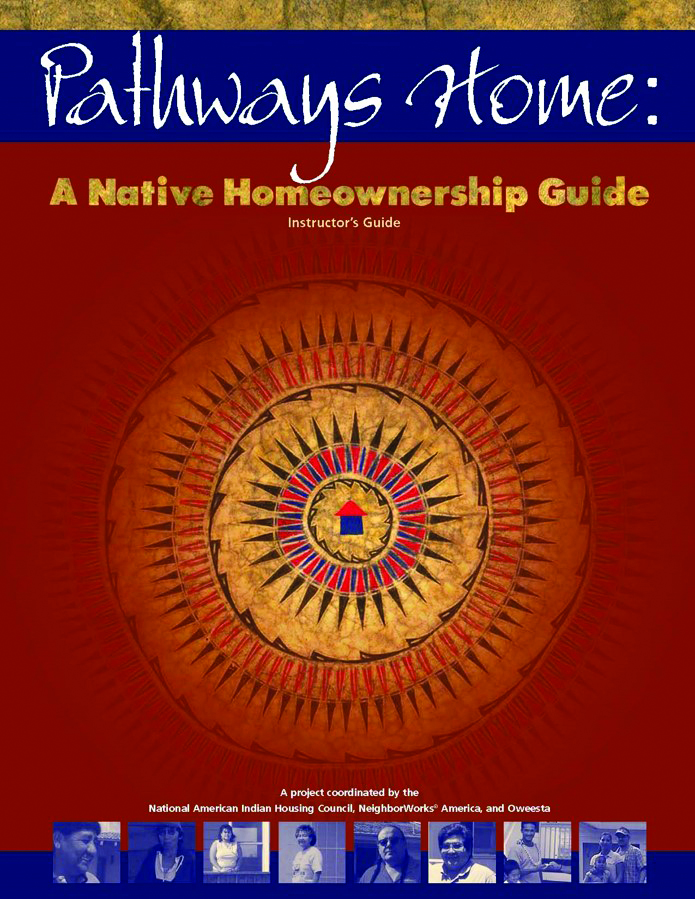
Navigating the Path Home: A Comprehensive Review of Homeownership Education for Native American Loan Applicants
Homeownership, often hailed as the cornerstone of the American Dream, represents far more than just shelter. It’s a powerful vehicle for wealth creation, intergenerational equity, and community stability. For Native American communities, however, the path to homeownership is frequently paved with unique challenges, stemming from historical injustices, distinct land tenure systems, economic disparities, and a lack of culturally relevant resources. It is within this complex landscape that homeownership education for Native American loan applicants emerges as not just a helpful tool, but a critical, empowering intervention.
This article provides a comprehensive review of homeownership education programs specifically tailored for Native American loan applicants. We will examine the core components of these "products" – which are essentially services and curricula – their advantages, their limitations, and ultimately, offer a recommendation on their essential role in fostering sustainable homeownership within tribal nations and urban Indian communities.
The "Product" Defined: What is Native American Homeownership Education?
Unlike a tangible good, homeownership education is a service, a curriculum, and a support system designed to equip prospective homeowners with the knowledge, skills, and confidence needed to successfully navigate the homebuying process and sustain homeownership. For Native American applicants, this education is distinguished by its explicit focus on the unique circumstances and cultural contexts of Indigenous peoples.
These programs are typically offered by a variety of entities:
- Tribal Housing Authorities: Often the most direct and culturally integrated providers, leveraging local knowledge and trust.
- Non-profit Housing Counseling Agencies: Many of which are HUD-approved and some specialize in serving Native American communities (e.g., NeighborWorks America affiliates, local Native-focused organizations).
- Government Agencies: Primarily the U.S. Department of Housing and Urban Development (HUD) Office of Native American Programs (ONAP), which oversees the Section 184 Indian Home Loan Guarantee Program and provides resources for housing counseling.
- Financial Institutions: Some banks and credit unions that actively lend in Native American communities offer their own educational components.
The core curriculum generally covers universal homeownership topics, but with critical adaptations:
- Financial Literacy Fundamentals: Budgeting, saving, understanding credit scores (and how to build or repair them, especially for those with non-traditional credit histories), debt management, and predatory lending awareness.
- Mortgage Process Explained: Understanding different loan products (with a strong emphasis on the Section 184 program), interest rates, closing costs, escrow, and the application process.
- Land Tenure & Property Rights: This is perhaps the most crucial differentiator. Education addresses the complexities of fee simple land, trust land, allotted land, and leases on tribal lands, including the unique legal and administrative procedures involved.
- Home Maintenance & Responsibilities: Basic upkeep, insurance requirements (homeowners, flood, etc.), property taxes (and how they apply differently on tribal lands), and understanding covenants and restrictions.
- Post-Purchase Support: Resources for avoiding foreclosure, refinancing options, and ongoing financial management.
- Culturally Relevant Context: Integrating traditional values, community structures, and historical context into the learning process, often utilizing storytelling and community-based teaching methods.
Key Features and Strengths (Pros)
The specialized nature of homeownership education for Native American loan applicants offers significant advantages:
-
Culturally Competent and Relevant Curriculum:
- Pro: This is arguably the most vital feature. Generic homeownership education often fails to resonate with or address the specific historical and contemporary realities of Native American communities. Culturally competent programs incorporate Indigenous worldviews, community values, and address the legacy of historical trauma and its impact on financial decision-making. They acknowledge the importance of land beyond just an asset, but as a sacred connection, fostering trust and engagement.
- Example: Discussing land ownership not just as a legal transaction, but in the context of tribal sovereignty and traditional land stewardship.
-
Expertise in Unique Land Tenure Systems:
- Pro: The complexities of trust land, fee simple land within reservation boundaries, and various lease agreements are often insurmountable hurdles for mainstream lenders and uneducated applicants. Specialized education demystifies these processes, explaining the roles of the Bureau of Indian Affairs (BIA), tribal governments, and the specific requirements for securing mortgages on these lands. This knowledge is indispensable for accessing programs like Section 184.
- Example: Explaining the process of obtaining a Leasehold Mortgage on trust land, which is fundamentally different from a traditional deed.
-
Focused Guidance on the Section 184 Indian Home Loan Guarantee Program:
- Pro: The Section 184 program is a powerful, tailor-made tool for Native American homeownership. Education programs are typically experts in this loan, explaining its benefits (low down payments, flexible underwriting, lower interest rates), eligibility requirements, and application process. Without this specialized guidance, many eligible applicants might overlook or misunderstand this critical resource.
-
Addressing Non-Traditional Credit Histories:
- Pro: Due to historical factors and economic realities, many Native Americans may have limited or non-existent traditional credit histories. Effective education programs teach applicants how to establish credit using alternative data (e.g., rent payments, utility bills) and guide them through the process of building a strong financial profile acceptable to lenders. This bridges a significant gap that often excludes otherwise qualified applicants.
-
Empowerment and Financial Literacy:
- Pro: Beyond the immediate goal of homeownership, these programs impart essential financial literacy skills that contribute to long-term financial stability. Learning about budgeting, saving, and debt management equips individuals to make informed decisions throughout their lives, fostering economic self-sufficiency and reducing vulnerability to predatory lending.
-
Community Development and Self-Determination:
- Pro: By increasing homeownership rates, these educational initiatives contribute to the overall economic development and stability of tribal communities. Homeowners are more likely to invest in their communities, participate in local governance, and contribute to a stronger tax base (where applicable), aligning with the broader goals of tribal self-determination.
-
Reduced Risk of Foreclosure:
- Pro: Educated homeowners are better prepared for the responsibilities and potential challenges of homeownership. Understanding mortgage terms, budgeting for unexpected expenses, and knowing where to seek help in times of financial distress significantly reduces the likelihood of default and foreclosure, leading to more sustainable homeownership.
Weaknesses and Areas for Improvement (Cons)
Despite its undeniable value, homeownership education for Native American loan applicants faces several significant challenges:
-
Funding Inadequacy and Instability:
- Con: Many programs, particularly those run by tribal housing authorities or small non-profits, operate on shoestring budgets. Inadequate and inconsistent funding limits their reach, the quality of materials, the ability to hire and retain qualified staff, and the capacity to offer ongoing support. This can lead to a patchwork of services rather than a comprehensive national framework.
-
Geographic Accessibility and Digital Divide:
- Con: Many Native American communities are in remote, rural areas with limited access to reliable internet or transportation. This makes in-person workshops difficult to attend and online courses inaccessible for a significant portion of the population. The digital divide exacerbates disparities in access to crucial educational resources.
-
Curriculum Inconsistencies and Lack of Standardization:
- Con: While some excellent curricula exist, there isn’t a universally adopted standard for culturally competent homeownership education. This can lead to variations in quality, comprehensiveness, and cultural relevance across different providers. Some "generic" programs may superficially adapt materials without truly understanding the nuances of Native American experiences.
-
Limited Post-Purchase Support:
- Con: While pre-purchase education is critical, ongoing support after the home is purchased is equally important for long-term success. Many programs struggle to offer robust post-purchase counseling, maintenance workshops, or resources for homeowners facing financial hardship, leaving homeowners vulnerable down the line.
-
Difficulty Overcoming Systemic Barriers:
- Con: Education, while powerful, cannot single-handedly dismantle systemic barriers like discrimination in lending, appraisal bias on tribal lands, lack of infrastructure (roads, utilities), or chronic underemployment. Applicants may be fully educated but still face external obstacles beyond their control, leading to frustration and disillusionment.
-
Staffing and Expertise Challenges:
- Con: Finding and retaining qualified housing counselors who possess both deep financial expertise and cultural competence is a significant challenge. The specialized knowledge required for Native American homeownership (e.g., BIA processes, tribal laws) often necessitates specific training that may not be widely available.
-
Perception and Trust Issues:
- Con: Decades of broken promises and systemic mistreatment by government entities have fostered a deep-seated mistrust among some Native Americans. Building trust to encourage participation in these programs requires sustained effort, consistent outreach, and a genuine commitment from providers to the well-being of the community.
Recommendation: An Essential Investment with Room for Growth
Overall Verdict: Highly Recommended (Essential for Applicants, Crucial for Systemic Support)
For Native American loan applicants, engaging with culturally competent homeownership education is not merely beneficial; it is essential. It is the single most important "product" they can invest their time and effort into to successfully navigate the complex journey to homeownership. Without it, the unique hurdles faced by Indigenous homebuyers become exponentially more difficult to overcome, increasing the risk of financial missteps, loan denials, or unsustainable homeownership.
For Native American Loan Applicants:
- Buy/Engage: Absolutely seek out and complete a homeownership education program, preferably one specifically tailored for Native Americans. This "purchase" is an investment in your future, providing you with the knowledge to make informed decisions, protect your assets, and build intergenerational wealth. Look for programs offered by tribal housing authorities, HUD-approved counseling agencies with Native American specialists, or organizations with a proven track record in Indigenous communities. Be proactive in asking about curriculum, counselor expertise, and cultural relevance.
For Lenders and Financial Institutions:
- Support/Refer: Lenders operating in Native American communities should actively partner with and refer all eligible applicants to these educational programs. It’s a risk mitigation strategy that benefits both the borrower and the lender by fostering responsible homeownership and reducing default rates. Consider funding or sponsoring such programs.
For Tribal Leaders, Policymakers, and Government Agencies (e.g., HUD ONAP):
- Invest/Expand: The "product" of Native American homeownership education needs sustained and increased investment. This includes:
- Increased and Stable Funding: To ensure programs can reach all who need them, maintain high-quality staff, and develop robust curricula.
- Standardization and Quality Control: Developing a national framework or certification for culturally competent Native American homeownership education to ensure consistency and excellence.
- Bridging the Digital Divide: Investing in infrastructure and accessible online platforms to reach remote communities.
- Robust Post-Purchase Support: Funding for ongoing counseling, maintenance workshops, and foreclosure prevention services.
- Workforce Development: Training and certifying more housing counselors with expertise in Native American housing issues and cultural competence.
In conclusion, homeownership education for Native American loan applicants is a powerful, transformative tool. While it faces challenges in funding, accessibility, and standardization, its core value in empowering individuals, addressing unique systemic barriers, and fostering sustainable homeownership is undeniable. It is a critical component in building a future where Native American families can achieve the security, stability, and wealth-building opportunities that homeownership provides, strengthening tribal nations and fulfilling the promise of self-determination. The journey home is complex, but with the right education, it becomes a path paved with knowledge, resilience, and hope.


