A Critical Review: Navigating Home Improvement Loans for Tribal Housing
The dream of a safe, healthy, and culturally resonant home is universal, yet for many Native American families living on tribal lands, this dream is often complicated by unique challenges in accessing conventional financing. Home improvement loans, while a common tool for property owners across the United States, take on a distinct and often more complex character when applied to tribal housing. This article provides a comprehensive review of home improvement loans available for tribal housing, examining their unique benefits, inherent drawbacks, and offering a nuanced recommendation for Native homeowners and those seeking to support them.
The Unique Landscape of Tribal Housing
Before delving into the specifics of loans, it’s crucial to understand the foundational differences that set tribal housing apart. The majority of tribal lands are held in trust by the U.S. government for the benefit of Native American tribes or individual Native Americans. This "trust land" status means that individuals often do not hold a fee-simple title (direct ownership) to their land in the same way non-Native homeowners do. Instead, they may hold a leasehold interest or a tribal assignment, which complicates the use of land as collateral – a cornerstone of conventional mortgage lending.
Furthermore, tribal communities often face:
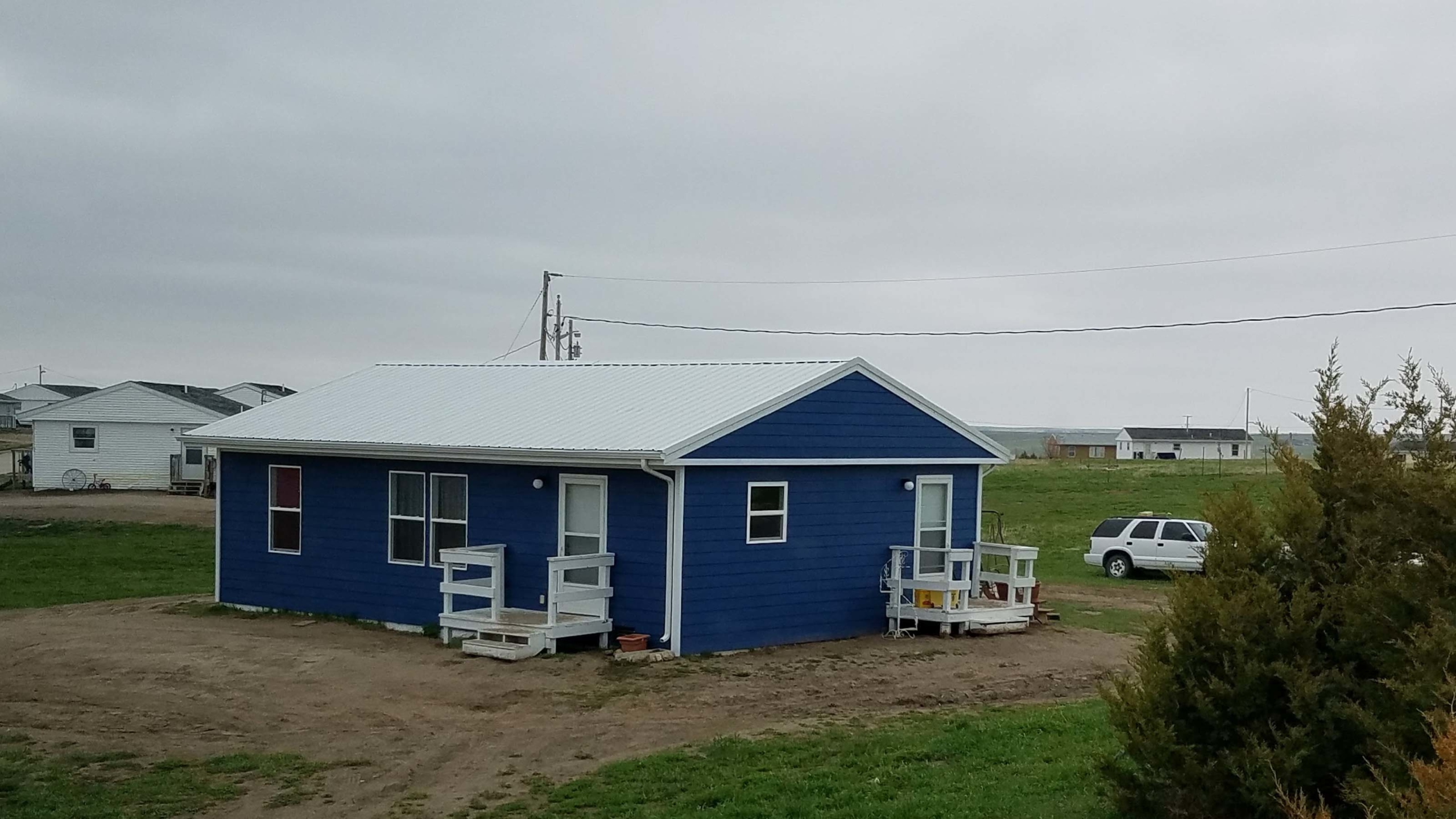
- Geographic isolation: Leading to limited access to conventional financial institutions and construction services.
- Infrastructure deficits: Lack of reliable water, sewer, and electricity can increase renovation costs.
- Socioeconomic disparities: Higher rates of poverty and unemployment can affect loan eligibility and repayment capacity.
- Fractionated ownership: Many allotments are owned by multiple heirs, making decisions about improvements or financing incredibly complex.
- Sovereignty: Tribal governments have jurisdiction over their lands, necessitating an understanding of tribal laws and regulations alongside federal ones.
These factors necessitate a specialized approach to home improvement financing, often relying on federal programs, tribal initiatives, and mission-driven financial institutions.
Types of Home Improvement Loans for Tribal Housing
.jpg "Home improvement loans for tribal housing")
While traditional bank loans are rare for trust land, several specialized options exist:
-
HUD Section 184 Indian Home Loan Guarantee Program:
- Description: This is arguably the most significant and widely utilized program. It provides a loan guarantee to approved lenders (banks, credit unions, and mortgage companies) for Native American individuals, Alaska Natives, and Indian Tribes. While primarily for home purchase and construction, it can be used for rehabilitation and refinancing existing mortgages that include a rehabilitation component.
- Key Feature: The guarantee reduces risk for lenders, making them more willing to lend on trust land. It also has specific provisions for leasehold interests.
-
USDA Rural Development Housing Repair & Rehabilitation Loans and Grants (Section 504):
- Description: This program offers direct loans and grants to very low-income homeowners in rural areas (including tribal lands) to repair, improve, or modernize their homes. Grants are available for elderly very low-income homeowners to remove health and safety hazards.
- Key Feature: Designed for essential repairs to improve habitability, making it ideal for critical home improvements like roofing, plumbing, or electrical work.
-
USDA Rural Development Direct Home Loans (Section 502):
- Description: While primarily for purchasing or building new homes, this program can also be used for substantial rehabilitation of existing homes for low- and very low-income individuals in rural areas, including tribal lands.
- Key Feature: Offers direct loans from the USDA with favorable terms, often requiring no down payment.
-
Community Development Financial Institutions (CDFIs):
- Description: CDFIs are financial institutions that provide credit and financial services to underserved markets and populations. Many CDFIs specifically serve Native American communities, often having a deep understanding of tribal sovereignty, land tenure, and cultural nuances.
- Key Feature: They offer a range of products, including home improvement loans, often with flexible underwriting criteria and integrated financial education and technical assistance. Examples include Native American Bank, Oweesta Corporation, and various tribal-specific CDFIs.
-
Tribal Housing Authority Programs & Tribal Lending Programs:
- Description: Many tribal housing authorities, funded partly by the Native American Housing Assistance and Self-Determination Act (NAHASDA), administer their own home improvement or rehabilitation programs. Some tribes also have their own lending institutions or housing departments that offer direct loans or grants.
- Key Feature: These programs are tailored to the specific needs and policies of the individual tribe, often leveraging federal funds with tribal resources.
-
HUD Community Development Block Grant – Native American Program (ICDBG):
- Description: While primarily for community-wide infrastructure and economic development, tribes can use ICDBG funds for housing rehabilitation activities that benefit low- and moderate-income tribal members. This is typically managed at a tribal level rather than by individual homeowners directly applying.
- Key Feature: Offers flexibility for tribes to address their most pressing housing needs, often focusing on larger-scale rehabilitation projects.
Advantages (Pros) of Home Improvement Loans for Tribal Housing
- Improved Health and Safety: This is perhaps the most critical benefit. Loans enable repairs for leaky roofs, faulty wiring, inadequate plumbing, and structural issues that directly impact residents’ health, preventing illnesses and injuries.
- Enhanced Quality of Life: Modernizing homes with better insulation, heating/cooling systems, updated kitchens, and bathrooms significantly improves comfort and daily living standards, reducing stress and improving well-being.
- Increased Energy Efficiency and Cost Savings: Investments in energy-efficient windows, insulation, and HVAC systems reduce utility bills, providing long-term financial relief for families, especially those on fixed or limited incomes.
- Preservation of Cultural Heritage and Intergenerational Homes: Many tribal homes are deeply rooted in family history and cultural identity. Loans help preserve these homes, allowing elders to age in place and fostering the continuity of family and community traditions.
- Addressing Overcrowding: Loans can facilitate additions or reconfigurations of existing homes, helping to alleviate severe overcrowding issues prevalent in many tribal communities.
- Accessibility Improvements: Funds can be used to make homes accessible for elders and individuals with disabilities, installing ramps, grab bars, and wider doorways, promoting independent living.
- Economic Development: Home improvement projects create jobs for local contractors and suppliers, stimulating the tribal economy and building local capacity.
- Asset Building (Indirectly): While direct equity building on trust land is complex, significant improvements increase the value-in-use of the home and its habitability, making it a more stable and desirable asset for the family.
- Tailored Support: Programs like Section 184 and CDFIs are specifically designed to navigate the complexities of trust land and tribal sovereignty, offering more relevant and accessible financing than conventional options.
Disadvantages (Cons) of Home Improvement Loans for Tribal Housing
- Complex Eligibility and Application Processes: Navigating federal programs requires extensive documentation, including tribal enrollment verification, land status proof (e.g., BIA title status reports), income verification, and detailed project proposals. This can be daunting and time-consuming.
- Limited Access to Lenders: Despite guarantee programs, many conventional banks and credit unions still lack familiarity or willingness to lend on tribal lands, especially in remote areas. This limits options and competition.
- Challenges with Trust Land as Collateral: Even with programs like Section 184, the unique legal status of trust land means that the collateralization process is different and can be perceived as higher risk by lenders, leading to more stringent requirements or fewer available products.
- Slow Processing Times: Federal programs, while beneficial, can be bureaucratic and slow, leading to long waits for loan approvals and disbursements, which can delay urgent repairs or increase project costs.
- Income and Credit Score Requirements: While some programs cater to lower incomes, all loans have some level of income verification and credit assessment. Many tribal members, due to historical economic disparities, may have limited credit history or lower incomes, making qualification difficult.
- Funding Limitations: Grant programs (like USDA 504 grants for the elderly) are often limited in funding and highly competitive, meaning many eligible applicants may not receive assistance.
- Risk of Debt Burden: While necessary, taking on debt for home improvements still carries a risk, especially in communities with fluctuating employment or income. Mismanagement or unforeseen circumstances can lead to financial strain.
- Navigating Tribal Regulations: Beyond federal requirements, homeowners must also comply with tribal housing codes, building permits, and environmental regulations, adding another layer of complexity.
- Predatory Lending Risk (Less Common for Federal/CDFIs, but Present): In areas with limited legitimate options, tribal members can be vulnerable to predatory lenders offering high-interest, short-term loans that are unsustainable. While less common for dedicated home improvement loans, it’s a general risk in underserved financial markets.
Key Considerations for Tribal Homeowners
For Native American homeowners considering a home improvement loan, several factors are paramount:
- Understand Your Land Status: Know whether your land is trust land, fee-simple, or a tribal assignment. This dictates which loan programs are even an option.
- Explore All Specialized Options First: Prioritize HUD Section 184, USDA Rural Development programs, and local CDFIs. These are designed with tribal housing in mind.
- Engage with Your Tribal Housing Authority: They are an invaluable resource, often administering their own programs, providing technical assistance, and guiding members through federal applications.
- Seek Financial Counseling: Many CDFIs and non-profits offer free or low-cost financial literacy and credit counseling. This can help prepare you for the loan process and manage your finances effectively.
- Get Multiple Quotes: For any home improvement project, obtain detailed bids from several reputable contractors. Ensure they are licensed and insured, and ideally have experience working on tribal lands.
- Understand Loan Terms: Carefully review interest rates, repayment schedules, fees, and any penalties. Don’t sign anything you don’t fully understand.
- Consider the Long-Term Impact: Beyond the immediate fix, think about how the improvements will contribute to your family’s health, safety, and financial stability over the long term.
Recommendation: A Vital Tool, Used Strategically
Home improvement loans for tribal housing are highly recommended as a vital tool for addressing critical housing needs and improving the quality of life in Native American communities. However, this recommendation comes with a strong caveat: homeowners must be strategic, informed, and diligent in their approach.
Purchase Recommendation:
- For critical health and safety repairs (e.g., roof, plumbing, heating): Strongly recommend exploring USDA Section 504 Loans and Grants first, especially for very low-income or elderly homeowners. These programs are specifically designed for these essential needs and offer favorable terms, including grants where eligible.
- For more comprehensive rehabilitation or modernization projects: Highly recommend the HUD Section 184 Indian Home Loan Guarantee Program and Native American-focused CDFIs. Section 184 is built for this context, and CDFIs offer a culturally competent, flexible, and supportive lending environment often accompanied by crucial technical assistance.
- For tribal members with access to their own tribal programs: Strongly recommend engaging with your Tribal Housing Authority or tribal lending institution. These programs are often the most tailored and accessible options.
- For conventional bank loans on trust land: Proceed with extreme caution, if at all. Unless you have a fee-simple deed (rare on tribal lands) or are working with a lender deeply experienced in Section 184 leasehold mortgages, conventional options are generally not suitable or accessible.
Overall Recommendation:
Home improvement loans are not just about fixing a house; they are about fostering well-being, preserving heritage, and building stronger communities. For Native American homeowners, these loans offer a pathway to healthier, safer, and more stable living environments. However, the path is not always straightforward. Success hinges on proactive engagement with tribal resources, diligent research into specialized federal programs and CDFIs, and a commitment to understanding the unique financial and legal landscape of tribal lands. With the right support and information, these loans can indeed transform houses into homes that truly serve their families and communities for generations to come.


