
A Foundation for Futures: Reviewing Government Home Loans for Native Americans
The dream of homeownership is a cornerstone of the American ideal, representing stability, wealth accumulation, and a place to build a family’s future. Yet, for Native Americans and Alaska Natives, this dream has historically been fraught with unique challenges, stemming from complex land ownership structures, historical disinvestment, and limited access to conventional financial services. Recognizing these systemic barriers, the U.S. government has developed and supported a suite of specialized home loan programs designed to empower Native Americans to achieve homeownership, both on and off tribal lands.
This comprehensive review delves into these critical government home loan programs, examining their features, advantages, and disadvantages. We will explore who these "products" are designed for, and ultimately, offer a recommendation for their utilization, not just as financial instruments, but as tools for community development and self-determination.
Understanding the Unique Landscape: Why Specialized Loans Are Essential
Before dissecting the programs themselves, it’s crucial to understand the distinct environment in which Native American homeownership operates. Unlike typical property ownership (fee simple), much of tribal land is held in trust by the U.S. government for the benefit of Native American tribes or individuals. This "trust land" status creates significant hurdles for traditional mortgage lending:

- Collateral Issues: Lenders typically require the ability to foreclose on a property if a borrower defaults. On trust land, the land itself cannot be alienated or sold without federal approval, making it difficult for lenders to secure their investment.
- Lack of Infrastructure: Many tribal communities, particularly in rural areas, lack the essential infrastructure (roads, utilities, water, sanitation) necessary for new home construction or even the appraisal of existing homes.
- Credit Access: Historical economic disparities and the absence of mainstream financial institutions in many tribal areas have led to lower credit scores or "thin" credit files for many Native Americans, making it harder to qualify for conventional loans.
- Cultural and Legal Complexity: Navigating tribal laws, federal regulations, and state laws simultaneously can be daunting for both borrowers and lenders.
These challenges highlight why generic mortgage products often fall short, necessitating specialized government programs that address these intricacies head-on.
The Product Lineup: Key Government Home Loan Programs
The U.S. government offers several programs, some specifically tailored for Native Americans, and others broadly available but particularly beneficial.
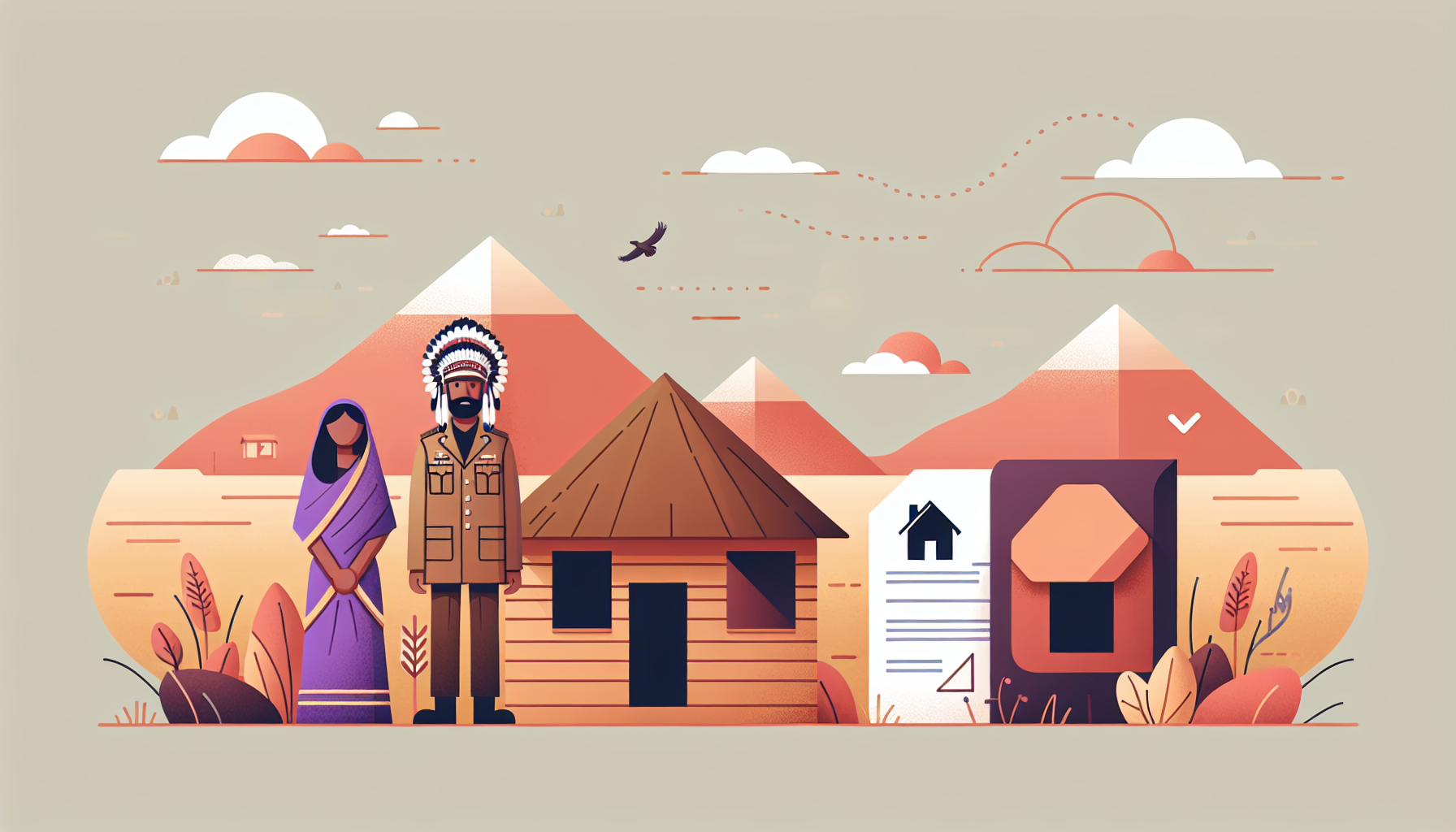
1. HUD Section 184 Indian Home Loan Guarantee Program
Product Overview: This is arguably the most significant and directly relevant program. The U.S. Department of Housing and Urban Development (HUD) Section 184 program provides a loan guarantee to approved lenders, allowing them to make mortgages to eligible Native Americans and Alaska Natives for homes on and off trust lands, as well as in tribal areas. Because HUD guarantees a portion of the loan, lenders are more willing to participate.
Key Features:
- Guaranteed Loans: Reduces risk for lenders, encouraging participation.
- Low Down Payment: Typically as low as 2.25% for loans over $50,000, and 1.25% for loans under $50,000.
- Flexible Underwriting: Considers non-traditional income sources and credit histories.
- Eligibility: Must be an enrolled member of a federally recognized tribe or an Alaska Native.
- Property Types: Can be used for purchasing an existing home, constructing a new home (including manufactured homes permanently affixed to the land), or rehabilitating a home.
- Trust Land Friendly: Specifically designed to work with unique tribal land lease agreements.
- Competitive Interest Rates: Often comparable to conventional rates, if not better.
- Streamlined Refinancing: Available for existing Section 184 loans.
2. VA Native American Direct Loan (NADL) Program
Product Overview: Administered by the U.S. Department of Veterans Affairs (VA), the NADL program offers direct home loans to eligible Native American veterans to purchase, construct, or improve homes on Federal Trust Land. It’s a powerful benefit for those who have served.
Key Features:
- Direct Lender: The VA acts as the lender, not just a guarantor, simplifying the process.
- Zero Down Payment: A major advantage for veterans.
- Low Interest Rates: Generally very competitive, often lower than market rates.
- No Private Mortgage Insurance (PMI): Another significant cost saving.
- Eligibility: Must be an eligible Native American veteran, and the property must be on Federal Trust Land.
- Loan Purpose: Purchase, construction, improvement, or refinancing of an existing NADL loan.
- Assumable Loans: Can be assumed by a qualified borrower, even if they are not a Native American veteran.
3. Other Relevant Programs (Broadly Accessible, but Beneficial)
While not exclusively for Native Americans, other government-backed loan programs can also be vital tools:
- FHA Loans (Federal Housing Administration): These loans feature low down payments (as low as 3.5%) and more lenient credit requirements than conventional loans. They are widely available and can be used by Native Americans for homes off trust lands.
- USDA Rural Development Loans: For properties in eligible rural areas, the U.S. Department of Agriculture (USDA) offers zero-down-payment loans for low- and moderate-income individuals. Many tribal communities are in rural areas, making this a viable option.
- HUD Indian Community Development Block Grant (ICDBG) Program: While not a direct home loan, ICDBG provides grants to tribal governments and Alaska Native villages to develop viable communities, including housing construction, rehabilitation, and infrastructure development. These grants can indirectly support homeownership by creating the necessary conditions or even providing down payment assistance programs.
Advantages (Pros) of Government Home Loans for Native Americans
The specialized nature of these programs yields numerous benefits, directly addressing the historical barriers to homeownership:
- Increased Access to Homeownership: This is the primary and most significant advantage. By mitigating lender risk and addressing trust land complexities, these programs open doors that would otherwise remain closed, fostering stability and wealth creation.
- Flexible Underwriting and Credit Requirements: Programs like Section 184 understand that traditional credit scoring may not fully capture the financial stability of Native American borrowers. They often consider non-traditional credit references (e.g., utility payments, rental history) and a broader view of income, making homeownership attainable for more individuals.
- Low or Zero Down Payments: The Section 184’s low down payment (as little as 1.25% or 2.25%) and the NADL’s zero-down option significantly reduce the initial financial hurdle, which is often the biggest barrier for first-time homebuyers.
- Competitive Interest Rates: Due to the government guarantee or direct lending, these loans typically offer favorable and stable interest rates, making monthly payments more affordable over the life of the loan.
- Addressing Trust Land Challenges: Section 184 and NADL are specifically designed to navigate the legal complexities of trust land, offering a clear pathway for homeownership where conventional loans cannot. This is crucial for maintaining tribal sovereignty and cultural connection to land.
- No Private Mortgage Insurance (PMI) for NADL: The NADL program eliminates PMI, a significant ongoing cost for borrowers with less than 20% equity, further reducing the financial burden on veterans. Section 184 does have an upfront and annual Mortgage Insurance Premium (MIP), but it’s often more affordable than conventional PMI alternatives.
- Financial Education and Counseling: Many programs, or the lenders participating in them, often offer financial counseling and homebuyer education resources, empowering borrowers with the knowledge needed for successful homeownership and financial management.
- Community Development and Economic Empowerment: Beyond individual homeownership, these programs contribute to the overall economic development and stability of tribal communities by increasing the housing stock, creating local jobs in construction, and fostering a sense of permanence and investment.
Disadvantages (Cons) of Government Home Loans for Native Americans
While immensely beneficial, these programs are not without their drawbacks and complexities:
- Bureaucracy and Complexity: Navigating government programs can be challenging. Each program has specific eligibility criteria, application processes, and documentation requirements, which can be time-consuming and confusing for borrowers and even some lenders.
- Limited Lender Participation: While the Section 184 program has grown, the number of lenders approved to originate these loans, especially on specific reservations or in remote areas, can still be limited. This restricts choice and competition, and borrowers may need to search extensively for a participating lender.
- Appraisal Challenges on Trust Land: Appraising homes on trust land can be difficult. The lack of comparable sales data, unique land tenure systems, and varying infrastructure quality can lead to lower appraisals or delays, impacting loan amounts and timelines.
- Geographic Restrictions: The NADL program, for instance, is strictly limited to homes on Federal Trust Land. While Section 184 is broader, not all properties or tribal areas may be easily serviced. USDA loans also have specific rural area requirements.
- Funding Limitations and Processing Times: Like many government programs, funding can sometimes be limited, and processing times can be longer than for conventional loans due to the additional layers of review (e.g., tribal approval, BIA review for trust land leases).
- Mortgage Insurance Premiums (MIP) for Section 184: While the down payment is low, Section 184 loans require both an upfront and annual Mortgage Insurance Premium (MIP), which adds to the overall cost of the loan, similar to FHA loans.
- Awareness and Education Gap: Many Native Americans, and even some mainstream lenders, may not be fully aware of these programs or how they work, leading to missed opportunities or a reluctance to utilize them.
- Strict Eligibility for Specific Programs: Programs like NADL are highly specific (Native American veteran, on trust land), meaning they are not universally applicable to all Native Americans seeking homeownership.
Recommendation: Who Should "Buy" These Loans?
Government home loan programs for Native Americans are not just a product; they are an invaluable resource and an essential pathway to homeownership and community development.
These loans are highly recommended for:
- Any enrolled member of a federally recognized tribe or Alaska Native seeking to purchase, build, or rehabilitate a home, especially those considering properties on tribal trust lands.
- Native American veterans who qualify for the VA Native American Direct Loan (NADL) program, as it offers exceptional benefits including zero down payment and low interest rates on trust land.
- First-time homebuyers who may struggle with traditional down payment requirements or have less-than-perfect credit histories.
- Individuals and families living in or moving to tribal communities where these programs are specifically designed to operate.
- Those looking for flexible underwriting that understands and accommodates the unique financial landscapes often found in Native American communities.
- Tribal governments and housing authorities looking to support their members in achieving homeownership and to develop sustainable housing solutions within their communities.
Before "buying" (applying for) these loans, it is strongly recommended that potential borrowers:
- Seek Certified Housing Counseling: Connect with a HUD-approved housing counselor specializing in Native American programs. They can help navigate eligibility, explain the nuances of each program, and prepare you for the application process.
- Contact Tribal Housing Authorities: Many tribes have their own housing departments that can provide invaluable local guidance, resources, and connections to lenders.
- Research Approved Lenders: Identify lenders experienced with Section 184 or VA NADL loans, as their expertise can significantly streamline the process.
- Understand Trust Land Leases: For homes on trust land, be prepared to understand and secure the necessary lease agreements, which are a critical component of these loans.
Conclusion: Building a Brighter Future, One Home at a Time
Government home loan programs for Native Americans are more than just financial instruments; they are a testament to ongoing efforts to rectify historical inequities and empower self-determination. While the path to homeownership through these programs can involve navigating some bureaucratic complexities and specific requirements, the benefits — particularly increased access, flexible terms, and the ability to build equity on tribal lands — far outweigh the challenges.
For Native Americans and Alaska Natives aspiring to own a home, these programs offer a tailored, supportive, and often essential avenue to achieve that dream. By understanding the options, seeking expert guidance, and persevering through the process, individuals and communities can leverage these powerful tools to build stable foundations for their families and contribute to the economic and social vitality of their nations. These loans are not just about houses; they are about building futures, fostering stability, and strengthening the fabric of Native American communities across the country.


