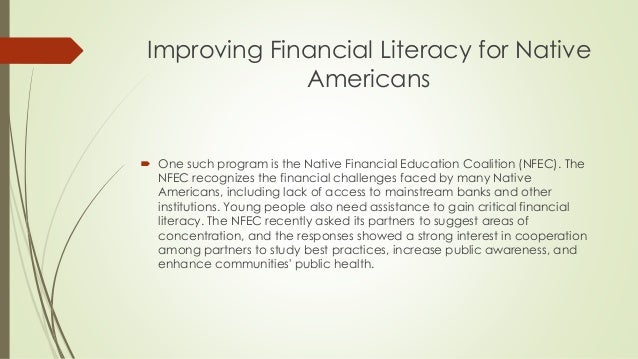
Empowering Futures: A Comprehensive Review of Financial Literacy for Native American Home Buyers
Homeownership has long been a cornerstone of the American Dream, symbolizing stability, wealth accumulation, and community rootedness. For Native American communities, however, this dream is often complicated by unique historical, economic, and systemic barriers. From the legacy of land dispossession and the complexities of trust land tenure to persistent economic disparities and limited access to mainstream financial services, the path to homeownership for Native Americans presents distinct challenges. In this context, tailored financial literacy programs emerge not merely as educational tools, but as critical instruments for empowerment, self-determination, and the realization of intergenerational wealth.
This review examines the concept of "Financial Literacy for Native American Home Buyers" as a vital product – a set of services, curricula, and support systems designed to navigate these specific obstacles. We will delve into its core components, evaluate its advantages and disadvantages, and offer a comprehensive recommendation on its indispensable value.
Understanding the "Product": Financial Literacy for Native American Home Buyers
Unlike a tangible consumer good, "Financial Literacy for Native American Home Buyers" is an educational and supportive ecosystem. It encompasses a range of programs, workshops, one-on-one counseling, and resource materials developed by tribal housing authorities, non-profit organizations, federal agencies (like HUD), and community development financial institutions (CDFIs). Its fundamental "product" is knowledge, guidance, and the practical skills necessary for Native individuals and families to successfully acquire and sustain homeownership.

Core Components of the "Product":
- Culturally Contextualized Financial Education: This is the bedrock. Generic financial advice often fails to resonate or address the specific circumstances of Native Americans. Effective programs integrate cultural values, historical context, and an understanding of tribal governance and land systems.
- Credit Building and Repair: Many Native individuals, particularly in remote areas, may have limited credit histories or face challenges in accessing traditional credit. Programs focus on understanding credit scores, establishing positive credit, and repairing damaged credit through practical strategies.
- Budgeting and Savings Strategies: Tailored advice on managing income, reducing debt, and building savings for down payments, closing costs, and emergency funds, often considering seasonal income patterns or reliance on traditional economies.
- Understanding Mortgage Products: A deep dive into various loan options, with a particular emphasis on programs specifically designed for Native Americans, such as the HUD Section 184 Indian Home Loan Guarantee Program. This includes explaining interest rates, loan terms, escrow, and the application process.
- Navigating Unique Land Tenure Issues: This is perhaps the most critical and specialized component. It addresses the complexities of purchasing homes on trust lands (which cannot be mortgaged in the traditional sense), tribal lands, or fee simple lands. This includes understanding land leases, title clearances, tribal codes, and intergovernmental agreements.
- Homeownership Responsibilities: Education extends beyond the purchase to the long-term responsibilities of owning a home, including property taxes (where applicable), home insurance, maintenance, repairs, and understanding warranties.
- Avoiding Predatory Lending: Empowering individuals to identify and avoid predatory loan practices, which disproportionately target vulnerable communities.
- Accessing Down Payment Assistance and Grant Programs: Guiding potential homeowners through the myriad of federal, state, tribal, and non-profit programs designed to make homeownership more accessible.
- Post-Purchase Support: Some programs offer ongoing support and resources for new homeowners, helping them manage their finances and address issues that arise after closing.
Advantages (Pros) of Financial Literacy for Native American Home Buyers
The benefits of these specialized financial literacy programs extend far beyond individual transactions, impacting families, communities, and the future prosperity of Native Nations.
- Economic Empowerment and Wealth Creation: Homeownership is a primary driver of intergenerational wealth. By enabling Native families to build equity, these programs contribute directly to closing the wealth gap and fostering economic self-sufficiency. This equity can then be leveraged for education, business ventures, or passed down to future generations.
- Enhanced Access to Homeownership: These programs demystify a complex process, providing the knowledge and tools necessary to overcome historical and systemic barriers. By improving credit, increasing savings, and understanding specialized loan products, more Native individuals become eligible and confident home buyers.
- Community Stability and Development: A higher rate of homeownership correlates with stronger, more stable communities. Homeowners are often more invested in local schools, infrastructure, and civic engagement, contributing to the overall well-being and development of their tribal nations.
- Protection Against Exploitation: Informed consumers are less susceptible to predatory lending practices, scams, and unfavorable contracts. Financial literacy equips Native home buyers with the critical thinking skills to evaluate offers and make sound financial decisions, safeguarding their assets and futures.
- Cultural Relevance and Trust Building: Programs designed with cultural sensitivity foster trust and engagement. When financial concepts are presented within a familiar cultural framework, participants are more likely to absorb the information and apply it effectively. This also helps to bridge historical distrust of external financial institutions.
- Tailored Navigation of Unique Land Tenure: This is a paramount advantage. Generic financial advice cannot address the nuances of purchasing on trust lands, which involve complex legal frameworks and require specific knowledge of tribal regulations and federal policies like the American Indian Probate Reform Act (AIPRA). Specialized literacy provides this essential guidance.
- Breaking Cycles of Poverty: By enabling homeownership, these programs offer a tangible path out of poverty, providing a stable foundation from which families can pursue education, career advancement, and improved health outcomes.
- Increased Financial Confidence and Decision-Making: Beyond specific skills, participants gain overall financial confidence, empowering them to make informed decisions about their money throughout their lives, not just during the home-buying process.
Disadvantages (Cons) and Challenges
Despite its immense value, the implementation and reach of financial literacy programs for Native American home buyers face several significant hurdles.
- Accessibility Challenges: Many Native American communities are geographically isolated, with limited access to reliable internet, transportation, or physical training facilities. This makes it difficult to deliver in-person workshops or access online resources, leaving some of the most vulnerable populations underserved.
- Funding and Resource Limitations: Developing, implementing, and sustaining comprehensive, culturally appropriate financial literacy programs requires substantial and consistent funding. Many tribal housing authorities and non-profits operate with limited budgets, restricting their ability to scale programs or offer ongoing support.
- Overcoming Historical Distrust and Skepticism: Generations of broken promises and exploitative practices have fostered deep-seated distrust of external institutions, including financial ones. Engaging community members and building the necessary trust for effective program participation can be a slow and challenging process.
- Curriculum Development and Cultural Appropriateness: Crafting a curriculum that is both financially sound and genuinely culturally appropriate requires significant expertise and community input. Generic content can be ineffective or even counterproductive. The diversity among 574 federally recognized tribes means a "one-size-fits-all" approach is rarely sufficient.
- Scalability and Reach: While effective on a smaller scale, expanding these programs to reach all Native American communities in need presents a massive logistical challenge. The sheer number of potential beneficiaries and the unique needs of each tribe make broad implementation complex.
- Complexity of the Financial and Legal Landscape: Even with specialized training, the interwoven complexities of federal Indian law, tribal codes, state laws, and mainstream financial regulations can be overwhelming for both educators and participants. Keeping up with changes requires continuous effort.
- Sustained Engagement and Follow-Through: Financial literacy is not a one-time event; it requires sustained practice and application. Ensuring long-term engagement and helping participants follow through on their financial plans can be difficult, especially when faced with immediate economic pressures.
- Staffing and Expertise: Finding qualified educators and counselors who possess both financial expertise and cultural competency can be a significant challenge, particularly in remote areas. Training and retaining such professionals is crucial but often underfunded.
Recommendation: An Indispensable Investment
Based on the profound advantages and the critical needs it addresses, Financial Literacy for Native American Home Buyers is not merely recommended; it is an indispensable and urgent investment.
Recommendation to "Purchase" / Invest In:
For any Native individual or family contemplating homeownership, or for tribal nations and organizations committed to the economic well-being of their people, actively seeking out and participating in these specialized financial literacy programs is paramount.
- For Individuals/Families: Prioritize these programs as a foundational step. Do not attempt to navigate the complex home-buying landscape, especially on tribal or trust lands, without this tailored education. It will save you time, money, and stress, and protect you from potential pitfalls. Look for programs offered by your tribal housing authority, HUD-approved counseling agencies, Native CDFIs, or reputable non-profits.
- For Tribal Nations and Organizations: Invest heavily in developing, funding, and sustaining robust, community-led financial literacy initiatives. These are not optional services but essential infrastructure for economic development and self-determination. Partner with federal agencies, philanthropic foundations, and other organizations to secure resources and expertise.
Recommendations for Improvement and Broader Implementation:
To maximize the "product’s" effectiveness and overcome its disadvantages, the following are crucial:
- Increased and Sustained Funding: Federal, state, and philanthropic sources must commit to long-term, flexible funding for these programs, recognizing their foundational role in economic development.
- Community-Led Design and Delivery: Programs must be designed by and for Native communities. This ensures cultural relevance, builds trust, and addresses specific local needs and challenges.
- Hybrid Delivery Models: Combine in-person workshops (where feasible) with accessible online modules, mobile outreach, and tele-counseling to overcome geographic barriers and internet limitations. Leverage tribal radio and community centers.
- Integration with Existing Tribal Services: Embed financial literacy into broader tribal housing, economic development, and social service programs to create a holistic support system.
- Focus on Post-Purchase Support: Extend services beyond the initial home purchase to include education on home maintenance, budgeting for repairs, and managing property taxes to ensure long-term homeownership success.
- Capacity Building for Educators: Invest in training and certification for Native financial counselors and educators to ensure a culturally competent and expert workforce.
- Advocacy for Policy Changes: Advocate for federal and tribal policies that simplify land tenure issues, increase access to capital, and streamline the home-buying process for Native Americans.
Conclusion
Financial literacy for Native American home buyers is far more than a set of lessons; it is a catalyst for transformation. It is a critical investment in empowering individuals, strengthening families, and building resilient, self-determined Native Nations. While challenges related to accessibility, funding, and historical distrust persist, the profound benefits of these tailored programs – from fostering economic independence and wealth creation to preserving cultural heritage and enhancing community stability – underscore their irreplaceable value. By prioritizing and investing in these initiatives, we not only help Native Americans achieve the dream of homeownership but also contribute to a more equitable and prosperous future for all. The "purchase" of this knowledge is not an expense, but an invaluable down payment on self-determination and lasting prosperity.


