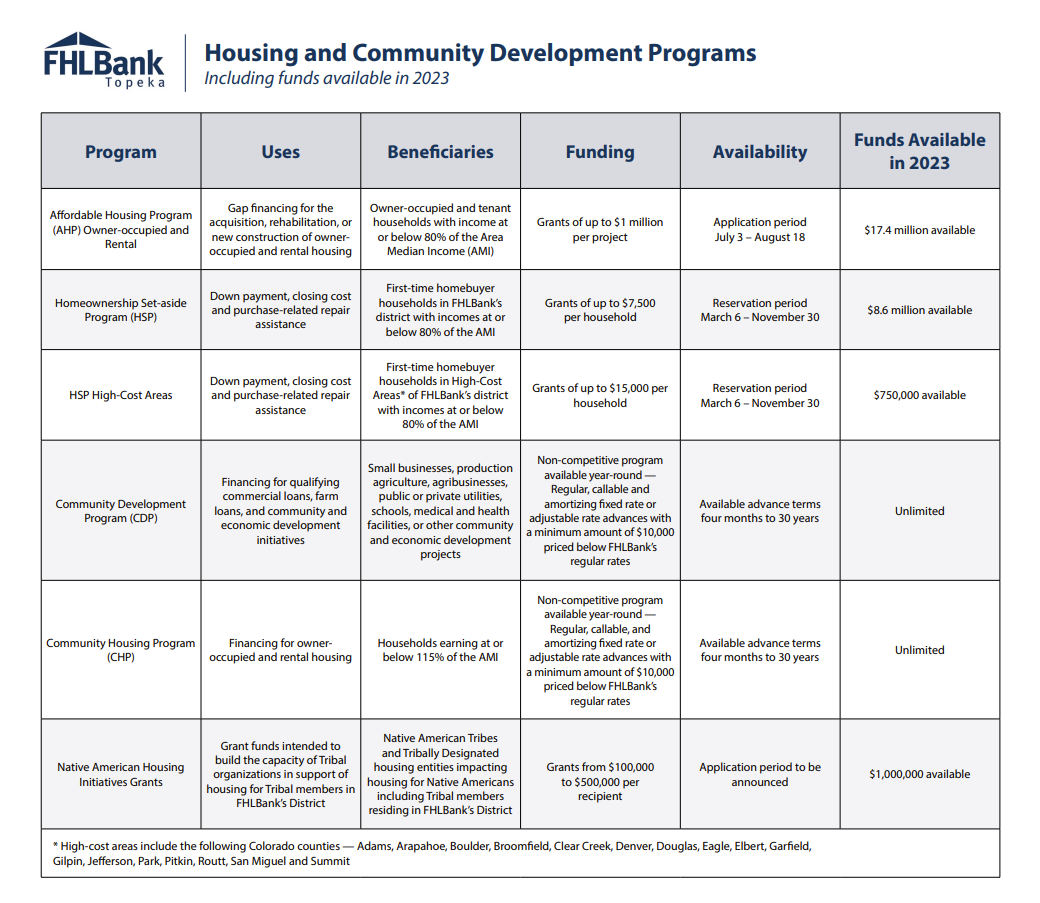
A Comprehensive Review: Navigating Eligibility for Native American Housing Programs
In the landscape of housing solutions, Native American housing programs stand as a vital, yet often complex, set of resources designed to address the profound housing disparities within Indigenous communities. These programs, primarily overseen by the U.S. Department of Housing and Urban Development (HUD) through initiatives like the Native American Housing Assistance and Self-Determination Act (NAHASDA), are not merely housing schemes; they are instruments of tribal sovereignty, self-determination, and cultural preservation.
Treating eligibility for these programs as a "product review" allows us to dissect its features, benefits, drawbacks, and ultimately, determine who this "product" is best suited for. This review will delve into the intricate layers of eligibility, explore the significant advantages and inherent challenges, and provide a comprehensive recommendation for potential applicants.
Understanding the "Product": Native American Housing Programs
At its core, the "product" we are reviewing is access to housing resources specifically tailored for Native Americans and Alaska Natives. These programs aim to provide safe, sanitary, and affordable housing on Indian reservations and in Native Alaskan villages, addressing a historical legacy of underdevelopment and inadequate infrastructure.

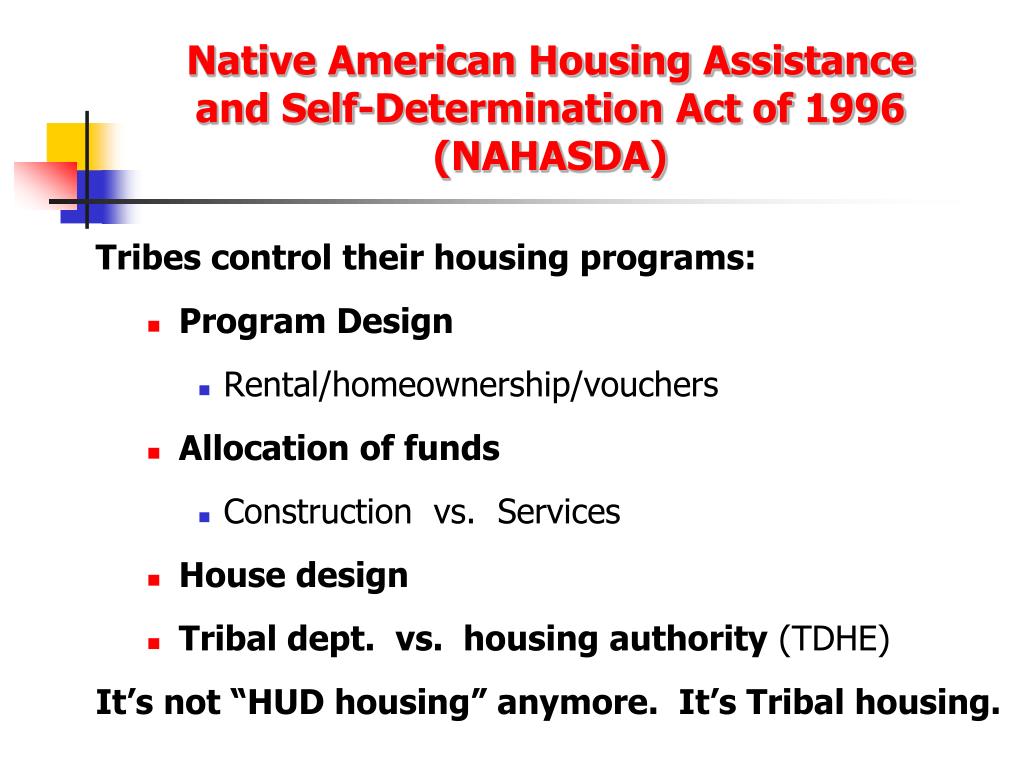
The primary mechanism for these programs is NAHASDA, which consolidates several federal housing programs into a single block grant program. This grant provides flexible funds to Tribally Designated Housing Entities (TDHEs) – often tribal housing authorities – to administer housing assistance programs according to their unique community needs. These programs can include:
- Rental assistance: Subsidized housing units or vouchers.
- Homeownership opportunities: Down payment assistance, low-interest loans, or lease-to-own programs.
- Rehabilitation services: Repair and renovation for existing homes.
- New construction: Building new homes to expand housing stock.
- Housing infrastructure development: Water, sewer, and road improvements necessary for housing.
Other federal programs, such as HUD Section 184 Loan Guarantees and USDA Rural Development programs, also play a role, offering additional avenues for homeownership and housing development within Native communities.
The Core "Feature": Eligibility Criteria
The cornerstone of any product review is its functionality, and for Native American housing programs, functionality is defined by eligibility. Unlike general public housing programs, eligibility here is deeply intertwined with tribal identity, residency, and specific needs.
1. Tribal Affiliation (The Primary Gateway):
- Enrollment in a Federally Recognized Tribe: This is, by far, the most critical and universal requirement. Applicants must be enrolled members of a federally recognized American Indian or Alaska Native tribe. Federally recognized tribes have a government-to-government relationship with the U.S. and are explicitly eligible for federal services provided to Native Americans.
- Why it matters: This criterion stems from the unique legal and political status of tribal nations and the federal government’s trust responsibility. These programs are designed to benefit tribal citizens directly.
- Alaska Native Status: For Alaska Natives, specific provisions apply, often tied to enrollment in Alaska Native villages or corporations.
- State-Recognized Tribes: While some states recognize tribes, individuals from these tribes may not be directly eligible for federal programs like NAHASDA unless their specific tribal entity has an agreement or pathway to access these funds, which is less common. They may need to rely on state or local programs.
- Lineal Descent/Blood Quantum: It’s important to clarify that federal programs themselves generally do not set blood quantum requirements. Instead, individual tribes set their own criteria for tribal enrollment, which can include blood quantum or lineal descent from an original tribal roll. If a person meets their tribe’s enrollment criteria and is an enrolled member, they meet the tribal affiliation requirement for federal housing programs. Simply having Native American ancestry without tribal enrollment is generally not sufficient for these specific programs.
2. Residency Requirements:
- On or Near an Indian Reservation/Native Area: Programs are typically designed to serve individuals and families living on or near the reservation or Native village where the TDHE operates. This ensures that the funds directly benefit the communities they are intended for.
- Specific Jurisdictions: Eligibility might be limited to residents within the TDHE’s designated service area, which could be an entire reservation, specific tribal lands, or trust lands.
3. Income Limits:
- Low to Moderate Income: Most programs target individuals and families whose incomes fall below certain thresholds, usually 80% of the Area Median Income (AMI) for the specific region. Some programs may have tiers, such as very low-income (50% AMI) or extremely low-income (30% AMI), to prioritize the most vulnerable.
- Why it matters: This ensures the programs serve those most in need of affordable housing assistance, aligning with HUD’s broader mission.
4. Other Factors:
- Need: Applicants often need to demonstrate a housing need, such as living in substandard housing, being overcrowded, or being homeless.
- First-Time Homebuyer: For homeownership programs, some may prioritize first-time homebuyers or those who have not owned a home in the past three years.
- Program-Specific Criteria: Individual TDHEs have the authority to establish additional criteria based on their community’s unique housing plan and priorities, as long as they comply with NAHASDA regulations. This could include requirements related to family size, age, or specific vulnerabilities.
The "Pros": Advantages and Benefits of These Programs
When evaluating the "product" of Native American housing eligibility, the benefits are substantial and far-reaching:
- Addresses Critical Housing Needs: These programs directly confront the severe housing shortages, substandard conditions, and homelessness prevalent in many Native communities, offering tangible solutions where conventional markets often fail.
- Culturally Appropriate Housing: Unlike generic housing solutions, TDHEs often design and build homes that respect tribal architectural styles, family structures, and community values. This fosters a sense of belonging and cultural continuity.
- Affordability and Accessibility: Through subsidies, grants, and favorable loan terms (like the Section 184 loan’s low down payment and flexible underwriting), these programs make homeownership and quality rental housing accessible to low- and moderate-income individuals who might otherwise be priced out.
- Promotes Self-Determination and Tribal Sovereignty: NAHASDA empowers tribes to design and manage their own housing programs, allowing them to allocate funds based on their specific priorities and cultural norms, rather than being dictated by federal mandates. This is a crucial aspect of tribal governance.
- Community and Economic Development: Stable housing is a foundation for broader community development. It improves health outcomes, educational attainment, and economic stability, reducing poverty and fostering a stronger tribal workforce.
- Financial Literacy and Homeownership Education: Many TDHEs offer essential workshops on budgeting, credit repair, and home maintenance, equipping residents with the skills needed for successful homeownership and financial stability.
- Tailored Support: The direct administration by TDHEs means applicants often receive personalized guidance through the application process and ongoing support, which can be invaluable in navigating complex housing challenges.
The "Cons": Disadvantages and Limitations
Despite their critical importance, the eligibility for and operation of Native American housing programs face significant challenges:
- Limited Funding and High Demand: The most pervasive issue is that federal funding, while substantial, rarely meets the overwhelming demand for housing within Native communities. This leads to long waiting lists, limited availability, and the inability to serve all eligible applicants.
- Strict Eligibility Criteria: While necessary to focus resources, the strict requirement for tribal enrollment can exclude individuals of Native descent who are not enrolled members, or those from state-recognized tribes, creating a sense of disenfranchisement for some.
- Geographic Constraints: The "on or near reservation" requirement means that enrolled tribal members living in urban areas, far from their tribal lands, are generally ineligible for these specific programs, even if they face similar housing challenges. They must often seek out general housing programs.
- Bureaucracy and Application Complexity: Navigating the application process can be daunting. Required documentation (tribal enrollment verification, income statements, residency proofs) can be extensive, and the process can be slow, requiring significant patience and persistence.
- Infrastructure Challenges in Remote Areas: Building and maintaining housing in remote tribal areas often means overcoming significant infrastructure deficits (lack of paved roads, water, sewer, electricity), which can drive up costs and slow down development, even for eligible projects.
- Varying Tribal Criteria: While tribal sovereignty is a strength, the ability of each TDHE to set its own specific criteria can lead to inconsistencies. An individual might be eligible for one tribe’s program but not another’s, or find eligibility criteria change between different program cycles.
- Political Vulnerability: Federal funding levels are subject to political winds and budget allocations, creating uncertainty and making long-term planning difficult for TDHEs.
- Exclusion of Non-Native Spouses: While Native American households are eligible, non-Native spouses typically do not gain individual eligibility through marriage, though they benefit indirectly as part of the household.
The "Recommendation": Who Should "Buy Into" This Product?
Based on this comprehensive review, the "product" of eligibility for Native American housing programs offers immense value, but it is specifically designed for a particular user base.
Highly Recommended For:
- Enrolled members of federally recognized American Indian or Alaska Native tribes who reside on or near their tribal lands.
- Individuals and families who meet the low-to-moderate income guidelines established by HUD and their respective TDHE.
- Those experiencing housing insecurity, living in substandard conditions, or seeking affordable pathways to homeownership within their tribal communities.
- Applicants who are prepared to navigate a detailed application process and potentially endure waiting periods due to high demand.
Qualified Recommendation (Explore with Caution/Alternative Routes):
- Individuals of Native American descent who are not enrolled members of a federally recognized tribe: While the primary programs may not be accessible, exploring state-specific programs, urban Indian housing initiatives (if available), or general HUD programs (like Section 8, public housing, or FHA loans) is advisable. The HUD Section 184 Loan Guarantee program is sometimes accessible to those with documentation of tribal enrollment, even if they are not residing on tribal lands, making it a crucial alternative for homeownership.
- Enrolled tribal members living in urban areas far from their tribal lands: These individuals should primarily explore general housing programs available in their urban centers, as well as specific urban Indian housing organizations if they exist in their city. Section 184 loans, however, can be used nationwide.
The "Purchase Decision":
For those who meet the core eligibility criteria, participation in these programs is not just a recommendation; it is often a critical lifeline and a right stemming from the unique government-to-government relationship between tribal nations and the U.S. government. These programs offer a tailored, culturally sensitive, and often the only viable path to stable, affordable housing for many Indigenous families.
Key Action: Do not self-disqualify. If you believe you meet the primary criteria, the first and most crucial step is to contact your Tribally Designated Housing Entity (TDHE). They are the experts on their specific programs, criteria, and application processes. They can provide accurate, up-to-date information and guide you through the initial steps. Be prepared to provide documentation of your tribal enrollment, income, and residency.
Conclusion
Eligibility for Native American housing programs is a multifaceted construct, reflective of the unique legal and historical relationship between tribal nations and the U.S. government. While the "product" offers immense benefits in addressing housing disparities, fostering self-determination, and preserving culture, it is not without its limitations, primarily stemming from underfunding and stringent, yet necessary, tribal affiliation requirements.
For enrolled members of federally recognized tribes, these programs represent an invaluable resource and a testament to ongoing efforts to fulfill trust responsibilities. For others, understanding these specific eligibility requirements is crucial to exploring alternative housing solutions. Ultimately, these programs are more than just housing; they are a vital component of tribal sovereignty and the well-being of Indigenous communities.


