Navigating the Labyrinth: An In-Depth Review of Easements and Access for Homes on Trust Land
Product: Easements and Access for Homes on Trust Land (Conceptual Legal Framework/Solution)
Manufacturer/Provider: Tribal Governments, Bureau of Indian Affairs (BIA), Federal Regulations, Legal System
Reviewed For: Homeowners, prospective buyers, lenders, and developers on Tribal Trust Land
Rating: 3.5 out of 5 Stars (Highly essential, but with significant implementation challenges)
Introduction: The Dream Meets Reality on Trust Land
The dream of homeownership is a cornerstone of the American ethos, promising stability, security, and a place to call one’s own. For individuals living on Tribal Trust Land, this dream is often interwoven with unique cultural heritage, community ties, and a profound connection to the land. However, realizing this dream, particularly when it comes to fundamental necessities like secure access and utilities, presents a distinct set of challenges not typically encountered in fee simple land ownership.
Unlike land owned outright (fee simple), Trust Land is held by the U.S. government in trust for the benefit of a Native American tribe or individual. This unique legal status introduces layers of federal, tribal, and sometimes state jurisdiction, making what might seem like a straightforward matter—getting to your home or connecting to the power grid—an intricate legal and bureaucratic undertaking.
This review examines "Easements and Access for Homes on Trust Land" not as a tangible product, but as a critical legal and administrative framework, a "solution" that is absolutely essential for the habitability, value, and marketability of homes on these lands. We will delve into its "features," "performance," "pros," and "cons," ultimately providing a comprehensive "recommendation" for those navigating this complex landscape.
What is the "Product"? Easements and Access on Trust Land
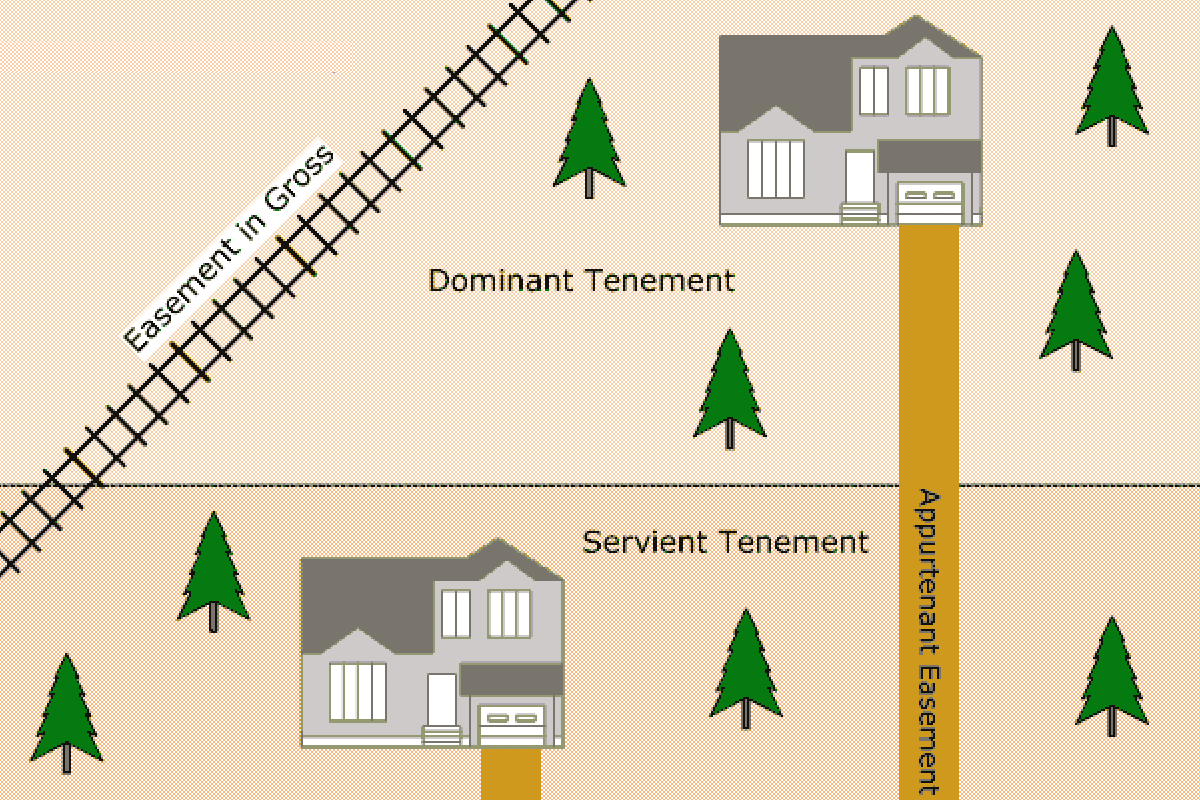
At its core, the "product" we are reviewing is the legal right (easement) that allows a homeowner on Trust Land to access their property and essential services (utilities, roads) across land that they do not own. This could be tribal land, individual Indian allotments, or even other fee simple parcels. Without these easements, a home, no matter how beautiful or well-built, is effectively landlocked, uninhabitable, and unfinanceable.
The "product" encompasses:
- Right-of-Way Easements: Granting the right to travel across someone else’s property to reach your own.
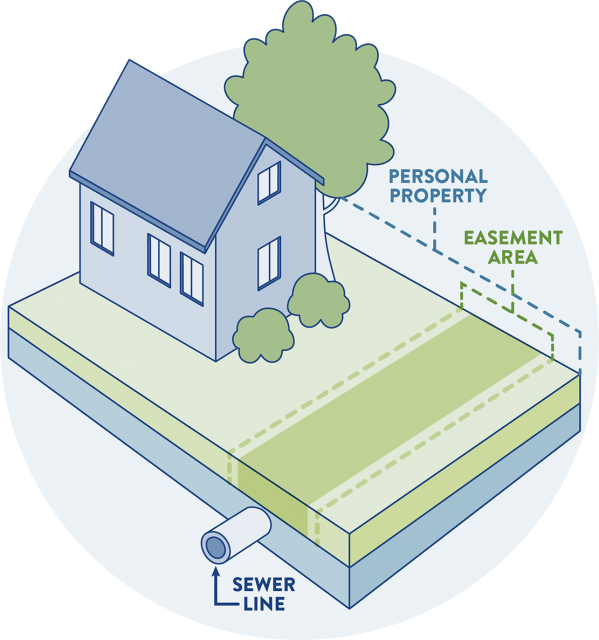
- Utility Easements: Granting the right to install and maintain infrastructure like power lines, water pipes, sewer lines, and communication cables.
- The Process: The entire administrative and legal journey involved in obtaining, recording, and maintaining these rights under federal and tribal law.
Key Components/Features:
- Federal Oversight (BIA): The Bureau of Indian Affairs plays a significant role in approving and recording easements on Trust Land, ensuring compliance with federal regulations (e.g., 25 Code of Federal Regulations, Part 169).
- Tribal Sovereignty: Tribal governments have inherent authority over their lands and often have their own land codes, zoning regulations, and approval processes that must be respected and followed.
- Consent of Landowners: Obtaining consent from all affected landowners is paramount. This can be complex due to fractionated ownership (many individuals owning small undivided interests in a single parcel).
- Negotiation & Compensation: Easements often require negotiation with landowners for fair compensation for the use of their land.
- Surveying and Mapping: Accurate surveys are required to define the exact location and dimensions of the easement.
- Recording: Once approved, easements must be officially recorded with the BIA and, where applicable, tribal land offices, to ensure their legal validity and perpetuity.
- Maintenance Agreements: Clearly defined responsibilities for the maintenance of roads or utility lines within the easement area.
The User Experience: Pros and Cons
Like any complex system, the "Easements and Access" framework for Trust Land comes with distinct advantages and significant drawbacks.
The Pros (Advantages & Benefits):
-
Legal Security and Peace of Mind:
- Feature: Legally documented right to traverse and utilize land for access and utilities.
- Benefit: Provides homeowners with the certainty that their access cannot be arbitrarily revoked, protecting their investment and quality of life. This is foundational for peace of mind.
-
Enhanced Property Value and Marketability:
- Feature: Clear, recorded easements.
- Benefit: A property with secure, legal access is significantly more valuable and marketable. Without it, a home on Trust Land is virtually unsellable and uninsurable. Lenders require documented access for mortgages, making this feature non-negotiable for financing.
-
Essential Service Provision:
- Feature: Utility easements for power, water, sewer, and telecommunications.
- Benefit: Enables connection to modern infrastructure, transforming a remote dwelling into a fully functional home. This is crucial for health, safety, and daily living standards.
-
Facilitates Homeownership and Development:
- Feature: A structured process (albeit complex) for securing necessary rights.
- Benefit: Allows for the construction, improvement, and expansion of homes on Trust Land, fostering economic development and improving housing conditions within tribal communities.
-
Dispute Resolution Framework:
- Feature: Federally and tribally recognized processes for establishing rights.
- Benefit: While not always perfect, having a defined legal framework provides a basis for resolving disputes over access, preventing individual conflicts from escalating into larger issues.
The Cons (Disadvantages & Drawbacks):
-
Bureaucratic Complexity and Lengthy Timelines:
- Drawback: The multi-layered jurisdiction (tribal, BIA, federal) often leads to extensive paperwork, multiple approval stages, and significant delays. Processes that might take weeks on fee simple land can drag on for months or even years on Trust Land.
- User Impact: Frustration, increased costs due to delays, missed opportunities for development.
-
High Transaction Costs:
- Drawback: Securing easements involves substantial financial investment. This includes legal fees (specialized Indian law attorneys are often necessary), land surveying costs, appraisal fees, and potential compensation payments to affected landowners.
- User Impact: Can be prohibitive for low-income homeowners or those with limited access to capital, creating barriers to homeownership.
-
Fractionated Ownership Challenges:
- Drawback: Many parcels of Trust Land are owned by hundreds, sometimes thousands, of individual heirs, each with a minuscule undivided interest. Obtaining unanimous consent, or even the majority consent required by some regulations, can be a logistical nightmare, especially if heirs are difficult to locate or unwilling to cooperate.
- User Impact: Can lead to indefinite delays or even render an easement impossible to obtain.
-
Inconsistent Application and Capacity:
- Drawback: The efficiency and effectiveness of the easement process can vary wildly depending on the specific tribe (their land codes, administrative capacity) and the local BIA agency (staffing, workload, expertise).
- User Impact: A lottery-like experience where some homeowners have relatively smooth processes, while others face insurmountable obstacles.
-
Limited Recourse and Jurisdiction Issues:
- Drawback: Disputes arising from easements on Trust Land can be complex due to jurisdictional limitations. State courts often lack authority, and federal courts may have limited roles, leaving tribal courts or BIA administrative processes as the primary avenues, which may not always be perceived as impartial or efficient.
- User Impact: Can leave homeowners feeling powerless if disputes arise or if the administrative process stalls.
-
Cultural and Historical Sensitivities:
- Drawback: Negotiations over land use on Trust Land are often imbued with historical context, cultural values, and deeply personal attachments to ancestral lands. What appears to be a purely legal or economic transaction to an outsider may be viewed very differently by tribal members.
- User Impact: Requires a high degree of cultural sensitivity and respectful engagement, which, if mishandled, can lead to distrust and non-cooperation.
Performance: How Well Does This "Product" Deliver?
The performance of the "Easements and Access" framework is, regrettably, highly variable. When all parties—the tribal government, BIA, landowners, and the homeowner—are well-informed, cooperative, and adequately resourced, the system can function as intended, providing secure, documented access. In such ideal scenarios, the "product" earns its 5-star potential.
However, the prevalence of fractionated ownership, understaffed BIA offices, varying tribal capacities, and the inherent complexity of navigating multiple legal systems often degrade performance significantly. In many real-world situations, the "product" struggles to deliver its core promise efficiently or predictably, often leaving homeowners in limbo. The average experience, therefore, lands squarely in the "needs improvement" category.
"Pricing" (Cost of Acquisition): An Investment, Not a Purchase Price
There isn’t a single "price tag" for this "product." Instead, it represents a significant investment of time, effort, and financial resources.
- Direct Costs: Legal fees (easily ranging from thousands to tens of thousands of dollars), survey costs (thousands), appraisal fees, and potential compensation payments to landowners (which can vary widely).
- Indirect Costs: The immense cost of time spent navigating bureaucracy, delays in construction or financing, and the emotional toll of uncertainty and frustration.
This "product" is expensive, not in a traditional retail sense, but in the cumulative burden it places on the "user."
"Customer Support": Who Can Help?
Navigating this complex "product" requires expert "customer support":
- Specialized Legal Counsel: Attorneys with expertise in federal Indian law and tribal land matters are indispensable.
- Tribal Land Offices: Often the first point of contact, these offices can provide guidance on tribal codes and local processes.
- BIA Realty Offices: Responsible for approving and recording easements, they are a critical administrative resource.
- Title Companies: Those specializing in Trust Land transactions can assist with due diligence and identifying ownership.
Recommendation: Essential, but Proceed with Extreme Caution and Expertise
Overall Rating: 3.5 out of 5 Stars
Is this "product" worth it? Absolutely. For any homeowner or prospective homeowner on Trust Land, secure easements and access are not optional "features"—they are fundamental necessities. Without them, the "product" of homeownership on Trust Land is fundamentally flawed, unbankable, and untenable.
Who is this "product" for?
This "product" is for anyone who owns or intends to own a home on Tribal Trust Land and requires legal, documented access and utility rights.
The Verdict:
While "Easements and Access for Homes on Trust Land" is a conceptually vital and legally sound framework, its real-world implementation is often plagued by systemic inefficiencies, historical complexities, and administrative hurdles.
Therefore, our recommendation comes with strong caveats:
- "Buy" It (But Be Prepared to Invest Heavily): You must secure these rights. Do not proceed with building or purchasing a home on Trust Land without clear, recorded easements for access and utilities.
- Seek Expert Guidance From Day One: Engage an attorney specializing in federal Indian law before you make any significant commitments. This is not a DIY project.
- Budget for Time and Money: Anticipate lengthy processes and significant financial outlays for legal, survey, and administrative costs. Build contingency into your timeline and budget.
- Engage Respectfully: Approach tribal governments and individual landowners with respect and a willingness to understand their perspectives and traditions.
- Due Diligence is Paramount: Thoroughly research the specific tribal land codes, BIA requirements, and the ownership status of all affected parcels.
In conclusion, "Easements and Access for Homes on Trust Land" is a critical, life-enabling "product" that safeguards the value and habitability of homes in these unique communities. While its acquisition can be a journey through a challenging labyrinth, it is a journey that must be undertaken. With the right preparation, expert guidance, and a resilient spirit, homeowners can successfully navigate this complex system and secure the fundamental rights that turn a house on Trust Land into a true home.


