Down Payment Assistance for HUD 184 Loans: A Comprehensive Review
Homeownership is a cornerstone of the American dream, representing stability, wealth building, and a place to call one’s own. For Native American and Alaska Native individuals and families, this dream often comes with unique considerations, particularly concerning land ownership and access to conventional financing. The HUD 184 Indian Home Loan Guarantee Program was specifically designed to address these challenges, offering a pathway to affordable homeownership within Native communities.
While the HUD 184 program already boasts attractive features, including low down payment requirements, the initial upfront costs can still be a significant hurdle for many. This is where Down Payment Assistance (DPA) programs enter the picture, acting as a crucial "product" that can unlock the door to homeownership even further. This comprehensive review will delve into the intricacies of Down Payment Assistance when paired with HUD 184 loans, examining its benefits, drawbacks, and ultimately, providing a recommendation for its use.
Understanding the Foundation: HUD 184 Indian Home Loan Guarantee Program
Before evaluating DPA, it’s essential to understand the core loan product it complements. The HUD 184 program is a unique mortgage product exclusively for eligible Native American and Alaska Native individuals, families, and tribal governments. It provides a federal guarantee to lenders, encouraging them to make loans to Native borrowers who might otherwise face difficulties obtaining financing.
Key Features of HUD 184 Loans:
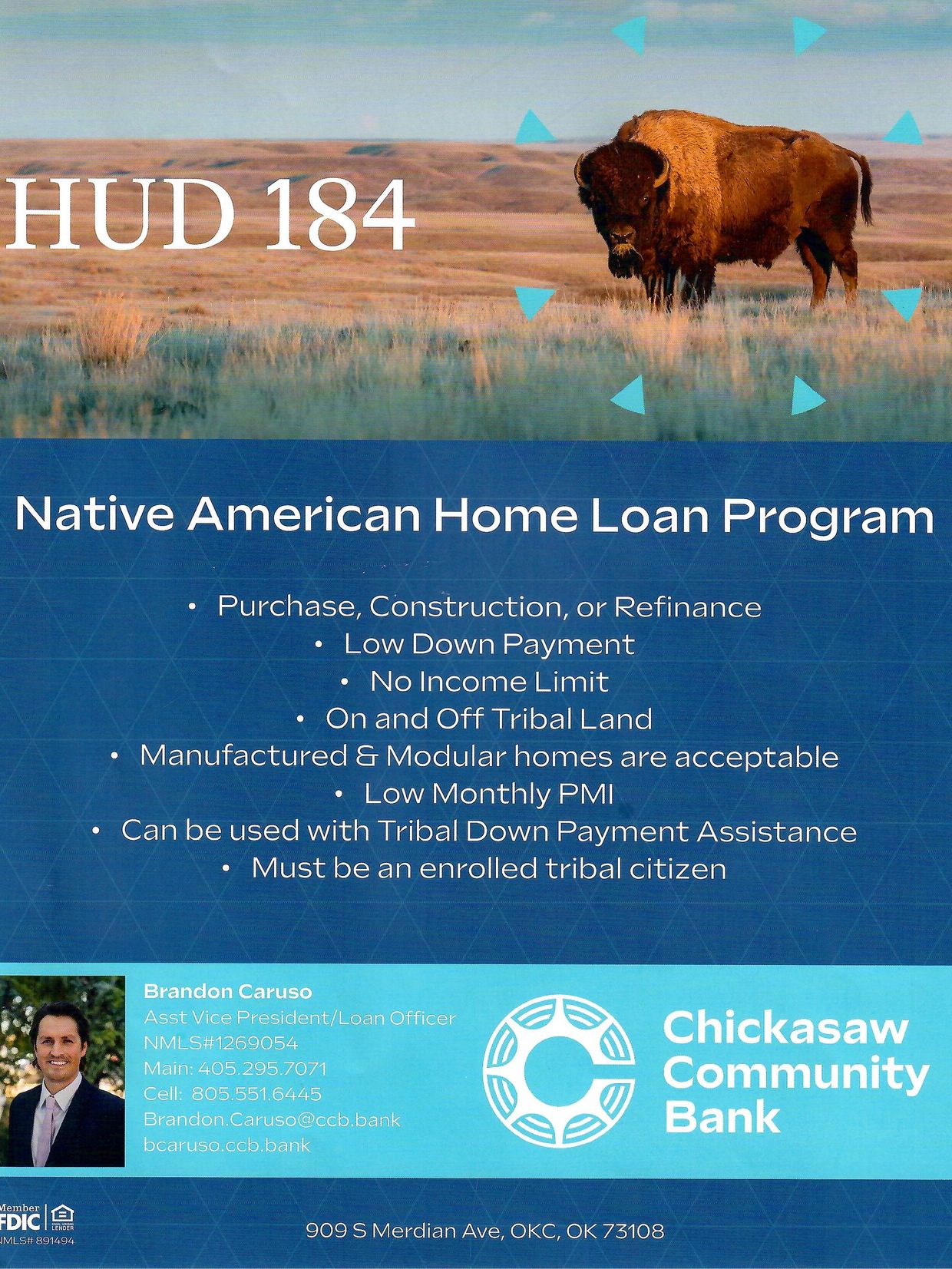
- Eligibility: Available to enrolled members of federally recognized tribes.
- Location Flexibility: Can be used to purchase homes on trust lands, restricted lands, fee simple lands, and within approved Native communities. This is a critical distinction from conventional loans, which often struggle with financing on tribal trust lands.
- Low Down Payment: One of its most attractive features. For loans over $50,000, the down payment is typically 2.75% of the purchase price. For loans $50,000 or less, it’s an even lower 2.25%.
- Flexible Underwriting: The program considers unique financial circumstances often found in Native communities, such as reliance on traditional income sources or multiple generations living under one roof.
- Competitive Interest Rates: Often comparable to FHA or conventional rates.
- Streamlined Process: Designed to be more accessible and culturally sensitive.

Despite the already low down payment, even 2.75% of a significant home purchase price can amount to thousands of dollars. For example, on a $250,000 home, the down payment would be $6,875. While far lower than the 10-20% often required by conventional loans, this sum can still be a barrier for families building wealth or facing other immediate financial needs. This is precisely where Down Payment Assistance can make a profound difference.
The "Product" Under Review: Down Payment Assistance (DPA)
Down Payment Assistance (DPA) refers to various programs designed to help homebuyers cover their down payment and sometimes closing costs. These programs are not specific to HUD 184 loans but can be utilized in conjunction with them, provided the DPA program’s guidelines align with HUD 184 requirements.
Types of Down Payment Assistance Programs:
- Grants: These are funds that do not need to be repaid, essentially free money to help with the down payment or closing costs. They are often highly competitive and come with strict eligibility criteria (e.g., income limits, specific locations, first-time homebuyer status).
- Second Mortgages (Silent/Deferred): These are loans that are deferred, meaning no payments are due for a certain period (e.g., 5-10 years), or until the home is sold, refinanced, or the first mortgage is paid off. Sometimes they are "silent," meaning they accrue no interest.
- Forgivable Second Mortgages: Similar to deferred second mortgages, but a portion or the entirety of the loan is forgiven over time (e.g., 20% forgiven each year for five years) as long as the homeowner remains in the property. If the home is sold before the forgiveness period ends, a pro-rated amount may be due.
- Repayable Second Mortgages: These are traditional loans that require monthly payments from the outset, typically at a lower interest rate than the primary mortgage. While they add to the monthly housing expense, they reduce the upfront cash required.
- Employer-Assisted Housing Programs: Some employers offer DPA as an employee benefit, often in partnership with local housing agencies.
- Lender-Specific Programs: Certain lenders may offer their own DPA programs to attract borrowers.
DPA programs are typically offered by state and local housing finance agencies (HFAs), non-profit organizations, tribal housing authorities, and sometimes federal initiatives. Each program has its own set of rules regarding eligibility, maximum assistance amounts, and repayment terms.
Advantages (Pros) of Down Payment Assistance for HUD 184 Borrowers
When strategically combined with a HUD 184 loan, DPA can offer significant advantages:
-
Elimination or Drastic Reduction of Upfront Costs: This is the most direct and impactful benefit. By covering the down payment and potentially closing costs, DPA removes a major financial barrier, making homeownership immediately accessible for those who might otherwise have to save for years. This is especially vital for lower-income families or those without substantial savings.
-
Preservation of Savings for Other Essential Needs: Instead of depleting their emergency fund or other savings for a down payment, borrowers can retain these funds for critical post-purchase expenses. These can include minor repairs, new furniture, utility deposits, or simply having a financial cushion for unexpected life events, leading to greater financial stability.
-
Faster Path to Homeownership: Without the need to save for a down payment, eligible borrowers can enter the housing market much sooner. This is particularly advantageous in areas with rising home prices, allowing individuals to lock in a purchase before affordability becomes an even greater challenge.
-
Increased Financial Confidence and Reduced Stress: The financial burden of a large down payment can be a source of immense stress. DPA alleviates this, allowing borrowers to approach homeownership with greater confidence, knowing they haven’t stretched their finances to the breaking point before even moving in.
-
Empowerment of Native Communities: By facilitating homeownership, DPA, in conjunction with HUD 184, contributes to wealth building, intergenerational transfer of assets, and stronger, more stable Native communities. It supports the program’s original intent to provide equitable access to housing.
-
Potentially Lower Monthly Payments (in some cases): While DPA primarily addresses upfront costs, if a borrower uses DPA to put down more than the minimum required by HUD 184, it could slightly reduce the loan amount, leading to a marginally lower monthly principal and interest payment over the life of the loan.
-
Access to Homebuyer Education: Many DPA programs require participation in homebuyer education courses. While seemingly an extra step, these courses provide invaluable information on budgeting, home maintenance, and understanding the mortgage process, preparing borrowers for successful homeownership.
Disadvantages (Cons) of Down Payment Assistance for HUD 184 Borrowers
While the benefits are substantial, DPA is not without its drawbacks, and potential borrowers must be aware of these before proceeding:
-
Increased Complexity and Bureaucracy: Applying for DPA adds another layer of paperwork, eligibility criteria, and administrative steps to an already complex mortgage process. Borrowers may need to submit additional documentation, attend specific workshops, and adhere to strict deadlines, which can be overwhelming.
-
Additional Eligibility Requirements: DPA programs often have their own set of requirements that must be met in addition to those of the HUD 184 loan. These can include:
- Income Limits: Many programs are designed for low-to-moderate income borrowers.
- Credit Score Minimums: While HUD 184 is flexible, some DPA programs may have stricter credit requirements.
- Location Restrictions: Programs might only apply to specific cities, counties, or designated areas.
- First-Time Homebuyer Status: Many programs prioritize those who haven’t owned a home in the past three years.
-
Potential for Higher Interest Rates (on the primary loan): In some cases, using DPA, especially certain lender-specific programs, might result in a slightly higher interest rate on the primary HUD 184 loan compared to if the borrower funded the down payment themselves. This is a trade-off for the reduced upfront cost and should be carefully evaluated.
-
Impact on Debt-to-Income (DTI) Ratio (for repayable DPAs): If the DPA comes in the form of a repayable second mortgage, the monthly payment for this second loan will be factored into the borrower’s DTI ratio. This could potentially limit the maximum loan amount they qualify for or make it harder to meet underwriting standards, even with a HUD 184 loan’s flexibility.
-
Recapture Provisions and Forgiveness Timelines: Forgivable or deferred second mortgages often come with "recapture provisions." If the home is sold, refinanced, or no longer occupied as the primary residence before a certain period (e.g., 5-10 years), a portion or all of the DPA may need to be repaid. This can limit future flexibility and needs to be thoroughly understood.
-
Limited Funds and Availability: DPA programs are often government-funded and can have limited budgets. Funds may run out quickly, or programs might only be available during specific funding cycles. This can lead to delays or missed opportunities.
-
Property Restrictions: Some DPA programs may have restrictions on the type of property that can be purchased (e.g., single-family homes only, no investment properties) or require the property to meet certain energy efficiency standards.
-
Time Constraints and Deadlines: The application process for DPA can be time-sensitive, with strict deadlines for submission of documents and completion of required steps. Delays can jeopardize the entire loan approval.
Finding and Applying for Down Payment Assistance
For HUD 184 borrowers interested in DPA, the search process is crucial:
- Start with Your HUD 184 Lender: An experienced HUD 184 lender will likely be familiar with DPA programs that can be combined with the HUD 184 loan in your specific area. They are often the best first point of contact.
- State Housing Finance Agencies (HFAs): Most states have an HFA that offers various DPA programs. Visit your state’s HFA website.
- Local Housing Authorities: Many cities and counties have their own housing departments or non-profits that administer DPA programs for local residents.
- Tribal Housing Departments: For those living on tribal lands or within tribal jurisdictions, the tribal housing authority or a similar department may offer specific DPA programs tailored to tribal members.
- HUD’s Website: While HUD 184 is a federal program, HUD’s general website (hud.gov) can provide links to state and local resources for DPA.
- Non-Profit Organizations: Community development financial institutions (CDFIs) and other non-profits often have DPA programs aimed at specific demographics or underserved communities.
When applying, be prepared to provide extensive documentation, including income verification, tax returns, bank statements, and proof of tribal enrollment. Homebuyer education is almost always a requirement.
Recommendation: Is Down Payment Assistance a "Purchase" Worth Making for HUD 184 Borrowers?
Yes, Down Payment Assistance is overwhelmingly a highly recommended "purchase" for eligible HUD 184 borrowers, but with a critical caveat: thorough due diligence is essential.
For many Native American and Alaska Native individuals and families, the HUD 184 loan program is a lifeline to homeownership. Down Payment Assistance acts as a powerful enhancer to this already beneficial product. It bridges the gap for those who meet the income and credit requirements for a mortgage but lack the immediate cash for the down payment and closing costs, even at the HUD 184’s lower thresholds.
It is particularly recommended for:
- First-time homebuyers: Who are typically still building their savings.
- Individuals/families with limited liquid assets: Who need to preserve their emergency funds.
- Those in areas with high housing costs: Where even a small percentage down payment can be a substantial sum.
However, the "purchase" must be approached with caution and informed decision-making:
- Understand the Terms: Do not simply accept DPA without fully understanding whether it’s a grant, a repayable loan, or a forgivable loan. Know the repayment schedule (if any), interest rates, and any recapture provisions.
- Compare Options: If multiple DPA programs are available, compare their requirements, benefits, and drawbacks. Consider how each might impact your overall financial picture.
- Work with Experienced Professionals: Engage a HUD 184 lender and a real estate agent who are highly knowledgeable about both HUD 184 loans and available DPA programs in your area. They can guide you through the complexities and help you navigate the process.
- Attend Homebuyer Education: Even if not strictly required, these courses are invaluable for understanding the long-term commitment of homeownership and managing your finances effectively.
In conclusion, Down Payment Assistance, when judiciously selected and understood, is not just a helpful add-on; it’s a transformative tool that can significantly accelerate and secure the path to homeownership for eligible Native American and Alaska Native borrowers utilizing the HUD 184 program. It empowers individuals and strengthens communities, aligning perfectly with the spirit and intent of the HUD 184 loan itself. The key is to be an informed consumer, asking the right questions and understanding the full scope of what you are "purchasing."


