Unlocking Homeownership: A Deep Dive into Credit Score Requirements for Native American Home Loans (HUD Section 184 Review)
For many, homeownership represents stability, generational wealth, and a place to call their own. However, the path to obtaining a mortgage can be fraught with challenges, particularly for communities that have historically faced systemic barriers. The U.S. Department of Housing and Urban Development (HUD) Section 184 Indian Home Loan Guarantee Program is a vital "product" designed to address some of these disparities, specifically catering to Native American and Alaska Native individuals, tribes, and Tribally Designated Housing Entities.
This comprehensive review will dissect the HUD Section 184 program, focusing intensely on its approach to credit scores – a critical component of any loan application. We will examine the "product’s" unique features, its advantages and disadvantages, and ultimately, provide a recommendation for who stands to benefit most and how to best prepare for its application.
Understanding the "Product": The HUD Section 184 Loan Program
The Section 184 program isn’t a direct loan from the government; rather, it’s a mortgage loan program guaranteed by HUD, which means the federal government insures a portion of the loan for approved lenders. This guarantee significantly reduces the risk for lenders, encouraging them to provide more flexible and accessible financing options to eligible Native American borrowers. The program is specifically designed to overcome unique lending challenges often encountered in Native American communities, such as land tenure issues (e.g., trust land, restricted fee land).

Key "Features" of the Section 184 Program:
- Eligibility: Restricted to enrolled members of federally recognized tribes, or to tribes and TDHEs themselves.
- Property Location: Can be used to purchase or refinance homes on and off reservations, in eligible tribal areas, and in fee-simple land anywhere in the U.S.
- Loan Purpose: Purchase, refinance, rehabilitation, or new construction.
- Down Payment: Historically low down payment requirements, often as low as 1.25% for loans over $50,000, and 2.25% for loans under $50,000.
- Mortgage Insurance: Requires an upfront Mortgage Insurance Premium (MIP) and an annual MIP, but these are often more affordable than those associated with other government-backed loans like FHA.
The Credit Score "Feature": What’s Needed?

One of the most frequently asked questions about any loan product is, "What credit score do I need?" For the HUD Section 184 program, the answer is nuanced and reflects the program’s flexibility.
HUD’s Stance vs. Lender Overlays:
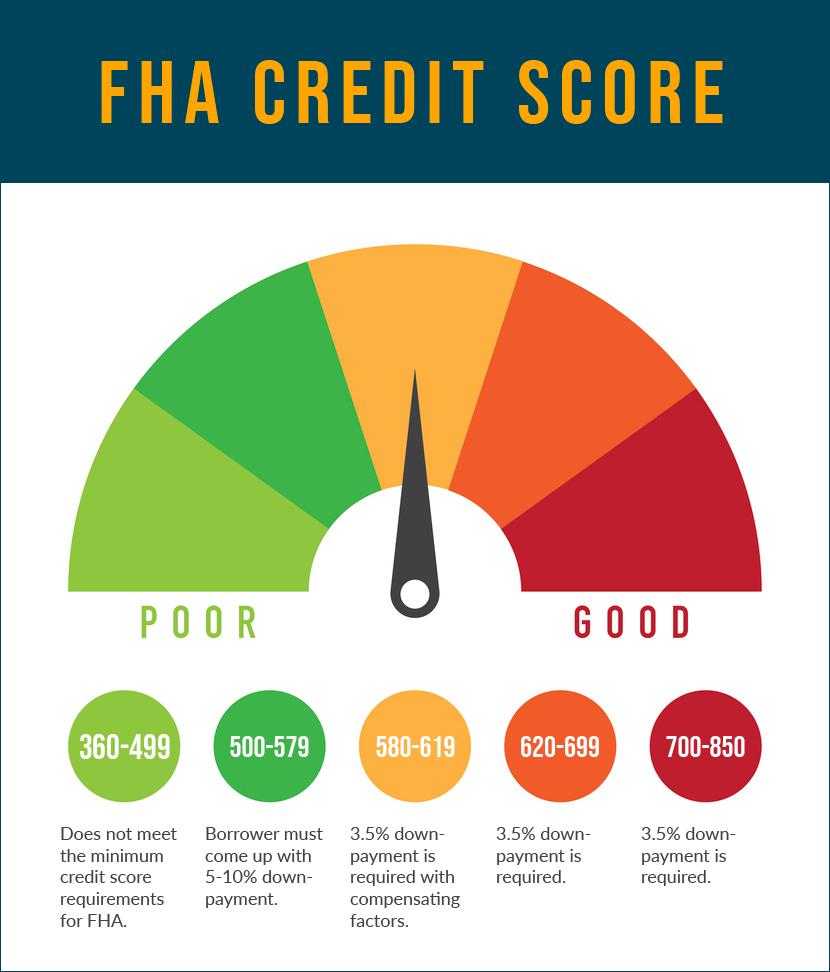
Unlike conventional loans or even some other government-backed programs that stipulate a rigid minimum FICO score (e.g., FHA’s 580 for 3.5% down), HUD Section 184 guidelines are remarkably flexible. HUD itself does not set a specific minimum FICO score for the Section 184 program. Instead, it encourages lenders to consider the overall financial picture of the borrower.
However, it’s crucial to understand the concept of lender overlays. While HUD provides the baseline, individual lenders who offer Section 184 loans often impose their own, stricter requirements (overlays) to manage their risk. Therefore, while HUD might not require a 620 FICO, a specific lender might.
Typical Lender Expectations:
- Common Minimum FICO: Many Section 184 lenders will look for a FICO score in the 620-640 range as a general baseline. This is often seen as a comfortable threshold for automated underwriting systems and reflects a reasonable level of creditworthiness.
- Lower Scores (Below 620): While less common, some lenders might consider scores slightly below 620, but this typically comes with increased scrutiny, a requirement for stronger compensating factors (e.g., lower debt-to-income ratio, larger down payment, significant cash reserves), or a manual underwriting process.
-
No Credit Score / Limited Credit History: This is where the Section 184 program truly shines and differentiates itself. Recognizing that many Native American individuals may not have extensive traditional credit histories (e.g., credit cards, car loans), HUD allows for the use of alternative credit data. This can include:
- Rent payment history (verified by landlord)
- Utility bill payments (electricity, gas, water, internet)
- Insurance payments (auto, health, life)
- Phone bill payments
- Child care payments
- Tuition payments
- Medical bill payments (if consistently paid)
Lenders will typically require a minimum of 12-24 months of verifiable, on-time payment history for these alternative sources. This flexibility is a monumental advantage for borrowers who are financially responsible but lack traditional credit lines.
What Lenders Assess Beyond the Score:
Even with a good credit score, lenders will evaluate other critical factors:
- Payment History: Consistent, on-time payments are paramount. Recent delinquencies or bankruptcies will be red flags, though the program can be more forgiving after a waiting period than conventional loans.
- Debt-to-Income (DTI) Ratio: This measures how much of your gross monthly income goes towards debt payments. While Section 184 can be flexible, a DTI typically below 43-45% is ideal.
- Credit Utilization: How much of your available credit you are using. Lower utilization (below 30%) is always better.
- Length of Credit History: Longer, established credit histories generally indicate more stability.
- Foreclosures/Bankruptcies: These will have waiting periods, but Section 184 often has shorter waiting periods than conventional loans. For example, often 3 years post-bankruptcy discharge and 3 years post-foreclosure, versus 4 and 7 years respectively for conventional.
"Product Review": Advantages (Kelebihan)
The HUD Section 184 program offers a compelling suite of benefits, making it an exceptionally valuable "product" for its target demographic:
- Lower Down Payment Requirements: This is a significant hurdle for many aspiring homeowners. With as little as 1.25% or 2.25% down, the Section 184 program makes entry into homeownership much more accessible compared to conventional loans (often 3-20% down).
- Flexible Underwriting & Alternative Credit: As detailed above, the ability to use non-traditional credit references is a game-changer. It acknowledges that financial responsibility isn’t solely defined by credit cards and loan balances, opening doors for many who are otherwise excluded from the traditional mortgage market.
- Competitive Interest Rates: Because the loans are government-guaranteed, lenders view them as less risky. This often translates to interest rates that are comparable to or even better than FHA loans, making the mortgage more affordable over its lifetime.
- Affordable Mortgage Insurance (MIP): While not entirely devoid of mortgage insurance, the Section 184 program’s upfront and annual MIPs are generally more favorable than those associated with FHA loans. For instance, the annual MIP can be lower, and in some cases, can even be canceled once certain equity thresholds are met (though rules vary by lender and program specifics).
- Broader Geographic Eligibility (Tribal and Non-Tribal Land): This program isn’t limited to homes on reservations. It can be used to purchase or refinance homes on fee-simple land anywhere in the U.S., provided the borrower is an eligible Native American. This flexibility greatly expands housing options. For homes on trust land, it offers a unique mechanism to secure financing that is often unavailable through conventional lenders.
- Cultural Sensitivity: The program and its approved lenders are generally more accustomed to navigating the unique aspects of land tenure on tribal lands and understanding the specific needs of Native American communities, fostering a more respectful and efficient lending experience.
- No Loan Size Limits (within reason): While there are limits based on the county’s maximum loan limits (similar to FHA), there aren’t specific, arbitrary caps that would restrict a borrower from purchasing a suitable home.
"Product Review": Disadvantages (Kekurangan)
Despite its many advantages, the HUD Section 184 program is not without its limitations, which potential borrowers should be aware of:
- Limited Lender Participation: Not all mortgage lenders offer the Section 184 program. While the number of approved lenders has grown, it’s still a specialized product. This can mean less competition among lenders, potentially limiting options for borrowers, and requiring more effort to find a qualified lender.
- Eligibility Restrictions: The program is exclusively for enrolled members of federally recognized tribes. This is a clear disadvantage for individuals who do not meet this specific criterion, as they cannot access this beneficial "product."
- Still Requires Financial Stability: While flexible on credit scores, the program still requires borrowers to demonstrate a stable income, manageable debt, and the ability to repay the loan. It’s not a solution for individuals with unstable employment or overwhelming debt.
- Appraisal Challenges on Tribal Lands: Appraising homes on tribal trust lands can be complex due to unique land ownership structures, lack of comparable sales data, and differing valuation methodologies. This can sometimes lead to delays or difficulties in securing a loan for homes in these specific areas.
- Bureaucracy and Processing Time: As a government-backed program, Section 184 loans can sometimes involve more paperwork and longer processing times compared to conventional loans, especially if there are complexities related to tribal land leases or unique property types.
- Mortgage Insurance Premium (MIP) is Required: While more affordable than FHA, the MIP is still an added cost. Both an upfront MIP and an annual MIP are assessed, increasing the overall cost of the loan.
- Property Requirements: Like other government-backed loans, Section 184 properties must meet certain HUD standards for safety, soundness, and security. Homes needing significant repairs might not qualify until those repairs are made.
"Purchase Recommendation": Who is this for, and what to do?
The HUD Section 184 program is an outstanding "product" for its intended audience, providing a clear pathway to homeownership that might otherwise be blocked by traditional lending standards.
Who is this "product" best suited for?
- Eligible Native American and Alaska Native individuals who are looking to purchase, build, or refinance a home.
- Borrowers with limited or non-existent traditional credit histories but who can demonstrate a strong record of paying other bills on time (rent, utilities, etc.).
- Individuals with stable income but who may have a lower traditional credit score (e.g., 620-640 FICO) due to past minor credit issues, or those who prefer the program’s overall flexibility.
- Those interested in purchasing homes on tribal lands where conventional financing is often unavailable or more complex.
- Borrowers seeking a low down payment option with competitive interest rates and manageable mortgage insurance.
Recommendation for Preparation (How to "Use" the Product Effectively):
To maximize your chances of success and ensure a smooth process with the HUD Section 184 loan program, we strongly recommend the following steps:
- Check Your Credit Report (and Alternative Credit): Obtain your credit reports from all three major bureaus (Equifax, Experian, TransUnion). Review them for accuracy and dispute any errors. If you have limited traditional credit, start gathering documentation for your alternative credit sources (e.g., 12-24 months of utility bills, rent receipts).
- Improve Your Credit Score (if applicable): If your FICO score is below 620, take steps to improve it. This includes paying bills on time, reducing credit card balances, and avoiding new debt. Even if you qualify with alternative credit, a stronger FICO score can lead to better terms.
- Gather Financial Documents: Be prepared with proof of income (pay stubs, W-2s, tax returns), bank statements, and documentation of assets.
- Find an Experienced Section 184 Lender: This is perhaps the most crucial step. Seek out lenders who specialize in Section 184 loans. They will have the expertise to navigate the unique aspects of the program and provide accurate guidance on credit requirements and overall eligibility. Ask about their specific FICO overlays and their process for evaluating alternative credit.
- Understand Tribal Regulations (if applicable): If purchasing on tribal land, familiarize yourself with tribal housing laws, land lease agreements, and any specific requirements from your tribe.
- Seek Housing Counseling: Consider working with a HUD-approved housing counselor. They can provide invaluable advice on budgeting, credit repair, and the mortgage process, often at no cost.
Conclusion
The HUD Section 184 Indian Home Loan Guarantee Program is an exceptionally valuable "product" that serves a critical role in fostering homeownership within Native American and Alaska Native communities. Its flexible approach to credit scores, including the acceptance of alternative credit data, significantly broadens access to affordable housing. While it has its specific eligibility requirements and potential processing complexities, its advantages – particularly the low down payment, competitive rates, and ability to finance homes on tribal lands – make it an indispensable tool.
For eligible borrowers, the Section 184 program isn’t just a loan; it’s an opportunity to build equity, create stability, and strengthen communities. By understanding its features, preparing diligently, and partnering with knowledgeable lenders, Native American families can confidently pursue the dream of owning a home. This "product" delivers on its promise of empowerment, making the path to homeownership more equitable and achievable.


