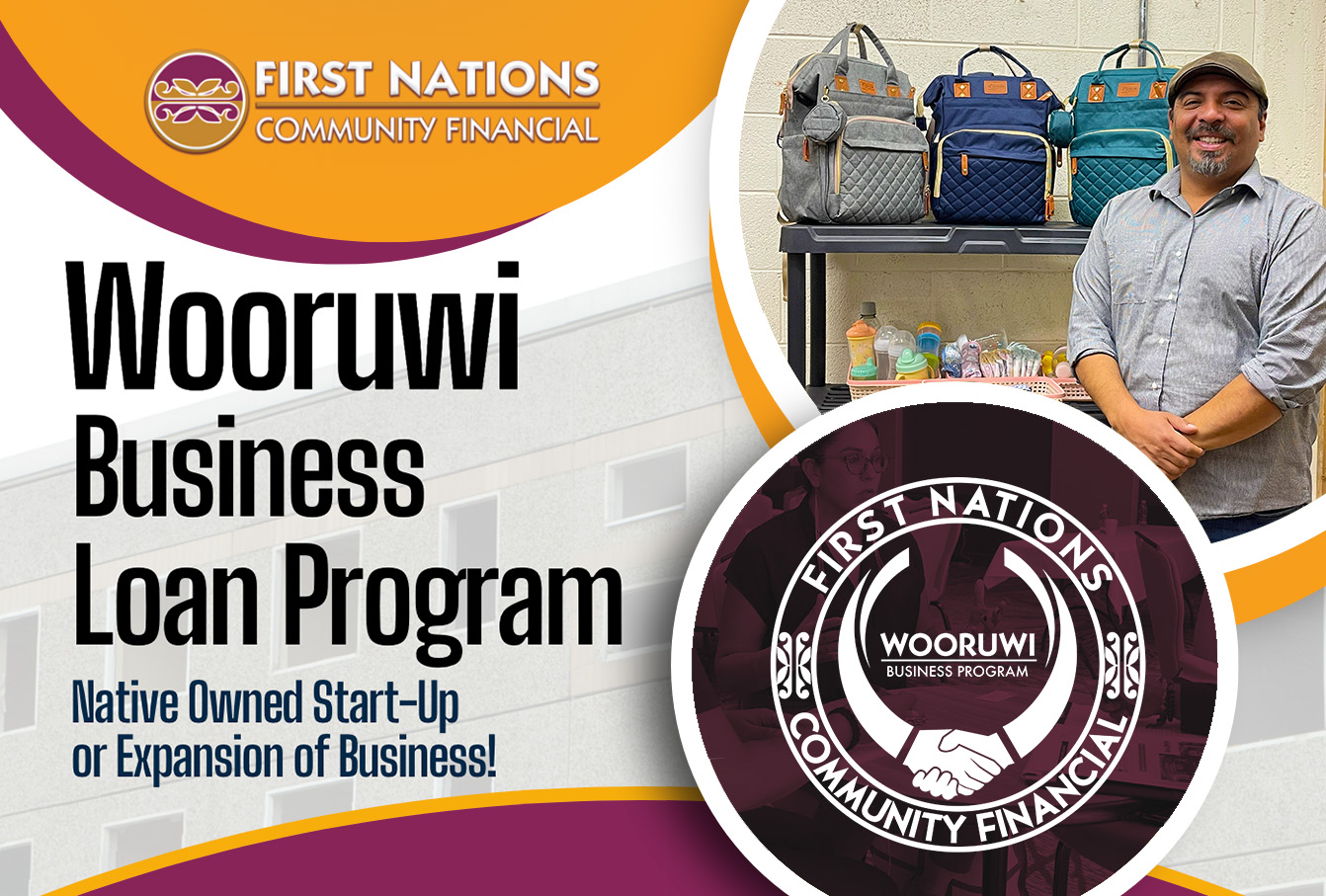
A Comprehensive Guide to Business Loans for Native American Women Entrepreneurs
Native American women entrepreneurs are a powerful force, driving innovation, creating jobs, and strengthening communities. Their businesses, often rooted in cultural heritage and a deep understanding of community needs, contribute significantly to the economic landscape. However, navigating the world of business finance can present unique challenges, from historical barriers to a lack of awareness about specialized funding opportunities.
This comprehensive guide is designed to empower Native American women entrepreneurs by providing a step-by-step roadmap to understanding, accessing, and securing business loans. It aims to demystify the process, highlight tailored resources, and equip you with the knowledge needed to confidently pursue the capital your business deserves.
Section 1: Understanding the Landscape and Your Unique Advantage

Before diving into the mechanics of loans, it’s crucial to acknowledge the distinct position of Native American women entrepreneurs. This understanding will inform your approach and help you leverage your unique strengths.
1.1 The Unique Position of Native American Women Entrepreneurs
Native American women entrepreneurs often operate at the intersection of cultural identity, community responsibility, and business acumen. This can manifest in several ways:
- Cultural Context and Community Ties: Businesses may be deeply intertwined with tribal traditions, serve specific community needs, or employ tribal members, fostering a strong sense of purpose beyond profit.
- Resilience and Innovation: Historically, Native communities have demonstrated incredible resilience. This spirit often translates into innovative business models that adapt to unique challenges and leverage local resources.
- Historical Disadvantages: Systemic barriers, including limited access to capital, resources, and mainstream financial networks, have historically hindered economic development in Native communities. Addressing these requires targeted solutions.
1.2 Why Specialized Funding Matters

Generic business loans may not always account for the specific circumstances of Native American-owned businesses, particularly those operating on tribal lands or serving niche markets. Specialized funding mechanisms, including those offered by Native Community Development Financial Institutions (CDFIs) and government programs, are designed with these unique needs in mind, often providing:
- Culturally Competent Support: Lenders who understand tribal sovereignty, trust land issues, and community values.
- Flexible Terms: Loan products tailored to the business lifecycle and specific collateral challenges.
- Technical Assistance: Beyond capital, many specialized lenders offer invaluable business coaching, mentorship, and support services.
Section 2: Preparing for Your Loan Application: Laying the Foundation
Securing a business loan is a journey that begins long before you submit an application. Thorough preparation is key to presenting a strong, compelling case to potential lenders.
2.1 Step 1: Develop a Robust Business Plan
Your business plan is the blueprint of your venture and the most critical document for any lender. It demonstrates your vision, strategy, and understanding of the market.
- Executive Summary: A concise overview of your business, its mission, products/services, and financial highlights.
- Company Description: What your business does, its legal structure, and its unique value proposition.
- Market Analysis: In-depth research on your target market, industry trends, competitors, and how you will capture market share.
- Organization and Management: Details about your team, their experience, and the legal structure of your business.
- Service or Product Line: A detailed description of what you offer and its benefits to customers.
- Marketing and Sales Strategy: How you will reach customers and sell your products/services.
- Financial Projections: Crucial for lenders. This includes projected profit and loss statements, cash flow statements, and balance sheets for at least the next 3-5 years. Be realistic and well-researched.
- Funding Request: Clearly state how much capital you need, what it will be used for, and how it will contribute to your business’s growth and ability to repay the loan.
2.2 Step 2: Get Your Financials in Order
Lenders need to assess your financial health, both personally and, if applicable, for your existing business.
- Personal Finances:
- Credit Score: Understand your personal credit score. A good score demonstrates financial responsibility. If it’s low, explore ways to improve it (e.g., paying bills on time, reducing debt). Many Native CDFIs offer credit-building programs.
- Personal Assets and Liabilities: Be prepared to provide a personal financial statement detailing your assets (e.g., property, savings) and liabilities (e.g., mortgages, student loans).
- Business Financials (for existing businesses):
- Profit & Loss (P&L) Statements: Show your revenue, costs, and profit over a period.
- Balance Sheets: Snapshot of your business’s assets, liabilities, and equity at a specific point in time.
- Cash Flow Statements: Tracks the actual cash coming in and going out of your business.
- Tax Returns: Business and personal tax returns for the past 2-3 years.
2.3 Step 3: Understand Your Funding Needs
Clearly define why you need a loan and how much. This specificity helps you choose the right loan product and demonstrates your preparedness.
- Working Capital: To cover day-to-day operational expenses (e.g., inventory, salaries, rent).
- Equipment Purchase: For machinery, vehicles, or technology essential for your business.
- Expansion: To open new locations, launch new product lines, or scale operations.
- Inventory: To purchase stock, especially for seasonal businesses.
- Refinancing Debt: To consolidate existing business debt at better terms.
Section 3: Exploring Funding Avenues: Tailored Solutions
Native American women entrepreneurs have access to a variety of funding sources, some of which are specifically designed to address their unique needs.
3.1 Step 4: Government-Backed Loans (SBA Programs)
The U.S. Small Business Administration (SBA) offers several loan programs through partner lenders. While not exclusively for Native Americans, they are accessible and can be very beneficial.
- SBA 7(a) Loan Program: The most common and flexible SBA loan, offering a maximum of $5 million. It can be used for various purposes, including working capital, equipment, real estate, and debt refinancing. The SBA guarantees a portion of the loan, reducing risk for lenders.
- SBA Microloan Program: Provides smaller loans (up to $50,000) to startups and small businesses, often through non-profit intermediary lenders. These loans are excellent for businesses needing a smaller capital injection and often come with business counseling.
- SBA Community Advantage Loan Program: Focuses on businesses in underserved communities, including those owned by women and minorities. It offers loans up to $250,000 with simplified application processes.
- Office of Native American Affairs: The SBA also has an Office of Native American Affairs (ONAA) which provides business development assistance, workshops, and resources tailored to Native American entrepreneurs.
3.2 Step 5: Native Community Development Financial Institutions (CDFIs)
Native CDFIs are perhaps the most vital resource for Native American entrepreneurs. These mission-driven financial institutions are dedicated to providing capital and financial services in Native communities that are often underserved by mainstream banks.
- What They Are: Native CDFIs are certified by the U.S. Department of the Treasury and typically operate on or near tribal lands. They are deeply invested in the economic well-being of the communities they serve.
- Benefits:
- Cultural Understanding: They understand the nuances of tribal economies, trust land, and cultural business practices.
- Flexible Terms: Often offer more flexible lending criteria and terms than traditional banks.
- Technical Assistance: A significant advantage is the accompanying business development services, including financial literacy training, business planning assistance, and mentorship.
- Loan Products: Offer a range of loans from microloans to larger commercial loans, often with lower interest rates or more favorable repayment schedules.
- How to Find Them: The Native CDFI Network (nativecdfi.net) is an excellent resource for locating Native CDFIs across the country.
3.3 Step 6: Grants and Specialized Programs
While not loans, grants provide capital that does not need to be repaid. Several organizations and government initiatives offer grants or specialized support programs.
- Indian Economic Development Fund (IEDF): Managed by the Bureau of Indian Affairs (BIA), this fund offers loan guarantees and direct loans for economic development projects in Indian Country.
- Native American Finance Officers Association (NAFOA): While primarily focused on tribal governments, NAFOA provides resources and connections that can be valuable for Native American businesses.
- Tribal Programs: Many tribal governments offer their own economic development programs, grants, or loan funds for tribal members and businesses operating on their lands. Contact your tribal economic development office.
- Private Foundations and Non-Profits: Research foundations with a focus on Indigenous economic development, women’s entrepreneurship, or specific industries. Organizations like the National Center for American Indian Enterprise Development (NCAIED) often have information on such opportunities.
- Women’s Business Centers (WBCs): Funded by the SBA, these centers specifically assist women entrepreneurs. While not exclusively for Native women, many offer culturally relevant resources and connections.
3.4 Step 7: Traditional Lenders with a Focus on Diversity
Some mainstream banks and credit unions have dedicated programs or initiatives for minority-owned or women-owned businesses.
- Research Local Banks: Inquire about their community development programs or small business lending departments. Some larger banks have specific goals for lending to diverse entrepreneurs.
- Build Relationships: Start building relationships with local bankers even before you need a loan. Attend their small business workshops or networking events.
Section 4: The Application Process and Beyond
Once you’ve identified potential lenders, the final steps involve submitting a strong application, navigating the due diligence, and leveraging ongoing support.
4.1 Step 8: Submit a Compelling Application
Each lender will have its own application form and requirements, but the core principles remain the same.
- Tailor Your Application: Customize your business plan and supporting documents to address the specific priorities and questions of each lender.
- Be Thorough and Accurate: Double-check all information for accuracy. Incomplete or incorrect applications can lead to delays or rejection.
- Highlight Your Strengths: Emphasize your unique value proposition, your experience, your team’s capabilities, and your commitment to your community. As a Native American woman entrepreneur, your cultural background and community ties can be an asset.
- Professionalism: Present all documents neatly and professionally.
4.2 Step 9: Prepare for Due Diligence
After submitting your application, lenders will conduct due diligence, which involves a thorough review of your business and financial information.
- Be Responsive: Be prepared to answer follow-up questions, provide additional documents, or clarify details promptly.
- Demonstrate Knowledge: Show confidence in your business plan and financial projections. Be able to articulate your business model and strategy clearly.
- Be Transparent: Honesty about challenges or weaknesses, along with a clear plan to address them, builds trust.
4.3 Step 10: Leverage Technical Assistance and Mentorship
Securing a loan is a milestone, but the journey of entrepreneurship continues. Ongoing support can be invaluable.
- Business Counseling: Many Native CDFIs, SBA Women’s Business Centers, and other non-profits offer free or low-cost business counseling. These experts can help with everything from marketing strategies to financial management.
- Mentorship: Seek out mentors, particularly other successful Native American women entrepreneurs. Their experience, advice, and network can be transformative.
- Networking: Join business associations like the National Center for American Indian Enterprise Development (NCAIED), Native Women’s Business Summit events, or local chambers of commerce. These platforms offer opportunities for learning, collaboration, and finding new clients or partners.
Conclusion
The path to securing business capital as a Native American woman entrepreneur is one of opportunity, resilience, and strategic engagement. By understanding the unique landscape, meticulously preparing your business and financial documents, and proactively exploring tailored funding avenues, you significantly increase your chances of success.
Remember, you are not alone on this journey. Leverage the robust network of Native CDFIs, government programs, and community support systems designed to uplift Indigenous businesses. Your vision and determination are powerful assets. With this guide, you are better equipped to navigate the financial landscape, secure the capital you need, and continue to build thriving businesses that honor your heritage and enrich your communities. Go forth and prosper!


