
Building Dreams on Sacred Ground: A Comprehensive Review of the VA Native American Direct Loan (NADL) for Home Construction
The dream of homeownership is a cornerstone of the American ethos, representing stability, security, and a place to call one’s own. For the nation’s veterans, who have selflessly served to protect these very ideals, various programs exist to help turn this dream into a reality. Among the most impactful, yet often least understood, is the VA Native American Direct Loan (NADL) program. Unlike the more widely known VA home loan, the NADL is a specialized offering designed to assist eligible Native American veterans, and their spouses, in financing the purchase, construction, or improvement of homes on Federal Trust Land or individually allotted land.
Building a home with a VA NADL loan is not merely a financial transaction; it’s a journey steeped in cultural significance, community development, and navigating a unique set of challenges and opportunities. This comprehensive review will delve deep into the intricacies of the NADL program, exploring its distinct advantages and disadvantages, and providing a clear recommendation for those considering this powerful pathway to homeownership.
Understanding the VA Native American Direct Loan (NADL)
Before dissecting the pros and cons, it’s crucial to grasp the fundamental nature of the NADL. This is not a typical VA-backed loan facilitated by a private lender. Instead, the NADL is a direct loan provided by the Department of Veterans Affairs itself. This distinction is paramount, as it streamlines certain aspects while introducing unique requirements.

Key Characteristics of NADL:
- Eligibility: Open to Native American veterans, or their non-Native American spouses, who are eligible for VA home loan benefits. The veteran must be enrolled in a federally recognized tribe or be a member of an Alaskan Native village.
- Location: The property must be located on Federal Trust Land or individually allotted land. This is the most significant differentiating factor from standard VA loans.
- Purpose: Can be used to purchase, construct, improve, or refinance a home. For construction, it covers the cost of building a new home, including the land lease payments.
- Direct Lending: The VA directly originates and services these loans, eliminating the need for private lenders in many cases.
The NADL program serves a vital purpose: to address the historical disparities and challenges faced by Native American veterans seeking to achieve homeownership on their ancestral lands. It acknowledges the unique legal and economic framework of trust lands, which often presents barriers to conventional financing.
The Unique Process of Building a Home with VA NADL
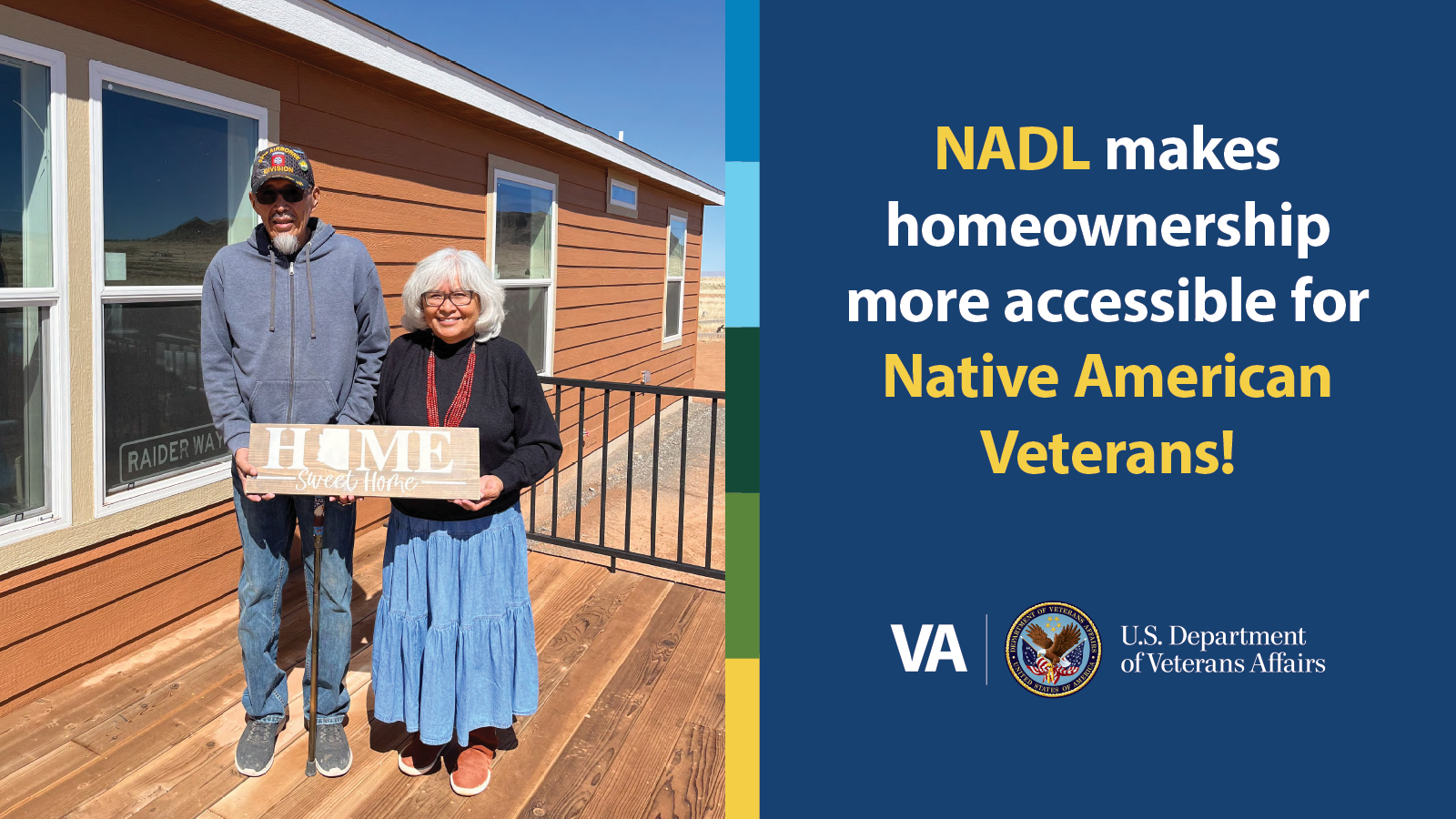
Building a home from the ground up is an endeavor that requires meticulous planning, coordination, and patience. When utilizing a VA NADL loan on trust land, this process takes on additional layers of complexity and cultural sensitivity.
- Land Lease: Since trust land cannot typically be owned outright (fee simple), the veteran will usually enter into a leasehold agreement with the tribe or the Bureau of Indian Affairs (BIA). The VA then guarantees this lease.
- Tribal Involvement: The Tribal Housing Authority plays a crucial role. They often review and approve housing plans, ensure compliance with tribal codes, and facilitate the lease agreement. This collaborative approach is essential.
- Contractor Selection: Finding a qualified contractor experienced in working on reservations and familiar with VA requirements can be a challenge. The VA will need to approve the contractor, and they must be licensed and insured.
- Design and Specifications: Home designs must meet VA minimum property requirements, local building codes, and often, tribal housing standards.
- Construction Oversight: The VA, often through its regional loan centers, will monitor the construction progress, conduct inspections, and approve disbursements of funds to the contractor as work progresses.
This process, while detailed, is designed to protect both the veteran and the federal investment, ensuring a safe, sound, and compliant home is built.
Advantages (Pros) of the VA NADL Loan
The VA NADL program offers a compelling array of benefits, particularly for its target demographic. These advantages can significantly ease the path to homeownership for eligible Native American veterans.
- No Down Payment Requirement: This is arguably the most significant advantage. Many conventional loans require substantial down payments, which can be a major barrier for aspiring homeowners. The NADL allows eligible veterans to finance 100% of the home’s value, preserving their savings for other essential expenses like closing costs or furnishing.
- Low, Fixed Interest Rates: NADL loans typically come with highly competitive, fixed interest rates. Being a direct loan from the VA, these rates are often lower than those offered by conventional lenders, leading to more affordable monthly payments over the life of the loan. The fixed nature provides predictability and protection against market fluctuations.
- No Private Mortgage Insurance (PMI): Unlike conventional loans with less than a 20% down payment, VA loans (including NADL) do not require private mortgage insurance. PMI is an additional monthly cost that protects the lender, not the borrower. Eliminating this expense can save veterans hundreds of dollars a month, making homeownership significantly more affordable.
- Direct Lending and Streamlined Process: As a direct loan from the VA, the NADL often bypasses the complexities and potential additional fees associated with third-party lenders. Veterans work directly with VA loan specialists who are intimately familiar with the program’s unique requirements, including those related to trust land and tribal governments. This can lead to a more supportive and knowledgeable lending experience.
- Flexible Underwriting Standards: The VA understands the unique financial situations that may arise within Native American communities. Its underwriting criteria for NADL loans are often more flexible than conventional mortgages, taking into account non-traditional credit histories or income sources, making homeownership accessible to a wider range of eligible veterans.
- Focus on Underserved Communities: The NADL program is specifically designed to address a critical need within Native American communities, where access to conventional financing for homes on trust land is historically limited. It empowers veterans to build homes on their ancestral lands, fostering economic development, cultural preservation, and community stability.
- Lifetime Benefit: Once a veteran is eligible for a VA NADL loan, this benefit generally remains available for their lifetime, provided they meet the ongoing eligibility criteria and have not exhausted their entitlement. This provides long-term security and flexibility.
- Construction Oversight: The VA’s involvement in the construction phase, including inspections and disbursement approvals, provides an added layer of protection for the veteran. It helps ensure that the home is built to quality standards and that funds are released appropriately as work progresses.
Disadvantages (Cons) of the VA NADL Loan
While the NADL program offers significant advantages, it also comes with a unique set of challenges and limitations that potential borrowers must carefully consider.
- Strict Eligibility and Land Restrictions: This is the most significant hurdle. The NADL is exclusively for Native American veterans (or their spouses) and only for properties on Federal Trust Land or individually allotted land. This immediately limits its applicability to a very specific demographic and geographic area. Veterans who are not Native American or wish to build on non-trust land are ineligible.
- Complex and Lengthy Process: Building a home with a NADL involves multiple stakeholders: the veteran, the VA, the Tribal Housing Authority, the Bureau of Indian Affairs (BIA), and the contractor. Coordinating these entities, navigating tribal laws, federal regulations, and VA requirements can be a protracted and bureaucratic process, often taking longer than conventional home construction.
- Limited Availability and Participation: Not all federally recognized tribes participate in the NADL program, and the process for establishing a leasehold agreement acceptable to the VA can vary significantly from tribe to tribe. This means the program might not be available in every Native American community or could be more challenging to access in some areas.
- Difficulty Finding Approved Contractors: Finding qualified, licensed, and insured contractors who are experienced in working on reservation lands and are approved by the VA can be a major challenge. Many contractors may be unfamiliar with the specific requirements of trust land construction or the VA’s disbursement schedule, leading to fewer options and potentially higher costs or delays.
- Appraisal Challenges: Valuing homes on trust land can be complex. Traditional comparable sales data may be scarce, and the unique legal status of leasehold interests can impact appraisals. This can sometimes lead to appraisal values that are lower than expected, affecting the loan amount or requiring additional negotiations.
- Leasehold vs. Fee Simple Ownership: Since trust land is typically leasehold, the veteran does not own the land outright. While the VA guarantees the lease, the property itself is often tied to a long-term lease agreement (e.g., 50-year renewable lease). This can affect future resale value, equity building, and the ability to use the property as collateral for other loans. Some buyers might be hesitant to purchase a leasehold property.
- Potential for Bureaucracy and Red Tape: As a government-run direct loan program involving multiple federal and tribal entities, the NADL process can be characterized by extensive paperwork, detailed requirements, and potential delays due to inter-agency coordination. Patience and persistence are critical.
- Limited Loan Amount: While the VA sets national loan limits for conventional VA loans, the NADL program historically had a slightly lower maximum loan amount, though it has been adjusted. Veterans should confirm current limits with the VA. For very large or luxurious custom homes, the NADL might not cover the entire cost.
Who is the VA NADL Loan For? (Recommendation for Use)
The VA Native American Direct Loan is a powerful and invaluable tool, but it is not a one-size-fits-all solution. It is specifically designed for, and therefore most beneficial to, a very particular demographic and situation.
The VA NADL Loan is Highly Recommended for:
- Native American Veterans (or their non-Native American spouses) who are eligible for VA benefits AND are enrolled in a federally recognized tribe or Alaskan Native village. This is the foundational requirement.
- Veterans who wish to build, purchase, or improve a home specifically on Federal Trust Land or individually allotted land. The program’s core purpose is to facilitate homeownership in these unique legal and geographical contexts.
- Individuals who prioritize living on their ancestral lands and desire to contribute to their tribal community. The NADL supports self-determination and community development.
- Veterans who struggle to secure conventional financing for homes on trust land due to the complexities of land tenure (leasehold) or who cannot afford a significant down payment. The no-down-payment and flexible underwriting features are incredibly advantageous here.
- Those who are patient, persistent, and willing to navigate a more involved and potentially lengthier process. The benefits often outweigh the administrative complexities for the right candidate.
- Veterans who can benefit from the direct support and expertise of the VA throughout the loan and construction process.
The VA NADL Loan may NOT be the best fit for:
- Non-Native American veterans, regardless of their desire to build on trust land.
- Native American veterans who wish to build or purchase a home on non-trust land (fee simple land). For these individuals, a standard VA home loan through a private lender would be the appropriate and more efficient option.
- Individuals seeking a very quick closing or construction timeline. The multi-agency coordination inherent in the NADL process often requires more time.
- Veterans who prefer to work solely with private lenders and avoid direct government involvement in their mortgage.
- Those who are unwilling or unable to engage closely with their Tribal Housing Authority and other tribal entities.
Navigating the Journey: Tips for Success
For eligible veterans considering the NADL program, here are some crucial tips to enhance the likelihood of a smooth and successful home-building journey:
- Verify Eligibility Thoroughly: Before anything else, confirm your eligibility as a Native American veteran for VA home loan benefits and the NADL program specifically. Contact the VA directly or a VA-approved loan specialist.
- Engage Your Tribal Housing Authority Early: Your tribe’s housing authority or relevant tribal government office will be an indispensable partner. They can provide guidance on tribal land lease requirements, local building codes, and assist with necessary tribal approvals.
- Seek VA NADL Specialists: While the VA is the direct lender, working with a VA NADL loan specialist or counselor who has extensive experience with the program can be invaluable. They understand the nuances and can help you navigate the paperwork and process efficiently.
- Find an Experienced Contractor: Prioritize contractors who are not only licensed and insured but also have a proven track record of working on reservation lands and are familiar with VA construction standards and disbursement procedures. Get multiple bids and check references meticulously.
- Understand Leasehold Agreements: Fully comprehend the terms of your land lease, including its duration, renewal options, and any specific tribal covenants. This is critical for long-term planning and potential future resale.
- Be Patient and Persistent: The NADL process can be complex and time-consuming. Expect delays and be prepared to follow up diligently with all involved parties. Maintain thorough records of all communications and documents.
- Attend VA Webinars and Consultations: The VA often provides educational resources and one-on-one consultations for NADL applicants. Take advantage of these opportunities to gain knowledge and clarify any questions.
- Budget for Closing Costs and Contingencies: While there’s no down payment, you will still have closing costs. Also, set aside a contingency fund for unexpected construction expenses, as these can arise even with careful planning.
Conclusion
The VA Native American Direct Loan program stands as a unique and vital resource, empowering eligible Native American veterans to achieve the dream of homeownership on their ancestral lands. Its unparalleled advantages—zero down payment, low fixed interest rates, and direct VA support—address long-standing barriers to financing on Federal Trust Land.
However, this powerful tool is accompanied by significant complexities, including strict eligibility, the unique challenges of leasehold land, and a potentially lengthy, multi-faceted process. For the right candidate – a Native American veteran committed to building a home within their tribal community on trust land – the NADL offers an unparalleled pathway.
By thoroughly understanding its advantages and disadvantages, engaging proactively with the VA and tribal authorities, and approaching the journey with patience and meticulous planning, Native American veterans can leverage the NADL program to build not just a house, but a home, deeply rooted in their heritage and secured for generations to come. It’s a testament to service, heritage, and the enduring spirit of homeownership.


