
Navigating the Path Home: Best Lenders for Native American Home Loans with Low Closing Costs
The dream of homeownership is a cornerstone of financial stability and community building, a sentiment deeply resonant within Native American communities. However, the path to achieving this dream can often be complex, particularly when navigating the unique financial landscapes that sometimes accompany tribal lands and specific cultural considerations. For Native American families and individuals, finding the right lender that understands these nuances and, crucially, offers home loan options with low closing costs, is paramount.
This comprehensive review will delve into the world of Native American home loans, focusing on the key programs available and evaluating the types of lenders that consistently stand out for their commitment to this community and their ability to minimize the financial burden of closing costs. We’ll explore the advantages and disadvantages of various lending options and provide actionable recommendations to help you make an informed decision on your journey to homeownership.
Understanding the Landscape: Key Home Loan Programs for Native Americans
Before evaluating specific lenders, it’s essential to understand the primary loan programs designed to support Native American homeownership. These programs often come with benefits that inherently aim to reduce upfront costs, including down payments and, in many cases, closing costs.
-
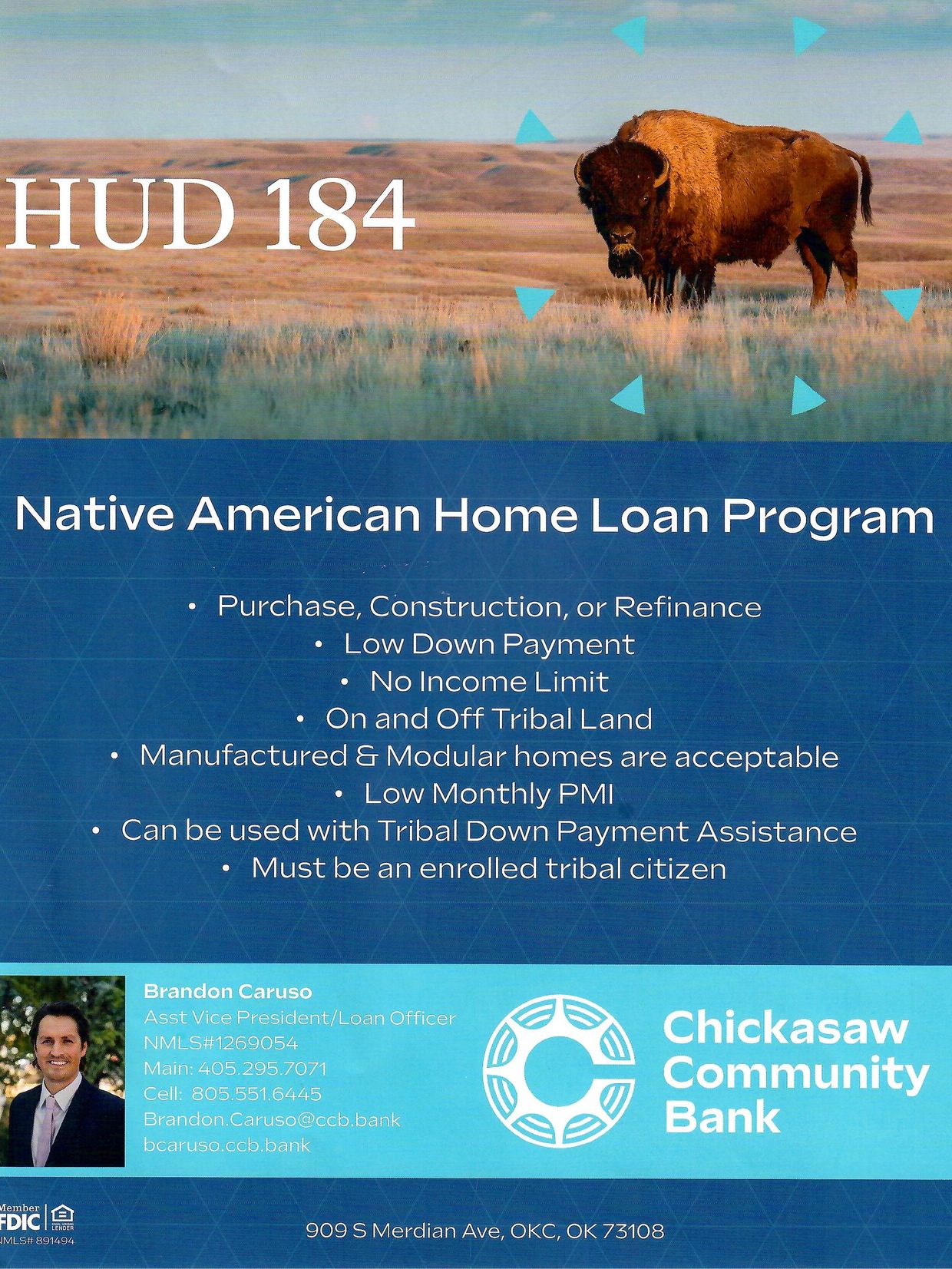
Section 184 Indian Home Loan Guarantee Program:
- What it is: This is the flagship program, guaranteed by the U.S. Department of Housing and Urban Development (HUD), specifically for Native Americans and Alaska Natives. It’s designed to increase homeownership in Native communities.
- Key Features: Low down payment requirements (as low as 1.25% for loans over $50,000, 2.25% for loans under $50,000), flexible credit underwriting, and the ability to be used for homes on and off tribal trust land, as well as for new construction, purchase of existing homes, or refinancing.
- Closing Cost Advantage: Section 184 loans often have competitive interest rates and allow sellers to contribute up to 6% of the sales price towards closing costs, significantly reducing the borrower’s out-of-pocket expenses. Lenders also often have more flexibility in structuring fees.
-
USDA Rural Development Home Loans (Section 502 Direct and Guaranteed):
- What it is: These programs, offered by the U.S. Department of Agriculture, assist low- and moderate-income individuals and families in rural areas, which includes many tribal lands.
- Key Features: The Direct Loan program offers 0% down payment and subsidized interest rates for very low-income borrowers. The Guaranteed Loan program also offers 0% down payment for moderate-income borrowers.
- Closing Cost Advantage: The 0% down payment is a massive upfront saving. While closing costs still exist, they can often be rolled into the loan amount or financed with seller concessions, reducing immediate cash outlay. However, these loans generally cannot be used on tribal trust land without special agreements.
-
VA Home Loans (for Native American Veterans):
- What it is: Guaranteed by the U.S. Department of Veterans Affairs, these loans are available to eligible active-duty service members, veterans, and surviving spouses.
- Key Features: No down payment required, no private mortgage insurance (PMI), and competitive interest rates.
- Closing Cost Advantage: While there’s a VA funding fee, many other closing costs are capped or negotiable. Importantly, the VA also offers the Native American Direct Loan (NADL) program, which provides direct loans to eligible Native American veterans to buy, build, or improve homes on Federal Trust Land. NADL loans have a low fixed interest rate and no down payment, making them exceptionally attractive for minimizing closing costs.
-
FHA Loans:
- What it is: Insured by the Federal Housing Administration (FHA), these loans are popular for first-time homebuyers due to their lenient credit requirements.
- Key Features: Low down payment requirements (as low as 3.5%), flexible credit.
- Closing Cost Advantage: Similar to Section 184, FHA allows sellers to contribute up to 6% towards closing costs. While not specifically for Native Americans, they are a viable option for those who qualify, particularly off tribal lands.
What Makes a Lender "Best" for Native American Home Loans with Low Closing Costs?
Beyond simply offering these programs, the "best" lenders distinguish themselves through several key attributes:
- Expertise in Section 184 and NADL: A lender’s deep understanding of these specific programs, including the unique tribal land considerations, is non-negotiable. They should have dedicated teams or loan officers who specialize in these areas.
- Transparent Fee Structure: Lenders who are upfront about all fees and actively work to minimize them are preferred. This includes clear explanations of origination fees, appraisal costs, title insurance, and other closing expenses.
- Willingness to Negotiate/Offer Credits: The best lenders are open to negotiating fees or offering lender credits to offset some closing costs, especially when a borrower has strong credit or a competitive offer from another institution.
- Strong Customer Service and Cultural Sensitivity: Navigating a home loan can be daunting. Lenders who provide patient, clear communication and demonstrate an understanding of Native American cultural contexts and community structures are invaluable.
- Partnerships and Community Involvement: Lenders who partner with tribal housing authorities, non-profits, or participate in local Native American community initiatives often have a deeper commitment and understanding.
- Efficiency and Technology: While personal touch is vital, efficient processing and user-friendly online tools can streamline the application process and reduce stress.
Deep Dive: Top Lender Types and Specific Players
Instead of identifying a single "best" lender, which can vary based on individual circumstances and geographic location, it’s more helpful to categorize types of lenders and highlight specific examples known for their strengths in this niche.
1. National Mortgage Lenders with Specialized Programs
These are large, well-resourced lenders that often have dedicated departments for government-backed loans, including Section 184 and VA.
Examples: Guaranteed Rate, PrimeLending, Rocket Mortgage (Quicken Loans), Wells Fargo (historically, though services can vary).
Pros:
- Extensive Experience: Many have processed a high volume of Section 184 and VA loans, leading to streamlined processes and knowledgeable staff.
- Competitive Rates: Their large scale often allows them to offer competitive interest rates.
- Technology and Efficiency: Robust online application portals, digital document submission, and communication tools can make the process quicker and more convenient.
- Geographic Reach: They can serve borrowers across a wide range of locations, including remote tribal areas.
- Potential for Lender Credits: Larger lenders sometimes have programs or flexibility to offer lender credits to offset closing costs, especially for strong borrowers or to match competitor offers.
Cons:
- Less Personalized Service: While they may have specialized teams, the overall experience can sometimes feel less personal than with a local lender.
- Varying Expertise: Not all loan officers within a large institution will be equally knowledgeable about the intricacies of tribal land issues or specific tribal housing requirements. It’s crucial to seek out their Section 184 specialists.
- Potential for Hidden Fees: While transparency is improving, borrowers must diligently review the Loan Estimate to understand all fees associated with a large lender.
Recommendation for Low Closing Costs:
When engaging with national lenders, always ask for a detailed Loan Estimate and compare it meticulously. Actively inquire about lender credits in exchange for a slightly higher interest rate, or if they offer "no origination fee" options. Leverage their competitive nature by getting quotes from multiple large lenders.
2. Specialized Section 184 Lenders
These are often smaller to medium-sized mortgage companies that have made Section 184 loans a core part of their business model, sometimes operating regionally.
Examples: Many smaller mortgage brokers or regional banks actively market their Section 184 expertise. Names like Bay Equity Home Loans, Native American Home Loans (a division of Cornerstone Home Lending), or specific credit unions known in certain regions often fall into this category. Specific names can change, so active research is key.
Pros:
- Deep Expertise: Their entire business is often centered around these specific programs, meaning loan officers are highly trained and up-to-date on all regulations, including nuances of tribal land.
- Personalized Service: Often provide a more hands-on, consultative approach, guiding borrowers through every step.
- Cultural Understanding: More likely to have staff who understand the unique cultural and community dynamics of Native American borrowers.
- Strong Relationships: May have existing relationships with tribal housing authorities and BIA offices, which can streamline processes.
- Focus on Affordability: Their business model relies on making these loans accessible, often translating to efforts to keep costs down.
Cons:
- Limited Geographic Reach: May only operate in specific states or regions, limiting options for some borrowers.
- Potentially Fewer Technology Resources: May not have the same advanced online tools as larger national lenders.
- Less Rate Flexibility: Depending on their size, they might have slightly less flexibility in interest rates compared to the largest lenders, though this isn’t always the case.
Recommendation for Low Closing Costs:
These lenders are often excellent choices for minimizing closing costs due to their specialized knowledge. They are often more willing to discuss and explain each fee. Inquire about their typical closing cost structure for Section 184 loans and if they have any preferred title companies or appraisers that offer competitive rates. Their expertise can help avoid unexpected costs.
3. Local Banks and Credit Unions
Community-focused institutions, especially those near or within Native American communities, can be invaluable resources.
Examples: Any local bank or credit union that actively serves Native American populations in their area. Many smaller tribal-chartered credit unions or Native Community Development Financial Institutions (CDFIs) also exist.
Pros:
- Unparalleled Local Knowledge: Deep understanding of the local housing market, property values, and community-specific challenges or opportunities.
- Personalized, Relationship-Based Service: Often prioritize long-term relationships over transaction volume, leading to highly attentive and empathetic service.
- Cultural Connection: Staff may be members of the community or have strong ties, fostering trust and understanding.
- Potentially Lower Fees: Some local institutions, especially credit unions, are known for having lower fees and more transparent pricing structures due to their non-profit nature or community focus.
- Flexible Underwriting (for some): May be more willing to work with unique financial situations or non-traditional credit histories.
Cons:
- Limited Program Offerings: Not all local banks or credit unions will be approved Section 184 lenders, or they may only offer a limited range of other government-backed programs.
- Fewer Resources: May have smaller lending departments and less advanced technology compared to national lenders.
- Potentially Higher Rates (sometimes): Due to their smaller scale, they might not always be able to match the lowest rates offered by national competitors, though this is not a universal rule.
Recommendation for Low Closing Costs:
Local institutions are often a hidden gem for low closing costs. They are generally more transparent and often have lower origination fees. Ask about their member benefits (for credit unions) or any community programs that might offer closing cost assistance. Their willingness to negotiate and their understanding of local service providers can also lead to savings on third-party fees.
4. Native American Direct Loan (NADL) Program for Veterans
This is a direct loan from the VA, specifically for Native American veterans on trust lands.
Pros:
- Direct from VA: No private lender intermediary, simplifying the process.
- No Down Payment: Significantly reduces upfront costs.
- Low Fixed Interest Rate: Ensures predictable and affordable monthly payments.
- No Private Mortgage Insurance (PMI): Another substantial saving.
- Reduced Closing Costs: As a direct loan from the VA, many fees are either waived or significantly reduced compared to commercial loans.
Cons:
- Eligibility Restrictions: Only for eligible Native American veterans, and only for homes on Federal Trust Land.
- Process Can Be Slower: Government direct loans can sometimes take longer to process than those from private lenders.
- Limited Scope: Cannot be used for homes off trust land or by non-veterans.
Recommendation for Low Closing Costs:
For eligible Native American veterans on trust land, the NADL program is arguably the absolute best option for minimizing closing costs. It should be the first avenue explored.
Strategies for Securing Low Closing Costs, Regardless of Lender
Even with the "best" lenders, proactive strategies are crucial for keeping closing costs down:
- Shop Around Aggressively: Get Loan Estimates from at least three different lenders. This is the single most effective way to compare fees and leverage competition.
- Negotiate Lender Fees: Don’t be afraid to ask your preferred lender to match or beat a competitor’s offer, especially on origination fees, processing fees, or underwriting fees.
- Ask for Lender Credits: Inquire if the lender offers "lender credits" to cover some closing costs in exchange for a slightly higher interest rate. This might increase your monthly payment slightly but drastically reduces your upfront cash requirement.
- Seek Seller Concessions: For Section 184 and FHA loans, sellers can contribute up to 6% of the sales price towards closing costs. Make this a part of your offer negotiation.
- Understand Your Loan Estimate: Scrutinize every line item. Question anything you don’t understand or that seems excessive.
- Explore Down Payment Assistance (DPA) and Closing Cost Assistance Programs: Many states, counties, and even tribal housing authorities offer programs that can provide grants or secondary loans to help cover down payments and/or closing costs.
- Choose Your Closing Date Wisely: Closing at the end of the month can sometimes reduce the amount of prepaid interest due at closing.
- Compare APR vs. Interest Rate: The Annual Percentage Rate (APR) provides a more holistic view of the loan’s total cost, including most fees, allowing for a better apples-to-apples comparison of different loan offers.
Challenges and Considerations
While the focus is on low closing costs, borrowers should be aware of potential challenges:
- Trust Land vs. Fee Simple Land: Loans on tribal trust land require additional coordination with tribal authorities and the Bureau of Indian Affairs (BIA), which can add complexity and potentially time to the process. Lenders with experience in this are invaluable.
- Documentation: Be prepared for extensive documentation requirements, especially for government-backed loans and when dealing with income verification or unique property situations on tribal lands.
- Appraisals: Finding appraisers familiar with valuing homes on tribal lands or in remote areas can sometimes be a challenge and may affect closing timelines.
Recommendation: Finding Your "Best Fit"
There isn’t a single "best" lender for all Native Americans seeking low closing costs. The ideal choice depends on your specific circumstances, location, veteran status, and personal preferences.
Our Top Recommendation Strategy:
- Start with the Source (if applicable): If you are an eligible Native American veteran on trust land, prioritize the VA Native American Direct Loan (NADL) program. It offers the most favorable terms for minimizing closing costs.
- Explore Specialized 184 Lenders: For all other Native American borrowers, begin your search with mortgage companies that specifically market their expertise in Section 184 loans. These lenders are often best equipped to handle the unique aspects of these loans and may be more proactive in helping you minimize costs.
- Don’t Overlook Local Institutions: Simultaneously, investigate local banks and credit unions, especially those with a strong presence in or near Native American communities. Their community focus and potentially lower fees can be a significant advantage.
- Get Multiple Quotes from National Players: Once you have a couple of options from specialized or local lenders, approach one or two reputable national lenders known for their government-backed loan programs (e.g., Guaranteed Rate, PrimeLending). Use their competitive rates and potential for lender credits as leverage.
- Prioritize Transparency and Communication: Throughout the process, choose a lender whose loan officers are transparent, patient, and communicative. A clear understanding of all fees and the process itself is your best defense against unexpected closing costs.
By combining the strengths of various lender types with proactive strategies for cost reduction, Native American families can confidently navigate the home loan process, securing not just a house, but a true home with minimal financial strain. The dream of homeownership is within reach, and with the right lender and a well-informed approach, it can be realized with low closing costs.


