Bridging the Gap: The Best Lenders for Native American Home Loans with Flexible Underwriting
For many, homeownership represents stability, wealth building, and a place to call their own. Yet, for Native American communities, this dream often comes with unique hurdles. Decades of historical disenfranchisement, complex land ownership structures, and a lack of access to traditional financial services have created significant barriers. Fortunately, specialized programs and a growing number of forward-thinking lenders are stepping up, offering flexible underwriting that acknowledges and navigates these challenges.
This comprehensive review delves into the landscape of home loan options for Native Americans, highlighting the critical role of flexible underwriting, identifying key programs, and recommending lenders that excel in this specialized field.
Understanding the Unique Landscape of Native American Homeownership
Before diving into specific lenders, it’s crucial to grasp the context. Native American individuals and families often face unique situations that traditional mortgage underwriting struggles to accommodate:
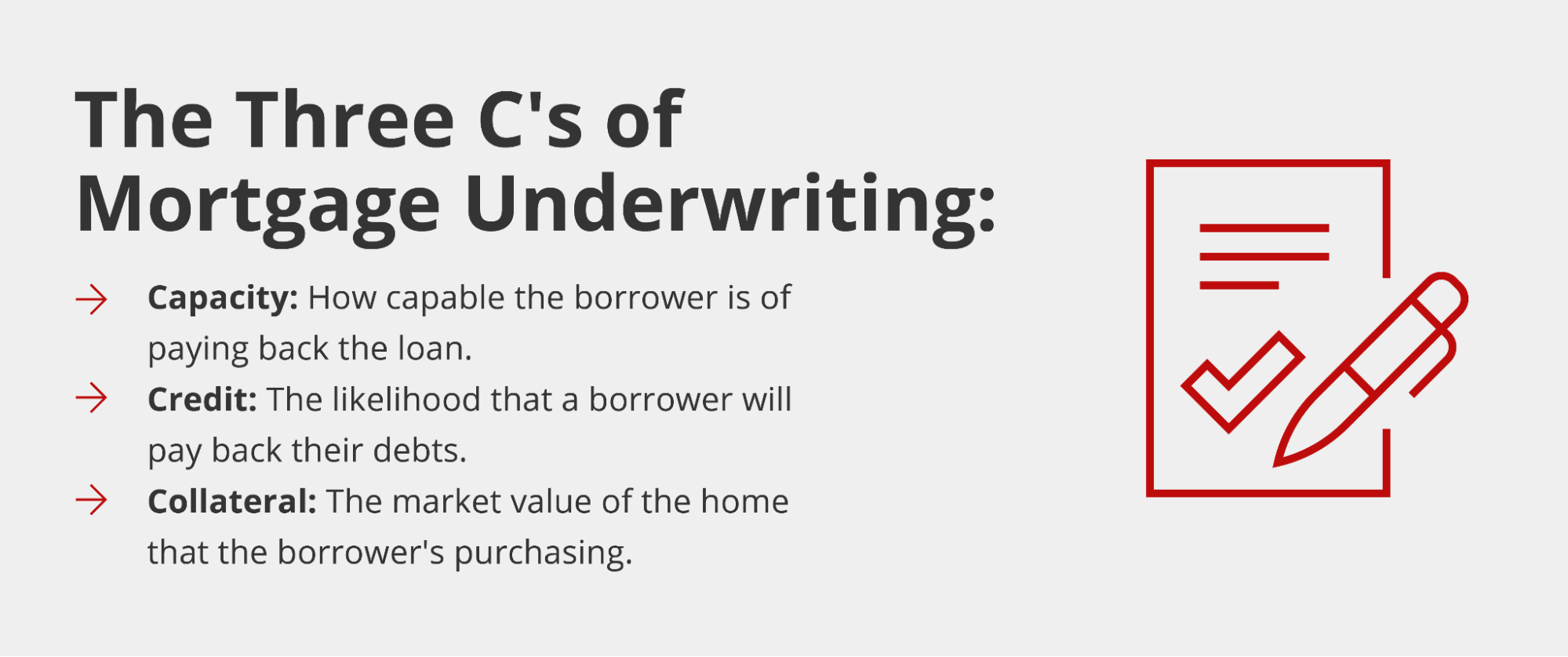
- Trust Land vs. Fee Simple: A significant portion of Native American land is held in trust by the U.S. government for the benefit of tribes or individual tribal members. This means the land cannot be bought or sold like typical real estate, complicating traditional collateral requirements and appraisals.
- Lack of Infrastructure: Many reservations and tribal lands lack conventional addresses, reliable utilities, and established property records, making standard property assessments difficult.
- Credit History: Due to limited access to mainstream financial institutions, some Native Americans may have thin or non-existent credit files, despite being financially responsible.
- Income Verification: Income sources can sometimes be non-traditional, requiring lenders to be adaptable in their verification processes.
- Cultural Sensitivity: Effective lending in Native American communities requires an understanding of tribal sovereignty, cultural norms, and community values.
Flexible underwriting, therefore, isn’t just about bending rules; it’s about developing intelligent, culturally sensitive, and financially sound methods to assess risk and facilitate homeownership within this unique context.
The Cornerstone: HUD Section 184 Indian Home Loan Guarantee Program

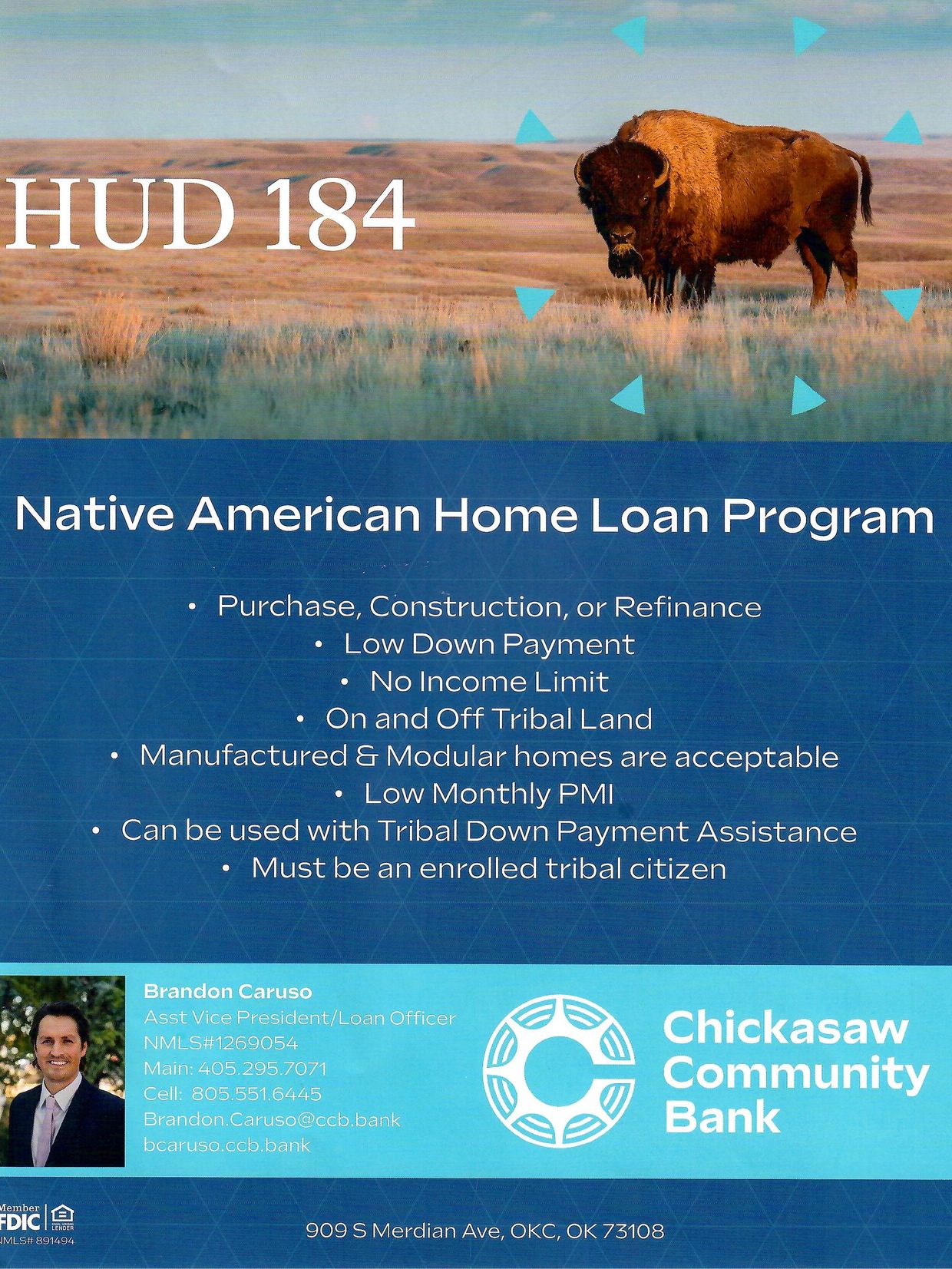
Any discussion about home loans for Native Americans must begin with the HUD Section 184 Indian Home Loan Guarantee Program. Established in 1992, this program is specifically designed to address the unique homeownership needs of Native American and Alaska Native families, federally recognized tribes, and Tribally Designated Housing Entities (TDHEs). It acts as a lifeline, allowing eligible Native Americans to obtain mortgage financing with terms that are often unattainable through conventional routes.
Pros of the Section 184 Program:
- Low Down Payment: Borrowers can put down as little as 2.25% for loans over $50,000, and just 1.25% for loans under $50,000.
- Flexible Credit Requirements: Underwriting is more lenient, taking into account non-traditional credit references and overall financial stability rather than relying solely on credit scores.
- Competitive Interest Rates: Rates are often below market rates and are fixed for the life of the loan, providing stability.
- No Monthly Mortgage Insurance (PMI): While there is an upfront guarantee fee (1.00% of the loan amount, which can be financed), there is no ongoing monthly mortgage insurance, saving borrowers significant money over time.
- Eligible for Trust Land: Crucially, Section 184 loans can be used to purchase, construct, or rehabilitate homes on both fee simple land and trust land, including individually allotted lands and tribal trust lands.
- Broader Property Types: Covers single-family homes, manufactured homes, and even multi-family dwellings.
- Assumption: Section 184 loans are assumable, meaning a qualified Native American borrower can take over the existing loan.
Cons of the Section 184 Program:
- Limited Lender Participation: Not all lenders offer Section 184 loans, requiring borrowers to seek out approved lenders.
- Eligibility Restrictions: Only federally recognized tribal members (or their spouses) and tribes themselves are eligible.
- Processing Time: Due to the specialized nature and coordination with tribal housing authorities and HUD, the application and approval process can sometimes take longer than conventional loans.
- Upfront Guarantee Fee: While no monthly PMI, the upfront 1.00% guarantee fee (though often financed) is an additional cost.
Other Relevant Programs with Flexible Underwriting Potential
While Section 184 is paramount, other federal programs can also offer flexible terms, especially for Native American veterans or those in rural areas:
-
VA Home Loans: For eligible Native American veterans, VA loans offer unparalleled benefits, including no down payment, no private mortgage insurance (PMI), and competitive interest rates. While not specifically designed for trust land, VA loans can be used on fee simple land.
- Pros: 0% down payment, no PMI, flexible credit, competitive rates.
- Cons: Exclusively for veterans, not tailored for trust land complexities.
-
USDA Rural Development Loans: The USDA offers programs (Guaranteed Rural Housing Loan Program and Direct Loan Program) for low- and moderate-income borrowers in eligible rural areas. Many tribal lands fall within these designations.
- Pros: 0% down payment, flexible credit, subsidized interest rates for direct loans, low monthly mortgage insurance for guaranteed loans.
- Cons: Strict geographic and income limitations, not specifically designed for tribal land issues (though applicable in many rural tribal areas).
-
FHA Loans: While not as flexible as Section 184 for trust land, FHA loans offer low down payment options (as low as 3.5%) and more lenient credit requirements than conventional loans.
- Pros: Low down payment, flexible credit.
- Cons: Requires monthly mortgage insurance, not specifically geared towards tribal land.
What Makes a "Best Lender" for Native American Home Loans?
The "best" lenders in this space go beyond merely offering Section 184 loans. They embody a deeper understanding and commitment:
- Expertise in Section 184: They process a high volume of Section 184 loans and have dedicated teams well-versed in its nuances, from eligibility to property requirements on tribal land.
- Experience with Tribal Land & Jurisdiction: They understand the intricacies of leases, land assignments, tribal codes, and working with Bureau of Indian Affairs (BIA) and tribal housing authorities.
- Dedicated Native American Lending Teams: Staff who are specifically trained, and sometimes even members of Native American communities themselves, can provide culturally sensitive guidance.
- Strong Relationships with Tribes: Lenders who actively partner with tribal governments and housing entities demonstrate a long-term commitment.
- Flexible Underwriting Beyond Programs: While programs like Section 184 provide the framework, the best lenders apply a flexible mindset to issues like non-traditional income, credit history analysis, and appraisal challenges even within other loan types.
- Educational Resources: They provide clear, accessible information to borrowers about the process, requirements, and available resources.
- Customer Service and Responsiveness: Navigating these loans can be complex, so responsive and patient loan officers are invaluable.
Top Lenders for Native American Home Loans with Flexible Underwriting
Identifying a single "best" lender is challenging, as performance and local expertise can vary. However, several lenders consistently stand out for their commitment and expertise in the Native American home loan market, particularly with Section 184. These are not just banks, but mortgage companies and even community-based financial institutions that have made this a priority.
1. Fairway Independent Mortgage Corporation:
- Overview: Fairway is widely recognized as a leader in Section 184 lending. They have a robust Native American Lending Division with loan officers specifically trained and dedicated to serving tribal communities.
- Pros:
- Extensive Section 184 Experience: One of the highest volumes of Section 184 loans in the country.
- Dedicated Team: Specializes in understanding tribal regulations and trust land complexities.
- Educational Focus: Provides resources and outreach to tribal communities.
- Nationwide Reach: Ability to serve a broad range of tribal lands across the U.S.
- Cons: While extensive, their size means a personal connection might depend on the individual loan officer.
2. Movement Mortgage:
- Overview: Movement Mortgage has also significantly invested in its Native American lending division, building expertise and relationships within tribal communities.
- Pros:
- Strong Section 184 Presence: A growing player with significant commitment to the program.
- Focus on Speed: Known for a streamlined process where possible, which can be beneficial.
- Community Engagement: Active in outreach and education within Native American communities.
- Cons: May not have the same historical depth in the space as some older players, but rapidly gaining ground.
3. Major Banks with Dedicated Programs (e.g., Wells Fargo, Bank of America, U.S. Bank):
- Overview: While not always as specialized as mortgage-only companies, some larger banks have divisions or loan officers who are Section 184 approved and familiar with tribal lending. Their advantage lies in broader financial services.
- Pros:
- Full Suite of Financial Services: Can offer more than just mortgages (e.g., checking, savings, financial planning).
- Established Infrastructure: Large networks and resources.
- Potential for Relationship Banking: Building a relationship can unlock other benefits.
- Cons:
- Inconsistent Expertise: Expertise can vary greatly from branch to branch or loan officer to loan officer. It’s crucial to find someone specifically trained in Section 184.
- Bureaucracy: Larger institutions can sometimes have more rigid internal processes.
4. Local and Regional Banks & Credit Unions:
- Overview: Often overlooked, smaller, community-focused banks and credit unions located near reservations or with a history of serving Native American populations can be excellent choices. They often have deep local knowledge and strong community ties.
- Pros:
- Local Expertise: Intimate knowledge of local tribal regulations, housing authorities, and market conditions.
- Personalized Service: Often provide a more hands-on, personalized approach.
- Community Investment: Tend to be more invested in the well-being of the local community.
- Cons:
- Limited Reach: May only serve specific geographic areas.
- Smaller Scale: Might not have the same volume of Section 184 loans as national specialists.
5. Native American-Owned CDFIs and Financial Institutions:
- Overview: Community Development Financial Institutions (CDFIs) and other financial entities owned and operated by Native Americans are invaluable. They are inherently culturally sensitive and designed to serve their communities’ specific needs. Examples include Native American Bank, Travois, and various tribal housing entities.
- Pros:
- Deep Cultural Understanding: Built from the ground up to serve Native communities.
- Tailored Products: Often develop their own innovative solutions alongside federal programs.
- Community Reinvestment: Profits are reinvested into the community.
- Holistic Approach: Often offer financial literacy and homebuyer education.
- Cons:
- Limited Geographic Scope: Typically serve specific tribes or regions.
- Smaller Lending Capacity: May have lower loan volume compared to larger institutions.
Pros of Choosing These Specialized Lenders
- Access to Homeownership: These lenders unlock opportunities for Native Americans who might otherwise be excluded from traditional markets.
- Financial Empowerment: Facilitates wealth creation and intergenerational transfer of assets within Native communities.
- Culturally Sensitive Solutions: Their expertise ensures that the lending process respects tribal sovereignty and cultural norms.
- Navigation of Complexity: They are equipped to handle the unique legal and administrative challenges of trust land.
- Lower Financial Barriers: Through programs like Section 184, they offer significantly lower down payments and flexible credit.
Cons and Challenges Still Present
- Lender Availability: Despite growth, the number of truly expert lenders remains relatively small compared to the overall mortgage market.
- Appraisal Challenges: Even with flexible underwriting, appraising properties on tribal land can be difficult due to lack of comparable sales and unique land tenure.
- Processing Times: The coordination required between HUD, BIA, tribal housing authorities, and the lender can extend closing times.
- Need for Borrower Education: Many potential borrowers are unaware of these programs or how to navigate them.
- Varying Tribal Requirements: Each tribe may have its own specific housing codes and land use policies, requiring lenders to adapt.
Recommendations for Native American Homebuyers
- Understand Your Eligibility: Confirm your tribal enrollment and any other program-specific requirements (e.g., veteran status for VA loans).
- Start with Section 184 Approved Lenders: Begin your search by looking for lenders explicitly approved for the HUD Section 184 program. HUD’s website provides a list of approved lenders.
- Prioritize Experience and Expertise: Don’t just pick any lender; choose one with a demonstrated track record in Native American home loans and, ideally, a dedicated team. Ask how many Section 184 loans they’ve closed in the past year.
- Work with a Housing Counselor: Seek out HUD-approved housing counseling agencies, especially those with experience working with Native American communities. They can provide invaluable guidance.
- Get Pre-Approved: This helps you understand how much you can afford and signals to sellers that you are a serious buyer.
- Understand Your Land Type: Know whether the property is on fee simple land or trust land, as this significantly impacts the loan process.
- Ask About Tribal Relationships: Inquire about the lender’s experience working with your specific tribe or other tribes in your region.
- Be Patient and Persistent: The process can sometimes be longer or more complex than a conventional loan. Having a knowledgeable loan officer is key.
- Read the Fine Print: Ensure you understand all terms, fees, and conditions of your loan.
Conclusion
The journey to homeownership for Native Americans is unique, marked by historical complexities and distinct land tenure systems. However, the landscape is evolving, thanks to the critical HUD Section 184 program and a growing cohort of lenders committed to flexible underwriting and culturally sensitive service.
By choosing lenders with proven expertise, dedicated teams, and a deep understanding of tribal communities, Native American families can successfully navigate these challenges and realize the dream of owning a home. It’s a testament to the power of tailored financial solutions and the enduring spirit of communities striving for self-determination and prosperity. The "best" lenders are those who not only offer the right products but also serve as true partners in building strong, vibrant Native American communities, one home at a time.


