Navigating Homeownership: A Review of Top Lenders for Native American Home Loans with Flexible Payment Schedules
Homeownership is a cornerstone of financial stability, wealth creation, and community development. For Native American communities, however, the path to homeownership often presents unique challenges, stemming from historical injustices, unique land tenure systems (like trust lands), varying tribal regulations, and socio-economic factors. Traditional lending models, with their rigid requirements and standardized payment schedules, often fail to accommodate these specific circumstances.
This comprehensive review delves into the landscape of lenders and loan programs that are best suited for Native American homebuyers, with a particular focus on those offering flexible payment schedules. We will examine the advantages and disadvantages of these options and provide actionable recommendations to empower prospective homeowners on their journey.
Understanding the Unique Landscape of Native American Homeownership
Before diving into specific lenders, it’s crucial to understand why a specialized approach is necessary.

- Land Tenure: A significant portion of Native American lands are held in trust by the U.S. government for tribes or individual tribal members. This means the land cannot be directly mortgaged, complicating traditional financing. Leases on trust lands are common, but require specific legal frameworks.
- Credit History: Many Native Americans, particularly those living on reservations, may have limited traditional credit histories due to reliance on cash transactions, lack of access to mainstream financial institutions, or different economic structures within their communities.
- Income Volatility: Employment opportunities on or near reservations can sometimes be seasonal or less stable, leading to income fluctuations that make rigid monthly mortgage payments challenging.
- Cultural Sensitivity: A lender’s understanding of tribal sovereignty, cultural norms, and community values can significantly impact the homebuying experience.
- Access to Information: Awareness of specific programs and lenders designed for Native Americans is not always widespread.
These factors underscore the critical need for lenders who offer not just specialized loan products, but also the flexibility, understanding, and support required to navigate this unique environment successfully.
Key Loan Programs and Lender Categories for Native Americans

The "best" lenders aren’t always a specific bank name, but rather institutions that are adept at working with specific programs designed for Native Americans.
1. HUD Section 184 Indian Home Loan Guarantee Program
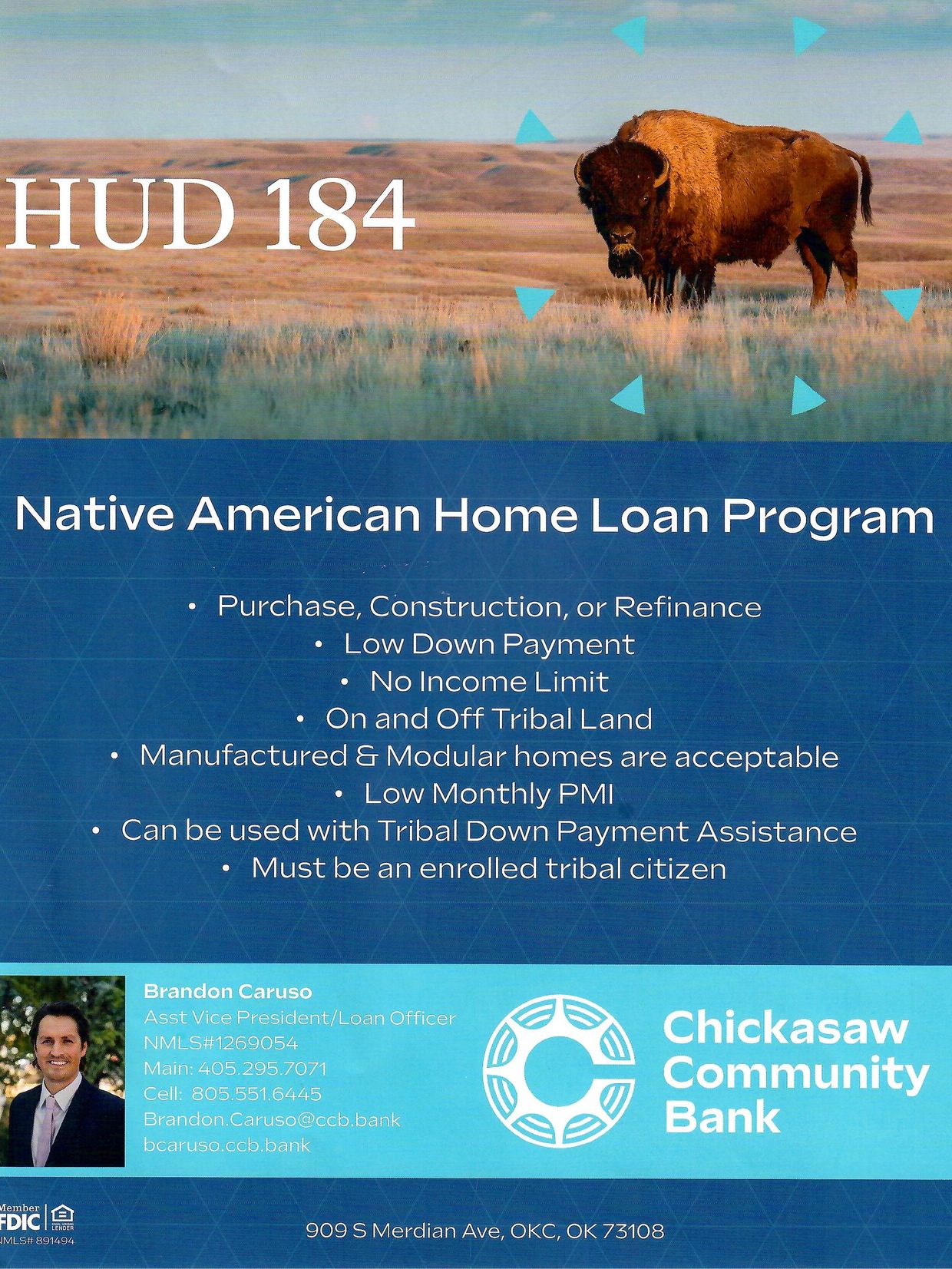
This is arguably the most significant and widely utilized program for Native American homeownership. The Section 184 program is specifically designed to provide mortgage financing for Native American and Alaska Native families, tribes, and tribal housing entities. It guarantees mortgages made by approved lenders, reducing the risk for the lender and making financing more accessible.
How it Works: HUD guarantees the loan, but the actual mortgage is provided by a private lender approved to participate in the Section 184 program.
Advantages (Pros):
- Low Down Payment: Often as low as 2.25% for loans over $50,000, and 1.25% for loans under $50,000. This significantly lowers the barrier to entry.
- Flexible Credit Underwriting: Lenders are encouraged to consider non-traditional credit references (e.g., utility payments, rental history) and demonstrate flexibility for those with limited credit history.
- Competitive Interest Rates: Rates are typically fixed and competitive, often comparable to FHA loans.
- Broad Use: Can be used for purchasing a new or existing home, constructing a new home, rehabilitating a home, or even refinancing.
- Works on Trust Land: Critically, it is designed to work on trust or restricted land, requiring a leasehold agreement approved by the Bureau of Indian Affairs (BIA) or the tribe.
- No Mortgage Insurance Premium (MIP) for Life: Unlike FHA loans, the annual mortgage insurance premium is not required for the life of the loan, saving borrowers money.
- Streamlined Process: While still requiring documentation, the program aims to simplify the process for eligible borrowers.
- Transferability: If a Section 184 loan is assumed by another eligible Native American, the program benefits can transfer.
Disadvantages (Cons):
- Limited Number of Approved Lenders: While growing, not all mortgage lenders are approved for Section 184. This can limit options and require more diligent searching.
- Tribal Approval Required: For homes on trust land, the tribe or BIA must approve the leasehold agreement, which can add time and complexity to the process.
- Geographic Restrictions: The program is only available in eligible areas, typically within or near tribal communities.
- Bureaucracy: Dealing with multiple agencies (HUD, BIA, tribal housing authorities) can sometimes lead to delays.
- Eligibility: While broad, borrowers must be an enrolled member of a federally recognized tribe or a tribal entity.
Lenders Best Suited for Section 184: Look for national or regional mortgage lenders who explicitly advertise their expertise in HUD Section 184 loans. These often include:
- Specialized Mortgage Brokers/Companies: Firms like LeaderOne Financial, Caliber Home Loans, Academy Mortgage, Fairway Independent Mortgage Corporation, PrimeLending, and many others have dedicated teams for Section 184.
- Certain Banks and Credit Unions: Some larger financial institutions with a presence near tribal communities may also offer Section 184.
2. Native Community Development Financial Institutions (CDFIs)
Native CDFIs are mission-driven financial institutions that provide financial products and services to Native American communities. They are unique in their deep understanding of local needs, cultural values, and economic realities.
How it Works: CDFIs often offer direct loans, credit counseling, and financial education, sometimes with more flexible underwriting criteria than traditional banks. They are often federally certified and supported by the CDFI Fund of the U.S. Treasury.
Advantages (Pros):
- Mission-Driven and Culturally Sensitive: Their primary goal is community development, not just profit. They understand the unique challenges and cultural context.
- Flexible Underwriting: More likely to consider alternative credit data, work with varying income streams, and offer tailored solutions.
- Financial Education and Counseling: Many provide invaluable pre-purchase counseling, financial literacy workshops, and post-purchase support.
- Smaller Loan Amounts: More willing to finance smaller home loans or home repair loans that traditional banks might overlook.
- Community Ties: Often have strong relationships with tribal governments and housing authorities, facilitating smoother processes.
- Innovative Products: May offer unique products like lease-to-own programs, down payment assistance, or individualized payment plans.
Disadvantages (Cons):
- Limited Scale and Reach: Many Native CDFIs are localized and may not have the capacity or geographic reach of larger national lenders.
- Funding Limitations: Their ability to lend is often dependent on grants and specific funding cycles, which can limit availability.
- Potentially Higher Interest Rates (Sometimes): While not always the case, some CDFI loans might have slightly higher rates than a prime conventional loan due to the higher risk they take on. However, the overall benefits often outweigh this.
- Specific Eligibility: May require tribal membership within their service area or other specific criteria.
Examples of Native CDFIs: Oweesta Corporation (provides technical assistance to other Native CDFIs), Four Bands Community Fund, Native American Bank, Travois, and many others specific to various tribal nations. It’s best to search for Native CDFIs operating in your specific region.
3. Conventional Lenders with Specialized Programs or Expertise
While not specifically "Native American" programs, some conventional lenders (large banks, credit unions, and mortgage companies) have developed expertise or specialized departments for serving Native American communities, often by becoming Section 184 approved lenders or by offering products that complement other tribal programs.
How it Works: These lenders offer standard conventional, FHA, VA, or USDA loans, but with staff trained in the nuances of tribal land leasing, Section 184, or working with tribal housing authorities.
Advantages (Pros):
- Broader Product Range: Access to a wider variety of loan types beyond Section 184, such as FHA, VA (for eligible veterans), or USDA Rural Development loans (which can offer 0% down in eligible rural areas).
- Competitive Rates: Can offer very competitive rates, especially for borrowers with strong credit.
- Larger Capacity: Generally have greater lending capacity and geographic reach than CDFIs.
- Established Processes: May have more streamlined processes for standard loan types.
Disadvantages (Cons):
- Less Flexibility by Default: Unless specifically part of a Section 184 program, their standard underwriting can be less flexible regarding credit history or income volatility.
- Lack of Cultural Understanding: While some have specialized departments, the broader institution may lack a deep understanding of unique Native American challenges.
- Less Hand-Holding: May not offer the same level of financial education or personalized support as Native CDFIs.
- Land Issues: Conventional loans typically require fee-simple land ownership, making them unsuitable for trust lands without specific leasehold agreements that align with their requirements.
Examples: While it’s harder to list specific conventional banks as "best" without knowing their specific initiatives, look for large regional or national banks with a significant presence in areas with large Native American populations, and inquire about their Section 184 approval or any dedicated programs.
4. Tribal Housing Authorities and Programs
Many federally recognized tribes operate their own housing authorities or programs designed to assist tribal members with homeownership, rental housing, and home repairs.
How it Works: These programs can range from direct loan funds, down payment assistance, housing rehabilitation grants, or partnerships with external lenders.
Advantages (Pros):
- Deep Cultural and Community Understanding: Directly serving their own people, these entities have the most profound understanding of local needs and customs.
- Tailored Solutions: Programs are often highly customized to the specific economic and social conditions of the tribe.
- Direct Support and Advocacy: Can act as advocates for tribal members with external lenders or government agencies.
- Grants and Subsidies: May offer non-repayable grants or subsidized loans, significantly reducing the financial burden.
Disadvantages (Cons):
- Very Localized: Only available to members of that specific tribe and often within specific geographic areas.
- Limited Funding: Funding is often subject to federal appropriations (e.g., NAHASDA funds) and tribal budgets, which can be limited.
- Specific Eligibility Criteria: Strict requirements for tribal membership, income, and residency.
- Bureaucracy: Can still involve administrative processes and waiting lists.
The Crucial Role of Flexible Payment Schedules
For Native American homebuyers, "flexible payment schedules" are not just a luxury; they are often a necessity. The reasons for this include:
- Seasonal Income: Many jobs on or near reservations are tied to seasonal industries (e.g., agriculture, tourism, fishing), leading to fluctuating income throughout the year.
- Self-Employment and Small Business: A higher rate of entrepreneurship in some communities can lead to variable monthly income.
- Unforeseen Expenses: Limited access to emergency savings or credit can make unexpected costs (medical, vehicle repair) difficult to manage alongside rigid mortgage payments.
- Community-Based Obligations: Cultural or family obligations might periodically require financial resources.
What to Look for in Flexible Payment Schedules:
- Bi-Weekly Payments: Paying half your mortgage every two weeks can align better with bi-weekly paychecks, and over a year, you make one extra monthly payment, shortening the loan term and saving on interest.
- Hardship Forbearance/Deferment Options: Lenders willing to work with borrowers during periods of temporary financial difficulty, allowing for reduced or paused payments with a plan to catch up later.
- Graduated Payment Mortgages (GPM): Payments start lower and gradually increase over time, ideal for borrowers expecting their income to rise. While less common for prime mortgages, some specialized programs might offer variations.
- Extended Loan Terms: While increasing total interest, extending the loan term (e.g., to 40 years) can lower monthly payments, providing more breathing room.
- Principal Reduction Options: The ability to make extra principal payments without penalty when funds are available, speeding up equity building.
- Counseling and Support: Lenders who offer financial counseling to help borrowers manage budgets and navigate payment challenges.
Lenders that are "Best" for Flexibility: Native CDFIs excel here due to their mission-driven nature. Section 184 lenders, while governed by federal guidelines, often have more latitude in their underwriting and can be more understanding of unique circumstances than a standard conventional lender. It is paramount to ask specific questions about payment flexibility during the pre-application phase.
Recommendations for Prospective Native American Homebuyers
Embarking on the homeownership journey requires diligence and preparation. Here are key recommendations:
- Start with Financial Education and Counseling: Connect with a Native CDFI or a HUD-approved housing counseling agency specializing in Native American programs. They can help you understand your credit, budget, and the homebuying process.
- Understand Your Land Status: Determine if the land you wish to purchase or build on is fee simple, trust land, or restricted land. This is the single most important factor in determining your loan options.
- Explore the HUD Section 184 Program First: For most Native American borrowers, this program offers the most tailored benefits. Find lenders approved for Section 184 in your area.
- Research Native CDFIs: Look for Native CDFIs operating within your tribal nation or region. Their localized knowledge and flexible approach can be invaluable.
- Engage with Your Tribal Housing Authority: Your tribe may have direct programs, down payment assistance, or partnerships that can significantly aid your purchase.
- Get Pre-Approved: This step helps you understand what you can afford, identifies any potential credit issues early, and shows sellers you are a serious buyer.
- Ask Specific Questions About Flexibility: When speaking with lenders, explicitly inquire about:
- Their options for flexible payment schedules (bi-weekly, hardship deferrals).
- Their experience with seasonal income or non-traditional credit.
- Their process for handling financial difficulties after closing.
- Their understanding of tribal land issues and leasehold agreements.
- Compare Multiple Lenders: Don’t settle for the first option. Get quotes and understand the terms from several Section 184 approved lenders and Native CDFIs.
- Build a Strong Support Team: This includes a knowledgeable real estate agent (experienced with tribal lands), a housing counselor, and potentially a legal advisor if dealing with complex land tenure issues.
- Be Patient and Persistent: The process can be complex, especially on trust lands. Patience, thorough documentation, and persistent follow-up are key.
Conclusion
The dream of homeownership for Native American families is increasingly within reach, thanks to specialized programs like the HUD Section 184 loan and the dedicated work of Native Community Development Financial Institutions. These avenues, combined with tribal housing initiatives, are designed to overcome historical barriers and accommodate the unique financial and cultural landscapes of Native communities.
The "best" lender is not a one-size-fits-all answer but rather a combination of the right program (often Section 184), an institution with deep cultural understanding (like a Native CDFI), and a lender who explicitly offers and commits to flexible payment schedules. By leveraging these resources, conducting thorough research, and advocating for their needs, Native American homebuyers can confidently navigate the path to securing a home that supports their families and strengthens their communities for generations to come.


