Navigating the Landscape: Best Lenders for Native American Construction Loans with Low Credit
Access to capital is a fundamental pillar of economic development and self-determination for Native American communities. However, securing financing, especially for construction projects, presents unique challenges, particularly for individuals and tribal entities navigating low credit scores. Traditional lending models often struggle to accommodate the specific legal, cultural, and economic realities of Indian Country, including trust land status, diverse tribal governance structures, and historical underinvestment.
This comprehensive review will explore the best lending options available for Native American construction loans, specifically addressing the needs of borrowers with low credit. We will delve into various categories of lenders, examining their strengths, weaknesses, and ultimately provide recommendations to empower individuals and tribes in realizing their construction goals.
Understanding the Unique Lending Landscape for Native Americans
Before diving into specific lenders, it’s crucial to understand why this sector is distinct:

- Trust Land Status: Much of Native American land is held in trust by the U.S. government for the benefit of tribes or individual Indians. This complicates traditional lending, as trust land cannot be mortgaged or foreclosed upon in the same way fee simple land can. Lenders often require a leasehold interest approved by the Bureau of Indian Affairs (BIA), which can be a lengthy process.
- Sovereignty and Tribal Law: Each federally recognized tribe is a sovereign nation with its own laws and governance. Lenders must navigate this complex legal framework, which can vary significantly from one tribe to another.
- Historical Underinvestment and Credit Building: Decades of discriminatory practices and lack of access to mainstream financial services have resulted in lower credit scores and limited credit histories for many Native Americans. This necessitates lenders who are willing to look beyond conventional credit metrics.
- Cultural Context: Building relationships, understanding community needs, and respecting tribal sovereignty are paramount. Lenders who succeed in Indian Country often demonstrate cultural competency and a long-term commitment.
- Diverse Needs: "Construction loans" can range from individual home construction and renovation to tribal housing developments, essential infrastructure (water, sanitation, roads), and commercial or economic development projects (casinos, hotels, retail centers). Each requires different financing structures.
Given these complexities, the "best" lender isn’t always a traditional bank. It’s often an institution that offers flexibility, understanding, and specialized programs designed to mitigate these unique challenges.
Categories of Lenders for Native American Construction Loans with Low Credit
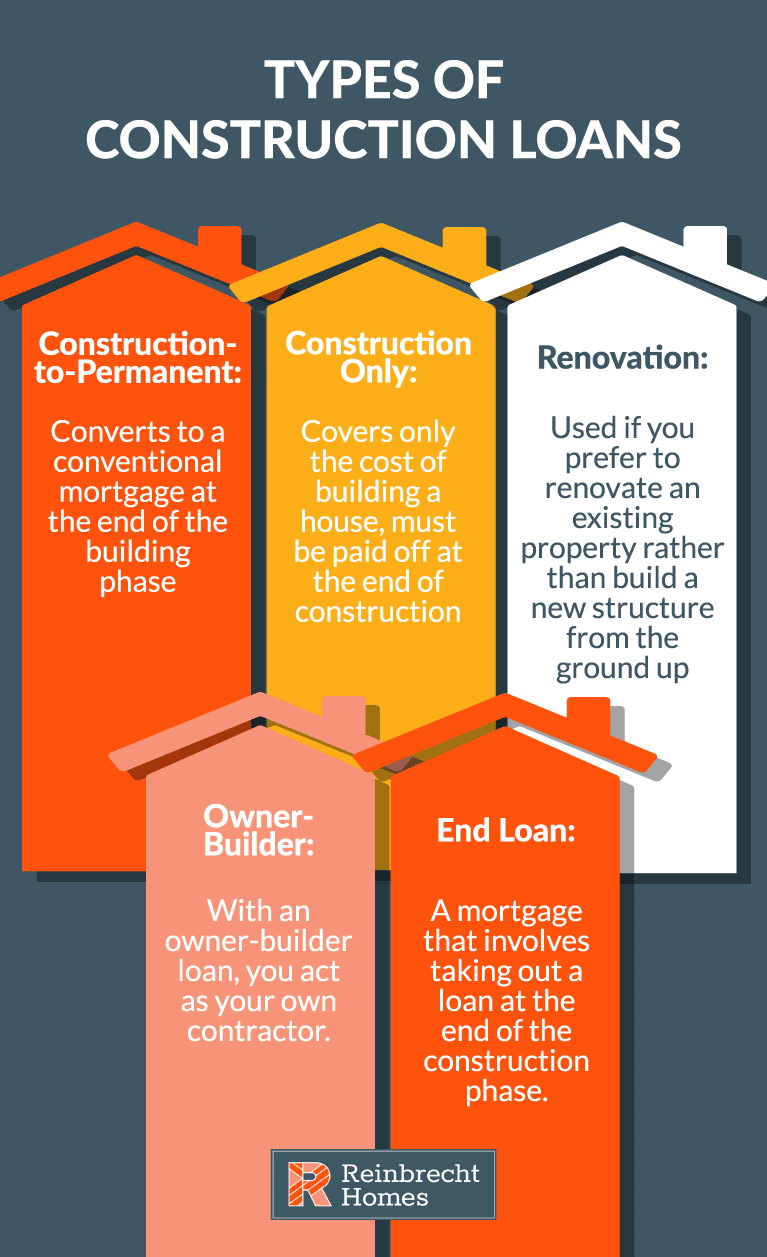
We can categorize the most effective lenders into three main groups, each with distinct advantages and disadvantages:
-
Government-Backed and Sponsored Programs: These are often the first and best recourse for Native Americans, especially those with lower credit scores, due to their mission-driven nature and risk mitigation through federal guarantees.
-
A. HUD Section 184 Indian Home Loan Guarantee Program:
- Overview: This is arguably the most significant program for individual Native Americans seeking to build or purchase homes. It provides a 100% loan guarantee to approved lenders, reducing their risk and making financing more accessible. Loans can be used for new construction, purchase of existing homes, rehabilitation, or refinancing.
- Pros for Low Credit Borrowers:
- Flexible Underwriting: Section 184 lenders are often more flexible with credit scores compared to conventional loans, focusing on overall financial stability and payment history rather than just a FICO score.
- Low Down Payment: Typically requires only a 2.25% down payment for loans over $50,000, and 1.25% for loans under $50,000.
- Competitive Interest Rates: Rates are typically market-driven and competitive, often lower than other options for low-credit borrowers.
- Accepts Trust Land: Specifically designed to work on trust land, offering a streamlined approval process for leasehold mortgages.
- No Mortgage Insurance (MI): Unlike FHA or conventional loans, Section 184 has no monthly MI, only a one-time 1.5% guarantee fee (which can be financed).
- Cons:
- Limited to Housing: Exclusively for residential purposes, not commercial or infrastructure.
- Approved Lender Network: Must work with a lender approved by HUD to originate Section 184 loans, which may not be available in all areas.
- BIA Approval: While streamlined, BIA approval for leasehold mortgages still adds a layer of bureaucracy.
- Loan Limits: Subject to county-specific loan limits.
- Why it’s "Best" for Low Credit: Its primary purpose is to expand homeownership opportunities for Native Americans, directly addressing barriers like credit and trust land. Lenders are incentivized by the guarantee to take on more risk.
-
B. USDA Rural Development Programs (e.g., Section 502 Direct and Guaranteed Loans, Section 504 Home Repair, Section 515 Multi-Family Housing):
- Overview: USDA Rural Development offers various programs aimed at improving the quality of life and economic vitality in rural areas, including many tribal lands.
- Pros for Low Credit Borrowers:
- Direct Loans (Section 502 Direct): Designed for very-low to low-income individuals, these loans can have subsidies and are underwritten directly by USDA, offering significant flexibility for credit challenges. Can be used for new construction or purchase.
- Guaranteed Loans (Section 502 Guaranteed): Similar to Section 184, USDA guarantees loans made by private lenders, encouraging them to lend to moderate-income individuals with potentially less-than-perfect credit.
- No Down Payment: Many USDA programs require no down payment.
- Broad Scope: Can cover individual homes, community facilities, and multi-family housing.
- Cons:
- Geographic Restrictions: Limited to areas designated as "rural" by USDA, which typically includes tribal lands but can exclude areas bordering urban centers.
- Income Limits: Strict income limits apply, especially for direct loans.
- Bureaucracy: Can involve a lengthy application and approval process.
- Why it’s "Best" for Low Credit: Direct loans are especially powerful for those with very low income and credit, as USDA itself is the lender and can be highly flexible. Guaranteed loans offer similar benefits to Section 184.
-
C. Bureau of Indian Affairs (BIA) Loan Guarantee, Insurance, and Interest Subsidy Program:
- Overview: The BIA provides guarantees for loans made by private lenders to Native American individuals, tribes, and businesses for economic development, housing, and infrastructure projects on or near Indian reservations.
- Pros for Low Credit Borrowers:
- Broad Project Scope: Can cover a wide range of construction, including commercial, industrial, and infrastructure development, in addition to housing.
- Risk Mitigation for Lenders: The BIA guarantee significantly reduces risk for private lenders, making them more willing to lend to borrowers with lower credit scores.
- Interest Subsidies: Can provide interest subsidies to further reduce the cost of borrowing.
- Cons:
- Administrative Process: Can be complex and time-consuming to secure BIA guarantees.
- Lender Participation: Requires finding a private lender willing to participate in the BIA program.
- Availability: Funding for interest subsidies can vary.
- Why it’s "Best" for Low Credit: It’s a critical tool for larger-scale economic development and infrastructure projects where traditional financing is difficult due to trust land or perceived risk. The guarantee encourages lenders to consider otherwise challenging applications.
-
D. Small Business Administration (SBA) Loan Programs (e.g., 7(a), 504):
- Overview: While not exclusively for Native Americans, SBA loan programs can be vital for Native American-owned construction businesses or tribal enterprises undertaking construction. They offer guarantees to lenders, making it easier for small businesses to get loans.
- Pros for Low Credit Borrowers (Business Context):
- Broad Use: Can be used for working capital, equipment, and real estate (including construction of business premises).
- Lender Incentive: SBA guarantees encourage private lenders to extend credit to businesses that might not otherwise qualify, including those with less established credit histories.
- Technical Assistance: SBA provides extensive resources and counseling for small businesses.
- Cons:
- Business Focus: Primarily for businesses, not individual home construction.
- Still Requires a Business Plan: Lenders will scrutinize the business’s viability, even with a guarantee.
- Private Lender Dependent: Still requires finding a bank or credit union willing to originate SBA loans.
- Why it’s "Best" for Low Credit: For Native American entrepreneurs or tribal entities looking to build commercial structures or expand construction-related businesses, SBA programs mitigate lender risk and provide access to capital.
-
-
Native Community Development Financial Institutions (CDFIs): These specialized financial institutions are mission-driven to serve economically distressed communities, including Native American communities.
- Overview: Native CDFIs are certified by the U.S. Treasury Department’s CDFI Fund and are uniquely positioned to understand the cultural, economic, and legal context of tribal communities. They offer a range of financial products, often including construction loans, microloans, and financial literacy training.
- Pros for Low Credit Borrowers:
- Cultural Competency and Trust: Built on relationships and deep understanding of tribal needs and values.
- Flexible Underwriting: Often prioritize character, capacity, and collateral alternatives over strict FICO scores. They look at holistic financial pictures, including traditional economic activities not captured by standard credit reports.
- Technical Assistance & Financial Literacy: Provide invaluable support in developing business plans, credit repair, and financial management. This is crucial for improving credit over time.
- Community Reinvestment: Funds are recycled back into the community, supporting local economic growth.
- Smaller Loan Amounts: Willing to make smaller loans that traditional banks might not find profitable.
- Can Combine with Other Programs: Often work in conjunction with HUD Section 184 or BIA guarantees.
- Innovative Products: May offer unique products tailored to local needs.
- Examples: Oweesta Corporation (supports other Native CDFIs), Native American Bank (a Native-owned national bank with CDFI principles), individual tribal CDFIs like Lakota Funds or Acoma Business Center.
- Cons:
- Limited Capital: Generally have smaller loan portfolios and may not be able to fund very large projects independently.
- Geographic Reach: Often serve specific tribal nations or regions.
- Capacity: May have smaller staff and less sophisticated infrastructure than large banks.
- Why they’re "Best" for Low Credit: Their core mission is to serve underserved populations, making them inherently more flexible and supportive for low-credit borrowers. Their emphasis on technical assistance helps borrowers build long-term financial health.
-
Mainstream Financial Institutions with Specialized Native American Divisions: A few larger banks and credit unions have recognized the unique needs and opportunities in Indian Country and have developed dedicated programs.
- Overview: These institutions typically have staff with expertise in tribal law, trust land financing, and a commitment to building relationships with Native American communities.
- Pros for Low Credit Borrowers (Relative to other mainstream banks):
- Experience with Trust Land: Understand the leasehold process and BIA requirements.
- Familiarity with Government Programs: Often approved lenders for HUD Section 184 and USDA programs.
- Larger Loan Capacity: Can handle larger projects than most CDFIs.
- Broader Product Offering: Offer a full range of banking services beyond just construction loans.
- Examples: While specific banks can vary by region, look for institutions that explicitly state a "Native American Banking" or "Tribal Relations" division.
- Cons:
- Still More Stringent: While more flexible than their general lending departments, they are still banks and will likely have stricter credit requirements than CDFIs or direct government programs.
- Profit Motive: Ultimately driven by profit, which can sometimes limit flexibility for truly high-risk, low-credit scenarios.
- Limited Number: Not all major banks have such specialized divisions, and their presence can be geographically limited.
- Less Cultural Immersion: While specialized, may not have the same deep community immersion as Native CDFIs.
- Why they’re "Best" for Low Credit: For borrowers who may not qualify for direct government assistance or need larger loan amounts than CDFIs can provide, these specialized divisions offer a bridge between traditional banking and the unique needs of Native American communities. Their participation in guarantee programs makes them viable for low-credit borrowers.
Strategies for Low-Credit Borrowers Seeking Construction Loans
Even with specialized lenders, low credit remains a hurdle. Here are strategies borrowers can employ:
- Understand Your Credit: Obtain your credit reports (AnnualCreditReport.com) and scores. Dispute any inaccuracies.
- Credit Counseling and Repair: Work with a non-profit credit counseling agency or a Native CDFI to develop a plan to improve your credit score. This might involve debt consolidation, making on-time payments, or addressing collections.
- Strong Business/Project Plan: For tribal or commercial construction, a well-researched and compelling business plan demonstrates viability and mitigates credit concerns. For individual housing, a detailed budget and construction plan are crucial.
- Demonstrate Repayment Capacity: Provide evidence of stable income, even if informal. Lenders in Indian Country are often more willing to consider non-traditional income sources or alternative payment histories.
- Seek Technical Assistance: Native CDFIs, tribal housing authorities, and economic development offices often provide free or low-cost technical assistance for loan applications, business planning, and financial management.
- Build Relationships: Engage with potential lenders early. A personal relationship can make a significant difference, especially with Native CDFIs.
- Explore Collateral Alternatives: If traditional collateral is limited, explore options like tribal guarantees, future revenue streams, or alternative assets.
- Start Small: If a large construction loan is out of reach, consider a smaller loan for a renovation or a microloan to build credit, then scale up.
Overall Pros and Cons of Lending Options for Native American Construction with Low Credit
Pros (General):
- Increased Access: Specialized programs and lenders significantly increase access to capital that would be unavailable through conventional channels.
- Flexible Underwriting: Many options prioritize a holistic view of financial health over strict credit scores.
- Cultural Competency: Many lenders understand and respect the unique cultural and legal context of Native American communities.
- Technical Assistance: A strong emphasis on education and support helps borrowers succeed long-term.
- Community Focus: Native CDFIs specifically reinvest in the communities they serve.
- Lower Rates/Fees: Government-backed loans often come with competitive rates and sometimes lower fees.
Cons (General):
- Bureaucracy and Timelines: Government programs can involve lengthy application and approval processes.
- Limited Capacity: Native CDFIs may have smaller loan caps than needed for large-scale projects.
- Geographic Restrictions: Some programs and lenders are limited to specific rural areas or tribal nations.
- Requires Specialized Knowledge: Navigating trust land and tribal law still requires expertise from both borrower and lender.
- Perception of Risk: Despite guarantees, some mainstream lenders still perceive lending in Indian Country as higher risk.
- Ongoing Need for Advocacy: While progress has been made, persistent advocacy is needed to expand access and resources.
Recommendations for Purchase/Action
For Native American individuals and tribes seeking construction loans with low credit, the following recommendations are paramount:
-
Prioritize Government-Backed Programs First:
- For Individual Home Construction: Start immediately with the HUD Section 184 Indian Home Loan Guarantee Program. Find an approved lender who is experienced in your region. This is the most direct and flexible path for housing with low credit.
- For Rural Housing/Community Facilities: Explore USDA Rural Development programs, especially the Section 502 Direct Loan for very low-income individuals.
- For Economic Development/Infrastructure: Investigate the BIA Loan Guarantee Program and SBA loan programs (if applicable to a business venture). These require finding a participating private lender.
-
Engage with Native Community Development Financial Institutions (CDFIs):
- Find Your Local Native CDFI: Use resources like the Oweesta Corporation or the CDFI Fund’s website to locate Native CDFIs serving your area or tribal nation.
- Utilize Their Services: Even if they can’t fund your entire project, they are invaluable for financial literacy, credit counseling, business plan development, and connecting you with other resources. They are often the most empathetic and flexible lenders for low-credit borrowers.
- Consider Them for Smaller Projects: For renovations, micro-businesses, or as a stepping stone to building credit for larger loans, Native CDFIs are excellent.
-
Seek Out Mainstream Banks with Dedicated Native American Divisions:
- Research and Inquire: Identify larger banks or credit unions that explicitly state they have specialized Native American banking programs or departments. Inquire about their experience with Section 184, trust land, and their flexibility for low-credit borrowers.
- Leverage Their Scale: If you have a larger project that exceeds CDFI capacity and you qualify for a government guarantee, these institutions can provide the necessary capital.
-
Proactive Credit Improvement:
- Action Plan: Regardless of the lender, commit to an active credit improvement plan. Even small steps can make a big difference in the eyes of lenders.
- Financial Education: Take advantage of any financial literacy courses offered by Native CDFIs or tribal organizations.
-
Build Strong Relationships and a Clear Vision:
- Communicate: Be transparent with lenders about your financial situation and your project vision.
- Documentation: Have all necessary documentation ready, including tribal enrollment verification, project plans, budgets, and any alternative evidence of repayment capacity.
In conclusion, while securing construction loans with low credit in Native American communities presents significant hurdles, the landscape is not barren. A combination of dedicated government programs, culturally competent Native CDFIs, and specialized divisions within mainstream banks offers viable pathways. The "best" lender will ultimately depend on the specific project, individual credit profile, and tribal affiliation, but a strategic approach that prioritizes government guarantees, embraces the support of Native CDFIs, and proactively addresses credit challenges will significantly increase the likelihood of success, fostering vital development and self-sufficiency within Indian Country.


