Age and Access: An In-Depth Review of Age Requirements for Native American Home Grants
Homeownership is a cornerstone of economic stability, community development, and generational wealth. For Native American communities, this aspiration is often intertwined with unique historical, cultural, and socio-economic contexts. To address persistent housing disparities, various federal and tribal programs offer grants and loan guarantees specifically designed to support Native Americans in achieving homeownership. Among the many eligibility criteria for these vital programs, age requirements play a nuanced yet critical role. This article provides an in-depth review of these age requirements, exploring their advantages, disadvantages, and offering comprehensive recommendations for navigating and optimizing their impact.
Understanding the Landscape: Native American Home Grants
Before delving into age specifics, it’s essential to understand the primary programs that facilitate Native American homeownership. These initiatives aim to overcome historical underinvestment and unique challenges faced by individuals and tribal housing authorities, such as land tenure issues on trust lands, limited access to conventional financing, and lower per capita incomes.
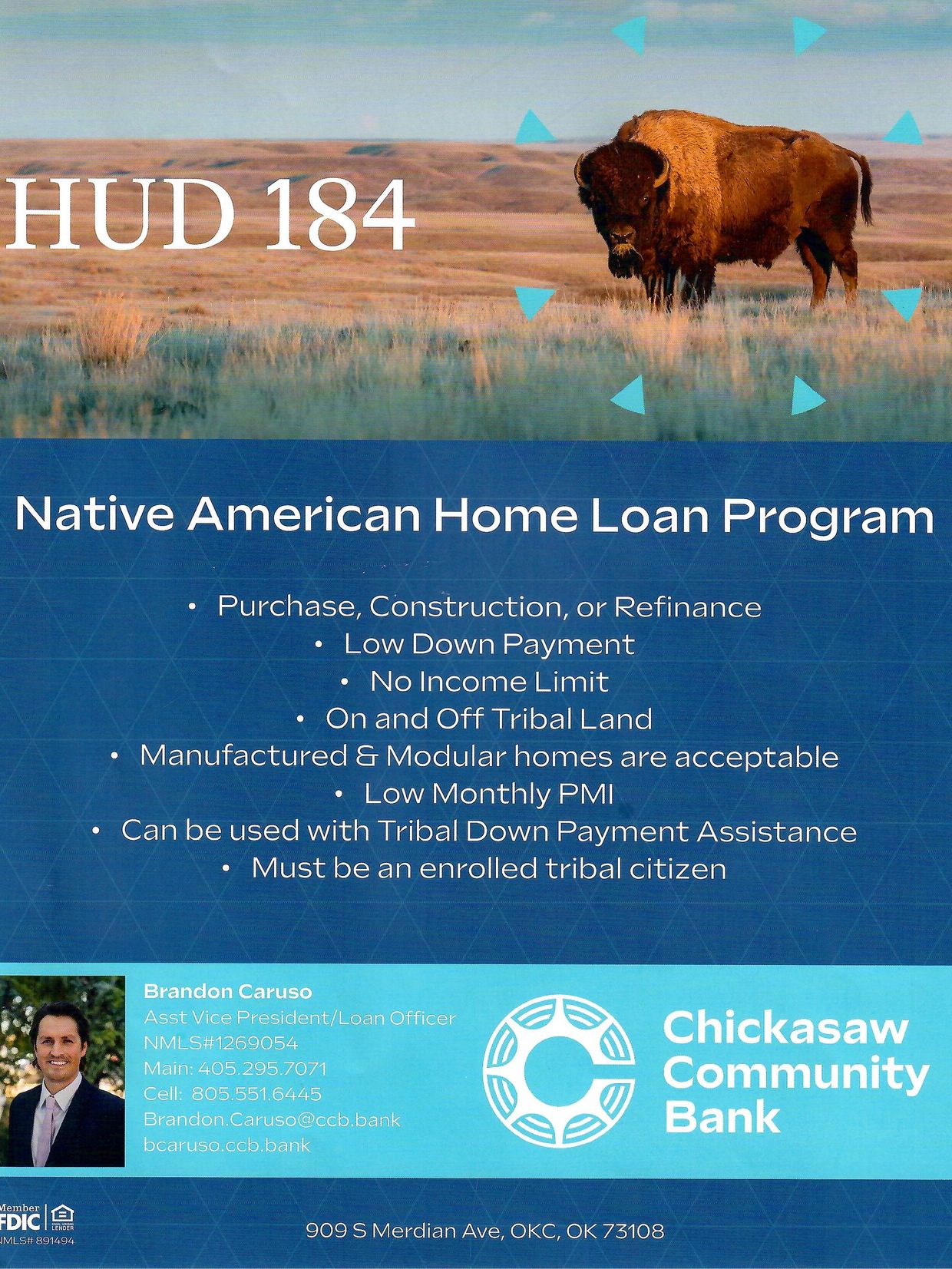
- HUD Section 184 Indian Home Loan Guarantee Program: This is one of the most significant programs, offering a mortgage product specifically designed for Native Americans, Alaska Natives, and Native Hawaiian individuals, tribes, and Tribally Designated Housing Entities (TDHEs). It guarantees loans made by private lenders, reducing risk and making homeownership more accessible.
- Native American Housing Assistance and Self-Determination Act (NAHASDA): This act revolutionized Native American housing by providing block grants directly to tribes or their TDHEs. Tribes then use these funds to develop and implement their own housing programs, which can include homeownership assistance, rental housing, and housing rehabilitation. Eligibility criteria are set by individual tribes within federal guidelines.
- Indian Community Development Block Grant (ICDBG): Administered by HUD, ICDBG provides grants to eligible Indian tribes and Alaska Native villages for a wide range of community development activities, including housing rehabilitation, new housing construction, and infrastructure projects.
- USDA Rural Development Housing Programs (e.g., Section 502 Direct and Guaranteed Loans, Section 504 Home Repair Grants/Loans): While not exclusively for Native Americans, these programs are crucial in rural areas, many of which encompass tribal lands. They offer affordable loans and grants for very low-income individuals to buy, build, or repair homes.

These programs, while varied in their structure and funding mechanisms, share a common goal: to improve housing conditions and increase homeownership rates within Native American communities.
The "Product" in Focus: Age Requirements
When we consider "age requirements" as a "product" feature, it’s important to analyze how these stipulations function within the broader framework of home grant programs. Unlike a typical consumer product, this "feature" is a regulatory element designed to ensure legal capacity, financial responsibility, and the appropriate targeting of resources.
General Minimum Age:

The most universal age requirement across almost all homeownership programs, federal or tribal, is a minimum age of 18 years old. This is not unique to Native American grants; it’s a standard legal benchmark in the United States. The reasoning behind this is straightforward:
- Legal Capacity: At 18, individuals are legally considered adults, capable of entering into binding contracts, such as mortgage agreements or grant terms.
- Financial Responsibility: It’s assumed that by 18, individuals can begin to demonstrate financial maturity, including earning an income, managing credit, and understanding the long-term commitment of homeownership.
Absence of a Maximum Age:
Crucially, most Native American home grant programs do not impose an upper age limit. This is a significant aspect, reflecting a commitment to ensuring housing access throughout an individual’s lifespan, particularly for elders who may face unique housing challenges. While there isn’t a specific maximum age, other criteria—like income, creditworthiness (for loans), and the ability to maintain the home—will naturally become more scrutinized for older applicants.
Age as an Interacting Factor:
Beyond the basic minimum, age often interacts with other eligibility criteria:
- Income: Younger applicants may have lower income histories, while older applicants might rely on fixed incomes or retirement benefits.
- Credit History: Younger individuals typically have shorter or no credit histories, whereas older individuals may have extensive histories (good or bad).
- Family Size and Needs: Age can influence family composition, impacting the type and size of home needed.
- Specific Tribal Priorities: Some tribal housing programs might prioritize certain age groups (e.g., young families, elders) based on specific community needs and cultural values.
Advantages (Pros) of Current Age Requirements
The current approach to age requirements, particularly the emphasis on a minimum age of 18 and the absence of an upper limit, offers several significant benefits:
-
Empowering Young Adults and Fostering Early Homeownership:
- Early Stability: Allowing individuals to apply for home grants at 18 provides an opportunity for early stability and independence. This can be particularly impactful in communities where young adults might otherwise face limited options and be compelled to leave for economic opportunities.
- Financial Literacy and Responsibility: Engaging with the homeownership process early can accelerate financial literacy, teaching young adults about credit, budgeting, and long-term financial planning.
- Community Retention: Providing pathways to homeownership for young adults can help stem "brain drain," encouraging younger generations to remain in their tribal communities and contribute to local development.
- Building Equity Sooner: Starting the journey of homeownership earlier allows for more time to build equity, which can be a vital component of intergenerational wealth transfer.
-
Protecting Elders and Promoting Aging in Place:
- Dignity and Security: The absence of an upper age limit ensures that Native American elders, who are often revered within their cultures, have access to secure and stable housing. This allows them to age in place, surrounded by family and community, which is crucial for cultural continuity and well-being.
- Addressing Unique Needs: Many elder-focused housing programs, often funded through NAHASDA or ICDBG, can specifically cater to the needs of older residents (e.g., single-story homes, accessibility modifications). The flexible age requirement ensures they are not excluded from general programs even if specific elder housing isn’t available.
- Cultural Preservation: Elders are often knowledge keepers and cultural leaders. Providing them with stable housing helps preserve their ability to pass on traditions, languages, and histories to younger generations.
-
Promoting Intergenerational Impact and Community Resilience:
- Breaking Cycles of Poverty: By enabling both young adults and elders to achieve homeownership, these programs contribute to breaking cycles of poverty and housing instability that have historically impacted Native American communities.
- Intergenerational Wealth Transfer: Homeownership is a primary mechanism for building and transferring wealth across generations. Allowing a broad age range to participate maximizes this potential.
- Community Cohesion: Stable housing for all age groups contributes to stronger, more cohesive communities, where families can live together or nearby, fostering support networks.
-
Flexibility and Inclusivity:
- The 18+ requirement is a broad, inclusive threshold that respects individual autonomy while establishing a legal minimum.
- The lack of an upper age limit demonstrates a commitment to lifetime housing security, acknowledging that housing needs can arise at any stage of life.
Disadvantages (Cons) and Challenges
While the age requirements offer significant benefits, their implementation also presents several challenges and potential disadvantages that applicants, tribes, and program administrators must navigate.
-
Complexity and Barriers for Young Adults (18-24):
- Limited Credit History: Many young adults, even if employed, have not had sufficient time to build a robust credit history, which is a critical factor for loan programs (like HUD 184) and even some grant applications that assess financial responsibility. This can create a "catch-22" situation.
- Income Instability: Young adults are more likely to be in entry-level jobs or pursuing education, leading to lower or less stable incomes, which can make meeting income-based eligibility criteria difficult.
- Lack of Financial Literacy: Despite being legally adults, many 18-year-olds lack comprehensive financial education, making the complex process of applying for grants, understanding mortgages, and maintaining a home daunting.
- High Debt-to-Income Ratio: Student loan debt or other early debts can disproportionately impact young applicants, making it harder to qualify.
-
Navigational Hurdles for Elders:
- Fixed Incomes: Many elders live on fixed incomes (e.g., Social Security, pensions) which, while stable, may be low. While programs account for low income, the ability to manage ongoing home maintenance costs can be a concern.
- Health and Mobility Challenges: The application process often requires extensive paperwork, travel to offices, and digital literacy, which can be challenging for elders with health issues or limited mobility.
- Digital Divide: A significant portion of older Native Americans may not have consistent access to the internet or the digital skills required to navigate online applications and communications.
- Vulnerability to Predatory Practices: Without proper guidance, some elders may be more vulnerable to scams or unfavorable terms if they don’t fully understand the intricacies of loans or grant agreements.
-
Programmatic Gaps and Inconsistencies:
- Varying Tribal Capacity: While NAHASDA allows tribes to set their own criteria, not all tribes have the administrative capacity or funding to develop robust, age-specific programs or provide extensive support services for different age groups.
- Lack of Specific Support: Federal programs, while broad, may not always offer enough specific support or tailored resources for the unique challenges faced by very young or very old applicants beyond the general eligibility.
- Bureaucratic Complexity: The sheer volume of paperwork and the bureaucratic nature of applying for federal grants can be overwhelming for applicants of any age, but particularly for vulnerable populations like youth and elders.
-
Implicit Barriers Despite Explicit Rules:
- Even without an upper age limit, the practical realities of long-term loan repayment or the physical demands of home maintenance can implicitly create barriers for very old applicants if robust support systems are not in place.
- For very young applicants, the spirit of "financial responsibility" might lead lenders or tribal housing authorities to scrutinize their applications more heavily, even if they technically meet the minimum age and income criteria.
"Buying Recommendation": Optimizing Engagement with Age Requirements
Given the advantages and disadvantages, the "recommendation" for this conceptual "product" (age requirements for grants) is not a simple buy/don’t buy. Instead, it’s a comprehensive strategy for optimizing engagement with these requirements to ensure equitable access and successful homeownership outcomes for all eligible Native Americans, regardless of age.
For Individuals (Young Adults & Elders):
- Proactive Financial Planning and Education:
- Young Adults: Start building credit early and responsibly. Seek financial literacy courses offered by tribal colleges, community centers, or online resources. Understand budgeting, savings, and the importance of a low debt-to-income ratio.
- Elders: Consult with financial advisors or tribal services to understand how fixed incomes and assets will be assessed. Plan for ongoing home maintenance costs.
- Seek Expert Guidance: Connect with tribal housing authorities, HUD 184 lenders specializing in Native American loans, USDA Rural Development offices, and local non-profits. These experts can clarify eligibility, assist with applications, and connect individuals with supportive services.
- Leverage Community Resources: Many tribes offer housing counseling, elder services, and youth programs. Utilize these to bridge gaps in financial literacy, digital access, or mobility. Family support can also be crucial for navigating complex processes.
- Persistence and Patience: The application process can be lengthy and demanding. Be prepared for multiple steps and potential delays.
For Tribal Leaders and Housing Authorities:
- Develop Age-Appropriate Programs and Support Services:
- Youth-Focused Initiatives: Implement programs that help young tribal members build credit, gain financial literacy, and provide mentorship through the homeownership process. Consider "sweat equity" options or down payment assistance specifically for young families.
- Elder-Specific Housing Solutions: Continue to develop and expand housing programs tailored for elders, including accessible housing, maintenance assistance, and culturally appropriate support services that allow them to age in place with dignity.
- Streamline Application Processes: Wherever possible, simplify application forms and provide hands-on assistance, especially for those with limited literacy, digital access, or mobility challenges.
- Advocate for Policy Enhancements: Work with federal agencies to advocate for policies that better address the unique challenges of very young and very old applicants. This could include flexible credit-scoring models for youth or increased funding for elder housing support.
- Educate and Outreach: Conduct targeted outreach campaigns to inform tribal members of all ages about available housing programs and the specific support systems in place.
For Policy Makers and Program Administrators:
- Enhance Financial Literacy Programs: Fund and support robust financial literacy programs specifically designed for Native American youth and young adults, integrating cultural context.
- Improve Accessibility: Ensure that application processes and supporting documentation are accessible to all, including those with limited digital skills or physical disabilities. Consider mobile outreach units or community-based assistance.
- Review and Adapt Criteria: Periodically review program eligibility criteria to ensure they remain relevant and do not inadvertently create barriers for specific age demographics within Native American communities. For instance, exploring alternative credit-scoring methods for young adults.
- Increase Funding for Support Services: Direct more resources towards counseling, application assistance, and post-purchase support services for all eligible applicants.
Conclusion
The age requirements for Native American home grants, primarily the 18-year minimum and the absence of an upper age limit, represent a carefully considered balance between legal necessity, individual empowerment, and community well-being. This "product feature" is designed to ensure broad access, allowing young adults to establish roots and elders to maintain dignity and stability within their communities.
However, the efficacy of these requirements is profoundly impacted by the practical challenges faced by different age groups. While the intentions are sound, the journey to homeownership can be complex for a young adult with limited credit history or an elder navigating fixed incomes and digital barriers.
Ultimately, the "recommendation" is not about changing the core age parameters but about strengthening the ecosystem around them. By fostering comprehensive financial education, providing robust support services, streamlining processes, and continually advocating for adaptive policies, we can ensure that these vital home grants truly serve their purpose: empowering Native Americans of all ages to achieve stable, secure, and culturally resonant homeownership. The goal is to maximize the inherent advantages of inclusive age requirements while proactively mitigating the challenges, thereby building stronger, more resilient Native American nations for generations to come.


