
Unlocking Homeownership: A Comprehensive Review of the HUD 184 Loan Guarantee Program for Tribal Housing
For generations, access to safe, affordable, and culturally appropriate housing has been a persistent challenge for Native American, Alaska Native, and Native Hawaiian communities. Historical injustices, complex land tenure systems, and economic disparities have contributed to a significant housing gap on and off tribal lands. In response to these unique circumstances, the U.S. Department of Housing and Urban Development (HUD) introduced the Section 184 Indian Home Loan Guarantee Program. Far from being just another government initiative, HUD 184 has emerged as a critical tool, often described as a game-changer, in fostering homeownership and economic development within tribal nations.
This comprehensive review will delve into the multifaceted advantages of the HUD 184 program, examining its design, impact, and the ways it addresses the specific needs of Native communities. We will also critically evaluate its potential disadvantages and offer actionable recommendations for prospective borrowers, lenders, and policymakers to maximize its profound benefits.
The Product: Understanding the HUD 184 Program
The HUD 184 program is a mortgage loan guarantee program designed to increase homeownership opportunities for Native American, Alaska Native, and Native Hawaiian families. It provides a 100% guarantee to approved lenders, protecting them from loss in the event of foreclosure. This federal backing significantly reduces the risk for financial institutions, encouraging them to lend in areas and to populations they might otherwise deem too risky, particularly on trust land where conventional financing is often impossible.

The program can be used for various housing needs, including purchasing an existing home, constructing a new home (including stick-built, modular, and manufactured homes on permanent foundations), rehabilitating an existing home, or refinancing a current mortgage. What sets it apart is its unique understanding and accommodation of the specific legal and cultural contexts of tribal land, making it an invaluable asset for tribal housing development.
Advantages of HUD 184 for Tribal Housing
The advantages of the HUD 184 program are numerous and profound, directly addressing many of the historical barriers to homeownership in Native communities.
1. Enhanced Accessibility and Affordability
Perhaps the most significant advantage of HUD 184 is its ability to make homeownership genuinely accessible and affordable.
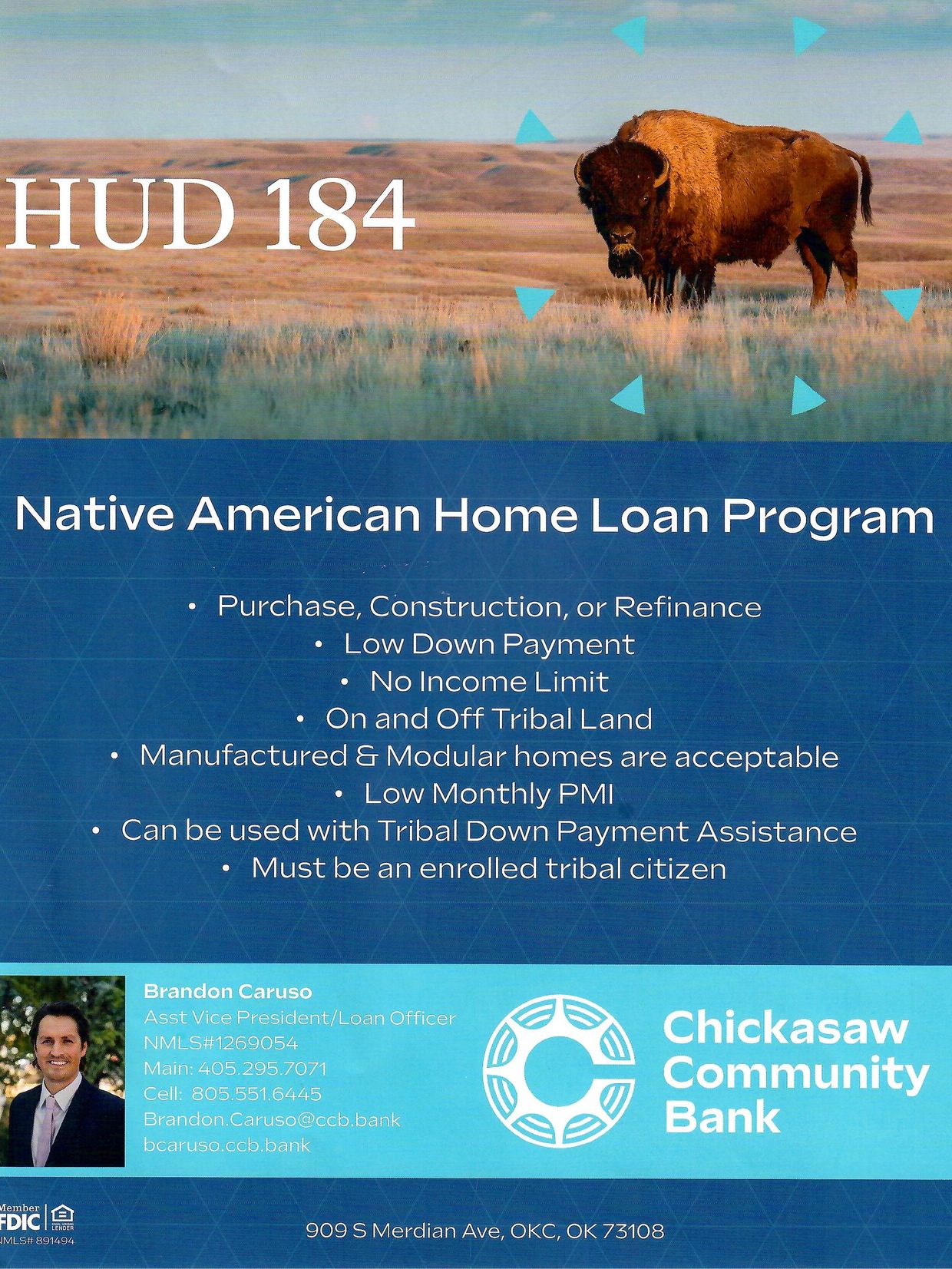
- Low Down Payment Requirements: The program boasts exceptionally low down payment requirements. Borrowers typically need only 2.25% down for loans over $50,000 and an even lower 1.25% for loans under $50,000. This significantly reduces the initial financial hurdle, which is often a major barrier for families with limited savings.
- No Monthly Mortgage Insurance Premium (MIP): Unlike FHA loans, which require an annual mortgage insurance premium, HUD 184 only charges a one-time, upfront guarantee fee of 1% of the loan amount (which can be financed into the loan). This translates to lower monthly payments and substantial long-term savings for homeowners, freeing up income for other necessities or wealth building.
- Flexible Underwriting Guidelines: HUD 184 recognizes the unique financial situations of Native borrowers. Its underwriting guidelines are more flexible than conventional loans, allowing lenders to consider non-traditional income sources (e.g., per capita payments, tribal stipends) and local economic factors. This nuanced approach ensures that a broader range of creditworthy individuals can qualify.
- Competitive Interest Rates: Because the loans are federally guaranteed, lenders can offer interest rates that are competitive with, and often lower than, conventional market rates. This ensures that the overall cost of borrowing remains manageable.
2. Versatility in Application
The program’s flexibility in how it can be used makes it adaptable to diverse housing needs across tribal communities.
- Purchase of Existing Homes: A straightforward path to homeownership for many.
- New Construction: Crucially, HUD 184 supports new construction, which is vital in communities where existing housing stock is limited or inadequate. This includes site-built homes, modular homes, and even single or multi-sectional manufactured homes, provided they are permanently affixed to the land.
- Rehabilitation and Renovation: For homes in disrepair, the program can finance necessary renovations, improving living conditions and extending the life of existing housing stock.
- Refinancing: Homeowners can use HUD 184 to refinance existing mortgages, potentially lowering interest rates, changing loan terms, or converting a construction loan to a permanent mortgage.
- One-Time Close Construction Loans: This feature allows borrowers to secure both the construction and permanent financing with a single closing, simplifying the process and reducing costs.
3. Addressing Unique Land Tenure Issues (On-Trust Land)
This is arguably where HUD 184 shines brightest and provides an indispensable service. Conventional lenders are often hesitant or unable to lend on trust land due to complex land ownership structures (e.g., allotments, tribal trust land) and the perceived difficulty in foreclosing on such property.
- Leasehold Mortgages: HUD 184 facilitates lending on trust land by working with tribal governments to establish a leasehold interest in the land. The tribal government, or a tribally designated housing entity (TDHE), leases the land to the individual homeowner for the term of the mortgage (e.g., 50 years). The HUD guarantee then provides the necessary security for lenders, making homeownership on trust land a reality.
- Tribal Government Involvement: The program inherently fosters collaboration with tribal governments. This partnership ensures that housing development aligns with tribal priorities and cultural values, promoting self-determination and local control over housing solutions.
- Reduced Risk for Lenders: The 100% federal guarantee directly mitigates the risks associated with lending on trust land, opening up a market that would otherwise remain largely underserved by traditional financial institutions.
4. Community and Economic Development Impact
Beyond individual homeownership, HUD 184 has a profound ripple effect on tribal communities.
- Wealth Building and Generational Equity: Homeownership is a primary driver of generational wealth. By enabling more Native families to own homes, HUD 184 helps build equity that can be passed down, creating a foundation for economic stability and future opportunities.
- Stimulating Local Economies: New construction and home rehabilitation projects create jobs for local contractors, tradespeople, and suppliers. This directly injects capital into tribal economies, fostering growth and entrepreneurship.
- Increased Tax Base (for some): While not applicable to all trust land, increased homeownership in certain contexts can contribute to local property tax bases, further supporting community services.
- Strengthening Tribal Sovereignty: By facilitating housing development tailored to their needs, HUD 184 empowers tribal nations to exercise greater control over their land and future, reinforcing their sovereignty.
- Improved Quality of Life: Safe, stable housing is fundamental to health, education, and overall well-being. The program contributes to better living conditions, reduced overcrowding, and improved public health outcomes.
5. Federal Backing and Stability
The program’s federal backing provides a layer of stability and reliability that is crucial for long-term planning and investment in tribal housing. It signals a sustained commitment from the U.S. government to address housing disparities in Indian Country. This consistent support allows tribal governments, TDHEs, and lenders to invest in infrastructure and capacity building with greater confidence.
Disadvantages of HUD 184
While the advantages are substantial, it’s important to acknowledge some limitations and challenges associated with the HUD 184 program.
1. Limited Lender Participation and Awareness
Despite its benefits, not all mortgage lenders are approved or familiar with the HUD 184 program. Many conventional lenders lack the training, understanding, or willingness to navigate the specific requirements, especially concerning trust land. This limited participation can make it challenging for borrowers to find an experienced lender, particularly in rural or remote tribal areas, leading to frustration and delays. Furthermore, a general lack of awareness about the program among eligible borrowers themselves is a significant hurdle.
2. Bureaucracy and Processing Time
As a government-backed program, HUD 184 can sometimes involve more paperwork and a longer processing time compared to conventional loans. The need for tribal government approvals for leasehold agreements, environmental reviews, and specific property requirements (especially on trust land) can add layers of complexity and extend the timeline from application to closing. While necessary for compliance and protection, this can be a deterrent for some.
3. Appraisal Challenges
Appraising properties on trust land can be particularly challenging. The scarcity of comparable sales (comps) in many tribal communities, coupled with the unique nature of leasehold interests, can make it difficult for appraisers to accurately determine market value. This can lead to lower-than-expected appraisals, impacting loan amounts, or delays as additional market analysis is required.
4. Guarantee Fee
While significantly lower than FHA’s annual MIP, the 1% upfront guarantee fee, even when financed, represents an additional cost to the borrower. For families with extremely tight budgets, any additional cost can be a barrier.
5. Loan Limits
HUD 184 loans are subject to FHA loan limits, which vary by county. In some high-cost-of-living areas, these limits might not be sufficient to purchase or construct a home that meets the needs of larger families or is suitable for the local market, potentially restricting options for some borrowers.
Recommendations for Purchase and Improvement
To maximize the benefits of the HUD 184 program and mitigate its disadvantages, several recommendations can be made for various stakeholders.
For Potential Borrowers:
- Educate Yourself: Thoroughly understand the program’s requirements, benefits, and the process. HUD’s Office of Native American Programs (ONAP) website is an excellent resource.
- Seek Experienced Lenders: Prioritize finding lenders who have a proven track record with HUD 184 loans, especially those experienced with trust land transactions. Ask for references and testimonials.
- Engage with Tribal Housing Authorities: Connect with your tribal housing department or TDHE early in the process. They can provide invaluable guidance, assist with land leases, and offer additional resources or down payment assistance programs.
- Prepare Documentation: Gather all necessary financial documents, income statements (including tribal distributions), and personal identification well in advance to streamline the application process.
- Be Patient and Proactive: Understand that the process may take longer than conventional loans. Stay in regular communication with your lender and tribal housing office, and be proactive in providing any requested information.
For Lenders:
- Expand Participation and Training: More lenders need to become HUD 184 approved and invest in comprehensive training for their loan officers and support staff to understand the unique aspects of lending in Indian Country, particularly on trust land.
- Build Tribal Partnerships: Develop strong working relationships with tribal governments and housing entities. Collaboration can significantly smooth the process and build trust within the community.
- Community Outreach: Actively engage in outreach and educational efforts within Native communities to raise awareness about the program and its benefits.
- Streamline Internal Processes: Work to optimize internal processes for HUD 184 loans to reduce turnaround times where possible, without compromising due diligence.
For HUD and Policymakers:
- Increase Awareness Campaigns: Invest in more robust national and local awareness campaigns to ensure eligible individuals and communities are fully informed about the program.
- Streamline and Simplify: Continuously review and, where possible, simplify the program’s administrative requirements and processes to reduce bureaucracy without sacrificing necessary protections.
- Address Appraisal Challenges: Work with the appraisal industry to develop specialized training and methodologies for appraising properties on trust land, including innovative approaches to "comparable sales" analysis in unique markets.
- Consider Loan Limit Adjustments: Periodically review and adjust loan limits, particularly in areas with higher construction costs or property values, to ensure the program remains effective and responsive to market realities.
- Support Capacity Building: Continue to support tribal governments and TDHEs in building their capacity to manage housing programs, secure land leases, and assist their members through the homeownership process.
Conclusion
The HUD 184 Indian Home Loan Guarantee Program stands as a testament to what can be achieved when federal policy is specifically tailored to address the historical and systemic inequities faced by Native American, Alaska Native, and Native Hawaiian communities. It is far more than just a mortgage product; it is a vital mechanism for fostering economic self-sufficiency, preserving cultural heritage through land tenure, and building stronger, healthier tribal nations.
While challenges related to lender participation, processing times, and appraisal complexities persist, the profound advantages in accessibility, affordability, versatility, and its unique ability to navigate trust land issues firmly establish HUD 184 as an indispensable tool. By embracing its potential and actively working to overcome its limitations, stakeholders can ensure that the promise of homeownership becomes a reality for an ever-increasing number of Native families, laying a foundation for lasting prosperity and self-determination for generations to come. For tribal housing, HUD 184 is not just a recommendation; it is an essential pathway forward.


