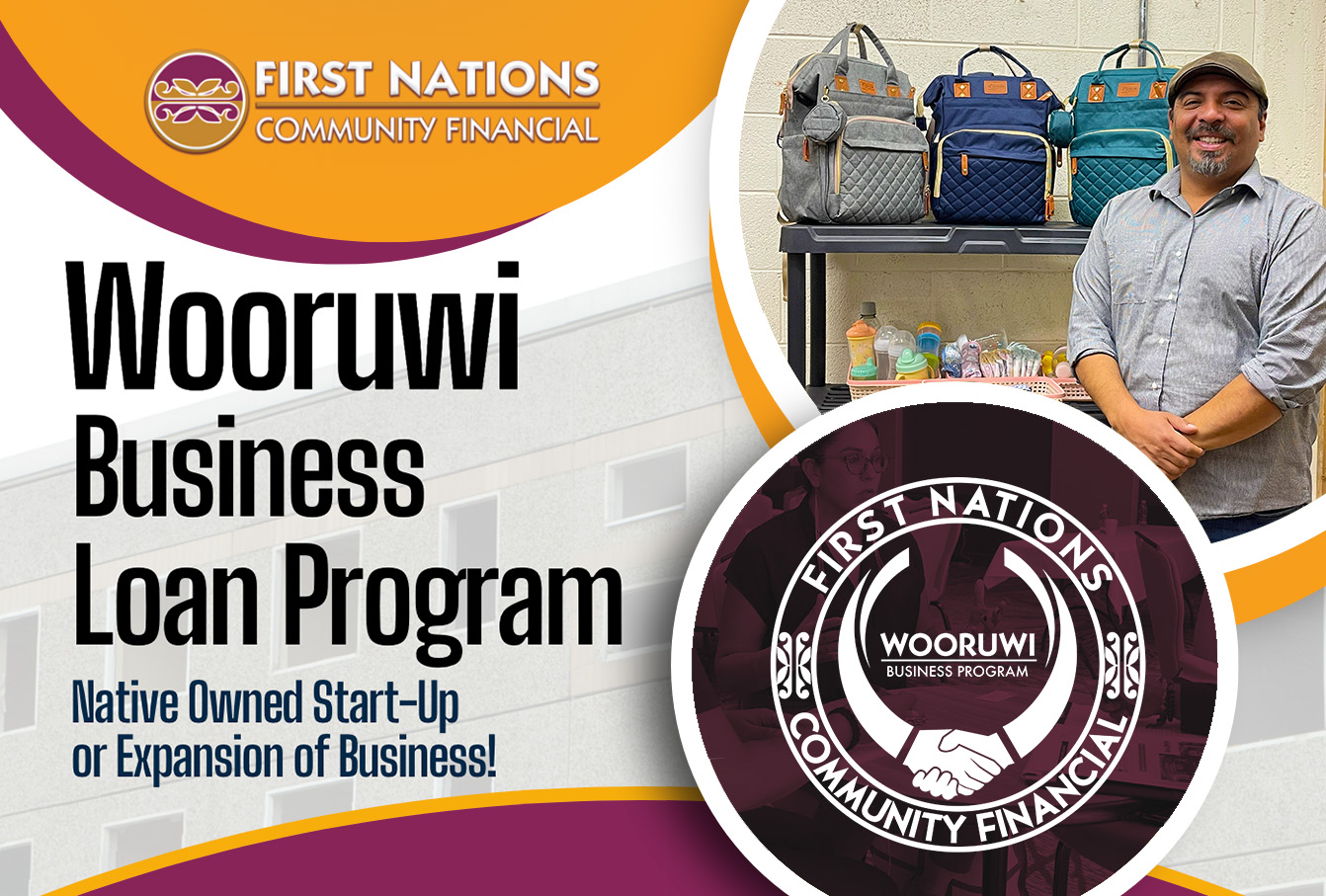
This guide provides a comprehensive, step-by-step tutorial on navigating Native American micro loans for small businesses. It is designed for entrepreneurs within Native American communities or those looking to establish businesses that benefit these communities, offering insights into securing the necessary capital to launch or expand their ventures.
A Comprehensive Guide to Native American Micro Loans for Small Businesses
Introduction: Empowering Native American Entrepreneurship
Native American communities possess a rich heritage of entrepreneurship, innovation, and self-sufficiency. However, historical and systemic barriers have often limited access to traditional financial services for Indigenous entrepreneurs. Micro loans emerge as a powerful tool to bridge this gap, offering small amounts of capital, often accompanied by technical assistance and mentorship, specifically tailored to the unique needs and contexts of Native American small businesses.
This guide serves as a professional tutorial, outlining the steps, considerations, and resources available to Native American entrepreneurs seeking micro loans. Our aim is to demystify the process, empowering you to secure funding and contribute to the economic vitality of your community.
Understanding Native American Micro Loans
Micro loans are small, short-term loans, typically ranging from a few hundred to $50,000, designed to support small businesses and startups that may not qualify for conventional bank loans. For Native American entrepreneurs, these loans are often provided by specialized institutions – primarily Native Community Development Financial Institutions (CDFIs), tribal loan programs, and non-profit organizations – that understand the unique cultural, economic, and geographic challenges faced by Indigenous communities.
Key Characteristics:
- Smaller Loan Amounts: Ideal for startups, working capital, or purchasing small equipment.
- Flexible Eligibility: Often consider factors beyond traditional credit scores, such as character, community impact, and a strong business plan.
- Integrated Support: Frequently bundled with business counseling, financial literacy training, and technical assistance.
- Community-Focused: Prioritize businesses that create jobs, provide essential services, or preserve cultural traditions within Native communities.
Benefits of Native American Micro Loans
Beyond just providing capital, these specialized micro loans offer several distinct advantages:
- Access to Capital: Overcomes barriers to traditional financing, especially for those with limited credit history or collateral.
- Tailored Support: Lenders often have a deep understanding of tribal economies and cultural contexts, offering more relevant advice and resources.
- Economic Development: Fuels local economies by supporting job creation, business growth, and wealth building within Native communities.
- Financial Literacy & Mentorship: Many programs include education on business management, marketing, financial planning, and networking opportunities.
- Community Impact: Prioritizes businesses that align with tribal values and contribute directly to the well-being and self-determination of Native Nations.
The Step-by-Step Guide to Securing a Native American Micro Loan
Step 1: Assess Your Business Readiness & Needs
Before approaching any lender, a thorough self-assessment is crucial.
- Define Your Business Idea: Is it viable? Who is your target market? What problem does it solve?
- Develop a Clear Vision: What are your short-term and long-term goals for the business?
- Determine Your Financial Needs: How much money do you genuinely need? Create a detailed breakdown of how the funds will be used (e.g., inventory, equipment, marketing, working capital). Avoid over- or under-estimating.
- Evaluate Your Personal Readiness: Are you committed? Do you have the time, skills, and resilience required to run a business?
Step 2: Research & Identify Potential Lenders
Not all micro lenders are created equal. Focus your search on institutions specifically serving Native American entrepreneurs.
- Native CDFIs (Community Development Financial Institutions): These are mission-driven financial institutions that provide financial products and services in economically underserved markets. They are often the best starting point due to their expertise and focus on Native communities. Examples include Oweesta Corporation, Native American Bank, and various local tribal CDFIs.
- Tribal Loan Programs: Many tribal governments or economic development corporations offer their own loan programs for tribal members. Inquire with your specific tribe’s economic development office.
- Non-Profit Organizations: Some national or regional non-profits have programs or partnerships aimed at supporting Native American small businesses.
- SBA Microloan Program: The U.S. Small Business Administration (SBA) partners with intermediary lenders (often CDFIs and non-profits) to provide micro loans. While not exclusively Native American focused, many of their intermediaries serve these communities.
- Online Search & Networking: Use keywords like "Native American business loans," "tribal microfinance," " economic development." Attend local business workshops or tribal economic conferences to network and find resources.
Action: Create a list of 2-3 potential lenders and research their specific offerings and target demographics.
Step 3: Understand Eligibility Requirements
Each lender will have specific criteria. It’s vital to understand these early to avoid wasting time.
- Tribal Affiliation/Location: Many Native-focused lenders require the applicant to be a tribal member or operate a business on or near tribal lands.
- Business Type: Some lenders focus on specific industries (e.g., agriculture, arts, tourism).
- Credit History: While micro lenders are more flexible than traditional banks, they will still review your credit. Be prepared to explain any past issues.
- Business Stage: Whether you are a startup or an existing business can affect loan options.
- Business Plan: A well-articulated plan is almost always a prerequisite.
- Collateral: Some micro loans are unsecured, while others may require personal guarantees or specific assets as collateral, especially for larger amounts.
Action: Contact your chosen lenders directly and ask for their detailed eligibility criteria.
Step 4: Prepare Your Business Plan
A robust business plan is the cornerstone of any loan application. It demonstrates your understanding of your business and your commitment to its success.
- Executive Summary: A concise overview of your business, its mission, products/services, and financial highlights.
- Company Description: Details about your business structure, vision, and values.
- Market Analysis: Research on your target market, industry trends, competition, and your unique selling proposition.
- Organization & Management: Information on your team, their roles, and legal structure.
- Service or Product Line: Detailed description of what you offer and its benefits.
- Marketing & Sales Strategy: How you will attract and retain customers.
- Funding Request: A clear explanation of how much you need and how it will be used, supported by financial projections.
- Financial Projections: Realistic forecasts for sales, expenses, profit and loss, and cash flow for at least 1-3 years.
Tip: Many Native CDFIs offer free or low-cost business plan development assistance. Utilize these resources!
Step 5: Gather Necessary Documentation
A complete application package is crucial for a smooth review process.
- Personal Identification: Government-issued ID (driver’s license, state ID).
- Tribal Enrollment Documentation: Proof of tribal membership.
- Personal Financial Information:
- Personal tax returns (last 1-3 years).
- Personal bank statements (last 3-6 months).
- Credit report (you may be asked to obtain this, or the lender may pull it).
- Proof of other income/assets.
- Business Financial Information (if existing business):
- Business tax returns (last 1-3 years).
- Business bank statements (last 3-6 months).
- Profit & Loss statements and Balance Sheets.
- Accounts Receivable/Payable aging reports.
- Business Legal Documents:
- Business registration/licenses (e.g., LLC formation, tribal business license).
- Employer Identification Number (EIN) from the IRS.
- Lease agreements (if applicable).
- Permits relevant to your industry.
- Collateral Documentation (if required): Titles for vehicles, property deeds, equipment lists, etc.
Action: Create a checklist and meticulously gather all required documents. Ensure they are organized and easy to present.
Step 6: Complete the Application
Carefully fill out the lender’s specific application form.
- Be Honest and Thorough: Provide accurate information. Any discrepancies can lead to delays or denial.
- Answer All Questions: Do not leave blanks. If a question isn’t applicable, write "N/A."
- Review and Proofread: Check for any typos, grammatical errors, or missing information. A polished application reflects professionalism.
- Seek Assistance: If you encounter any questions or sections you don’t understand, reach out to the lender’s staff for clarification. They are often there to help guide you through the process.
Step 7: The Review and Approval Process
Once your application is submitted, the lender will begin their review.
- Initial Screening: The lender will check for completeness and basic eligibility.
- Interview: You may be invited for an interview to discuss your business plan, your experience, and your financial needs in more detail. This is an opportunity to build rapport and demonstrate your passion.
- Underwriting: The lender will assess your creditworthiness, the viability of your business plan, and your capacity to repay the loan. Unlike traditional banks, Native CDFIs often consider "character-based lending," valuing your commitment and community impact.
- Decision: You will receive a decision, which could be an approval, a request for more information, or a denial (often with feedback on how to improve for future applications).
Tip: Be responsive to any requests for additional information or clarification during this stage. Prompt responses show professionalism and commitment.
Step 8: Loan Disbursement & Ongoing Support
Upon approval, the loan funds will be disbursed according to the agreed-upon terms.
- Disbursement: Funds may be released in a lump sum or in installments, depending on the loan agreement and the intended use of funds.
- Technical Assistance & Mentorship: This is a critical component of many Native micro loan programs. Lenders often provide ongoing support, including:
- Business coaching.
- Marketing strategy development.
- Financial management advice.
- Networking opportunities.
- Access to further training and resources.
- Utilize Resources: Actively engage with the support services offered. They are designed to increase your chances of success.
Step 9: Repayment & Building Credit
Successfully managing your micro loan is crucial for your business’s future and your access to further financing.
- Timely Payments: Make all payments on time and in full. This builds a positive credit history for both you and your business.
- Communication: If you anticipate any difficulty in making a payment, communicate immediately with your lender. They may be able to work with you on a modified payment plan.
- Building Credit: A strong repayment history with a micro lender can help you establish or improve your business and personal credit scores, opening doors to larger loans in the future.
- Maintain Relationship: Continue to foster a positive relationship with your lender. They can be a valuable partner as your business grows.
Key Considerations & Challenges
- Credit History: While more flexible, a poor credit history can still be a hurdle. Be prepared to address and explain any past financial difficulties.
- Collateral: Although micro loans often have less stringent collateral requirements, some larger micro loans might still require assets or personal guarantees.
- Remote Locations: Entrepreneurs in remote tribal areas might face challenges with internet access, transportation, or access to business support services. Lenders are often aware of these issues and may offer remote assistance.
- Regulatory Environment: Understand the specific business regulations and taxation within your tribal jurisdiction, as well as state and federal requirements.
- Business Plan Strength: A weak or unrealistic business plan is a common reason for loan denial. Invest time and effort into creating a compelling plan.
Conclusion: Investing in the Future
Native American micro loans are more than just financial transactions; they are investments in the entrepreneurial spirit, cultural preservation, and economic self-determination of Indigenous communities. By following this comprehensive guide, you can navigate the application process effectively, secure the capital your small business needs, and leverage the invaluable support systems offered by Native-focused lenders.
The journey of entrepreneurship is challenging but immensely rewarding. With diligent preparation, a clear vision, and the right partners, you can transform your business idea into a thriving enterprise that benefits not only yourself but also your family, your community, and the broader Native American economy. Take the first step today – your community is waiting for your innovation.


