
Sovereign Nation Direct Lenders: A Deep Dive into High-Stakes Borrowing
In the intricate tapestry of modern finance, where traditional banks often cast a wide net of eligibility requirements, a distinct segment of lenders has emerged to cater to those who find themselves on the fringes. Among these, "Sovereign Nation Direct Lenders," often associated with Native American tribal entities, occupy a unique and often controversial space. These lenders promise rapid access to funds, often with less stringent credit checks, but operate under a distinct legal framework that demands a thorough understanding from potential borrowers.
This comprehensive review will delve into the operational model of Sovereign Nation Direct Lenders, dissecting their advantages and disadvantages, and ultimately providing a nuanced recommendation for individuals considering their services. With an aim to equip borrowers with the knowledge needed to make informed decisions, we will explore the promises and perils associated with this particular corner of the lending market.
Understanding the Landscape: What are Sovereign Nation Direct Lenders?
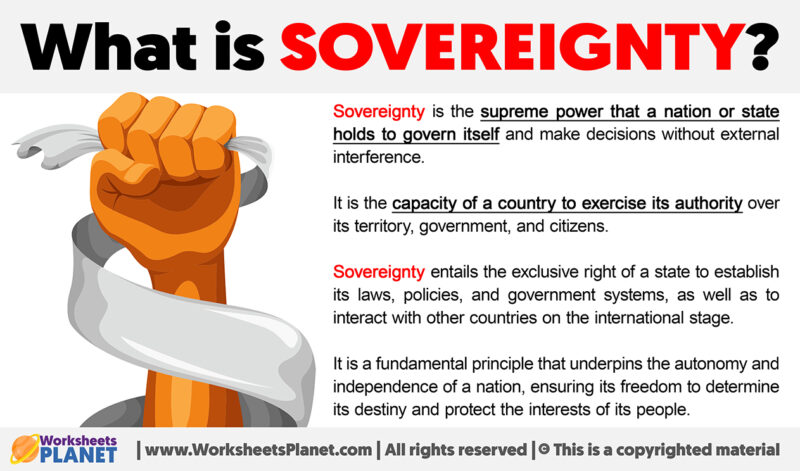
At its core, a Sovereign Nation Direct Lender is a lending institution owned and operated by a Native American tribal government or by an entity chartered by a tribal government. The critical differentiator here is the concept of "tribal sovereignty." Under U.S. law, federally recognized Native American tribes are considered sovereign nations, possessing a degree of governmental authority over their own territories and affairs, largely independent of state and sometimes even federal regulation.

This sovereignty extends to their economic ventures, including lending operations. While mainstream lenders are typically bound by state-specific usury laws (capping interest rates) and federal regulations like the Truth in Lending Act (TILA), tribal lenders often argue that their operations on tribal land are subject only to tribal law, not state law. This allows them to offer loans with annual percentage rates (APRs) that would be illegal in many states, effectively operating outside some of the consumer protections afforded by state jurisdictions.
These lenders typically offer short-term, high-interest loans, often structured as installment loans or what are effectively payday loans, designed to be repaid over a few weeks or months. The application process is almost exclusively online, promising quick approvals and even quicker disbursements of funds, appealing to individuals in urgent need of cash who may have poor credit scores or limited access to traditional credit.
The Application Process: Speed and Accessibility
One of the primary draws of Sovereign Nation Direct Lenders is the perceived ease and speed of their application process. Typically, prospective borrowers can complete an online application in a matter of minutes, providing basic personal information, income details, and bank account information for direct deposit.
Unlike traditional banks or credit unions, which often conduct extensive credit checks through major bureaus (Experian, Equifax, TransUnion), many tribal lenders utilize alternative credit scoring models or focus more heavily on a borrower’s income and ability to repay. This makes them accessible to individuals with low credit scores, past bankruptcies, or those who have been turned down by mainstream financial institutions. Decisions are often made almost instantly, and funds can be deposited into a borrower’s account within one business day, sometimes even on the same day. This expedited process is a significant factor for those facing immediate financial emergencies.
Advantages of Sovereign Nation Direct Lenders
For a specific segment of the population, Sovereign Nation Direct Lenders offer several compelling benefits:
-
Accessibility for Bad Credit Borrowers: This is arguably the most significant advantage. For individuals with less-than-perfect credit histories, tribal lenders often represent one of the few viable options for obtaining emergency funds. Their less stringent credit requirements open doors that traditional lenders keep shut.
-
Speed and Convenience: The online application, rapid approval process, and swift fund disbursement are unparalleled. When facing an unexpected car repair, medical bill, or utility cutoff, the ability to secure funds within 24 hours can be a lifesaver.
-
Direct Lender Relationship: As "direct lenders," they cut out the middleman (brokers), which can sometimes lead to clearer communication and potentially fewer hidden fees associated with third-party services. Borrowers deal directly with the entity providing the loan.
-
No Collateral Required: Most tribal loans are unsecured, meaning borrowers do not need to put up assets like a car or house as collateral, reducing the immediate risk of asset forfeiture if repayment becomes difficult (though other severe consequences still apply).
-
Alternative to Payday Loans (with a caveat): While often similar in nature, some tribal installment loans can offer slightly longer repayment terms than traditional single-payment payday loans, potentially making repayment feel more manageable for some, albeit still at very high interest rates.
-
Support for Tribal Economies: While not a direct benefit to the borrower, the profits generated by these lending operations often contribute directly to tribal governments, funding essential services, infrastructure, education, and healthcare for tribal communities. This provides a socio-economic context to their existence.
Disadvantages of Sovereign Nation Direct Lenders
Despite their accessibility, the drawbacks of Sovereign Nation Direct Lenders are substantial and demand extreme caution from any potential borrower:
-
Exorbitantly High Interest Rates (APRs): This is by far the biggest and most critical disadvantage. Due to their exemption from state usury laws, tribal lenders often charge APRs that can range from 300% to well over 1000%. For context, a typical credit card APR is around 15-30%. These rates can quickly balloon a seemingly small loan into an unmanageable debt.
-
Risk of Debt Traps: The high-interest rates, coupled with the target demographic (often financially vulnerable individuals), create a significant risk of borrowers falling into a "debt trap." Many struggle to repay the principal and interest on time, leading to rollovers, extensions, or new loans to cover old ones, perpetuating a cycle of debt that can be incredibly difficult to escape.
-
Regulatory Ambiguity and Limited Legal Recourse: The sovereign immunity claimed by tribal lenders means that borrowers may have severely limited legal options if a dispute arises. Challenging terms, fees, or collection practices in state or federal courts can be incredibly difficult, as tribal lenders often assert that they are only subject to tribal law. This can leave consumers feeling unprotected and without avenues for redress.
-
Lack of Transparency (Potentially): While reputable lenders strive for transparency, the complex legal framework can sometimes make it difficult for borrowers to fully understand the terms and conditions, especially regarding interest accrual, fees, and repayment schedules. It’s crucial to read every line of the loan agreement.
-
Aggressive Collection Practices (Possible): In the event of default, some tribal lenders may resort to aggressive collection tactics, including repeated phone calls, emails, and threats of legal action (though the enforceability of such actions in external courts can be debatable due to sovereignty issues).
-
Impact on Credit Score (Limited or Negative): While some tribal lenders may not report positive payment history to major credit bureaus, a default can be reported, negatively impacting a borrower’s credit score. Even if not directly reported, a default could lead to collections and potentially legal action within the tribal court system, which could still have financial repercussions.
-
Ethical Concerns: Many consumer advocacy groups argue that tribal lending exploits financially vulnerable individuals by offering loans at predatory rates, effectively sidestepping regulations designed to protect consumers.
Who Should Consider Sovereign Nation Direct Lenders?
Given the stark contrast between their advantages and disadvantages, Sovereign Nation Direct Lenders are suitable for a very narrow demographic and under specific, dire circumstances:
- Individuals Facing a Genuine, Immediate Financial Emergency: This means an unexpected, unavoidable expense that must be paid immediately (e.g., critical medical bill, essential car repair preventing work, utility shut-off).
- Those with Absolutely No Other Options: This implies being turned down by traditional banks, credit unions, family/friends, and exhausting all other alternatives.
- Borrowers with a Guaranteed Repayment Plan: Crucially, you must have a clear, concrete plan to repay the entire loan amount, including the high interest, on the very next due date without fail. This often means anticipating a significant incoming payment (e.g., a bonus, tax refund, or settlement) that will fully cover the debt.
- Individuals Who Fully Understand and Accept the Risks: This includes a complete comprehension of the sky-high APR, the potential for a debt trap, and the limited legal recourse.
Who Should Strictly Avoid Sovereign Nation Direct Lenders?
Conversely, a much larger group of individuals should actively steer clear of these lending options:
- Anyone with Access to Traditional Credit: If you can qualify for a personal loan from a bank or credit union, a credit card cash advance (which, while expensive, is usually far cheaper than a tribal loan), or even a payday alternative loan (PAL) from a credit union, these options are almost always preferable.
- Individuals Struggling with Existing Debt: Taking on a high-interest tribal loan will only exacerbate existing financial problems and push you deeper into a cycle of debt.
- Borrowers Who Don’t Fully Understand the Terms: If the APR, fees, and repayment schedule are not crystal clear, do not proceed.
- Those Seeking Long-Term Financial Solutions: Tribal loans are not a solution for ongoing financial instability or large, long-term expenses. They are designed for short-term, emergency use only.
- Individuals Prone to Impulse Borrowing or Without a Strict Budget: The ease of access can be a double-edged sword for those who lack strong financial discipline.
- Anyone Uncomfortable with Limited Consumer Protections: If the idea of restricted legal recourse makes you uneasy, these lenders are not for you.
Alternatives to Consider
Before turning to a Sovereign Nation Direct Lender, always explore these alternatives:
- Traditional Banks & Credit Unions: Personal loans, lines of credit, or even credit cards (if used responsibly) offer significantly lower interest rates. Credit unions often have community-focused lending programs and payday alternative loans (PALs) with much fairer terms.
- Borrow from Family or Friends: While sometimes uncomfortable, this can be the cheapest and most flexible option.
- Community Assistance Programs: Many non-profits, charities, and government agencies offer financial assistance for utilities, rent, food, and other emergencies.
- Employer Advances: Some employers offer payroll advances for employees in good standing.
- Side Hustles: A temporary gig or selling unused items can generate quick cash without incurring debt.
- Secured Loans: If you have collateral (e.g., a car title loan, pawn shop loan), these can sometimes offer lower APRs than unsecured tribal loans, though they carry the risk of losing your asset.
Purchase Recommendation: Proceed with Extreme Caution
Our recommendation for Sovereign Nation Direct Lenders is highly nuanced and comes with a severe warning: use only as a last, absolute resort for genuine, unavoidable emergencies, and only if you have a guaranteed plan for immediate repayment.
They are not a sustainable financial solution, and the risks far outweigh the benefits for the vast majority of borrowers. The astronomical interest rates and the limited consumer protections inherent in their operational model make them a perilous choice.
Before even considering an application:
- Exhaust All Other Options: Seriously and thoroughly explore every single alternative listed above.
- Calculate the True Cost: Use an online loan calculator to understand exactly how much a loan will cost you in total, factoring in the APR and any fees. Do not be swayed by seemingly small bi-weekly payments.
- Read Every Line of the Loan Agreement: Understand the repayment schedule, the total amount due, late fees, and what happens in case of default. Pay particular attention to clauses regarding jurisdiction and arbitration.
- Have a Concrete Repayment Plan: Do not borrow unless you are absolutely certain you can repay the entire amount on time. Missing a payment can quickly spiral into a catastrophic debt cycle.
- Be Aware of Tribal Sovereignty: Understand that your legal recourse may be severely limited if a dispute arises.
In conclusion, Sovereign Nation Direct Lenders exist to fill a critical gap for financially underserved individuals, offering rapid access to funds when traditional avenues are closed. However, this accessibility comes at an extraordinary cost. While they may offer a lifeline in truly desperate situations, they are not a solution to chronic financial challenges and should be approached with the utmost caution, a clear understanding of the risks, and a solid plan for prompt repayment. For most, the high cost and potential for long-term debt make them a financial minefield best avoided.


