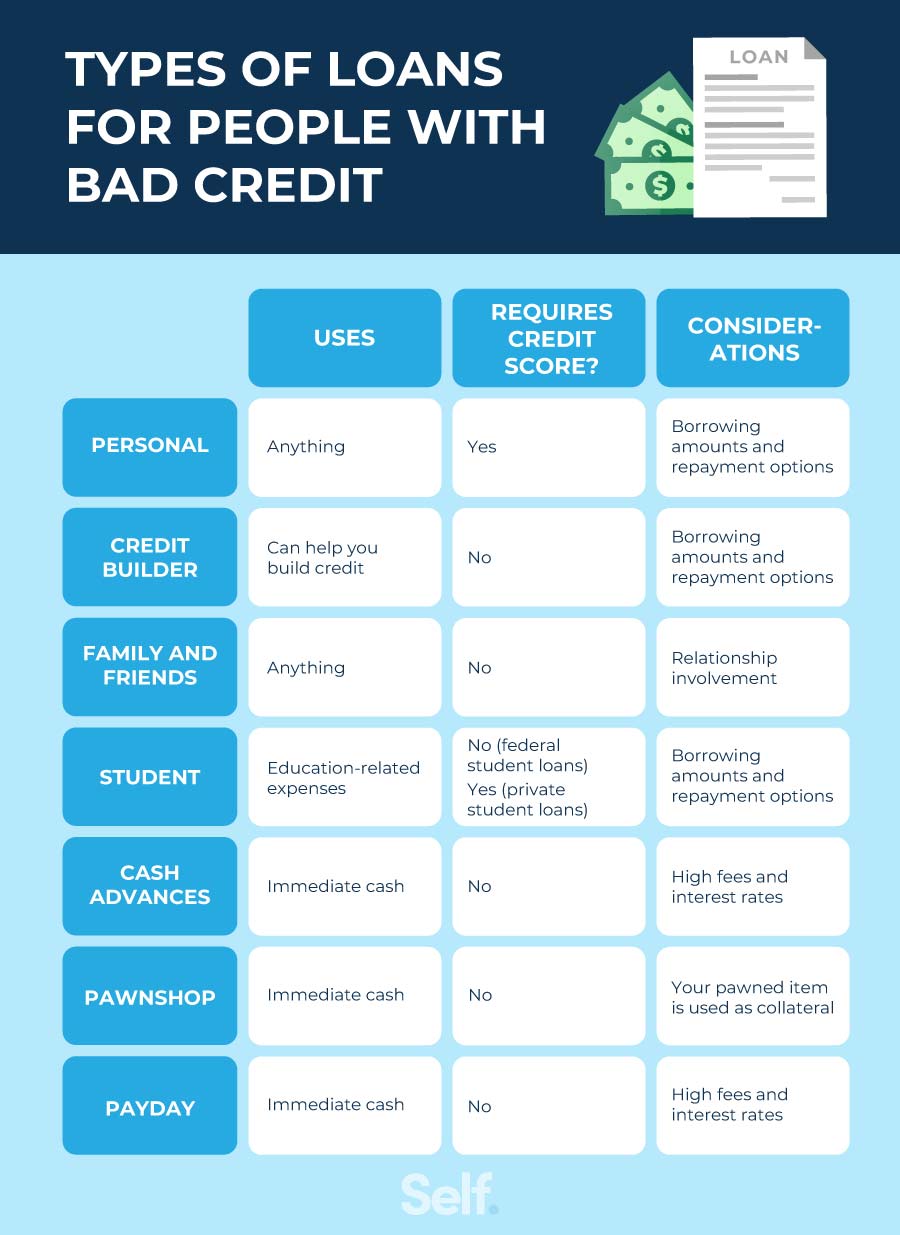
Navigating financial challenges when you have bad credit can feel like traversing a minefield, with limited options and high-stakes decisions. Among the various lending avenues, "Native American Tribal Loans" often emerge as a seemingly accessible, albeit controversial, option. This comprehensive guide aims to demystify these loans, particularly focusing on their interest rates for borrowers with bad credit, offering a professional tutorial on understanding the landscape, identifying risks, and exploring safer alternatives.
Navigating Native American Tribal Loans: Interest Rates for Bad Credit Borrowers
Introduction: The Allure and Peril of Quick Cash
For individuals with less-than-perfect credit, traditional lending institutions like banks and credit unions often deny loan applications or offer unfavorable terms. This financial exclusion pushes many towards alternative lenders, including those operating under the banner of "Native American Tribal Loans." While these loans promise quick access to funds, especially for those with bad credit, they come with a unique and often perilous set of conditions, primarily concerning their interest rates and legal framework. This guide will provide a step-by-step understanding of these loans, their associated risks, and crucial considerations before engaging with them.

Understanding "Native American Tribal Loans": A Crucial Clarification
Before delving into interest rates, it’s vital to clarify what "Native American Tribal Loan" truly means. The term is often a misnomer, leading to widespread confusion.
- Not Loans from Tribes to Members: These are generally not loans offered by Native American tribal governments to their own members for community development or personal aid.
- Loans from Companies Operating on Tribal Land: Instead, these loans are typically offered by companies that establish their operations on sovereign Native American tribal land. These companies may or may not be owned or operated by Native Americans, but they claim affiliation with a tribe to leverage the tribe’s sovereign status.
- The Sovereignty Shield: This affiliation allows them to argue that they are not subject to state lending laws, including interest rate caps (usury laws), that would otherwise apply to lenders operating within state jurisdictions. This legal grey area is the cornerstone of their business model.
The Legal Foundation: Tribal Sovereignty and Its Implications
The unique legal status of Native American tribal loans stems directly from the principle of tribal sovereignty.

- Sovereign Nations: Federally recognized Native American tribes are considered sovereign nations, possessing the right to self-govern and establish their own laws on their lands.
- Exemption from State Laws: This sovereignty often grants tribal entities, and by extension, businesses operating under their charters, immunity from state laws. For lenders, this means they can potentially bypass state-specific usury laws that limit the maximum interest rates on loans.
- Complex Federal Oversight: While state laws may not apply, federal laws can. However, federal oversight specifically on tribal lending practices can be complex and has been a subject of ongoing legal battles and regulatory efforts. This often leaves a regulatory gap that high-interest lenders exploit.
Why Borrowers with Bad Credit Seek These Loans
The appeal of tribal loans for those with bad credit is multifaceted, stemming from a combination of urgent need and limited options:
- Limited Access to Traditional Credit: Banks, credit unions, and other mainstream lenders typically have stringent credit score requirements, making them inaccessible for individuals with low scores.
- Urgent Financial Needs: Many borrowers turn to these loans out of desperation, facing unexpected medical bills, car repairs, or other emergencies that require immediate funds.
- Perceived Ease and Speed: Tribal lenders often market themselves as providing fast approval processes with minimal paperwork, directly appealing to those needing quick cash.
- No Credit Check Emphasis: Many advertise "no credit check" or "bad credit welcome," which is a significant draw for those who know they won’t qualify elsewhere.
Typical Interest Rates and Fees: A Harsh Reality
This is where tribal loans diverge most dramatically from conventional lending. Due to their claimed exemption from state usury laws, these lenders can, and often do, charge exorbitant interest rates.
- Astronomical APRs: While traditional personal loans might have APRs ranging from 6% to 36%, tribal loans often feature Annual Percentage Rates (APRs) in the hundreds or even thousands of percent. It’s not uncommon to see APRs of 400%, 700%, or even over 1000%.
- Types of Loans:
- Payday Loans: Short-term, high-interest loans typically due on your next payday.
- Installment Loans: Repayable over a longer period (e.g., several months to a year), but still with extremely high APRs that make the total cost of borrowing immense.
- Hidden Fees and Charges: Beyond the interest rate, be wary of:
- Origination Fees: A fee charged for processing the loan.
- Rollover Fees: If you can’t repay the loan on time, you might be charged a fee to "roll over" the balance into a new loan, accumulating more debt.
- Late Payment Fees: Standard penalties for missed payments, adding to the financial burden.
- Total Cost of Borrowing: What might seem like a small loan can quickly balloon due to these rates and fees, making it incredibly difficult to repay the principal amount. A $500 loan could easily cost you several thousand dollars over a few months.
The Perils of Tribal Loans: Significant Risks to Borrowers
Engaging with tribal lenders, especially for those already in a precarious financial position, carries substantial risks:
- The Debt Trap: The most significant danger is falling into a cycle of debt. High interest rates mean a large portion of your payments goes towards interest, not the principal. This makes it hard to pay off the loan, leading borrowers to take out new loans or roll over existing ones, piling on more fees and interest.
- Exorbitant Financial Burden: Even if you manage to repay, the total cost of the loan will be many times the original principal, severely impacting your financial stability.
- Aggressive Collection Practices: While they may claim tribal immunity, lenders can still pursue collections. This can involve aggressive phone calls, emails, and threats. If they obtain a court judgment in a tribal court, enforcing it in your state’s court system can be complex, but not impossible. They may also sell your debt to third-party collection agencies.
- Limited Legal Recourse: Many tribal loan agreements include arbitration clauses, forcing disputes out of traditional courts and into private arbitration, which can be less favorable to consumers. Furthermore, challenging the lender’s tribal immunity in state courts can be a lengthy and expensive legal battle.
- Bank Account Levies/Wage Garnishment (with court order): While they cannot directly garnish wages without a court order, a default could lead to a judgment that, if recognized by your state, could allow for wage garnishment or bank account levies. This is a severe consequence.
- Credit Score Impact (Indirect): While some tribal lenders might not report to major credit bureaus, defaulting on a loan can lead to the debt being sold to a collection agency, which will report to credit bureaus, significantly damaging your credit score.
Before You Apply: Essential Due Diligence
If you’re considering a tribal loan, proceed with extreme caution and follow these critical steps:
- Verify the Lender’s Legitimacy: Research the company thoroughly. Is their tribal affiliation clearly stated and verifiable? Be wary of vague claims or companies that are difficult to trace.
- Understand ALL Terms and Conditions: Do not sign anything until you have meticulously read and understood the entire loan agreement. Pay close attention to:
- APR: What is the actual annual percentage rate?
- Total Cost of Loan: Calculate the total amount you will pay back, including all fees and interest, for the entire loan term.
- Repayment Schedule: When are payments due? How much is each payment?
- Default Consequences: What happens if you miss a payment or cannot repay the loan?
- Arbitration Clauses: Does the agreement require arbitration for disputes?
- Jurisdiction: Which laws (tribal, state, federal) govern the agreement?
- Compare with Other Options: Even with bad credit, there might be other, safer alternatives available. Exhaust all other possibilities before considering a tribal loan.
- Assess Your Ability to Repay: Be realistic. Can you genuinely afford the scheduled payments and still cover your other essential expenses? Create a detailed budget.
- Check for State Licensing (if applicable): While they claim tribal immunity, some lenders may still be licensed in the state they operate from. Check with your state’s financial regulatory body, though many will not be.
Exploring Safer Alternatives to Tribal Loans
For borrowers with bad credit, there are often better, albeit sometimes harder to find, alternatives to tribal loans:
- Credit Unions and Community Banks:
- Payday Alternative Loans (PALs): Many federal credit unions offer PALs, which are small loans with much lower interest rates (typically capped at 28% APR) and longer repayment terms than traditional payday loans.
- Small Personal Loans: Some credit unions are more flexible with borrowers with bad credit, especially if you have a relationship with them.
- Non-Profit Credit Counseling Agencies:
- These organizations can help you develop a budget, negotiate with creditors, and explore debt management plans. They often offer services for free or at a low cost.
- Family and Friends: While not always an option, borrowing from trusted individuals can be interest-free or have very low interest, without the predatory terms.
- Employer Advances: Some employers offer payroll advances or small loans to employees in good standing.
- Secured Loans:
- Pawn Shop Loans: While still high-interest, they are secured by collateral, and if you default, you only lose the item, not fall into a debt trap.
- Secured Credit Cards/Loans: Can help rebuild credit while providing access to funds, though typically for smaller amounts.
- Bad Credit Personal Loans (from Reputable Lenders): Some online lenders specialize in loans for bad credit. While their rates will be higher than for good credit, they are typically capped by state laws (if they are not tribal lenders) and are usually far lower than tribal loan APRs. Always verify their licensing in your state.
- Community Assistance Programs: Look into local, state, or federal programs for utility assistance, food stamps, rental aid, or other emergency relief.
- Negotiate with Creditors: If you’re struggling to pay existing bills, contact your creditors directly. They may be willing to work out a payment plan or offer temporary hardship relief.
If You’ve Already Taken a Tribal Loan: What to Do
If you find yourself in the challenging position of having already taken out a tribal loan and are struggling to repay it, here are steps you can take:
- Review Your Loan Agreement: Re-read every clause, especially those related to arbitration, jurisdiction, and default.
- Contact the Lender: Attempt to negotiate. Some lenders may be willing to work out a revised payment plan or settlement, especially if you demonstrate a genuine effort to pay.
- Seek Legal Counsel: Consult with a consumer protection attorney. They can advise you on your rights, the enforceability of the loan agreement in your state, and potential strategies for dealing with the lender or collection agencies. They can also assess if the lender is genuinely operating within tribal immunity or if they are a "rent-a-tribe" scheme that might be challenged.
- Cease Payments (with caution and legal advice): In some cases, if the loan is deemed illegal or unenforceable in your state, a lawyer might advise you to stop payments. However, this is a serious step with potential credit consequences and should only be done under the guidance of legal counsel.
- Report Harassment: If you experience aggressive or illegal collection practices, document everything and report it to your state’s Attorney General, the Federal Trade Commission (FTC), and the Consumer Financial Protection Bureau (CFPB).
The Regulatory Landscape and Consumer Protection Efforts
The legal landscape surrounding tribal loans is constantly evolving. Regulatory bodies like the Consumer Financial Protection Bureau (CFPB) and state Attorneys General have actively pursued lenders they believe are illegally operating outside of state usury laws, even if they claim tribal affiliation. Courts have also issued rulings challenging the extent of tribal immunity in certain lending contexts. These efforts aim to protect consumers from predatory lending practices, but the battle is ongoing.
Conclusion: Empowering Your Financial Future
While "Native American Tribal Loans" might appear to be a quick fix for bad credit, their exceptionally high interest rates and complex legal structure pose significant risks, often leading to a cycle of debt that can worsen your financial situation. As a borrower with bad credit, it is paramount to understand these risks thoroughly.
Before considering such a loan, exhaust all safer alternatives, meticulously research any potential lender, and always prioritize long-term financial stability over short-term convenience. Empower yourself with knowledge, seek professional advice when needed, and remember that there are often more responsible paths to financial relief, even when facing the challenges of bad credit. Your financial well-being is too important to risk on predatory lending practices.


