Native American Loans for Financial Relief Bad Credit: A Professional Guide
Disclaimer: This guide provides general information and is not financial advice. Seeking professional financial counseling is always recommended before making significant financial decisions. Native American loans often come with very high interest rates and should be considered a last resort after exploring all other options.
Introduction: Navigating Financial Distress with Bad Credit
Experiencing financial distress, especially when compounded by a poor credit history, can feel like an insurmountable challenge. Traditional lenders often deny loans to individuals with bad credit, leaving many in a desperate search for alternatives. One such alternative that sometimes comes into discussion is Native American or tribal loans.
These loans are offered by financial institutions owned and operated by Native American tribes. Due to their unique sovereign status, these lenders operate under tribal law rather than state law, which can lead to different regulatory environments, particularly concerning interest rate caps. While they offer a lifeline to many who are otherwise unbankable, it is crucial to approach them with a deep understanding of their structure, risks, and implications.

This professional guide will provide a step-by-step tutorial on understanding, evaluating, and potentially securing Native American loans for financial relief, specifically tailored for individuals with bad credit. We will delve into their unique characteristics, highlight the crucial considerations, and equip you with the knowledge to make an informed decision.
Understanding Native American (Tribal) Loans
Native American loans are short-term or installment loans offered by lenders operating under the jurisdiction of a federally recognized Native American tribe. Because these tribes are sovereign nations, they are generally not subject to state lending laws, including those that cap interest rates.
Key Characteristics:
- Sovereign Immunity: Tribal lenders claim sovereign immunity, meaning they are often exempt from state regulations, including usury laws that limit interest rates. This can make legal recourse for borrowers challenging in some cases.
- Accessibility for Bad Credit: Their primary appeal is their willingness to lend to individuals with poor credit scores who would be rejected by conventional banks or credit unions.
- High Interest Rates (APRs): Due to the increased risk associated with lending to subprime borrowers and the lack of state rate caps, tribal loans typically carry extremely high Annual Percentage Rates (APRs), often ranging from 200% to over 700%.
- Short-Term or Installment Structure: They can be offered as lump-sum payday-style loans or as installment loans repaid over several months or even a year.
- Online Application Process: Most tribal lenders operate entirely online, offering quick application and approval processes.
Pros:
- Access to Funds: Provides an option for those with bad credit who have exhausted traditional lending avenues.
- Quick Approval: Fast application and funding process, often within one business day.
- No Hard Credit Checks (Sometimes): Some lenders may perform "soft" credit checks that don’t impact your credit score, or focus more on your ability to repay.
- Flexible Repayment (Installment Loans): Installment options can make repayment seem more manageable than a single payday lump sum.
Cons:
- Extremely High APRs: The most significant drawback. The cost of borrowing can be exorbitant, leading to a debt trap if not managed carefully.
- Risk of Debt Cycle: High interest can make it difficult to pay off the principal, leading to repeated borrowing or rollovers.
- Limited Legal Recourse: Due to sovereign immunity, resolving disputes can be complex and may require arbitration under tribal law, which can favor the lender.
- "Rent-a-Tribe" Schemes: A concern where non-tribal entities partner with tribes to bypass state laws without genuine tribal ownership or benefit.
Step-by-Step Guide: How to Approach Native American Loans
If you’ve thoroughly explored all other options and believe a Native American loan is your only recourse, follow these steps meticulously:
Step 1: Exhaust All Other Options First
Before even considering a tribal loan, ensure you have explored every other avenue:
- Traditional Banks/Credit Unions: Even with bad credit, inquire about secured loans (e.g., against a car title or savings), co-signed loans, or small personal loans. Credit unions are often more lenient.
- Debt Management/Credit Counseling: Non-profit organizations can help you consolidate debt, negotiate with creditors, and create a budget.
- Community Aid Programs: Look for local charities, government assistance programs, or food banks that might offer financial aid or help with specific expenses.
- Family/Friends: While difficult, borrowing from trusted individuals can be interest-free and more flexible.
- Negotiate with Creditors: See if you can set up a payment plan or defer payments on existing debts.
- Peer-to-Peer Lending: Some platforms might have options for those with less-than-perfect credit.
- Secured Credit Cards: These require a deposit but can help rebuild credit over time.
Step 2: Research and Identify Reputable Tribal Lenders
If tribal loans are your last resort, due diligence is paramount. Not all tribal lenders are created equal, and some are more ethical than others.
- Look for OLA Membership: The Online Lenders Alliance (OLA) is a trade association for online lenders, including some tribal ones. OLA members adhere to a code of conduct that includes transparency and fair practices. While not a guarantee, it’s a positive sign.
- Check Online Reviews: Use independent review sites (e.g., Trustpilot, BBB) to gauge other borrowers’ experiences. Look for patterns of complaints, especially regarding hidden fees or aggressive collection tactics.
- Verify Tribal Affiliation: A legitimate tribal lender will clearly state its tribal affiliation and location on its website. Be wary of vague or non-existent information.
- Transparency: Reputable lenders will be upfront about their interest rates, fees, and terms, even if they are high.
Step 3: Understand the Full Loan Terms and Conditions
This is the most critical step. Do NOT sign anything until you fully comprehend every aspect of the loan.
- Annual Percentage Rate (APR): This is the true cost of the loan, including interest and all fees, expressed as an annual percentage. It will be very high. Compare APRs from different lenders.
- Total Repayment Amount: Calculate the total amount you will repay over the life of the loan. This often far exceeds the principal borrowed.
- Repayment Schedule: Understand when and how payments are due. Are they weekly, bi-weekly, or monthly? What are the exact dates?
- Fees: Identify all associated fees: origination fees, late payment fees, insufficient funds (NSF) fees, rollover fees, etc.
- Prepayment Penalties: Check if there are penalties for paying off the loan early. Ideally, there shouldn’t be, allowing you to save on interest.
- Default Consequences: What happens if you miss a payment or default? Understand the collection process and potential legal actions (within tribal jurisdiction).
- Jurisdiction and Arbitration: Be clear about the governing law (tribal law) and the dispute resolution process (often mandatory arbitration).
Step 4: Gather Necessary Documentation
Tribal lenders, like any financial institution, will require certain documents to verify your identity and ability to repay. Have these ready to expedite the process:
- Government-Issued ID: Driver’s license, passport, or state ID.
- Proof of Income: Pay stubs, bank statements showing direct deposits, or tax returns (for self-employed).
- Bank Account Information: Routing and account numbers for a checking account where funds will be deposited and payments withdrawn.
- Contact Information: Phone number and email address.
Step 5: Complete the Application
Most tribal loan applications are online and straightforward.
- Provide Accurate Information: Ensure all details are correct. Inaccurate information can lead to delays or rejection.
- Be Honest About Financial Situation: While they lend to bad credit borrowers, misrepresenting your income or existing debts can lead to loans you can’t afford.
- Read Before Clicking: Before submitting, do one final review of all the information you’ve provided and any disclaimers on the application page.
Step 6: Review the Loan Offer Carefully
Once approved, you will receive a loan offer. This is your final chance to review the terms before committing.
- Compare to Your Notes: Cross-reference the offer with your understanding from Step 3. Are the APR, fees, and repayment schedule exactly as you expected?
- Ask Questions: If anything is unclear, contact the lender’s customer service for clarification. Get answers in writing if possible.
- Do Not Feel Rushed: High-pressure tactics are a red flag. Take your time to review the entire loan agreement.
- Consider the Total Cost Again: Can you truly afford the total repayment amount? Is the short-term relief worth the long-term financial burden?
Step 7: Manage Repayment and Avoid Default
If you decide to proceed, your commitment to repayment is paramount to avoid falling into a deeper debt trap.
- Budget Strictly: Integrate the loan payments into your monthly budget. Make them a priority.
- Automatic Payments: Many tribal lenders require automatic deductions from your bank account. Ensure you have sufficient funds on payment due dates to avoid NSF fees and late charges.
- Communicate Early: If you anticipate difficulty making a payment, contact the lender immediately. Some may offer extensions or alternative arrangements, though often with additional fees.
- Pay Off Early if Possible: If your financial situation improves, pay off the loan as quickly as possible to minimize the total interest paid. There should ideally be no prepayment penalties.
Important Considerations and Warnings
- The Debt Trap is Real: The high APRs of tribal loans make them incredibly expensive. It’s easy to get caught in a cycle where you borrow to pay off a previous loan, never truly getting out of debt.
- Sovereign Immunity Implications: While tribal lenders must abide by tribal law, this can limit your options for legal recourse if a dispute arises. Arbitration clauses are common, requiring disputes to be settled outside of traditional court systems.
- "Rent-a-Tribe" Schemes: Be vigilant. Some non-tribal entities form superficial partnerships with Native American tribes solely to bypass state lending laws. Look for clear indications of genuine tribal ownership and operation. If the website looks generic, lacks specific tribal information, or has an ambiguous "about us" section, be cautious.
- Impact on Credit Score: While some tribal lenders don’t report to major credit bureaus, others might. If they do, consistent on-time payments could help, but defaulting will severely damage your score. Always clarify their reporting practices.
Alternatives to Consider (Revisited)
Before taking out a Native American loan, seriously reconsider these options:
- Secured Loans: Use an asset (car, savings) as collateral for a lower interest loan.
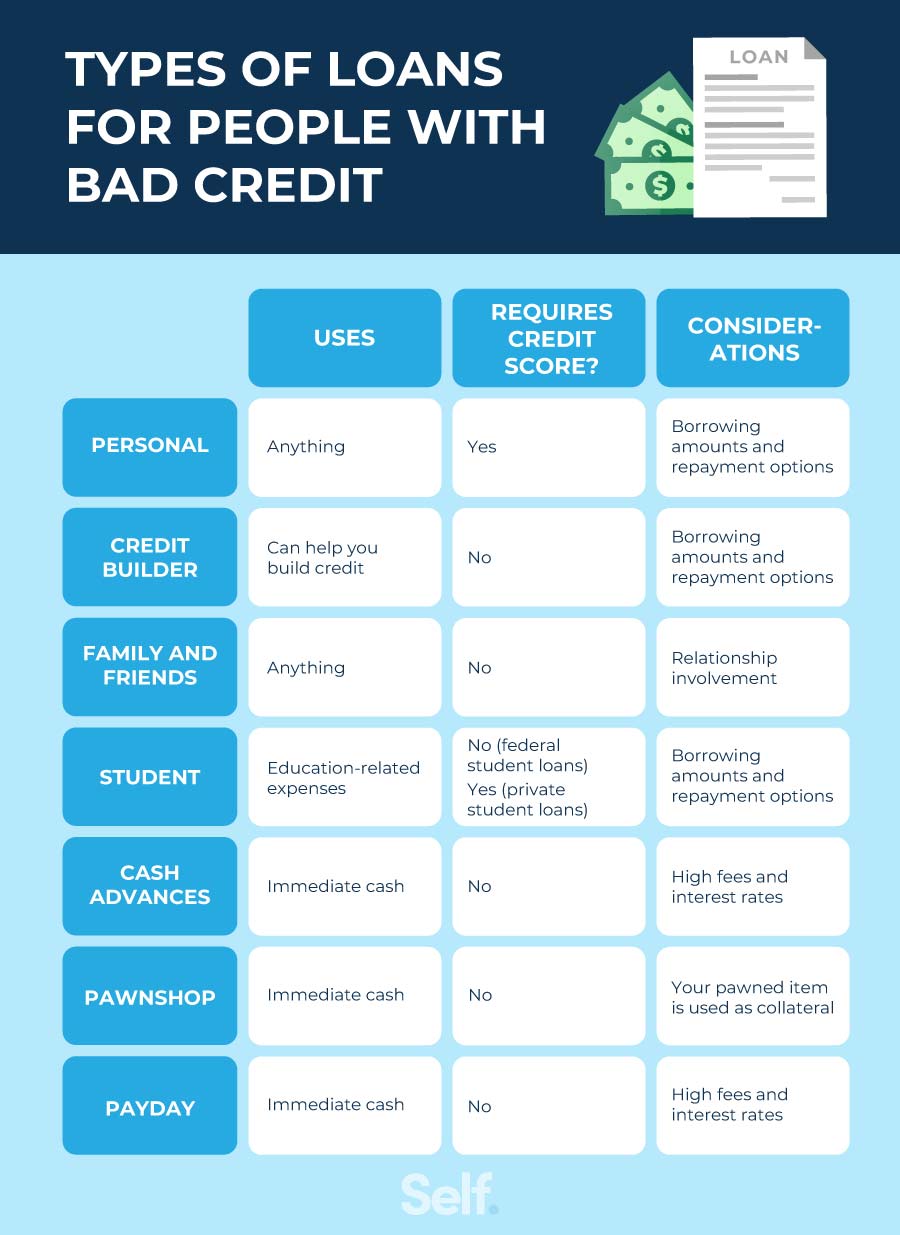
- Credit Builder Loans: Offered by some credit unions to help establish credit.
- Payday Alternative Loans (PALs): Offered by federal credit unions, these have lower interest rates and more flexible terms than traditional payday loans.
- Borrow from Family/Friends: A potentially interest-free solution.
- Debt Consolidation: Combine multiple debts into one payment, often at a lower interest rate, through a non-profit credit counseling agency.
- Negotiate with Creditors: Ask for hardship programs, payment deferrals, or reduced interest rates.
- Emergency Savings: If possible, build a small emergency fund to cover unexpected expenses.
Making an Informed Decision
Native American loans can provide quick financial relief for individuals with bad credit who have no other options. However, they come at a very high cost and significant risks. They should be viewed as an absolute last resort, a temporary bridge, not a long-term financial solution.
Your decision must be based on a thorough understanding of the terms, an honest assessment of your ability to repay, and a clear recognition of the potential for a debt spiral. If you proceed, do so with extreme caution, meticulous budgeting, and a plan to repay the loan as quickly as possible to minimize the astronomical interest costs.
Conclusion
Navigating financial challenges with bad credit is undoubtedly stressful, and it’s natural to seek any available solution. Native American loans offer a unique, albeit expensive, avenue for quick funds when traditional lenders turn you away. This guide has aimed to equip you with the professional insight necessary to understand their mechanics, identify reputable lenders, scrutinize loan terms, and, most importantly, recognize the inherent risks.
Remember, financial relief should lead to stability, not deeper distress. Always prioritize exploring less costly alternatives, and if you must resort to a tribal loan, proceed with utmost diligence and a robust repayment strategy. Your financial well-being depends on making an informed and responsible choice.


