Navigating Native American Loans: A Professional Guide for Bad Credit Borrowers Seeking No-Collateral Options
Financial emergencies can strike anyone, at any time. For individuals with bad credit and no collateral, securing a loan through traditional lenders can feel like an impossible task. This often leads many to explore alternative financing options, among which Native American, or tribal, loans have emerged. While offering a potential lifeline, these loans come with unique characteristics, benefits, and significant risks that borrowers must thoroughly understand.
This professional guide aims to provide a comprehensive, step-by-step tutorial for individuals considering Native American loans with no collateral, especially those with less-than-perfect credit. We will delve into what these loans entail, how to navigate the application process responsibly, and crucial considerations to ensure you make an informed decision.
Understanding Native American (Tribal) Loans
Native American loans are personal loans offered by lending institutions owned and operated by federally recognized Native American tribes. These lenders operate under tribal law, which, due to the tribes’ sovereign status, often exempts them from state laws regarding interest rate caps and other lending regulations. This allows them to offer loans to individuals who might not qualify for conventional loans due to bad credit or lack of collateral.
Key Characteristics:
- Sovereign Immunity: Tribal lenders claim sovereign immunity, meaning they are not subject to state lending laws, including interest rate limits. This is a contentious legal area, and its interpretation can vary.
- Online Operations: Most tribal lenders operate exclusively online, making them accessible nationwide.
- Unsecured Loans: These are typically "no collateral" loans, meaning you don’t need to pledge assets like a car or house to secure the loan.
- Bad Credit Friendly: Lenders often perform soft credit checks or consider alternative data points, making them more accessible to borrowers with low credit scores.
- High Interest Rates (APR): This is the most critical characteristic. Due to the higher risk associated with bad credit borrowers and the lack of state regulation, tribal loans typically carry extremely high Annual Percentage Rates (APRs), often ranging from 300% to over 700% or even higher.
- Short-Term or Installment: Loans can be structured as short-term payday-like loans or installment loans repaid over several months.
Why Consider Tribal Loans (and the Caveats)
For borrowers facing urgent financial needs with limited options, tribal loans can appear attractive.
Potential Advantages:
- Accessibility: A viable option for those with bad credit, no collateral, or limited access to traditional credit.
- Speed: Application and funding processes are often very fast, with funds sometimes deposited within one business day.
- No Collateral Required: Eliminates the risk of losing personal assets if you default.
Significant Caveats and Risks:
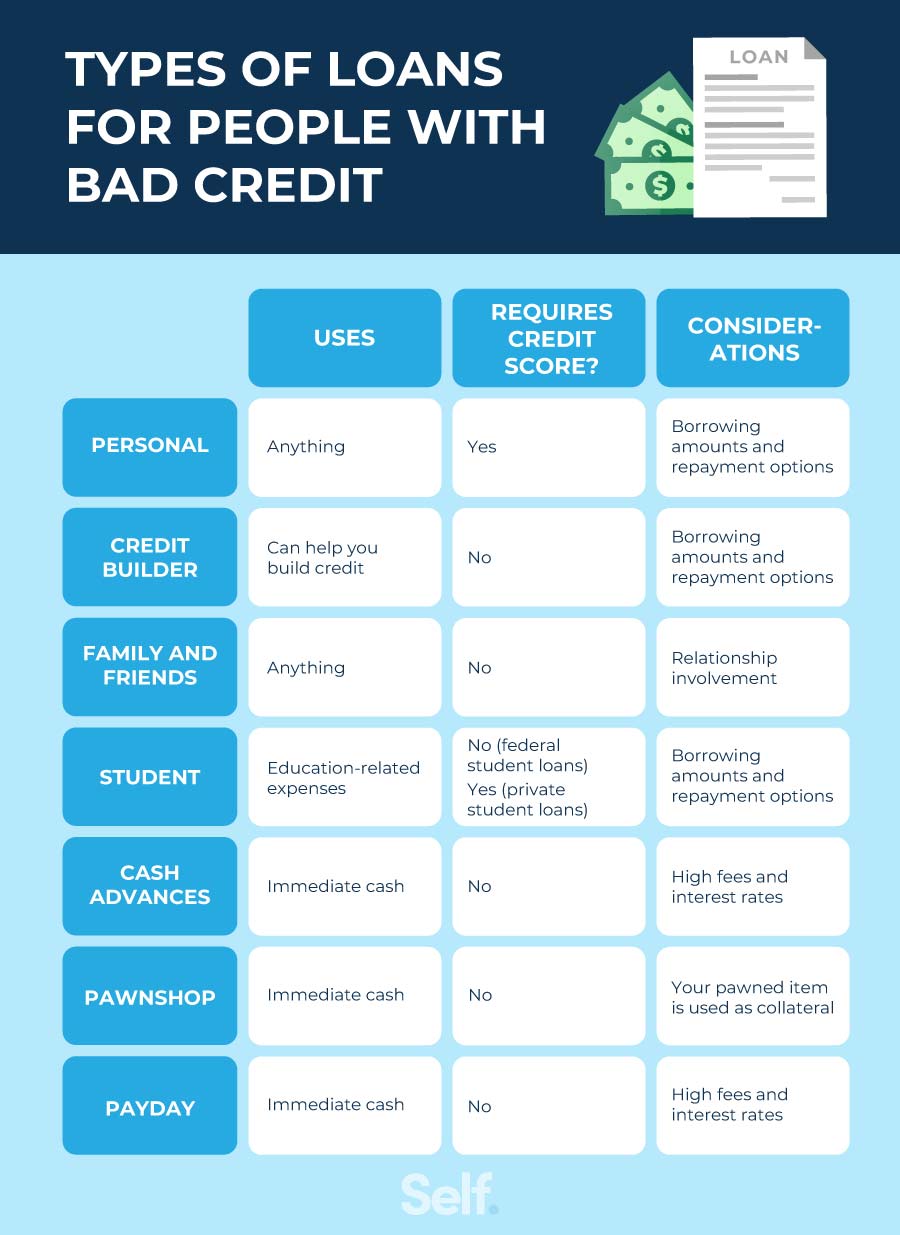
- Exorbitant Costs: The high APRs mean you will pay back significantly more than you borrowed. What might seem like a small loan can quickly accumulate into a large debt.
- Debt Cycle Risk: Due to high costs, many borrowers struggle to repay the loan on time, leading to extensions, refinancing, or taking out new loans, trapping them in a cycle of debt.
- Limited Regulatory Oversight: While some tribal lenders are part of organizations like the Online Lenders Alliance (OLA) which sets best practices, they are not subject to the same federal and state regulations as traditional banks.
- Legal Ambiguity: The legal standing of tribal lenders in certain states can be complex, potentially leading to disputes over jurisdiction in case of non-payment.
Step-by-Step Guide to Applying for Native American Loans with No Collateral
If, after understanding the significant risks, you decide to explore a Native American loan, follow these steps carefully:
Step 1: Thoroughly Assess Your Financial Need and Explore All Alternatives
Before considering any high-cost loan, rigorously evaluate your financial situation.
- Is this expense truly an emergency? Can it be postponed or reduced?
- How much do you actually need? Only borrow the absolute minimum.
- Have you exhausted all other options? This is crucial.
Consider Alternatives First (See "Exploring Safer Alternatives" section below). This step is paramount. Tribal loans should be considered a last resort due to their high cost.
Step 2: Research Reputable Tribal Lenders
Not all tribal lenders are created equal, and some may be predatory or outright fraudulent.
- Look for Transparency: Reputable lenders will clearly display their APR, fees, and terms on their website.
- Check for OLA Membership: The Online Lenders Alliance (OLA) is a trade association for online lenders. Membership indicates adherence to a code of conduct, though it doesn’t guarantee low rates.
- Read Reviews (Cautiously): Look for independent reviews, but be aware that online reviews can be manipulated. Focus on patterns of complaints regarding hidden fees, aggressive collection tactics, or unclear terms.
- Verify Tribal Affiliation: Ensure the lender clearly states its tribal ownership and affiliation.
Step 3: Understand the Loan Terms and Conditions (The Fine Print)
This is the most critical step. Do not proceed until you fully comprehend every aspect of the loan agreement.
- Annual Percentage Rate (APR): This is the true cost of the loan, including interest and fees, expressed as an annual percentage. Expect it to be very high.
- Total Repayment Amount: Calculate the total amount you will repay over the loan’s life. Compare this to the original principal.
- Repayment Schedule: Understand the frequency (weekly, bi-weekly, monthly) and exact amounts of each payment.
- Fees: Look for origination fees, late payment fees, insufficient funds (NSF) fees, and any other charges.
- Prepayment Penalties: Check if there are penalties for paying off the loan early. Reputable lenders typically do not have these for short-term loans.
- Default Consequences: Understand the implications of missing payments, including additional fees, collection efforts, and potential impact on your credit.
Step 4: Gather Required Documentation
Prepare the necessary documents to expedite the application process. Common requirements include:
- Proof of Income: Pay stubs, bank statements showing direct deposits, or tax returns.
- Active Checking Account: For direct deposit of funds and automatic repayment deductions.
- Valid Government-Issued ID: Driver’s license, state ID, or passport.
- Social Security Number (SSN): For identity verification and credit checks.
- Contact Information: Phone number and email address.
Step 5: Complete the Online Application
Once you’ve chosen a lender and understand the terms, fill out the online application form.
- Provide Accurate Information: Be honest and accurate with all details. Inaccurate information can lead to rejection or issues later.
- Consent to Credit Checks: Tribal lenders often perform a "soft" credit check, which doesn’t negatively impact your credit score. However, some may use "hard" checks, especially if you default.
Step 6: Review the Loan Offer
After submitting your application, you will typically receive an instant or near-instant decision and a loan offer.
- Do Not Rush: Take your time to review the offer again, comparing it to your initial understanding of the terms.
- Verify All Details: Ensure the loan amount, APR, fees, and repayment schedule match what you were expecting.
- Ask Questions: If anything is unclear, contact the lender’s customer service for clarification before signing.
Step 7: Sign the Loan Agreement (If Satisfied)
If you are fully satisfied with the loan terms and believe you can responsibly repay the loan, you will typically sign the agreement electronically.
- Digital Signature: This is legally binding, so ensure you understand what you’re agreeing to.
- Keep a Copy: Download or print a copy of the signed agreement for your records.
Step 8: Receive Funds
Upon successful signing, the funds will be disbursed to your checking account.
- Direct Deposit: Most tribal lenders process direct deposits, often within one business day.
- Confirmation: You should receive a confirmation email once the funds have been sent.
Step 9: Repay the Loan Responsibly
This is the most crucial step for avoiding financial distress.
- Budget Meticulously: Incorporate loan payments into your budget to ensure you have sufficient funds available on each due date.
- On-Time Payments: Make all payments on time to avoid late fees, additional interest, and potential negative impacts on your credit score (if the lender reports to credit bureaus).
- Avoid Rollovers/Extensions: If you anticipate difficulty making a payment, contact the lender immediately. However, be extremely wary of "rolling over" the loan or extending it, as this significantly increases the total cost and can lead to a debt trap.
Key Considerations and Warnings
- Understand the Legal Landscape: While tribal lenders assert sovereignty, states may still attempt to regulate their activities. This can create a complex legal situation if disputes arise.
- Beware of Scams: The high-cost, online nature of these loans attracts scammers. Be cautious of unsolicited offers, requests for upfront fees, or lenders who pressure you to act quickly without reviewing terms.
- Credit Reporting: Some tribal lenders may report your payment history to credit bureaus, which can impact your credit score, positively if you pay on time, negatively if you default. However, many do not report, meaning on-time payments might not help build your credit.
- Collection Practices: Be aware that if you default, lenders may pursue collection efforts, which could include contacting you, your references, or turning your debt over to a third-party collection agency.
Exploring Safer Alternatives to Tribal Loans
Before resorting to high-cost tribal loans, always investigate these potentially safer and more affordable options:
- Credit Unions: Often offer smaller, more affordable personal loans with lower interest rates, even for borrowers with fair or improving credit. They are member-focused and more flexible.
- Payday Alternative Loans (PALs): Offered by federal credit unions, PALs are small loans ($200-$1,000) with much lower APRs (capped at 28%) and longer repayment terms than traditional payday loans.
- Secured Loans: If you have collateral (e.g., a car title, savings account), a secured loan can offer significantly lower interest rates. However, you risk losing the asset if you default.
- Borrowing from Friends or Family: While potentially awkward, this can be a zero-interest or low-interest solution. Formalize the agreement to avoid misunderstandings.
- Non-Profit Credit Counseling: Organizations can help you manage debt, create a budget, and explore debt relief options without taking on new loans.
- Community Assistance Programs: Local charities, government agencies, or religious organizations may offer grants or assistance for specific needs (rent, utilities, food).
- Employer Advance: Some employers offer payroll advances or small loans to employees.
- Negotiate with Creditors: If your emergency is related to an existing bill, contact your creditors (utility companies, landlords) to negotiate payment plans or temporary deferrals.
- Side Gigs/Gig Economy: Explore temporary work to earn extra cash quickly.
Responsible Borrowing Practices
Regardless of the loan type, responsible borrowing is key to maintaining financial health:
- Create a Realistic Budget: Understand your income and expenses to ensure you can comfortably afford loan payments.
- Build an Emergency Fund: Start saving, even small amounts, to create a buffer against future financial shocks. This reduces reliance on high-cost loans.
- Improve Your Credit Score: Over time, focus on making payments on time, reducing debt, and maintaining a healthy credit mix to open up more affordable lending options.
- Avoid Unnecessary Debt: Only borrow when absolutely necessary and for a clear purpose.
Conclusion
Native American loans with no collateral can appear to be a convenient solution for bad credit borrowers in urgent need of funds. However, their high costs and unique regulatory landscape demand extreme caution and thorough understanding. This guide has provided a step-by-step approach to navigating this complex lending option responsibly.
Remember, the goal should always be to improve your financial situation, not to fall deeper into debt. While tribal loans offer accessibility, they should be considered a last resort after exhausting all safer and more affordable alternatives. Always prioritize understanding the full cost of the loan and your ability to repay it before committing to any agreement. Make an informed decision that safeguards your financial future.
Disclaimer: This guide is for informational purposes only and does not constitute financial or legal advice. Always consult with a qualified financial advisor or legal professional for personalized advice regarding your specific situation.


