This guide provides a comprehensive, step-by-step tutorial on understanding and potentially applying for Native American loans, often marketed as "instant decision" options for individuals with bad credit. While these loans can offer quick access to funds, it is crucial to approach them with extreme caution due to their unique structure and high costs.
Navigating Native American Loans for Bad Credit: An Instant Decision Guide
For individuals facing financial emergencies with a less-than-perfect credit history, traditional lending avenues often remain closed. In such situations, the allure of "instant decision" loans, particularly those offered by Native American tribal lenders, can be strong. These loans are distinct from conventional financial products due to the sovereign status of the tribes that operate them, which often places them outside the jurisdiction of state lending laws.
This professional guide aims to demystify Native American loans, outlining their mechanisms, the application process, and most importantly, the critical considerations and potential risks involved. Our goal is to empower you with the knowledge to make an informed decision, emphasizing that while they offer a potential solution, they are generally considered a last resort.
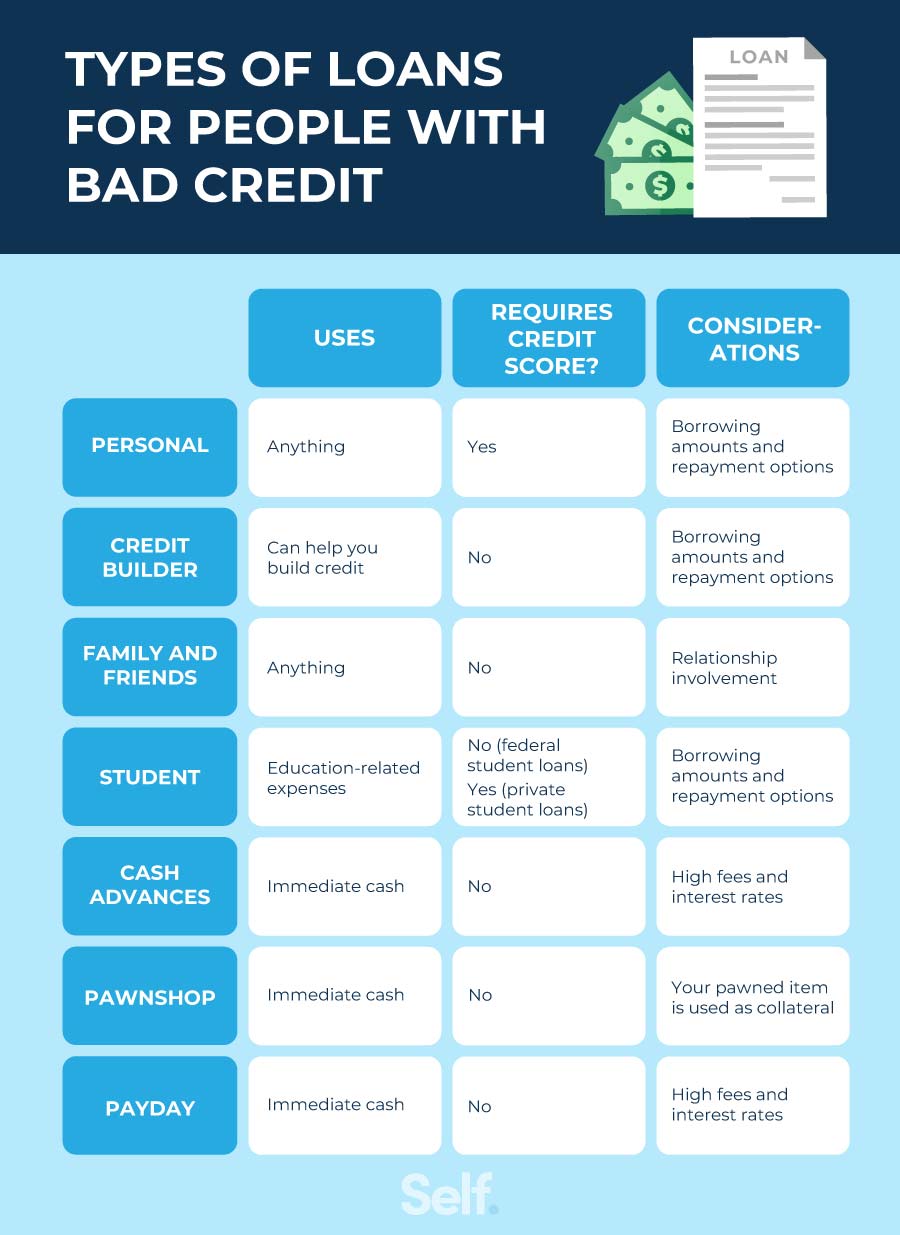
1. Understanding Native American Tribal Loans
Native American tribal loans, often referred to as "tribal loans" or "reservation loans," are short-term, high-interest installment loans offered by lending entities owned and operated by federally recognized Native American tribes. Due to their status as sovereign nations, these tribes are not bound by state laws regarding interest rates, fees, or loan terms, which allows them to offer loans that might exceed the caps imposed on traditional lenders in many states.
Key Characteristics:
- Sovereign Immunity: Tribal lenders claim sovereign immunity, meaning they are subject only to federal law and tribal law, not state law. This is a contentious legal area and can limit a borrower’s recourse in disputes.
- Online Operations: Most tribal lending operations are conducted entirely online, making them accessible to a wide audience across the U.S.
- Focus on Income: Unlike traditional banks that heavily weigh credit scores, tribal lenders often prioritize an applicant’s stable income and ability to repay the loan, making them an option for those with bad credit.
- High APRs: These loans typically come with extremely high Annual Percentage Rates (APRs), often ranging from 200% to over 700%, making them significantly more expensive than conventional loans.

2. The Appeal for Bad Credit Borrowers
The primary attraction of Native American loans for individuals with bad credit lies in their relaxed eligibility criteria regarding credit scores. Many traditional lenders (banks, credit unions) will deny applications from individuals with FICO scores below a certain threshold. Tribal lenders, however, are designed to cater to this demographic.
- "No Hard Credit Check": Many tribal lenders advertise "no credit check" loans, or they perform only a "soft credit check" that doesn’t impact your credit score. This is appealing to those trying to avoid further damage to their credit report.
- Focus on Repayment Ability: The decision to lend is often based more on your steady income, employment history, and bank account activity, rather than your past credit performance.
- Quick Access to Funds: The online application and "instant decision" promise mean funds can often be disbursed to your bank account within one business day, which is crucial in emergency situations.
3. The "Instant Decision" Mechanism Explained
The "instant decision" aspect of these loans is facilitated by sophisticated online lending platforms that utilize automated algorithms. When you submit an application, the system quickly processes your provided information.
- Automated Verification: Your income, employment details, and bank account information are often verified electronically through third-party services.
- Risk Assessment Algorithms: The algorithms rapidly assess your repayment capacity based on the data provided, cross-referencing it with internal criteria, rather than relying solely on traditional credit bureaus.
- Immediate Feedback: Within minutes of submission, the system can provide a preliminary approval or denial. If approved, you will immediately be presented with the loan terms, including the principal amount, interest rate, fees, and repayment schedule.
4. Step-by-Step Guide: Applying for a Native American Loan
While the process is designed to be fast, careful consideration at each step is paramount.
Step 1: Research and Select a Reputable Tribal Lender
This is the most critical initial step.
- Verify Tribal Affiliation: Ensure the lender clearly states its affiliation with a federally recognized Native American tribe. Look for this information on their website.
- Check Reviews and Reputation: Search for online reviews from other borrowers. Look for patterns of complaints regarding hidden fees, aggressive collection practices, or lack of transparency. Be wary of lenders with numerous negative reviews.
- Transparency: A reputable lender will clearly display their loan terms, including APRs, fees, and repayment schedules, on their website before you apply.
Step 2: Review Eligibility Requirements
Before applying, ensure you meet the basic criteria. Typically, you must:
- Be at least 18 years old.
- Be a U.S. citizen or permanent resident.
- Have a stable source of income (employment, benefits, etc.).
- Possess an active checking account for direct deposit and repayment.
- Provide a valid email address and phone number.
- Not be actively involved in bankruptcy proceedings.
Step 3: Gather Necessary Documentation
While often "paperless," you’ll need this information readily available:
- Proof of Identity: Government-issued ID (driver’s license, state ID).
- Proof of Income: Recent pay stubs, bank statements showing direct deposits, or benefit statements.
- Bank Account Details: Account and routing numbers for your active checking account.
- Personal Information: Social Security Number, contact details, employment history.
Step 4: Complete the Online Application Form
Visit the lender’s website and fill out the application.
- Accuracy is Key: Provide accurate and truthful information. Any discrepancies can lead to delays or denial.
- Loan Amount Request: Specify the amount you wish to borrow. Be realistic and only borrow what you absolutely need and can afford to repay.
Step 5: Receive Your Instant Decision
After submitting, the system will process your application.
- Immediate Feedback: You will typically receive an on-screen decision within minutes.
- Conditional Approval: If approved, it’s often a conditional approval, meaning the terms are presented for your review.
Step 6: Carefully Review Loan Terms and Conditions (CRUCIAL!)
Do not skip or rush this step. This is where you understand the true cost of the loan.
- Annual Percentage Rate (APR): This is the most important figure. Understand that tribal loans have very high APRs. Compare it to other options, if any.
- Fees: Look for origination fees, late fees, missed payment fees, and any other charges.
- Repayment Schedule: Understand the number of payments, the amount of each payment, and the total amount you will repay over the life of the loan.
- Total Cost of Loan: Calculate the total amount you will pay back (principal + interest + fees).
- Prepayment Penalties: Check if there are penalties for paying off the loan early.
- Automatic Withdrawals: Most tribal lenders require you to authorize automatic withdrawals from your bank account for repayments. Understand the implications.
- Right to Decline: Remember, even after approval, you have the right to decline the loan if the terms are not acceptable.
Step 7: Sign the Loan Agreement (If You Agree)
If you are satisfied with all terms and conditions, you will electronically sign the loan agreement. This is a legally binding contract.
Step 8: Receive Your Funds
Upon signing, the lender will typically initiate a direct deposit to your checking account.
- Funding Time: Funds usually arrive within one business day, though it can sometimes take up to two business days, depending on your bank.
Step 9: Make Timely Repayments
Adhering to the repayment schedule is vital to avoid further financial distress.
- Automatic Deductions: Ensure you have sufficient funds in your bank account on the scheduled repayment dates to avoid overdraft fees from your bank and late fees from the lender.
- Consequences of Default: Failure to repay can lead to additional fees, damage to your (already bad) credit score if the default is reported, and potentially aggressive collection efforts.
5. Key Considerations and Potential Risks
While offering a quick solution, Native American loans come with significant risks that must be fully understood.
- Exorbitant Interest Rates (APRs): This is the most substantial risk. The APRs are often several hundred percent, meaning you will pay back far more than you borrowed. A $500 loan could easily cost you over $1,000 to repay.
- Debt Cycle Risk: Due to the high cost, many borrowers find it difficult to repay the full amount by the due date. This can lead to "rolling over" the loan (paying fees to extend the due date) or taking out another loan to pay off the first, trapping them in a cycle of debt.
- Limited Consumer Protection: Due to sovereign immunity, state consumer protection laws regarding interest rate caps, licensing, and fair lending practices may not apply. This can leave you with fewer legal avenues if a dispute arises.
- Aggressive Collection Practices: While federal laws like the Fair Debt Collection Practices Act (FDCPA) generally apply to all debt collectors, tribal lenders might leverage their unique legal standing in collection efforts.
- No Positive Credit Impact: While they don’t usually perform hard credit checks that damage your score, timely repayment of tribal loans typically does not help improve your credit score with major credit bureaus.
- Transparency Issues: While reputable lenders are transparent, some less scrupulous operations may try to obscure fees or terms. Always read the fine print.
6. When Might This Be a Viable Option?
Given the significant risks, Native American loans should only be considered under very specific, dire circumstances:
- Absolute Emergency: When you face an immediate, unavoidable financial emergency (e.g., critical medical bill, car repair to get to work) and literally have no other source of funds.
- No Other Alternatives: You have exhausted all other, less expensive options (e.g., borrowing from family/friends, credit union loans, credit card cash advances, community assistance programs).
- Clear Repayment Plan: You have a guaranteed, concrete plan to repay the entire loan (principal + interest + fees) by the due date without needing to borrow again.
7. Responsible Borrowing and Alternatives to Consider
Before turning to a Native American loan, explore every possible alternative:
- Emergency Fund: The best long-term solution is to build an emergency savings fund.
- Credit Counseling: Non-profit credit counseling agencies can help you budget, manage debt, and explore options for improving your financial situation.
- Secured Loans: If you have collateral (e.g., a car, savings), secured loans often have lower interest rates.
- Credit Union Loans: Credit unions are often more flexible and offer lower interest rates than traditional banks, especially for members. They may offer "payday alternative loans" (PALs) with lower APRs and longer repayment terms.
- Borrow from Friends or Family: If possible, this is often the cheapest and most flexible option.
- Community Assistance Programs: Local charities, government programs, or non-profits may offer assistance for specific needs (rent, utilities, food).
- Negotiate with Creditors: If you’re struggling to pay an existing bill, contact your creditor to see if you can arrange a payment plan or extension.
- Side Gigs/Temporary Work: Explore options to quickly earn extra cash.
Conclusion
Native American loans with instant decision for bad credit can appear to be a lifeline when traditional options are unavailable. They offer speed and accessibility to those with poor credit histories. However, this convenience comes at a very high price, primarily through exorbitant interest rates and limited consumer protections due to the unique legal status of tribal lenders.
While this guide provides a step-by-step approach to applying, the overarching message is one of extreme caution. Always prioritize understanding the full cost and risks before committing to such a loan. It should be considered a last-resort option, utilized only when absolutely necessary and with a clear, assured plan for prompt and complete repayment to avoid falling into a potentially crippling cycle of debt. Informed decision-making is your most powerful tool in navigating these complex financial products.


