Navigating Tribal Loans: A Comprehensive Guide for Residents of Indian Reservations
Introduction: Understanding Tribal Loans in Context
For residents of Indian Reservations, access to conventional financial services can often be limited. Traditional banks and credit unions may not have a strong presence, leading many to seek alternative lending solutions. Among these, "Tribal Loans" have emerged as a significant, albeit complex, option. These are loans offered by financial institutions owned and operated by Native American tribes, often online, and are characterized by their unique legal status rooted in tribal sovereignty.
This guide aims to provide a professional, step-by-step understanding of tribal loans, specifically tailored for residents living on Indian Reservations. We will delve into their mechanics, advantages, substantial risks, and essential considerations to help you make an informed financial decision.
1. Understanding Tribal Sovereignty and Its Implications
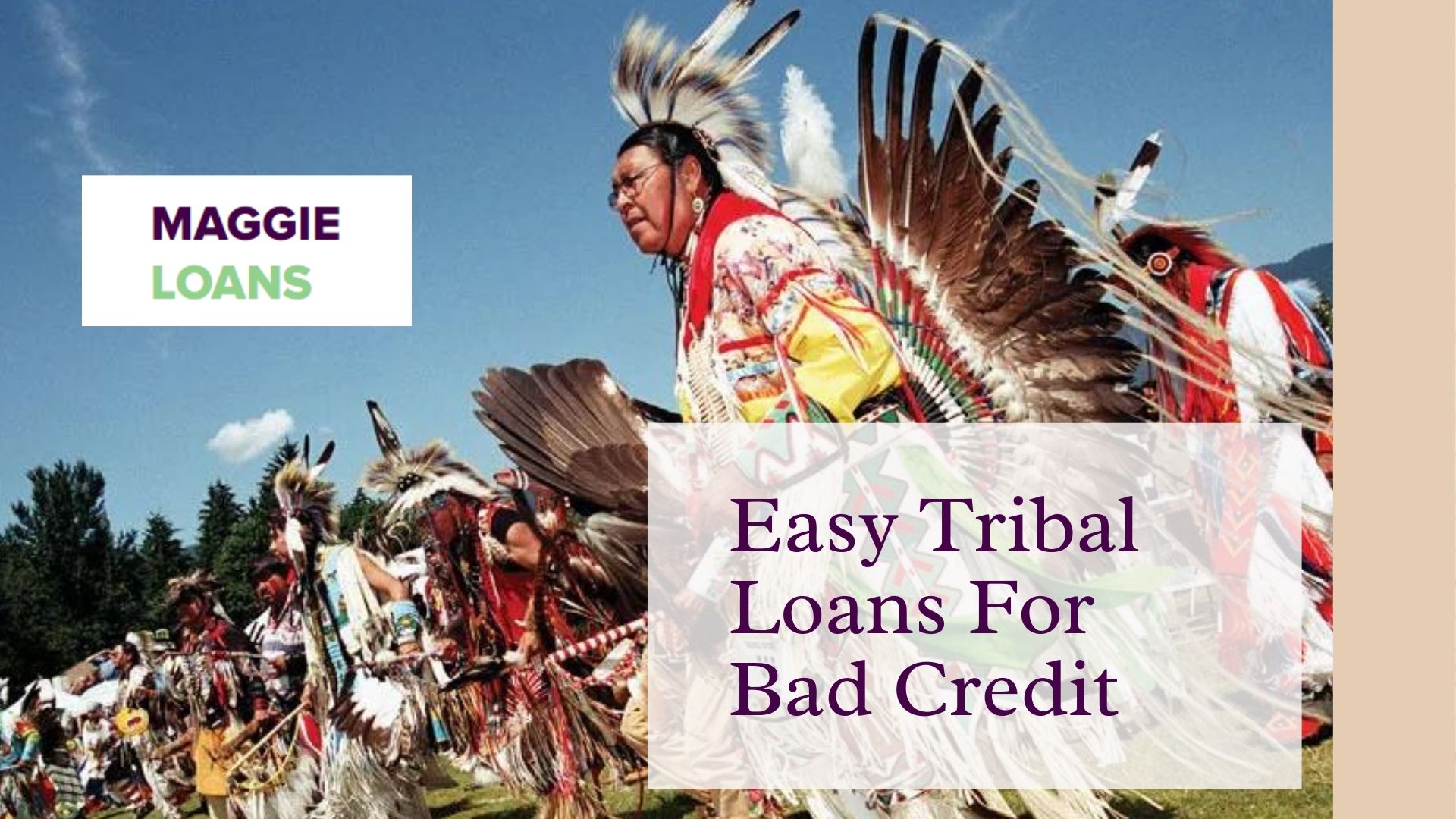
At the core of tribal loans is the principle of tribal sovereignty. Native American tribes are recognized as sovereign nations by the U.S. federal government, granting them the right to self-govern and establish their own laws and institutions, including financial ones.
- Distinct Legal Framework: This means that tribally-owned lending entities operate under tribal law, not state law. While they must adhere to federal laws that apply to all lenders, they are generally immune from state-level regulations concerning interest rate caps or licensing requirements.
- Sovereign Immunity: This legal doctrine protects tribes from lawsuits unless they expressly waive their immunity. This has significant implications for borrowers, as pursuing legal action against a tribal lender in state court can be exceedingly difficult or impossible.
- Jurisdictional Complexity for Residents: For residents living on reservations, this jurisdictional complexity is even more direct. Any dispute with a tribal lender operating under tribal law might need to be resolved within the tribal court system, which may be unfamiliar to borrowers and have different procedural rules than state or federal courts.
2. What Are Tribal Loans?
Tribal loans are typically small-dollar, short-term installment loans designed to provide quick access to cash, often for emergency expenses. They are often marketed as an alternative to payday loans or title loans, especially for individuals with less-than-perfect credit scores.
- Online Accessibility: Many tribal lenders operate exclusively online, making them accessible regardless of geographical proximity to traditional banking institutions.
- Less Stringent Credit Checks: Unlike conventional banks, tribal lenders often rely less on traditional credit scores (FICO) and more on alternative data or the applicant’s ability to repay based on income.
- High Interest Rates: A defining characteristic is their significantly higher Annual Percentage Rates (APRs) compared to traditional loans. These rates can sometimes exceed 400% or even 800%, similar to payday loans.
- Installment Structure: Unlike single-payment payday loans, tribal loans are typically repaid over several installment periods, which can range from a few weeks to several months.
3. The Mechanics of Tribal Loans
Understanding how these loans work is crucial before applying.
- Application Process:
- Online Form: Most applications are completed online, requiring personal information, employment details, income verification, and bank account information.
- Minimal Documentation: Often, only proof of income and a valid ID are needed.
- Approval and Funding:
- Fast Decisions: Due to automated underwriting processes, approval decisions are often made within minutes.
- Quick Disbursement: If approved, funds are typically deposited directly into the borrower’s bank account within one to two business days.
- Repayment Structure:
- Scheduled Installments: Loans are repaid in a series of fixed payments over the loan term.
- Automated Debits: Lenders typically require authorization to automatically debit payments from the borrower’s bank account on scheduled due dates.
- Principal and Interest: Each payment typically includes both a portion of the principal loan amount and accrued interest. Due to high interest rates, early payments often go mostly towards interest, making the principal repayment slow.
4. Potential Advantages for Reservation Residents
While risks are substantial, tribal loans can offer certain advantages, especially for individuals on reservations who face unique financial circumstances.
- Access to Credit in Underserved Areas: For many reservation residents, traditional banking options are scarce. Tribal loans can provide a vital source of credit when no other immediate alternatives exist.
- Speed and Convenience for Emergencies: When facing an urgent financial need (e.g., car repair, medical bill), the quick approval and funding process can be appealing.
- Less Emphasis on Traditional Credit Scores: Residents with limited credit history or poor credit scores, who might be rejected by mainstream lenders, may find these loans accessible.
- Potential Support for Tribal Economies: Funds generated by tribally-owned lending operations are often reinvested into the tribe, supporting essential services, infrastructure, and economic development within the community. This can be a significant factor for residents who wish to support their tribal economy.
5. Significant Risks and Disadvantages
Despite the potential for quick access to funds, tribal loans carry substantial risks that can lead to a cycle of debt. These risks are amplified by their unique legal status.
- Exorbitant Interest Rates (APRs): This is the most critical disadvantage. APRs can be several hundred percent, making the total cost of borrowing extremely high. A small loan can quickly balloon into a massive debt due to compounded interest.
- Debt Cycle Trap: High costs often make it difficult for borrowers to repay the full amount by the due date. This can lead to loan rollovers or taking out new loans to cover old ones, trapping borrowers in a continuous cycle of debt.
- Limited Consumer Protection: Operating under tribal law, these lenders are generally not subject to state consumer protection laws designed to limit interest rates or prevent predatory practices. Federal oversight (e.g., by the CFPB) can be complex due to sovereign immunity.
- Difficulty with Legal Recourse: If a dispute arises (e.g., unauthorized withdrawals, usurious rates), a borrower’s ability to sue the lender in state or federal court is severely restricted due to sovereign immunity. Any recourse might be limited to tribal courts, which can be challenging to navigate.
- Automated Bank Account Withdrawals: The requirement for automated debits means the lender has direct access to your bank account. If you don’t have sufficient funds, this can lead to overdraft fees from your bank, further increasing your financial burden.
- Aggressive Collection Practices: While legitimate tribal lenders generally adhere to fair debt collection practices, the lack of state oversight can sometimes lead to more aggressive tactics, and the legal ambiguity can make it harder for borrowers to challenge them.
6. Eligibility and Application Process for Residents
The eligibility criteria are generally straightforward, but it’s important to be aware of what’s typically required.
- Basic Requirements:
- Age: Be at least 18 years old.
- Income: Have a stable source of income (employment, benefits, etc.).
- Bank Account: Possess an active checking account for direct deposit and automated repayments.
- Contact Information: Valid phone number and email address.
- U.S. Citizenship/Residency: Be a U.S. citizen or permanent resident.
- Specifics for Reservation Residents: While not always explicitly stated as an additional requirement, lenders may verify residency, especially if they have specific programs or agreements with certain tribes. However, the online nature means many lenders treat all applicants similarly regardless of their specific reservation location, as long as they meet the basic criteria.
- Application Steps:
- Online Form: Fill out the lender’s online application.
- Provide Documentation: Submit any requested documents (e.g., pay stubs, bank statements).
- Review Terms: Carefully read the loan agreement, including the APR, repayment schedule, and all fees.
- E-Signature: Electronically sign the agreement if you accept the terms.
- Funding: Receive funds in your bank account upon approval.
7. Legal and Regulatory Landscape for Tribal Lenders
The legal landscape for tribal lenders is constantly evolving and highly contentious.
- Federal vs. Tribal Law: The core tension lies between tribal sovereignty and state/federal consumer protection efforts. While states try to regulate, tribal lenders assert their right to operate under their own laws.
- Consumer Financial Protection Bureau (CFPB): The CFPB has taken action against some tribal lenders for deceptive practices, but its authority is often challenged by tribes invoking sovereign immunity.
- "Rent-a-Tribe" Schemes: Some non-tribal lenders have attempted to partner with tribes to bypass state laws, leading to legal challenges and increased scrutiny from regulators. It’s crucial to ensure you are dealing with a genuinely tribally-owned and operated entity.
- Impact on Residents: For residents on reservations, the legal ambiguity means that protections available to borrowers in states with strong usury laws may not apply. Understanding the tribal lender’s affiliation and their specific tribal laws (if accessible) is paramount.
8. Exploring Alternatives to Tribal Loans
Given the significant risks, it is highly advisable for residents of Indian Reservations to explore all possible alternatives before considering a tribal loan.
- Local Tribal Programs:
- Tribal Credit Unions: Many tribes have established their own credit unions or financial institutions that offer loans with significantly lower interest rates and more favorable terms than commercial tribal lenders.
- Emergency Assistance Programs: Tribes often have social services or emergency funds available for their members facing financial hardship.
- Financial Counseling: Some tribal entities offer financial literacy and counseling services.
- Community Development Financial Institutions (CDFIs): These are financial institutions dedicated to serving economically distressed communities. Many CDFIs operate on or near reservations and offer fair, affordable loan products.
- Federal Credit Unions (FCUs): If available, FCUs offer Payday Alternative Loans (PALs) with much lower interest rates and more reasonable repayment terms than typical payday or tribal loans.
- Traditional Banks/Credit Unions: Even if not physically present, some offer online services. Explore secured loans, personal loans, or lines of credit if your credit score allows.
- Negotiate with Creditors: If you’re struggling with existing bills, contact your creditors directly to negotiate payment plans or extensions.
- Friends and Family: A personal loan from someone you trust can be a lower-cost alternative, though it can strain relationships if not managed carefully.
- Budgeting and Financial Planning: Long-term solutions involve creating a budget, building an emergency fund, and seeking financial education to improve overall financial health.
9. Making an Informed Decision
Before committing to a tribal loan, take these critical steps:
- Read Every Word: Scrutinize the loan agreement, focusing on the APR, total cost of the loan, fees, and repayment schedule.
- Calculate Total Cost: Understand exactly how much you will pay back in total (principal + interest + fees).
- Assess Repayment Ability: Be brutally honest about whether you can comfortably make every payment on time without jeopardizing other essential expenses.
- Consider All Alternatives: Exhaust every other option, especially those offered by your tribe or local CDFIs, before turning to a high-cost tribal loan.
- Verify Lender Legitimacy: Ensure the lender is genuinely tribally-owned and operates transparently. Check for reviews, but be aware that many online reviews can be misleading.
Conclusion
Tribal loans offer a unique and accessible financial solution for residents of Indian Reservations, particularly in areas where traditional banking services are scarce. They provide quick access to funds and may support tribal economies. However, their high interest rates, limited regulatory oversight, and complex legal recourse due to tribal sovereignty present significant risks that can easily lead to a debilitating cycle of debt.
For residents on reservations, understanding these intricacies is paramount. While they can serve as a last resort in genuine emergencies, a thorough exploration of alternatives, especially those offered directly by tribal governments or community development financial institutions, is always recommended. Always prioritize financial literacy and make an informed decision that protects your long-term financial well-being.


