This guide provides an in-depth, professional overview of short-term Native American loans, often considered by individuals facing emergency financial needs. While offering a quick solution, it’s crucial to understand their unique structure, benefits, and significant risks due to tribal sovereignty.
A Comprehensive Guide to Short-Term Native American Loans for Emergency Expenses
Introduction: Understanding Short-Term Native American Loans
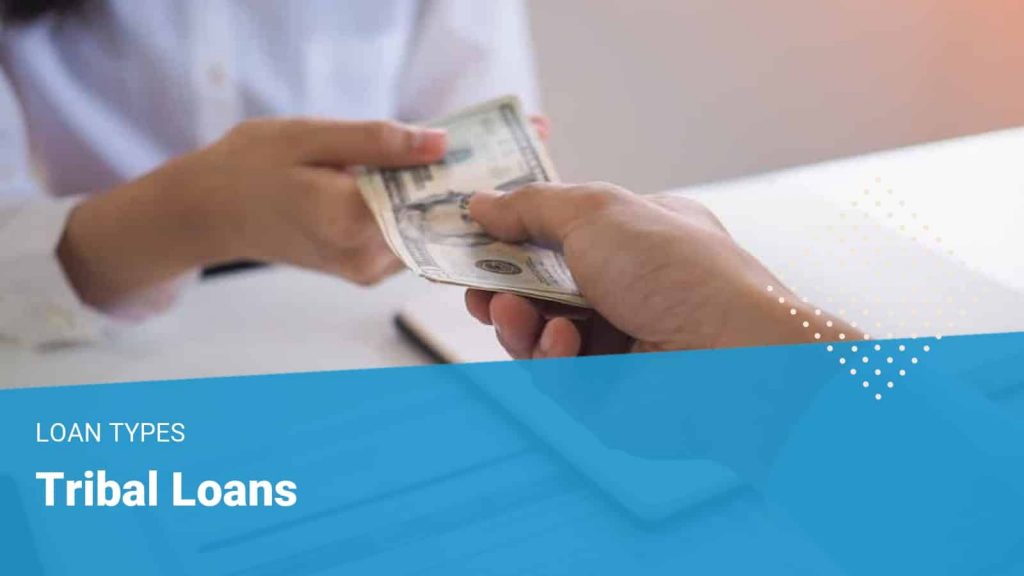
Short-term Native American loans, also known as tribal loans or sovereign tribal loans, are financial products offered by lending institutions owned by or affiliated with Native American tribes. These loans are designed to provide quick access to funds for individuals facing urgent financial emergencies, such as unexpected medical bills, car repairs, or home maintenance. Unlike traditional lenders, tribal lenders operate under the umbrella of tribal sovereignty, meaning they are often not subject to state lending laws, including interest rate caps.

This unique legal standing makes them a controversial yet accessible option for many, particularly those with poor credit histories who may struggle to qualify for conventional loans. This guide will walk you through the intricacies of these loans, from how they work and who qualifies, to the application process, and most importantly, the critical considerations and risks involved, allowing you to make an informed decision.
The Landscape of Tribal Lending: Sovereignty and Regulation
The fundamental characteristic that distinguishes Native American loans is their operation under tribal sovereignty. Federally recognized Native American tribes are considered sovereign nations, possessing the right to govern themselves and their enterprises, largely independent of state laws. This means that tribal lending entities can set their own terms, including interest rates and fees, which may be significantly higher than those permitted by state regulations for conventional lenders.
- State vs. Federal Oversight: While state laws regarding interest rate caps generally do not apply to tribal lenders, they are still subject to certain federal laws, such as the Truth in Lending Act (TILA), the Equal Credit Opportunity Act (ECOA), and regulations enforced by the Consumer Financial Protection Bureau (CFPB) and the Federal Trade Commission (FTC). However, enforcing these federal protections can be more complex due to jurisdictional issues.
- "Choice of Law" Clauses: Many tribal loan agreements include "choice of law" clauses, specifying that disputes will be resolved under tribal law or through tribal arbitration, rather than in state or federal courts. This can limit a borrower’s legal recourse in case of a dispute.
- Consumer Protection Concerns: The lack of state-level oversight has led to concerns among consumer advocates regarding predatory lending practices, primarily due to the extremely high Annual Percentage Rates (APRs) and potential for borrowers to fall into debt cycles.
Understanding this unique regulatory environment is paramount before considering a tribal loan.
How Short-Term Native American Loans Work
Short-term Native American loans typically function as installment loans, meaning they are repaid over a series of scheduled payments rather than a single lump sum.
- Loan Amounts: These loans generally range from a few hundred dollars up to $2,000, though some lenders may offer higher amounts. The specific amount you can borrow often depends on your income and the lender’s policies.
- Repayment Structure: Repayment periods can vary, often ranging from a few weeks to several months. Payments are usually scheduled to coincide with your paydays (bi-weekly or monthly).
- Interest Rates (APRs): This is the most critical aspect. Tribal loans are notorious for their exceptionally high APRs, often ranging from 200% to over 700% or even higher. For comparison, a typical credit card APR might be 15-30%, and even payday loans (which are also high-interest) usually fall below the highest tribal loan rates. These high rates mean the total cost of borrowing can be several times the original loan amount.
- Fees: In addition to interest, lenders may charge various fees, such as origination fees, late payment fees, and insufficient funds (NSF) fees if your payment fails to process.
- Automatic Withdrawals: Most tribal lenders require borrowers to authorize automatic withdrawals from their bank accounts on due dates. This ensures timely payments but can lead to overdraft fees if funds are insufficient.
Eligibility Criteria for Tribal Loans
While specific requirements may vary between lenders, general eligibility criteria for short-term Native American loans typically include:
- Age: You must be at least 18 years old.
- Residency: You must be a U.S. citizen or a permanent resident.
- Active Bank Account: A valid, active checking account is usually required for funds disbursement and repayment.
- Verifiable Income: You need to demonstrate a steady source of income. This could be from employment, government benefits, or other regular payments. Lenders will assess your ability to repay the loan based on this income.
- Contact Information: A valid phone number and email address are essential for communication.
- Credit Check: While tribal lenders are often marketed towards those with bad credit, they typically still perform a credit check. However, they may weigh factors beyond your credit score more heavily, such as your income stability.
The Application Process: A Step-by-Step Guide
Applying for a short-term Native American loan is generally a streamlined, online process designed for quick approval and funding.
Step 1: Research and Select a Lender
Begin by researching various tribal lenders. Look for transparent websites that clearly disclose their terms, conditions, and APRs. Read reviews, but be cautious, as some reviews may not fully reflect the complexities. Ensure the lender is genuinely affiliated with a federally recognized tribe and operates legally.
Step 2: Gather Required Documentation
Before starting the application, have the following information and documents ready:
- Government-issued ID (driver’s license, state ID)
- Social Security Number
- Bank account details (account number, routing number)
- Proof of income (recent pay stubs, bank statements, benefit letters)
- Contact information (phone, email, address)
Step 3: Complete the Online Application Form
Visit the lender’s website and fill out the online application. This form will typically ask for:
- Personal information (name, address, date of birth)
- Employment details and income information
- Bank account information for direct deposit and repayment
- The desired loan amount
Step 4: Await Approval and Loan Offer
After submitting your application, the lender will review your information, often performing a soft credit check (which doesn’t impact your credit score). Approval decisions are often made very quickly, sometimes within minutes or a few hours. If approved, you will receive a loan offer detailing the principal amount, interest rate (APR), total repayment amount, payment schedule, and all associated fees.
Step 5: Carefully Review Terms and Conditions
This is perhaps the most critical step. Do not sign anything until you have thoroughly read and understood every aspect of the loan agreement. Pay close attention to:
- The Annual Percentage Rate (APR): This is the true cost of the loan over a year, including interest and fees.
- The Total Repayment Amount: How much you will pay back in total, including principal and all charges.
- The Payment Schedule: Dates and amounts of each installment.
- Late Fees and Penalties: What happens if you miss a payment.
- "Choice of Law" and Arbitration Clauses: Understand your limited legal recourse.
- Prepayment Penalties: Check if there are charges for paying off the loan early.
If you have any questions or don’t understand a clause, contact the lender for clarification before signing.
Step 6: Sign the Loan Agreement
If you agree to the terms, you will typically sign the agreement electronically. This legally binds you to the loan terms.
Step 7: Receive Funds
Once the agreement is signed, the loan amount is usually deposited directly into your bank account. Most lenders advertise next-business-day funding, though some may offer same-day funding depending on the time of application and your bank.
Step 8: Repay the Loan According to Schedule
On each due date, the agreed-upon payment will be automatically debited from your bank account. Ensure you have sufficient funds to avoid overdraft fees from your bank and late fees from the lender.
Potential Benefits of Short-Term Native American Loans
While laden with risks, these loans do offer certain advantages for specific situations:
- Accessibility: They are often more accessible to individuals with poor credit scores or limited credit history, who might be denied by traditional lenders.
- Speed: The application and funding process is typically very fast, making them suitable for true financial emergencies.
- Convenience: The entire process can be completed online from anywhere, without the need to visit a physical branch.
- Alternative to Payday Loans: While still high-cost, some tribal installment loans offer a more structured repayment plan over several weeks or months, which can be less daunting than a single-payment payday loan that is due in full on your next payday.
Significant Risks and Drawbacks
The risks associated with short-term Native American loans are substantial and must be carefully considered:
- Exorbitant Interest Rates (APRs): This is the primary concern. The APRs can be astronomically high, leading to a total repayment amount that far exceeds the original principal. A small loan can quickly balloon into a massive debt.
- Debt Cycle Risk: Due to high costs, many borrowers struggle to repay the loan on time. This can lead to taking out new loans to cover old ones, creating a vicious cycle of debt that is difficult to escape.
- Limited Consumer Protections: The unique legal status of tribal lenders means state-level consumer protection laws (like interest rate caps) often do not apply. While federal laws offer some protection, enforcing them can be challenging, and "choice of law" clauses can further limit your legal options.
- Automatic Bank Debits and Overdrafts: While convenient for lenders, automatic withdrawals can lead to overdraft fees from your bank if your account balance is insufficient, adding to your financial strain.
- Aggressive Collection Practices: While legitimate tribal lenders must adhere to federal fair debt collection practices, the lack of state oversight can sometimes make collection practices feel more aggressive.
- Impact on Credit Score: While some lenders may not report positive payments to credit bureaus, defaulting on a tribal loan can negatively impact your credit score if the debt is sold to a third-party collector who reports to credit bureaus.
Alternatives to Consider Before Taking a Tribal Loan
Given the significant risks, it is highly recommended to explore all other possible alternatives before resorting to a high-cost Native American loan:
- Traditional Personal Loans: Check with your bank or credit union. Even with a less-than-perfect credit score, you might qualify for a small loan at a much lower interest rate.
- Credit Union Payday Alternative Loans (PALs): Federal credit unions offer PALs, which are small-dollar loans with much lower interest rates (currently capped at 28% APR) and longer repayment terms than traditional payday loans.
- Borrow from Friends or Family: While potentially uncomfortable, borrowing from trusted individuals can be interest-free and more flexible.
- Credit Card Cash Advance: While still expensive, a credit card cash advance often has a lower APR than tribal loans. Understand the fees and interest rates involved.
- Negotiate with Creditors: If your emergency is related to an existing bill (e.g., utility, medical), contact the creditor directly to negotiate a payment plan or request an extension.
- Community Assistance Programs: Many non-profit organizations, charities, and government programs offer financial aid, food assistance, or utility bill help for individuals in need.
- Employer Advance: Some employers offer payroll advances or small loans to employees in good standing.
- Side Hustle or Selling Assets: Consider generating quick cash through a temporary side job or selling unused items.
- Secured Loans: If you have collateral (like a car title), a secured loan might offer a lower interest rate, but carries the risk of losing your asset if you default.
Is a Native American Loan Right For You? Making an Informed Decision
Short-term Native American loans should be considered an absolute last resort, only after all other, more affordable options have been exhausted. If you find yourself in a position where you believe a tribal loan is your only option:
- Exhaust all Alternatives: Re-evaluate every option listed above.
- Understand the Full Cost: Do not just look at the monthly payment. Calculate the total repayment amount and the APR. Can you realistically afford this?
- Read the Fine Print: Pay meticulous attention to the loan agreement, especially clauses related to interest rates, fees, repayment schedule, and dispute resolution.
- Assess Your Repayment Capacity: Be honest with yourself about your ability to repay the loan on time and in full without needing to re-borrow or incur additional fees.
- Beware of Scams: Ensure the lender is legitimate and transparent. Look for clear contact information and affiliation with a federally recognized tribe.
Conclusion
Short-term Native American loans offer a fast and accessible solution for emergency expenses, particularly for those with limited credit options. However, their operation under tribal sovereignty results in significantly higher interest rates and reduced state-level consumer protections compared to traditional loans. While they can provide quick relief, the potential for falling into a cycle of debt is substantial.
Before considering a tribal loan, it is imperative to thoroughly explore all other financial alternatives. If you do proceed, approach with extreme caution, ensure you understand every clause of the loan agreement, and have a clear, realistic plan for full repayment to avoid compounding your financial difficulties. Making an informed decision is crucial to protecting your financial well-being.


