Navigating Financial Aid: A Comprehensive Guide to Tribal Student Support for College Tuition
The journey to higher education is a transformative one, offering unparalleled opportunities for personal growth, career advancement, and community development. For tribal students, this path often carries the added weight of cultural significance, a commitment to their heritage, and a desire to uplift their communities. However, the financial burden of college tuition can be a significant barrier. While the term "Tribal Student Loans" is often used broadly, it encompasses a diverse landscape of financial aid specifically designed to support Native American and Alaska Native students. This guide aims to demystify this landscape, providing a professional, step-by-step tutorial on how tribal students can secure funding for their college education.
Introduction: Understanding the Unique Landscape of Tribal Student Aid
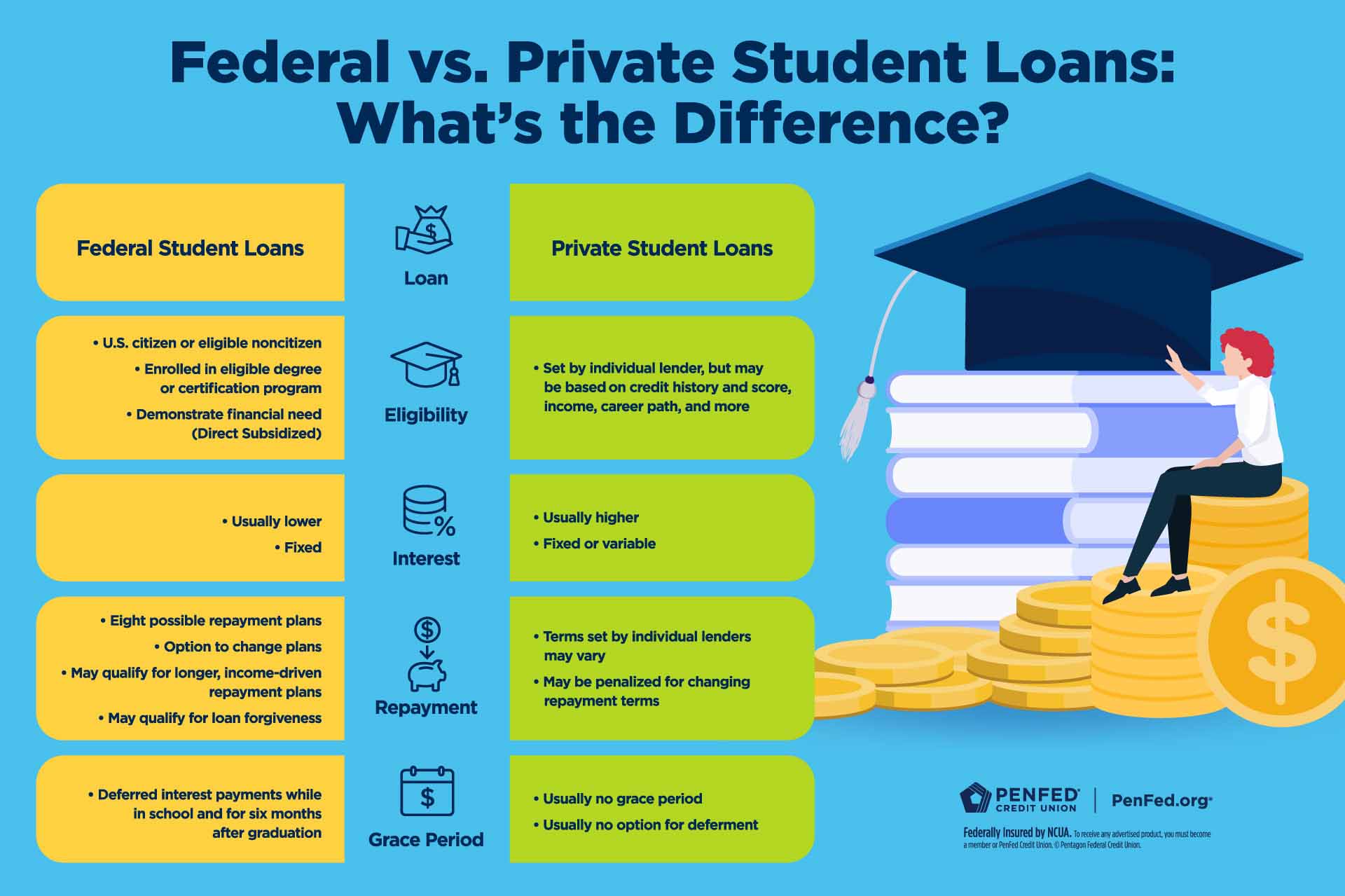
For many, "student loans" immediately conjure images of federal or private loans that accrue interest and require repayment. While these are certainly options for tribal students, the financial aid ecosystem for Native American and Alaska Native individuals is far richer and often includes a substantial focus on grants and scholarships – aid that does not need to be repaid. The term "Tribal Student Loans" in this context often refers to a holistic approach to funding, incorporating:
- Direct Aid from Tribal Nations: Grants, scholarships, and sometimes low-interest loans offered directly by federally recognized tribes to their enrolled members.
- Federal Programs: Specific grants and services administered by the U.S. government (e.g., Bureau of Indian Education) designed for Native American students, alongside standard federal student aid programs (FAFSA-based).
- Non-Profit & Private Organizations: Numerous foundations and organizations dedicated to supporting Native American education through scholarships and grants.
- Institutional Aid: Scholarships and support programs offered by colleges and universities themselves, often with specific outreach to tribal students.
This guide will walk you through the process of identifying, applying for, and securing these various forms of financial assistance, prioritizing non-repayable aid whenever possible.
Section 1: Laying the Foundation – Essential First Steps
Before diving into specific programs, there are crucial preparatory steps every tribal student should take.
1.1 Secure Your Federal Student Aid (FSA) ID
Your FSA ID is your electronic signature for federal student aid documents, including the Free Application for Federal Student Aid (FAFSA). Both you and one of your parents (if you’re a dependent student) will need one.
- Action: Visit studentaid.gov to create your FSA ID. Keep it in a secure place.
1.2 Complete the Free Application for Federal Student Aid (FAFSA)
The FAFSA is the cornerstone of virtually all financial aid. It determines your eligibility for federal grants (like the Pell Grant), federal work-study, and federal student loans. Many state and institutional scholarships also require a completed FAFSA. Crucially, even if you don’t think you’ll qualify for federal aid, many tribal programs and external scholarships still require it.
- Action: Complete the FAFSA as early as possible each year (opens October 1st for the following academic year). You’ll need tax returns (yours and your parents’, if applicable), W-2s, and records of other income.
- Tip: If you are considered an independent student for FAFSA purposes, your parents’ income will not be included. Specific criteria for independence exist (e.g., age 24+, married, graduate student, military veteran, ward of the court, or having dependents of your own).
1.3 Research Your Chosen Colleges
Each college has its own financial aid policies, scholarship opportunities, and specific deadlines.
- Action: Visit the financial aid pages of the colleges you are considering. Look for scholarships specifically for Native American students or students from diverse backgrounds. Understand their "cost of attendance" (tuition, fees, room, board, books, personal expenses).
Section 2: Exploring Tribal Nation Programs – Your Primary Resource
Your tribal nation is often the most direct and culturally relevant source of financial assistance. Programs vary significantly from tribe to tribe, reflecting unique priorities and resources.
2.1 Connect with Your Tribal Education Department
This is your most critical step for tribal-specific aid.
- Action: Contact your tribal nation’s education department, higher education office, or scholarship committee as early as possible – ideally during your junior or senior year of high school.
- Inquire About:
- Scholarship Programs: The most common form of tribal aid. These are usually grants and do not need to be repaid.
- Grant Programs: Similar to scholarships, these are non-repayable funds.
- Loan Programs: Some tribes offer low-interest loans to members, often with more flexible repayment terms than federal or private loans. These are less common than grants/scholarships.
- Eligibility Requirements: These often include tribal enrollment verification, minimum GPA, residency requirements, and enrollment status (full-time/part-time).
- Application Process & Deadlines: Be meticulous about meeting these. They can be strict.
- Required Documents: Transcripts, letters of recommendation, essays, proof of enrollment, FAFSA results.
- Mentorship/Support Services: Some tribal offices also offer academic advising, cultural support, and mentorship.
2.2 Understand the Scope of Tribal Funding
- Diversity: Be aware that the amount and type of aid available vary greatly. Some tribes have substantial endowments, while others have more limited resources.
- Supplemental Nature: Tribal aid is often designed to supplement federal and state aid, not necessarily cover 100% of costs. It’s crucial to apply for all available resources.
- Community Investment: View tribal aid as an investment in your future and the future of your community. Many tribal programs emphasize the expectation that recipients will return and contribute to their tribal nation.
Section 3: Leveraging Federal Programs for Native American Students
Beyond the general FAFSA, several federal programs are specifically geared towards Native American students.
3.1 Bureau of Indian Education (BIE) Higher Education Grant Program
This is one of the most significant federal resources. The BIE provides financial assistance to eligible Native American students attending accredited institutions of higher education.
- Action: Contact your tribal education office or the BIE agency serving your tribe for specific application procedures and deadlines. You must be an enrolled member of a federally recognized tribe and have financial need as determined by the FAFSA.
- Key Point: Funds are generally disbursed through your tribal nation or a designated tribal organization.
3.2 Other Federal Agencies
Several other federal agencies offer scholarships or support programs for Native American students, particularly in fields related to health, science, and public service.
- Examples:
- Indian Health Service (IHS) Scholarship Program: For students pursuing health professions.
- USDA National Institute of Food and Agriculture (NIFA): Grants for Native American students in agriculture and related fields.
- Action: Research specific federal agency websites relevant to your field of study.
3.3 General Federal Student Aid (FAFSA-Determined)
Even with tribal-specific aid, federal aid remains a critical component.
- Federal Pell Grant: Need-based grant for undergraduate students. Does not need to be repaid.
- Federal Supplemental Educational Opportunity Grant (FSEOG): For students with exceptional financial need. Administered directly by colleges.
- Federal Work-Study: Allows students to earn money through part-time jobs while enrolled, helping to pay for educational expenses.
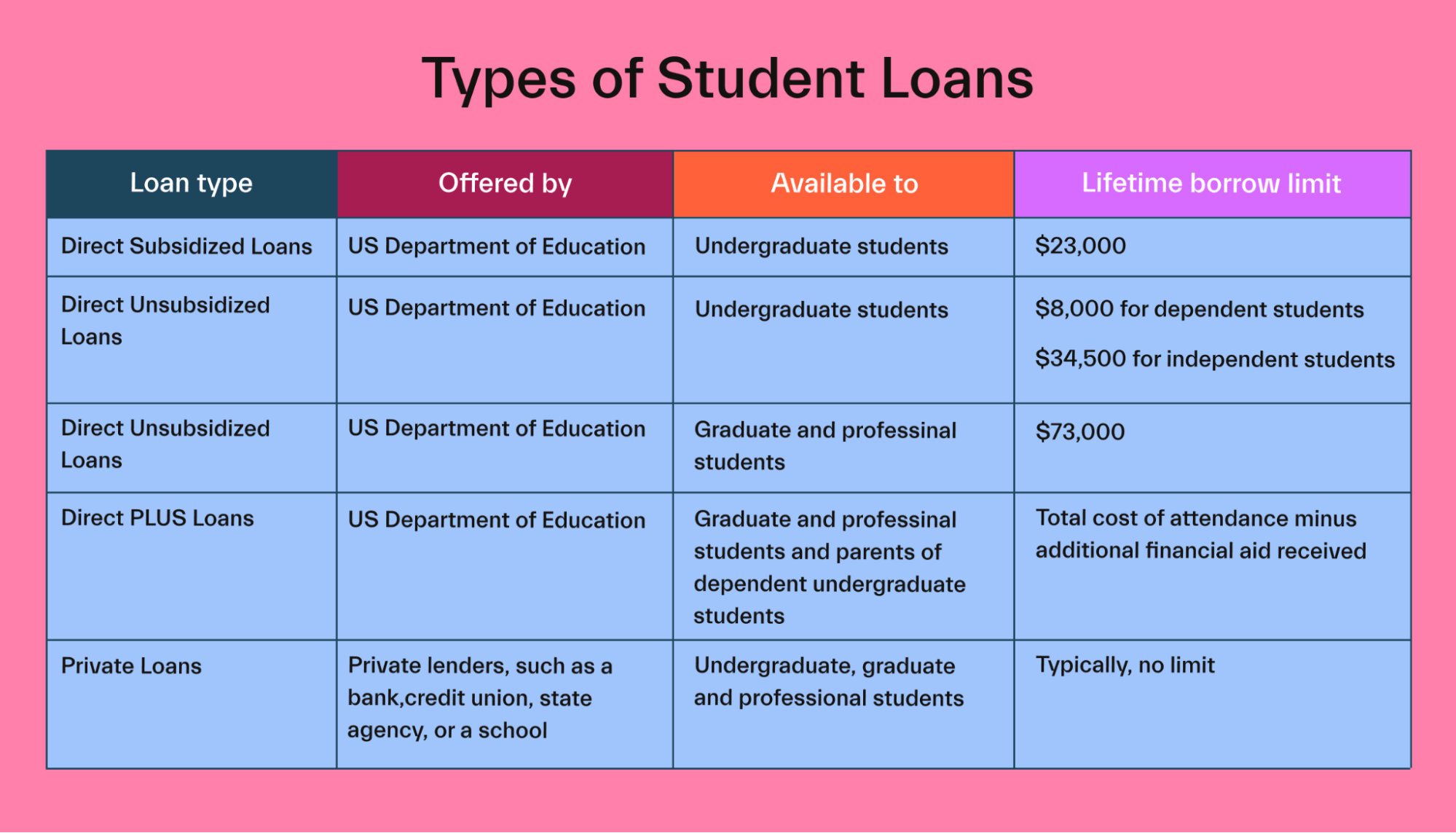
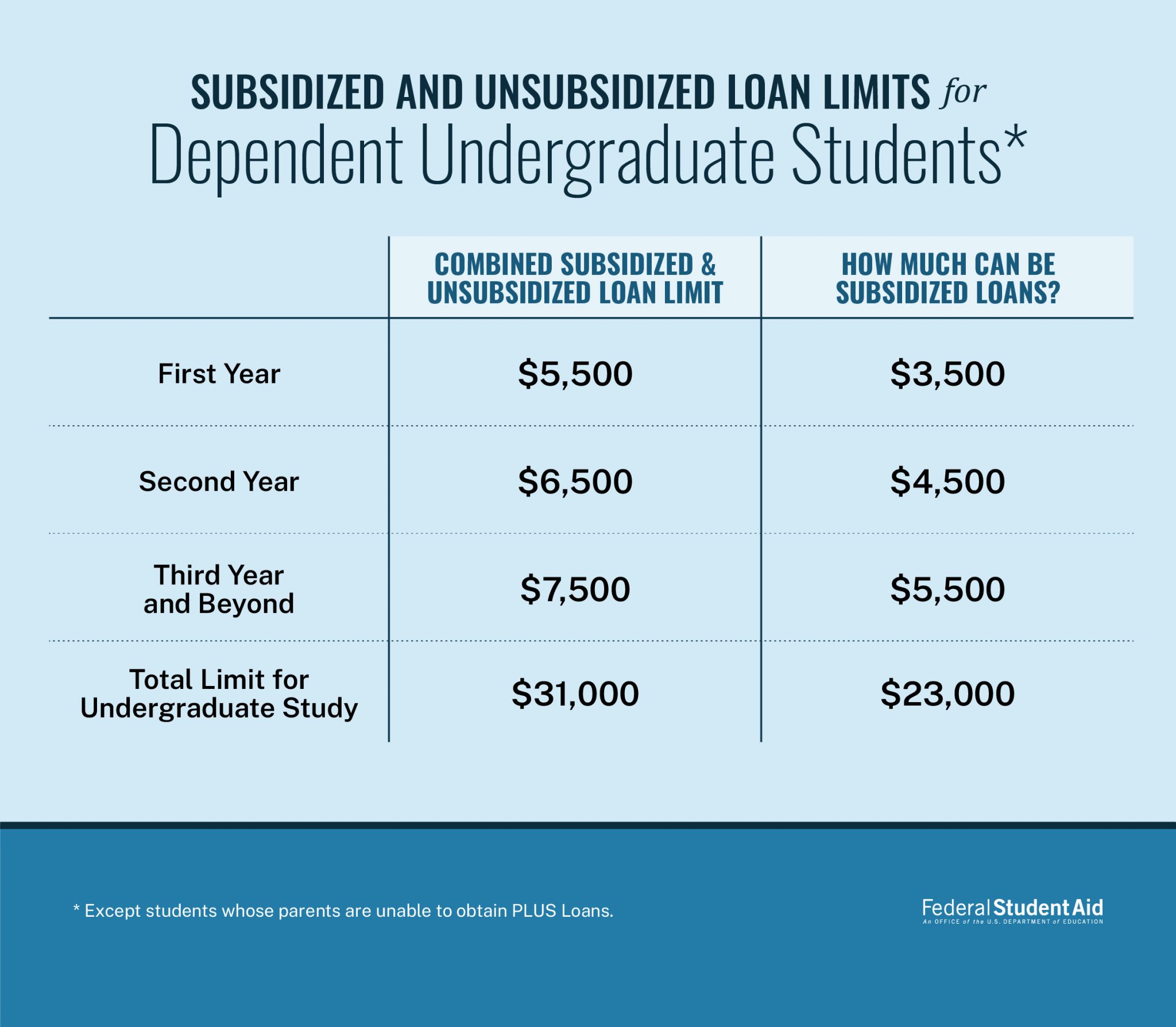
- Direct Subsidized Loans: For undergraduate students with financial need. The U.S. Department of Education pays the interest while you’re in school at least half-time, during your grace period, and during deferment periods.
- Direct Unsubsidized Loans: For undergraduate and graduate students; financial need is not a requirement. You are responsible for all interest.
- Direct PLUS Loans: For graduate or professional students and parents of dependent undergraduate students. Requires a credit check.
- Action: Review your FAFSA Student Aid Report (SAR) and your financial aid offer from each college to understand your eligibility for these programs.
- Prioritization: Always prioritize grants and scholarships over loans. Only consider federal loans if there’s a gap after exhausting all grant and scholarship opportunities.
Section 4: Exploring Non-Profit, Private, and Institutional Opportunities
A vast network of organizations and institutions are dedicated to supporting Native American students.
4.1 Non-Profit and Private Organizations
Many organizations offer scholarships specifically for Native American students.
- Key Organizations to Research:
- American Indian College Fund (AICF): Provides scholarships for Native American students attending tribal colleges and universities, as well as other accredited institutions.
- American Indian Science and Engineering Society (AISES): Focuses on STEM fields, offering scholarships, internships, and professional development.
- Catching the Dream (formerly Native American Scholarship Fund): Offers various scholarships, including those for graduate students and specific fields.
- Cobell Scholarship: Administered by the Indigenous Education, Inc., this is a competitive, merit- and need-based scholarship.
- Native American Finance Officers Association (NAFOA): Scholarships for students pursuing degrees in business, finance, and related fields.
- Gates Millennium Scholars Program (archived, but similar programs may exist): While no longer accepting new applications, it set a precedent for large-scale minority scholarships; always look for similar initiatives.
- Action: Visit the websites of these organizations, create profiles on scholarship search engines (e.g., Fastweb, Scholarship.com, Chegg), and use keywords like "Native American scholarships," "Indigenous student aid," "Tribal college grants."
4.2 Institutional Scholarships and Programs
Many colleges and universities actively recruit and support Native American students.
- Action:
- Check the financial aid and admissions websites of your prospective colleges for specific scholarships for Native American students.
- Look for "Diversity Scholarships" or "Minority Scholarships" that may include tribal students.
- Inquire about Native American cultural centers, student support services, or dedicated advisors for tribal students, as these often have information about internal funding.
Section 5: Essential Tips for Success
Navigating financial aid can be complex. Here are crucial tips to maximize your chances of success.
5.1 Start Early and Stay Organized
Deadlines are absolute. Missing one can mean missing out on crucial funding.
- Tip: Create a master calendar of all deadlines for FAFSA, tribal applications, and external scholarships. Use folders (physical and digital) to keep track of required documents.
5.2 Understand Eligibility Requirements
Every scholarship, grant, or loan has specific criteria. Read them carefully.
- Tip: Don’t apply for things you clearly don’t qualify for, but don’t self-reject prematurely either. If in doubt, ask the program administrator.
5.3 Craft Compelling Essays
Many scholarships require personal essays. This is your opportunity to tell your story, highlight your academic achievements, leadership, community involvement, and cultural identity.
- Tip: Tailor each essay to the specific scholarship. Emphasize your connection to your tribal nation and your aspirations to contribute back to your community. Have others proofread your work.
5.4 Seek Guidance
You don’t have to navigate this alone.
- Tip: Utilize your high school guidance counselor, tribal education officer, college financial aid advisors, and mentors. They are valuable resources.
5.5 Don’t Overlook "Small" Scholarships
While large scholarships are appealing, many smaller awards ($500-$2,000) have fewer applicants and can add up significantly.
- Tip: Every dollar counts. Apply for all scholarships for which you are eligible, regardless of the amount.
5.6 Budget Wisely
Once you receive your financial aid package, understand how it covers your total cost of attendance.
- Tip: Create a budget that includes tuition, fees, books, housing, food, transportation, and personal expenses. Minimize borrowing by living frugally.
5.7 Maintain Academic Standing
Many scholarships and grants are contingent on maintaining a certain GPA or full-time enrollment status.
- Tip: Prioritize your studies to ensure continued eligibility for funding.
Conclusion: Empowering Your Educational Journey
The path to higher education for tribal students is supported by a rich tapestry of financial aid opportunities. While the term "Tribal Student Loans" may initially suggest borrowing, the emphasis is often on non-repayable grants and scholarships that empower students without the burden of debt. By being proactive, organized, and thorough in your research and applications, you can significantly reduce the financial stress of college.
Remember, your pursuit of higher education is not just a personal endeavor; it’s an investment in the future of your tribal nation and a testament to the enduring spirit of Indigenous communities. Embrace the support available, leverage every resource, and embark on your educational journey with confidence. Your community is cheering you on.


