
This comprehensive guide aims to provide a professional and detailed understanding of Native American personal loans for individuals with bad credit who are exploring online options. While these loans can offer a lifeline in desperate situations, it is crucial to approach them with extreme caution due to their unique legal status and often high costs.
Navigating Native American Personal Loans for Bad Credit Online: A Comprehensive Guide
For individuals struggling with bad credit, traditional lending options often remain out of reach. In such circumstances, the internet presents a myriad of alternative financial solutions, among which Native American personal loans, often referred to as tribal loans, have gained prominence. This guide will walk you through what these loans are, how they operate, their potential benefits and significant risks, and a step-by-step process for applying online, all while emphasizing critical considerations for borrowers.
1. Introduction: Understanding the Landscape of Tribal Lending
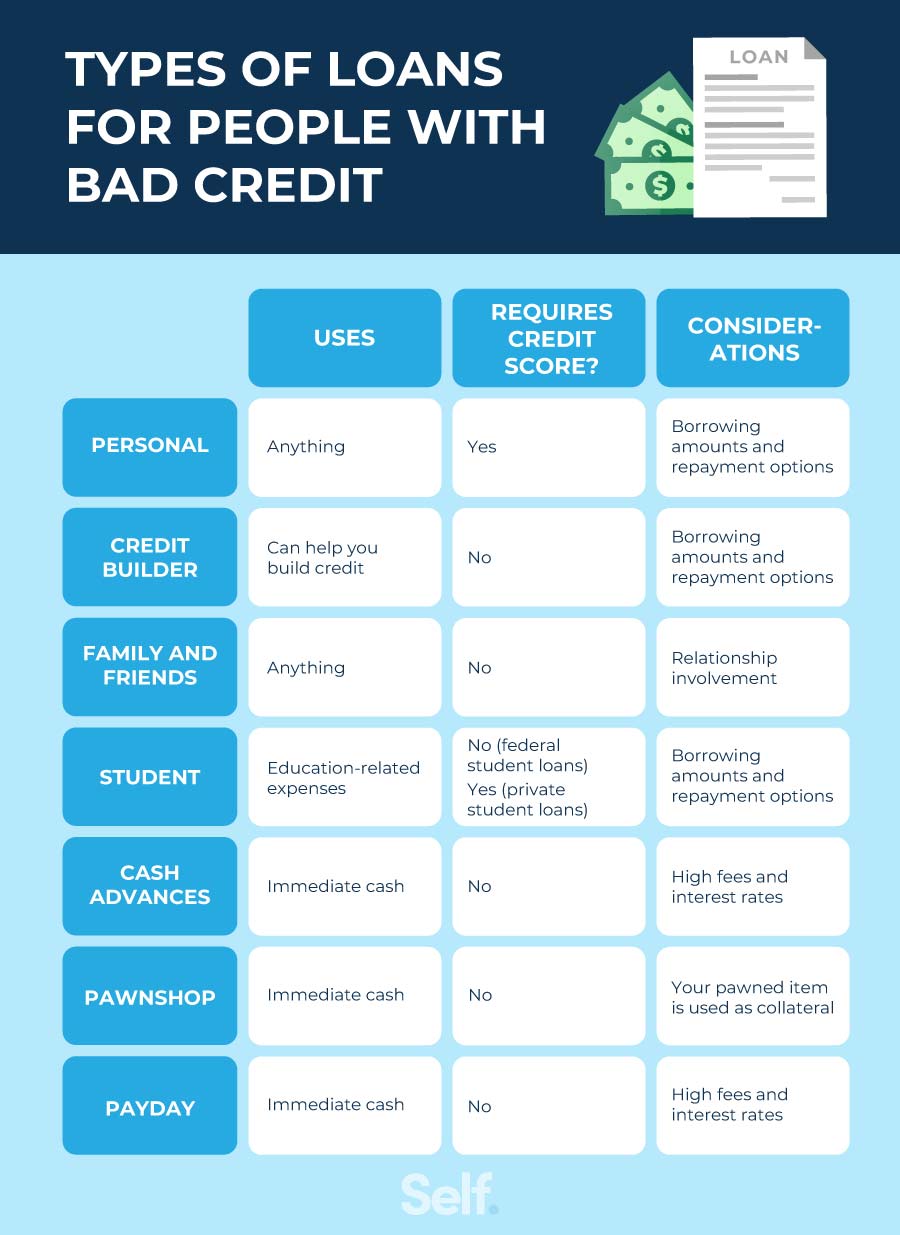
Native American personal loans are installment loans offered by financial institutions owned and operated by federally recognized Native American tribes, or by companies that operate under tribal law. These lenders typically offer short-term, unsecured loans to consumers, often with the specific target audience of those with poor credit histories who may not qualify for conventional bank loans. The allure for bad credit borrowers lies in their less stringent credit checks and rapid funding. However, their unique legal framework allows them to operate outside certain state lending regulations, leading to distinct characteristics and risks.
2. What Makes Native American Tribal Lenders Different?
The fundamental distinction of tribal lenders stems from the concept of tribal sovereignty. Federally recognized Native American tribes are considered sovereign nations, meaning they have the authority to govern themselves and operate under their own laws.
2.1. The Principle of Tribal Sovereignty
This sovereignty extends to financial activities. When a lending entity is tribally owned and operated, it claims immunity from state laws, including those that cap interest rates (usury laws) or dictate licensing requirements. This allows tribal lenders to offer loans with terms and interest rates that might be illegal for state-licensed lenders.
2.2. The Legal and Regulatory Landscape
While tribal lenders are exempt from state usury laws, they are still subject to federal laws, such as the Truth in Lending Act (TILA), which requires transparency in loan terms, and the Electronic Fund Transfer Act (EFTA). However, enforcement and consumer protection can be more complex compared to state-regulated loans, as borrowers often must pursue legal action within tribal court systems, which can be challenging for non-tribal members.
3. The Appeal to Borrowers with Bad Credit
Tribal loans primarily attract borrowers with low credit scores for several compelling reasons:
- Lenient Credit Requirements: Unlike traditional banks that heavily rely on FICO scores, tribal lenders often prioritize a borrower’s income and ability to repay, making them accessible to those with poor or no credit history.
- Quick Approval and Funding: The online application process is streamlined, and approvals can be granted in minutes, with funds often deposited directly into the borrower’s bank account within one to two business days.
- Unsecured Loans: Most tribal loans are unsecured, meaning they don’t require collateral, which is appealing to borrowers who don’t own assets or don’t wish to risk them.
4. Key Characteristics of Tribal Loans
Before considering a tribal loan, it’s essential to understand their typical features:
- High Annual Percentage Rates (APRs): This is the most significant characteristic. APRs on tribal loans can range from 200% to over 1000%, making them significantly more expensive than traditional personal loans or even many payday loans.
- Installment Structure: Unlike single-payment payday loans, tribal loans are usually repaid over several installments, typically ranging from a few months to a year or more.
- Smaller Loan Amounts: Loan amounts usually range from a few hundred to a few thousand dollars, designed to cover short-term financial gaps.
- Fees: Beyond high interest, borrowers may encounter various fees, including origination fees, late payment fees, and insufficient funds (NSF) fees.
5. Advantages of Tribal Loans (in specific, limited circumstances)
While the risks are substantial, there are specific, limited scenarios where a tribal loan might appear advantageous:
- Access to Funds When No Other Options Exist: For individuals with dire financial emergencies and absolutely no other access to credit (e.g., no family/friends, no credit cards, denied by all other lenders), a tribal loan can provide immediate, albeit expensive, relief.
- Speed and Convenience: The online application and fast funding process can be crucial in urgent situations where time is of the essence.
- No Collateral Required: As unsecured loans, they don’t put personal assets at risk.
6. Significant Risks and Disadvantages
It is imperative to understand that the potential downsides of tribal loans far outweigh their advantages for most borrowers.
6.1. Exorbitant Interest Rates and Fees
The primary risk is the extremely high cost. The high APRs mean that a relatively small loan can quickly balloon into a much larger debt, making repayment incredibly difficult.
6.2. The Debt Trap Cycle
Many borrowers find themselves unable to repay the initial loan due to the high costs, leading them to take out another loan to cover the first, or to roll over the existing debt. This creates a vicious cycle of debt that is notoriously difficult to escape.
6.3. Limited Consumer Protections
Because tribal lenders claim sovereign immunity, state consumer protection laws that cap interest rates or regulate lending practices often do not apply. This can leave borrowers with fewer avenues for recourse if disputes arise or if they feel they have been treated unfairly.
6.4. Aggressive Collection Practices
Some tribal lenders may employ aggressive collection tactics, including repeated phone calls, threats of legal action (though actual lawsuits against out-of-state borrowers can be challenging for the lender), and direct withdrawals from bank accounts, often authorized through the loan agreement.
6.5. Impact on Credit Score
While tribal lenders may not perform hard credit checks, many also do not report timely payments to major credit bureaus. This means that even if you manage to repay the loan on time, it typically won’t help improve your credit score. Defaults, however, can be reported to specialized credit reporting agencies, potentially harming your ability to get future loans from alternative lenders.
7. Step-by-Step Guide to Applying for a Tribal Loan Online
If, after careful consideration of the risks, you decide to proceed with exploring a tribal loan, follow these steps with extreme caution:
7.1. Step 1: Research and Choose a Reputable Lender
- Verification: Ensure the lender clearly states its affiliation with a federally recognized Native American tribe. Look for transparency on their website about their tribal ownership. Be wary of "rent-a-tribe" schemes where non-tribal entities attempt to circumvent state laws.
- Reviews and Complaints: Search for independent reviews and check for complaints with organizations like the Better Business Bureau (BBB). Be skeptical of overly positive or negative reviews; look for patterns.
- Transparency: A legitimate lender will be transparent about all fees, interest rates, and terms upfront.
7.2. Step 2: Review Eligibility Requirements
Typical requirements include:
- Being at least 18 years old.
- Having a steady source of income (employment, benefits, etc.).
- Possessing an active checking account for direct deposit and repayment.
- Providing a valid email address and phone number.
7.3. Step 3: Prepare Necessary Documents
Although credit checks are often minimal, you’ll need:
- Government-issued ID (e.g., driver’s license).
- Proof of income (pay stubs, bank statements showing direct deposits).
- Bank account details (account number and routing number).
7.4. Step 4: Complete the Online Application Form
- Navigate to the lender’s website and locate the application form.
- Fill in all required personal information (name, address, contact details), financial details (income, employment), and bank account information accurately.
- Specify the desired loan amount and repayment term.
7.5. Step 5: Review the Loan Offer and Terms (CRITICAL)
- Once submitted, the lender will typically provide an instant decision or a decision within a few hours.
- READ THE ENTIRE LOAN AGREEMENT CAREFULLY. Pay close attention to:
- Annual Percentage Rate (APR): The true cost of the loan.
- Total Repayment Amount: How much you will pay back in total, including principal and interest.
- Repayment Schedule: Exact dates and amounts of each installment.
- Fees: All associated fees (origination, late, NSF, etc.).
- Default Consequences: What happens if you miss a payment.
- Dispute Resolution: How disputes are handled (often through tribal courts or arbitration).
- Do not sign anything you do not fully understand or agree with.
7.6. Step 6: Sign the Loan Agreement
If you understand and agree to all terms, you will typically sign the agreement electronically. This e-signature is legally binding.
7.7. Step 7: Receive Funds
Upon successful signing, the loan amount will be deposited directly into your designated bank account, usually within one to two business days.
7.8. Step 8: Understand Your Repayment Schedule
Most tribal lenders require automatic debits from your bank account on your scheduled payment dates. Ensure you have sufficient funds in your account to avoid overdraft fees from your bank and late fees from the lender. Keep a record of your payments.
8. Essential Considerations Before You Apply
Before taking out a tribal loan, ask yourself these crucial questions:
8.1. Have You Exhausted All Other Alternatives?
This should be your absolute last resort. Explore every other option first (see Section 9).
8.2. Can You Afford the Total Cost?
Calculate the total amount you will repay. Is it truly manageable within your budget without causing further financial strain?
8.3. Do You Understand the Legal Implications?
Are you comfortable with the fact that state consumer protection laws may not apply, and dispute resolution might involve tribal courts or arbitration?
8.4. Is the Lender Truly Reputable?
Ensure the lender is genuinely tribally owned and not a "rent-a-tribe" scheme designed solely to evade state laws. Scammers also exist.
8.5. What is Your Exit Strategy?
How will you ensure this one loan doesn’t lead to a cycle of debt? Have a clear plan for repayment and avoiding future reliance on such loans.
9. Alternatives to Consider Before Tribal Loans
Given the high risks, it is strongly advised to explore these alternatives first:
- Payday Alternative Loans (PALs) from Credit Unions: Federally chartered credit unions offer small loans with much lower interest rates (capped at 28% APR) and more flexible repayment terms than tribal or payday loans.
- Secured Personal Loans: If you have collateral (e.g., a car title, savings), a secured loan can offer better terms.
- Borrow from Friends or Family: While potentially awkward, this is often the cheapest option.
- Non-Profit Credit Counseling: Organizations can help you negotiate with creditors, manage debt, and develop a budget.
- Employer Advances: Some employers offer salary advances or short-term loans.
- Local Charities and Assistance Programs: Many community organizations offer financial aid for essential needs like rent, utilities, or food.
- Negotiate with Creditors: If you’re struggling with existing debt, contact your creditors to discuss payment plans or hardship options.
- Side Hustles/Gig Economy: Look for temporary work to generate quick cash.
10. Conclusion: Proceed with Extreme Caution
Native American personal loans for bad credit online represent a highly specialized and often controversial segment of the lending industry. While they offer accessibility and speed for those with limited options, their exorbitant interest rates and reduced consumer protections pose significant risks, frequently leading borrowers into a debilitating cycle of debt.
This guide is intended to inform, not endorse. If you are considering a tribal loan, understand that it should be viewed as an absolute last resort after exhausting all other, more affordable alternatives. Always prioritize financial literacy, thoroughly read and comprehend all loan terms, and proceed with an extreme level of caution to protect your financial well-being.


