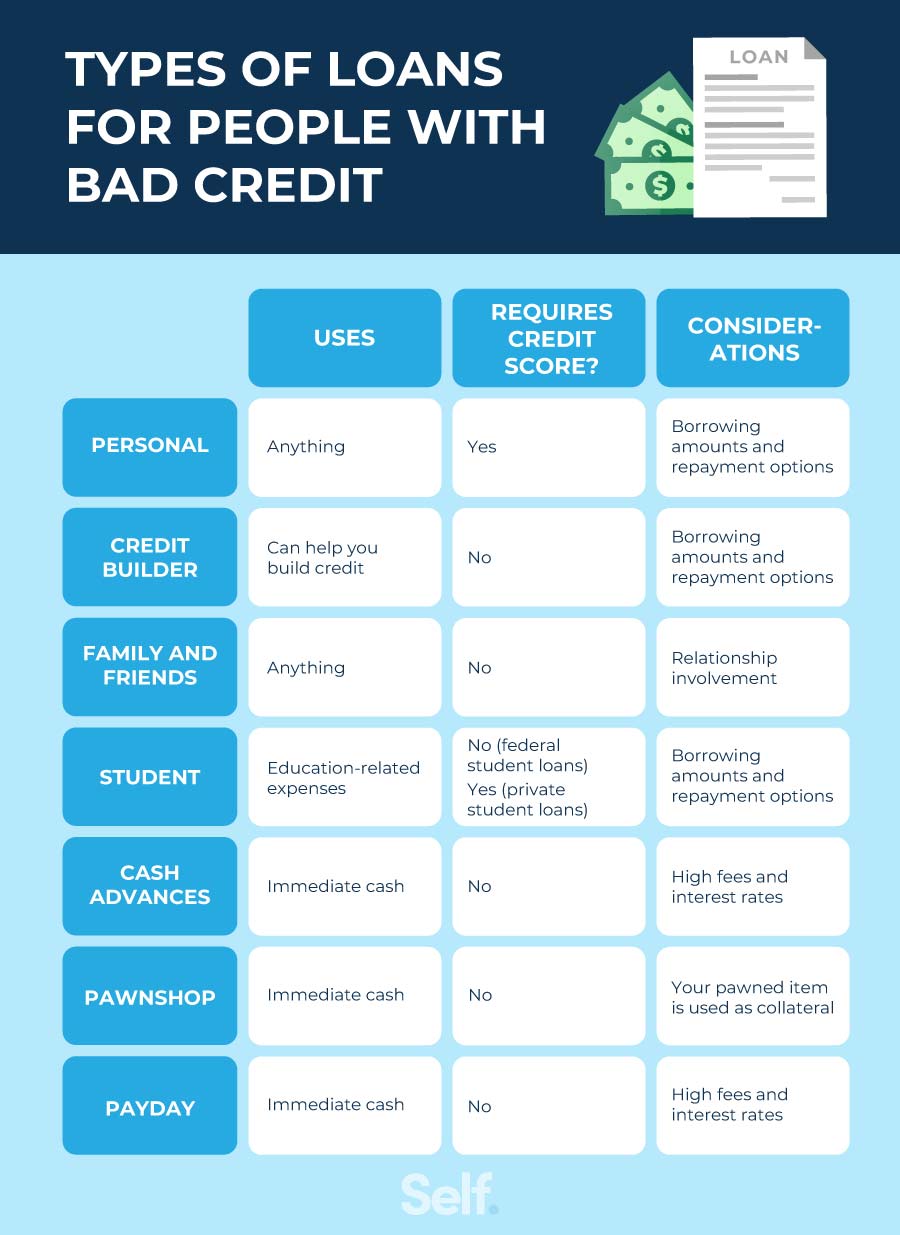
This guide aims to provide a comprehensive and professional understanding of Native American (Tribal) loans, particularly for individuals with bad credit. It will delve into their unique structure, the associated risks and potential benefits, and offer crucial considerations before engaging with such lenders.
Native American Loans for Bad Credit: A Professional Guide to Understanding and Navigating High-Interest Tribal Lending
Introduction: Defining Native American Loans and Their Appeal
Native American or Tribal loans are a specific type of short-term, high-interest loan offered by lending entities owned and operated by Native American tribes. These lenders typically operate under tribal law, which, due to the principle of "sovereign immunity," places them outside the jurisdiction of state laws that regulate interest rates and lending practices for traditional lenders.

For individuals struggling with bad credit, these loans can appear as a lifeline. Mainstream banks and credit unions often deny applications from those with low credit scores, leaving them with limited options when faced with urgent financial needs. Tribal lenders, however, often market themselves as more accessible, with less stringent credit checks, promising quick access to funds. This accessibility, coupled with aggressive marketing, draws in a significant number of subprime borrowers.
Understanding the Unique Legal Framework: Sovereign Immunity Explained
The cornerstone of Native American lending is the concept of sovereign immunity. Federally recognized Native American tribes are considered sovereign nations, distinct from state and federal governments. This means they possess the inherent authority to govern themselves and are generally immune from state laws, including those pertaining to usury (maximum interest rates) and consumer protection regulations that apply to conventional lenders.
- How This Impacts Borrowers: When you borrow from a tribal lender, you are essentially entering into a financial agreement under the jurisdiction of tribal law, not your state’s laws. This has significant implications, primarily limiting your legal recourse if disputes arise. State courts may not have the authority to hear cases against tribal lenders, and arbitration clauses within loan agreements often mandate that any disputes be resolved through tribal courts or a specific arbitration process defined by the lender.
- Regulatory Oversight (or Lack Thereof): While the Consumer Financial Protection Bureau (CFPB) has attempted to assert jurisdiction over tribal lenders, their enforcement powers are often challenged. The result is an environment where tribal lenders can charge significantly higher interest rates and fees than traditional lenders, often exceeding 300% to 700% Annual Percentage Rate (APR), without fear of violating state-level usury caps.
The Mechanics of Tribal Loans
Tribal loans typically come in two main forms:

- Payday Loans: These are very short-term loans, usually due on your next payday. They involve a single lump sum repayment of the principal plus a high fee/interest. If you cannot repay, the loan can be "rolled over" or refinanced, incurring additional fees and trapping borrowers in a cycle of debt.
- Installment Loans: These loans allow for repayment over several months or even a year, with fixed payments. While the repayment period is longer, the APRs remain exceptionally high, meaning a significant portion of early payments goes towards interest rather than the principal. This structure can still lead to substantial debt accumulation.
- Interest Rates and APRs: This is the most critical aspect to understand. Tribal lenders are known for charging exorbitant interest rates. Where state laws might cap APRs at 36% or 48% for conventional lenders, tribal lenders often operate with APRs in the triple or even quadruple digits. A $500 loan could end up costing thousands to repay.
- Repayment Schedules: Loans are typically repaid via automatic withdrawals from your bank account on your designated pay dates. It is crucial to ensure you have sufficient funds to avoid overdraft fees from your bank, which further compound your financial difficulties.
Advantages (Perceived) for Bad Credit Borrowers
While the risks are substantial, there are specific reasons why individuals with bad credit might consider tribal loans:
- Accessibility and Speed: Tribal lenders often have less stringent credit requirements, making them accessible to those with poor credit histories. Applications are typically processed quickly online, with funds often deposited within one business day, which can be crucial in emergencies.
- Less Emphasis on Credit Score: Unlike traditional lenders, tribal lenders often focus more on your income and ability to repay rather than your FICO score.
- Direct Deposit Options: The convenience of receiving funds directly into your bank account is a draw for many seeking immediate financial relief.
Significant Risks and Disadvantages
The perceived advantages are often overshadowed by severe risks that can lead to a deepening debt crisis:
- Exorbitant Interest Rates (The Debt Trap): This is the primary danger. The high APRs mean that the total cost of the loan can be several times the original principal. Borrowers can quickly find themselves in a "debt trap," where they can only afford to pay the interest, continually rolling over the principal and accruing more fees.
- Rollover and Refinancing Cycles: Many tribal lenders encourage or allow borrowers to "roll over" or refinance their loans if they cannot make a payment. Each rollover adds more fees and interest, significantly increasing the total amount owed and extending the repayment period indefinitely.
- Limited Legal Recourse for Borrowers: Due to sovereign immunity, challenging a tribal lender in state court is often difficult or impossible. This leaves borrowers with fewer options if they believe they have been treated unfairly or are subject to predatory practices.
- Aggressive Collection Practices (Potentially): While reputable tribal lenders (often members of organizations like the Online Lenders Alliance – OLA) adhere to federal debt collection laws, the lack of state oversight can sometimes lead to more aggressive or less regulated collection tactics.
- Impact on Credit (Mixed): While some tribal lenders do not report to major credit bureaus, others might. If they do, late payments or defaults can further damage an already poor credit score. Conversely, timely payments might not always help build credit significantly.
- Lack of Transparency: Loan agreements can sometimes be complex, with hidden fees or terms that are difficult for the average borrower to understand fully.
When Might One Consider a Tribal Loan (with extreme caution)?
It is crucial to emphasize that tribal loans should be considered an absolute last resort and only under very specific, dire circumstances where all other, safer options have been exhausted.
- Absolute Last Resort for Emergency Needs: If you face an immediate, unavoidable financial emergency (e.g., critical medical bill, impending eviction, car repair essential for work) and have no other means of obtaining funds.
- Clear Understanding of Terms: You must meticulously read and understand every single clause of the loan agreement, especially the APR, fees, and repayment schedule, before signing.
- Guaranteed Ability to Repay Immediately: You must be absolutely certain that you can repay the entire loan amount plus all interest and fees on the very first due date without rolling it over. If there’s any doubt, do not proceed.
The Application Process (General Steps)
- Researching Lenders: Look for lenders who are transparent about their tribal affiliation and are members of organizations like the Online Lenders Alliance (OLA), which has a code of conduct (though it doesn’t replace state regulations). Read reviews, but be cautious as many online reviews can be misleading.
- Eligibility Requirements: Typically, you’ll need to be at least 18 years old, have a regular income, and an active checking account. Some may require a minimum income level.
- Information Needed: Be prepared to provide personal details (name, address, Social Security number), employment information, and bank account details.
- Reviewing the Loan Agreement (Crucial!): Before signing, carefully read the entire loan agreement. Pay close attention to:
- The Annual Percentage Rate (APR)
- Total finance charges
- Repayment schedule and amounts
- Late payment fees and penalties
- Rollover or refinancing policies
- Dispute resolution and arbitration clauses
- The tribal law under which the loan operates.
- Funding and Repayment: If approved, funds are usually deposited quickly. Repayments will be automatically withdrawn from your account on the agreed-upon dates.
Crucial Considerations Before Applying
- Can You Truly Afford It? Be brutally honest with yourself. Can you repay the entire loan (principal + high interest) on time? If not, you risk falling into a debt cycle.
- Explore All Alternatives First: Before even considering a tribal loan, exhaust every other option available (see next section).
- Read the Fine Print: Do not skim the loan agreement. Understand the total cost, not just the initial principal.
- Understand Your Rights (and their limitations): Be aware that your state’s consumer protection laws likely won’t apply to a tribal lender.
Exploring Safer Alternatives to High-Interest Tribal Loans
Before resorting to a high-interest tribal loan, explore these significantly safer and often more affordable alternatives:
- Secured Loans: If you have an asset (e.g., car title, savings account), you might qualify for a secured loan with a lower interest rate.
- Credit Union Loans: Credit unions are non-profit and often offer more flexible lending terms and lower interest rates to members, even those with less-than-perfect credit.
- Co-signed Loans: If you have a friend or family member with good credit willing to co-sign, you might qualify for a traditional loan with better terms.
- Payday Alternative Loans (PALS): Offered by federal credit unions, PALS are designed as a safer alternative to payday loans, with lower interest rates (capped at 28% APR) and longer repayment terms.
- Non-Profit Credit Counseling: Organizations like the National Foundation for Credit Counseling (NFCC) can help you assess your financial situation, negotiate with creditors, and develop a debt management plan.
- Borrowing from Friends/Family: While it can be awkward, a low-interest or interest-free loan from someone you trust is often the best option for short-term needs.
- Negotiating with Creditors: If you’re behind on bills, contact your creditors directly. Many are willing to work out a payment plan or temporarily defer payments to avoid default.
- Emergency Savings: If possible, start building an emergency fund, even a small one, to cover unexpected expenses.
- Community Assistance Programs: Look into local charities, government programs, or religious organizations that offer financial assistance for specific needs (e.g., utilities, rent, food).
Long-Term Strategy: Improving Your Credit Score
Addressing the root cause of needing high-interest loans is crucial. Improving your credit score opens doors to better financial products and lower interest rates.
- Understand Your Credit Score: Get free copies of your credit report annually from AnnualCreditReport.com. Review it for errors and understand the factors influencing your score.
- Pay Bills on Time: Payment history is the most significant factor. Set up reminders or automatic payments.
- Reduce Debt: Especially revolving debt like credit cards. Aim to keep credit utilization below 30%.
- Avoid New Credit (Initially): Don’t apply for too much new credit at once.
- Consider a Secured Credit Card: These require a deposit but can help you build credit responsibly.
- Become an Authorized User: If a trusted individual with good credit adds you to their credit card, their positive payment history can benefit your score.
Conclusion
Native American (Tribal) loans for individuals with bad credit ratings present a complex and often perilous financial option. While they offer immediate accessibility and less stringent credit checks, these perceived advantages come at an extremely high cost due to exorbitant interest rates and limited consumer protection under state laws.
This guide strongly advises individuals to exercise extreme caution and to exhaust all safer alternatives before considering a tribal loan. The potential to fall into a cycle of crippling debt, with limited legal recourse, is a significant risk. Prioritize exploring credit union loans, PALS, secured loans, and non-profit credit counseling. Simultaneously, focus on long-term strategies to improve your credit score, which is the most sustainable path to financial stability and access to affordable credit. Remember, a quick fix often leads to greater financial distress in the long run.


