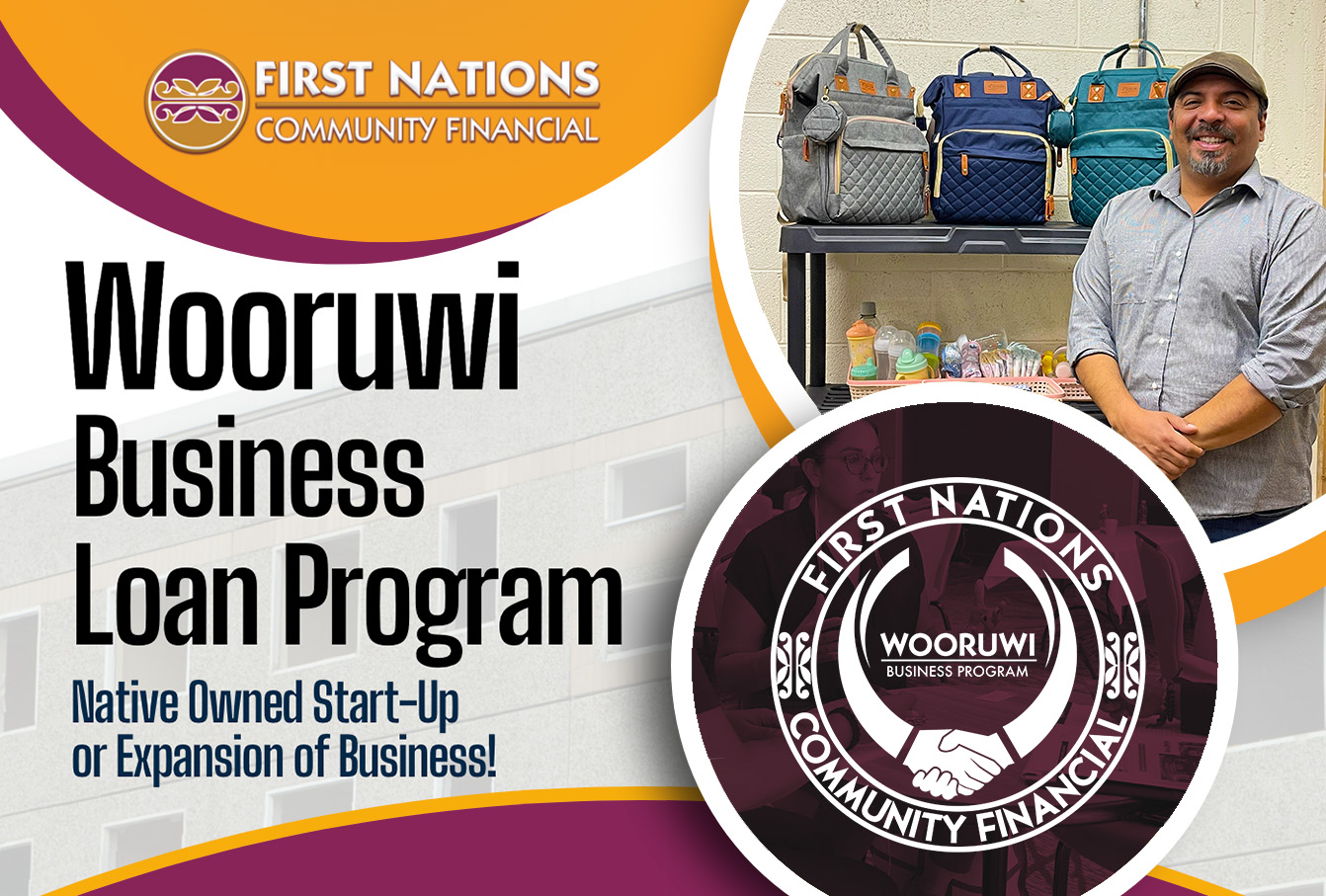
A Comprehensive Guide to Native American Tribal Loans for Urgent Financial Needs
In times of unexpected financial distress, individuals often seek quick and accessible solutions. Native American tribal loans have emerged as one such option, offering short-term financial relief to consumers who may not qualify for traditional bank loans. However, these loans operate under a unique legal framework and come with distinct advantages and disadvantages that prospective borrowers must thoroughly understand.
This comprehensive guide will provide a professional, step-by-step tutorial on understanding, applying for, and managing Native American tribal loans for urgent financial needs, while also highlighting crucial considerations and safer alternatives.
1. Introduction: Understanding Native American Tribal Loans
Native American tribal loans, often referred to simply as "tribal loans," are short-term, high-interest loans offered by financial institutions owned and operated by federally recognized Native American tribes. These lenders operate under tribal law, which is separate from state and federal lending regulations due to the principle of tribal sovereignty. They are typically marketed towards individuals with poor credit histories or those who need immediate access to funds and have been turned down by traditional lenders.

When They Are Considered:
Tribal loans are usually sought for urgent financial needs such as:
- Unexpected medical emergencies
- Urgent car repairs
- Utility shut-off prevention
- Rent or mortgage payment shortfalls
- Other unforeseen expenses that require immediate cash.

It is crucial to understand that while they offer quick access to funds, their unique structure and high costs make them a last-resort option for many.
2. The Unique Legal Framework: Tribal Sovereignty
The most defining characteristic of Native American tribal loans is their legal basis in tribal sovereignty.
What is Tribal Sovereignty?
Federally recognized Native American tribes possess inherent sovereign authority, meaning they have the right to govern themselves and their lands. This includes the power to create and enforce their own laws, including those pertaining to financial services and lending. This sovereignty predates the formation of the United States and has been affirmed by numerous Supreme Court decisions.
Implications for Lending:
Because tribal lenders operate under the laws of their sovereign nation, they are generally exempt from state lending regulations, including interest rate caps, licensing requirements, and certain consumer protection laws that apply to traditional lenders. This means:
- Higher Interest Rates: Tribal lenders can often charge significantly higher Annual Percentage Rates (APRs) than what is permitted by state laws for payday or installment loans.
- Limited State Recourse: If a dispute arises, borrowers may find their legal recourse limited to tribal courts or arbitration, rather than state courts.
- Varying Regulations: Consumer protections and lending practices can vary significantly from one tribal lender to another.
Understanding this legal framework is paramount before considering a tribal loan, as it directly impacts the terms you receive and your rights as a borrower.
3. How Native American Tribal Loans Typically Work
Tribal loans are usually structured as installment loans, meaning they are repaid over a series of scheduled payments rather than a single lump sum like traditional payday loans.
Loan Structure and Terms:
- Loan Amounts: Typically range from a few hundred dollars up to $2,000, though some may offer higher amounts.
- Repayment Period: Often longer than traditional payday loans, ranging from several months to a year or more. This can make individual payments seem more manageable, but the total cost can be significantly higher due to extended interest accrual.
- Payment Schedule: Payments are usually aligned with your paydays (bi-weekly, semi-monthly, or monthly).
Interest Rates and Fees:
This is where tribal loans differ most significantly from traditional lending.
- Extremely High APRs: It is not uncommon for tribal loans to carry APRs in the triple or even quadruple digits (e.g., 300% to over 700%). These rates are substantially higher than those for personal loans from banks or credit unions.
- Origination Fees: Some lenders charge a fee for processing the loan.
- Late Payment Fees: Penalties for missed or late payments can add to the overall cost.
Eligibility Criteria:
Tribal lenders generally have less stringent eligibility requirements compared to traditional banks. Common criteria include:
- Being at least 18 years old
- Having a valid bank account
- Providing proof of a steady income
- Being a U.S. citizen or permanent resident
- No strict credit score requirements (many will lend to those with poor credit)
4. Advantages and Disadvantages of Tribal Loans
Weighing the pros and cons is essential for making an informed decision.
Advantages:
- Accessibility: Easier to qualify for, especially for individuals with bad credit or no credit history.
- Speed of Funding: Funds can often be deposited into your bank account within one business day, making them suitable for urgent needs.
- Less Stringent Credit Checks: Many tribal lenders use alternative credit scoring models or focus more on income stability rather than traditional credit scores.
- Installment Payments: Repayment over time can feel more manageable than a single lump-sum payday loan.
Disadvantages:
- Extremely High APRs: The most significant drawback. The cost of borrowing can be astronomical, leading to a much larger total repayment than the initial loan amount.
- Risk of Debt Cycles: Due to high costs, many borrowers struggle to repay the loan on time, leading to rollovers, extensions, or taking out new loans, trapping them in a cycle of debt.
- Short Repayment Periods (Relative to Cost): While longer than payday loans, they are still relatively short for the high interest rates charged, making timely repayment challenging.
- Limited Legal Recourse: As discussed, state consumer protection laws may not apply, potentially leaving borrowers with fewer options if disputes arise or predatory practices are encountered.
- Lack of Transparency: Some tribal lenders may not be fully transparent about all fees and terms, or their customer service may be difficult to reach.
5. Step-by-Step Guide to Applying for a Tribal Loan
If, after careful consideration, you decide a tribal loan is your only viable option, follow these steps meticulously.
Step 1: Research Reputable Lenders
- Identify Legitimate Tribal Lenders: Not all lenders claiming tribal affiliation are legitimate or operate ethically. Look for lenders with clear contact information, a professional website, and a stated connection to a federally recognized tribe.
- Check Reviews and Affiliations: Search for independent reviews (e.g., on Trustpilot, BBB, Google Reviews) and check if they are part of any tribal lending associations, though these do not guarantee ethical practices. Be wary of lenders with numerous complaints about hidden fees or aggressive collection tactics.
Step 2: Understand the Terms and Conditions Thoroughly
- APR, Fees, Repayment Schedule: Before applying, carefully read and understand the loan agreement. Pay close attention to the Annual Percentage Rate (APR), all associated fees (origination, late payment), and the exact repayment schedule.
- Fine Print and Hidden Clauses: Look for clauses about arbitration, jurisdiction (which court handles disputes), and any penalties for early repayment or non-payment. Do not hesitate to ask questions.
Step 3: Gather Required Documentation
Prepare the necessary documents to expedite the application process:
- Proof of Income: Pay stubs, bank statements, or other income verification.
- Identification: Government-issued ID (driver’s license, passport).
- Bank Account Details: Routing and account number for direct deposit and automatic withdrawals.
- Contact Information: Phone number and email address.
Step 4: Complete the Online Application
- Accuracy is Key: Fill out the online application form accurately and completely. Inaccurate information can lead to delays or rejection.
- Be Honest: Provide truthful information about your income and financial situation.
Step 5: Review the Loan Agreement (Again)
- Do Not Rush: Once approved, you will receive a final loan agreement. Read every single line before signing. This is your last chance to understand exactly what you’re agreeing to.
- Seek Independent Advice (if possible): If you have any doubts or find the language confusing, consider seeking advice from a trusted financial advisor or legal professional, even for a brief consultation.
Step 6: Receive Funds and Plan Repayment
- Immediate Use: Upon signing, funds are typically deposited into your bank account within 1-2 business days. Use these funds only for the urgent need they were intended for.
- Budgeting for Repayment: Immediately integrate the loan payments into your budget. Set reminders for payment due dates and ensure you have sufficient funds in your account to avoid late fees or bounced payments, which can further damage your financial standing.
6. Managing Repayment and Avoiding Debt Traps
Responsible repayment is critical to avoid falling into a debt cycle.
- Prioritize Repayment: Make every effort to pay off the loan as quickly as possible. Every extra payment you make reduces the total interest paid.
- Communicate with Your Lender: If you anticipate difficulty making a payment, contact the lender immediately. Some may offer extensions or alternative payment arrangements, though these often come with additional fees.
- Avoid Rolling Over Loans: Resist the temptation to "roll over" the loan (paying only the interest and extending the principal). This significantly increases the total cost and keeps you in debt longer.
- Automate Payments: If possible, set up automatic payments from your bank account to ensure you don’t miss due dates.
7. Crucial Considerations and Warnings
- The "Last Resort" Principle: Tribal loans should genuinely be a last resort. Exhaust all other, safer options first.
- Understanding the True Cost of Borrowing: Always calculate the total amount you will repay (principal + interest + fees) and compare it to the original loan amount. The difference is the true cost of convenience.
- Potential for Predatory Practices: Due to the lack of stringent state oversight, some tribal lenders may engage in practices that could be considered predatory, such as aggressive collection tactics or non-transparent terms.
- Impact on Credit: While some tribal lenders do not report to major credit bureaus, others might, meaning a default could negatively impact your credit score.
8. Exploring Safer Alternatives Before Tribal Loans
Before resorting to a tribal loan, thoroughly explore these generally safer and more affordable alternatives:
- Personal Loans from Traditional Banks/Credit Unions: If you have decent credit, these offer significantly lower interest rates and longer repayment terms.
- Credit Card Cash Advances (with caution): While high-interest, they are often still less expensive than tribal loans, especially if repaid quickly. Understand the fees and interest rates involved.
- Payday Alternative Loans (PALs) from Credit Unions: Federally chartered credit unions offer small-dollar loans (up to $2,000) with much lower APRs (capped at 28%) and longer repayment terms than traditional payday loans. You usually need to be a member for a certain period.
- Borrowing from Friends or Family: While potentially awkward, this can be an interest-free or low-interest solution for short-term needs.
- Community Assistance Programs: Local charities, non-profits, or government programs may offer financial aid for specific urgent needs (e.g., utility bills, food, housing).
- Negotiating with Creditors: If you’re struggling to pay a bill, contact the creditor directly. They may be willing to offer an extension, a payment plan, or temporary hardship relief.
- Side Gigs or Selling Assets: Consider temporary part-time work, freelancing, or selling unneeded items to generate quick cash.
9. Conclusion
Native American tribal loans can provide quick access to funds for urgent financial needs, especially for those with limited traditional lending options. However, their operation under tribal sovereignty leads to significantly higher costs and fewer consumer protections compared to state-regulated loans.
It is paramount for any prospective borrower to conduct thorough research, meticulously understand all terms and conditions, and exhaust all safer alternatives before considering a tribal loan. If you do proceed, prioritize rapid repayment and manage your loan responsibly to avoid falling into a potentially crippling debt cycle. Always remember that responsible borrowing involves a deep understanding of the financial commitment and a clear plan for repayment.


