This comprehensive guide is designed to provide Native American entrepreneurs with a professional, step-by-step roadmap to navigate the landscape of small business startup loans and funding opportunities. Launching a new business is a challenging yet rewarding endeavor, and understanding the unique resources available can significantly enhance your chances of success.
Native American Loans for Small Business Startup: A Professional Guide
Introduction: Empowering Native Entrepreneurship
The spirit of entrepreneurship is a powerful engine for economic development and self-determination within Native American communities. Small businesses are not merely sources of income; they are vital for job creation, cultural preservation, and building sustainable futures on and off tribal lands. While the path to securing startup capital can be daunting for any aspiring business owner, Native American entrepreneurs often have access to specific programs and resources designed to address unique historical and systemic challenges.

This guide will walk you through the essential steps, from conceptualization to application and beyond, offering insights into the specialized funding avenues available to Native Americans seeking to launch their small businesses. Our aim is to demystify the process, empower you with knowledge, and equip you to pursue your entrepreneurial dreams with confidence.
Understanding the Landscape: Unique Funding Avenues
Before diving into the application process, it’s crucial to understand why specific funding programs exist for Native American entrepreneurs and what forms they typically take. These programs are often rooted in federal trust responsibilities, tribal sovereignty, and a recognition of the need for targeted economic development.
Key Characteristics:
- Targeted Support: Programs are specifically designed for individuals of Native American heritage or businesses owned by Native Americans.
- Capacity Building: Many initiatives include technical assistance, mentorship, and training alongside financial aid.
- Diverse Sources: Funding can come from federal agencies, tribal governments, non-profit organizations, and specialized financial institutions.
Types of Funding:
- Loans: Repayable funds, often with favorable terms (lower interest rates, flexible repayment, guarantee programs).
- Grants: Non-repayable funds, typically highly competitive and tied to specific project goals or community benefits.
- Loan Guarantees: Federal or tribal guarantees that reduce risk for conventional lenders, making it easier for Native entrepreneurs to secure loans.
- Technical Assistance: Non-financial support, including business planning, marketing, financial management, and legal advice.
Step 1: Laying the Foundation – Self-Assessment & Business Plan Development
Every successful business begins with a solid plan. This foundational step is critical for securing any form of financing, especially for a startup.
1.1 Validate Your Business Idea
- Market Research: Identify your target market, understand their needs, and analyze your competition. What problem does your business solve? What makes it unique?
- Feasibility Study: Assess the practical viability of your idea. Do you have the necessary resources, skills, and time?
- Personal Assessment: Evaluate your own strengths, weaknesses, and commitment. Are you ready for the demands of entrepreneurship?
1.2 Develop a Comprehensive Business Plan
This document is your business’s blueprint and the cornerstone of any loan or grant application. It should be meticulously prepared and include:
- Executive Summary: A concise overview of your entire plan.
- Company Description: Your mission, vision, legal structure (sole proprietorship, LLC, etc.), and location.
- Products & Services: Detailed description of what you offer and its unique value proposition.
- Market Analysis: In-depth research on your industry, target customers, market size, and competitive landscape.
- Marketing & Sales Strategy: How you will reach customers and sell your products/services.
- Management Team: Your team’s experience, expertise, and roles.
- Operational Plan: How your business will function day-to-day (production, supply chain, facilities).
- Financial Projections: Crucial for startups. Include detailed startup costs, revenue projections (3-5 years), profit and loss statements, cash flow projections, and a break-even analysis. Be realistic and well-supported.
- Funding Request: Clearly state how much funding you need and precisely how you will use it.
Step 2: Identifying Specific Funding Opportunities
Once your business plan is solid, you can research the most suitable funding sources. Focus on programs designed for Native American entrepreneurs.
2.1 Federal Programs
- U.S. Small Business Administration (SBA):
- SBA 8(a) Business Development Program: While primarily for established businesses, it can be valuable for startups with a clear growth path. It helps socially and economically disadvantaged businesses compete in the federal marketplace. Requires 51% Native American ownership and control.
- SBA Indian Loan Guarantee Program (ILGP): Reduces the risk for lenders by guaranteeing a percentage of loans made to Native American-owned businesses (on and off tribal lands). This makes it easier to secure conventional loans.
- General SBA Loan Programs (e.g., 7(a), Microloan): Native American entrepreneurs are eligible for all standard SBA loan programs. These are often facilitated by banks and credit unions, with the SBA guaranteeing a portion of the loan.
- SBA Resource Partners: Utilize Small Business Development Centers (SBDCs), SCORE mentors, and Women’s Business Centers (WBCs) for free guidance and application assistance.
- Bureau of Indian Affairs (BIA):
- Indian Business Development Program (IBDP): Provides grants for feasibility studies, business plans, and direct financial assistance for startup and expansion costs. This is a highly competitive grant program.
- U.S. Department of Agriculture (USDA) Rural Development:
- Offers various loan and grant programs for businesses in rural areas, many of which overlap with tribal lands. Look for programs like the Rural Business Development Grant (RBDG).
2.2 Native Community Development Financial Institutions (CDFIs)
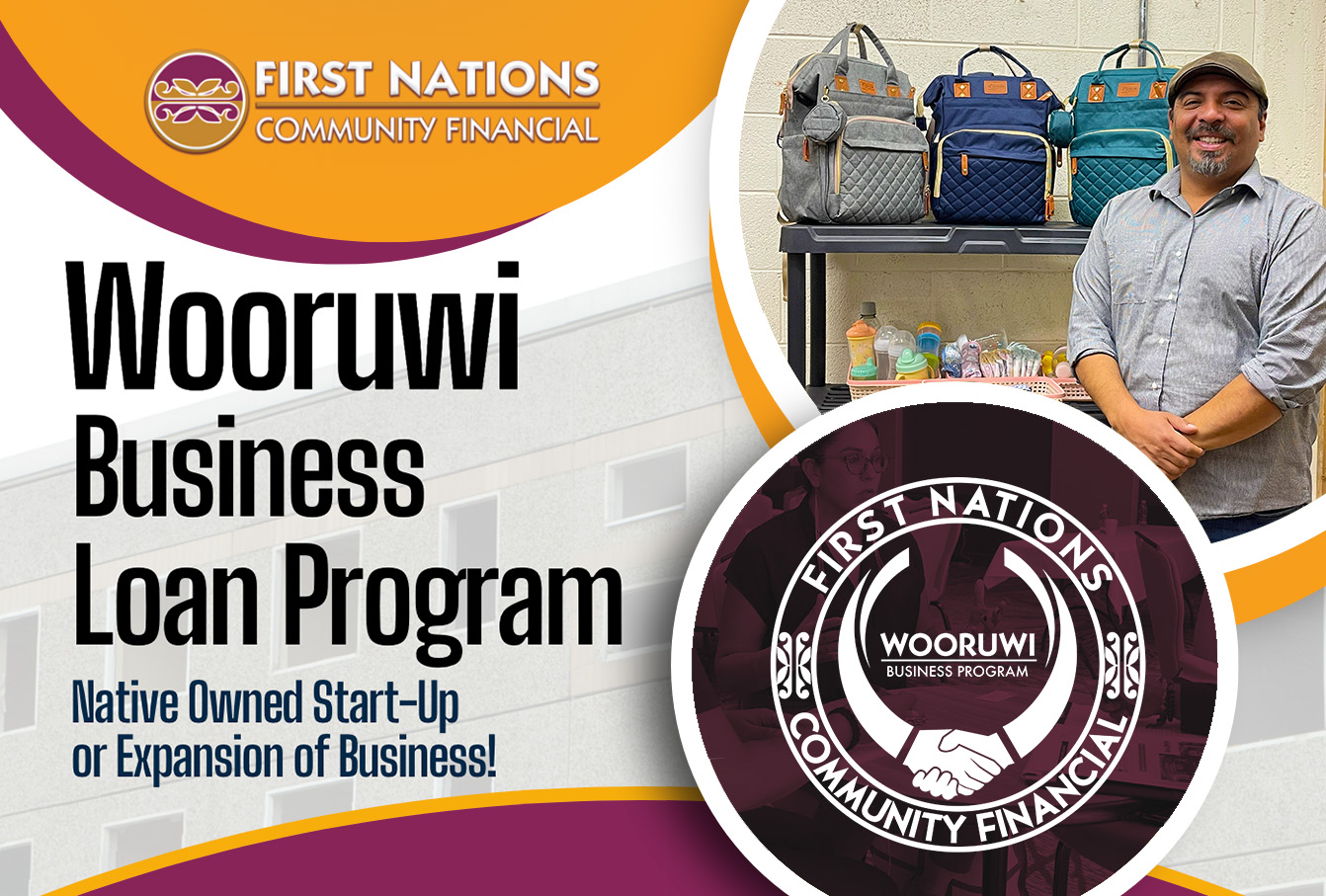
- Native CDFIs: These are mission-driven financial institutions that provide capital and financial services to Native communities. They often offer flexible loans tailored to the unique needs of Native entrepreneurs, along with crucial technical assistance.
- Examples: Oweesta Corporation (supports other Native CDFIs), First Nations Oweesta Corp, Lakota Funds, Four Bands Community Fund. Research CDFIs serving your specific region or tribal nation.
- Native American Development Bank (NADB): Focuses on providing access to capital and technical assistance to Native American businesses and tribal enterprises.
2.3 Tribal Government & Enterprise Programs
- Many tribal nations operate their own economic development offices, loan funds, or grant programs for their enrolled members.
- Tribal Revolving Loan Funds: These funds offer direct loans to tribal members for business startups.
- Economic Development Corporations (EDCs): Tribal EDCs often have programs to support member-owned businesses.
- Check with your specific tribal government’s economic development department.
2.4 Private Foundations & Non-Profits
- Numerous private foundations and non-profit organizations offer grants or low-interest loans specifically for Native American-owned businesses or businesses that benefit Native communities. Research organizations like the First Nations Development Institute.
Step 3: Understanding Eligibility and Requirements
Eligibility varies significantly between programs. Carefully review the requirements for each potential funding source.
3.1 General Eligibility (Common Across Programs)
- Native American Status: Proof of tribal enrollment (Certificate of Degree of Indian Blood – CDIB, or tribal ID). Some programs may have specific blood quantum requirements, though federal programs often focus on recognized tribal membership.
- Business Ownership/Control: Typically requires 51% or more Native American ownership and active management for many targeted programs (e.g., SBA 8(a)).
- Business Plan: As discussed in Step 1, a robust plan is universal.
- Financial Health: While startups have no existing business financials, your personal credit history and assets will be scrutinized. Lenders want to see a responsible financial background.
- Location: Some programs are restricted to businesses operating on tribal lands or in specific rural areas.
3.2 Program-Specific Requirements
- SBA ILGP: Businesses must be at least 51% owned by an individual(s) who is a member of a federally recognized tribe or a group recognized by the BIA.
- BIA IBDP: Often requires a matching contribution from the applicant or other sources. Focuses on businesses that benefit the economic development of tribal communities.
- Native CDFIs: May have more flexible credit requirements but will still assess your ability to repay. They often prioritize businesses that create jobs or offer essential services within their communities.
- Tribal Programs: Will require proof of enrollment with that specific tribe.
Step 4: Preparing Your Application Package
A complete and compelling application is paramount. Treat it as your opportunity to sell your vision and demonstrate your readiness.
4.1 Essential Documents
- Completed Application Form: Follow all instructions precisely.
- Comprehensive Business Plan: The updated version, incorporating feedback and detailed financials.
- Personal Financial Statement: (For loans) Details your assets, liabilities, and net worth.
- Personal Credit Report: Lenders will pull this, but it’s good to know your score beforehand.
- Proof of Native American Status: Tribal enrollment verification, CDIB, etc.
- Resumes/CVs: For all key management personnel, highlighting relevant experience.
- Legal Documents:
- Business registration (LLC, corporation, etc.)
- Employer Identification Number (EIN)
- Licenses and permits required for your industry/location
- Lease agreement or property ownership documents (if applicable)
- Tribal resolutions supporting your business (if on tribal land or required by tribal programs).
- Letters of Recommendation: From mentors, community leaders, or business advisors (especially for grants).
- Collateral: For secured loans, documentation of assets offered as collateral.
4.2 The Narrative/Personal Statement
This is your chance to tell your story. Explain your passion, your connection to your community, and how your business will contribute to its economic and social well-being. This is particularly important for grant applications and Native CDFIs.
Step 5: Seeking Technical Assistance and Mentorship
Don’t go it alone. Leveraging available support can significantly strengthen your application and your business.
5.1 Utilize SBA Resource Partners
- SCORE: Free mentorship from experienced business professionals.
- Small Business Development Centers (SBDCs): Offer free or low-cost counseling, training, and resources. They can help review your business plan and financial projections.
- Women’s Business Centers (WBCs): Provide a full range of services for women entrepreneurs.
5.2 Engage with Native-Specific Resources
- Native American Business Centers: Some regions have centers specifically dedicated to supporting Native American entrepreneurs.
- Tribal Economic Development Offices: Your tribal government’s office can provide invaluable local knowledge, connections, and potentially direct support.
- Native CDFIs: Beyond funding, many offer extensive technical assistance, financial literacy training, and mentorship programs.
5.3 Find a Mentor
A seasoned entrepreneur or business professional can offer guidance, insights, and a critical eye, helping you avoid common startup pitfalls.
Step 6: Application Submission and Follow-up
Once your package is complete and reviewed, it’s time to submit.
6.1 Review and Submit
- Double-Check: Ensure every field is filled out accurately, all required documents are attached, and there are no typos or errors.
- Adhere to Deadlines: Missing a deadline can result in immediate disqualification.
- Submit Professionally: Whether online or in print, ensure your submission is neat, organized, and easy to review.
6.2 Be Prepared for Follow-up
- Lenders or grant administrators may request additional information, clarifications, or an interview.
- Respond Promptly and Professionally: Show your enthusiasm and commitment.
- Persistence: The funding process can be lengthy. Don’t get discouraged by initial rejections; use feedback to refine your plan and reapply.
Step 7: Post-Funding Responsibilities and Growth
Securing funding is a milestone, not the finish line. Responsible management is key to long-term success.
7.1 Utilize Funds Wisely
- Stick to the budget outlined in your business plan.
- Track all expenses meticulously.
- Avoid unnecessary spending or diversions of funds.
7.2 Fulfill Loan/Grant Obligations
- Loan Repayment: Make all loan payments on time to build a strong credit history for your business.
- Reporting: Grants often require detailed reports on how funds were used and the progress made towards project goals. Maintain excellent records.
7.3 Continuous Learning and Adaptation
- The business landscape is constantly evolving. Continue to learn, adapt, and seek advice.
- Maintain relationships with your lenders, mentors, and community resources.
- Plan for future growth and potential additional funding rounds.
Challenges and Considerations
While resources exist, Native American entrepreneurs may still face specific challenges:
- Access to Capital: Despite targeted programs, capital can still be scarce in some regions.
- Bureaucracy: Navigating federal and tribal regulations can be complex.
- Geographic Isolation: Businesses in remote tribal areas may face unique logistical and market access challenges.
- Building Credit: Startups often lack business credit history, making personal credit crucial.
Conclusion: Building a Prosperous Future
Launching a small business as a Native American entrepreneur is a powerful act of self-determination and community building. While the journey to secure startup funding requires diligence, strategic planning, and persistence, the wealth of specialized resources and support networks available can significantly smooth your path. By meticulously developing your business plan, thoroughly researching funding opportunities, and actively seeking technical assistance, you can unlock the capital needed to transform your entrepreneurial vision into a thriving reality, contributing to the economic vitality and cultural richness of Native American nations for generations to come.
Start today. Your business journey awaits.


