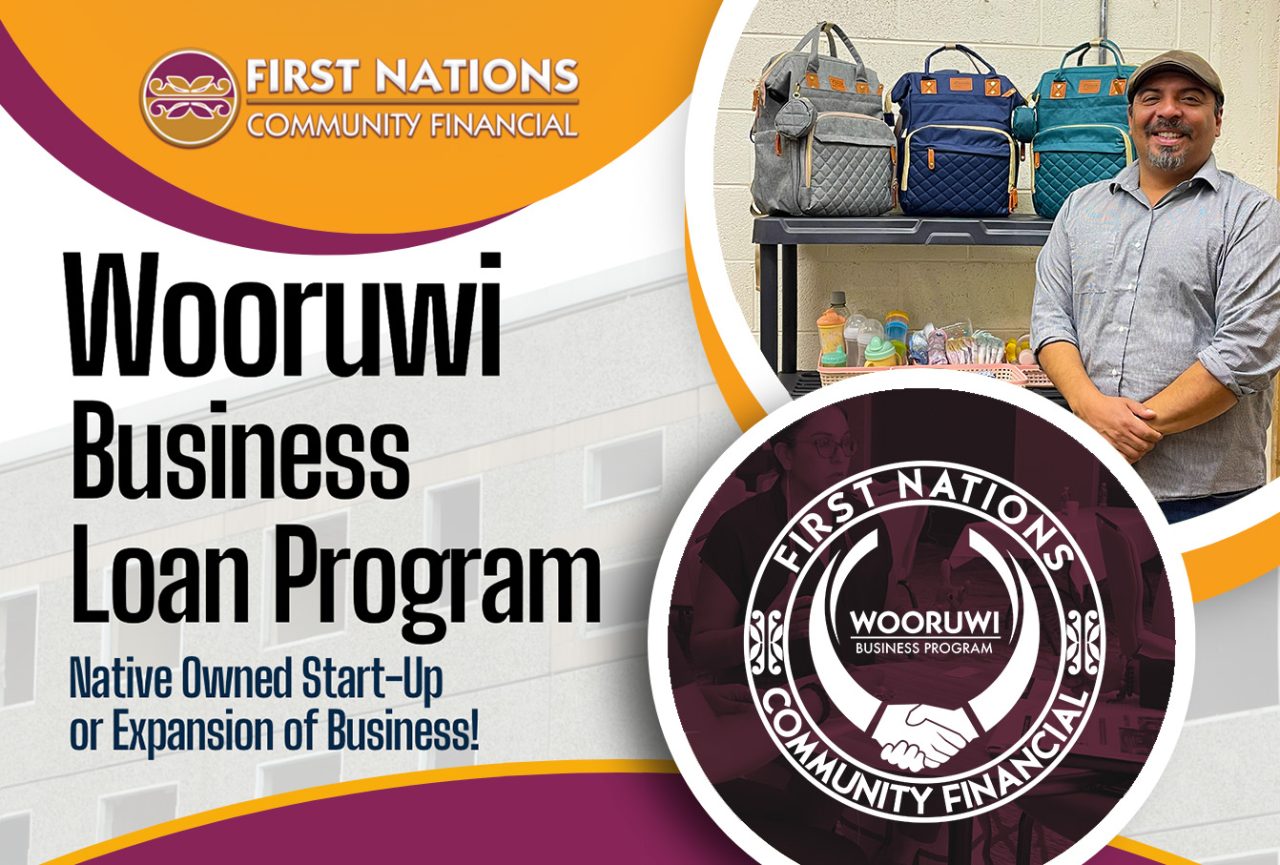
Navigating the landscape of short-term loans can be challenging, especially when considering options like Native American tribal loans. These loans, offered by financial institutions owned and operated by Native American tribes, operate under unique legal frameworks due to tribal sovereignty. While they can provide a vital financial lifeline for individuals with limited access to traditional credit, the sector is also unfortunately prone to predatory practices by illegitimate lenders.
This comprehensive guide will walk you through the essential steps to identify and engage with legitimate Native American loan companies, ensuring you make an informed and safe financial decision.
Understanding Native American Tribal Loans: The Basics
Before diving into how to find legitimate lenders, it’s crucial to understand what tribal loans are and how they operate.

What Are Tribal Loans?
Tribal loans are a type of installment loan offered by lending entities that are financially owned and operated by a federally recognized Native American tribe. They are typically short-term, small-dollar loans designed for individuals who might not qualify for traditional bank loans due to poor credit scores or other financial limitations.
The Principle of Tribal Sovereignty
The defining characteristic of tribal loans is their basis in tribal sovereignty. Federally recognized Native American tribes are considered sovereign nations. This means they are largely exempt from state laws, including state-specific lending regulations (like interest rate caps). They operate under their own tribal laws, as well as applicable federal laws. This sovereignty is the very reason tribal lenders can offer loans in states where conventional payday or installment loans might be restricted.
Why Do They Exist?
Tribal lending operations serve multiple purposes for tribes, including:
- Economic Development: Generating revenue for the tribe to fund essential government services, infrastructure, education, and healthcare for their members.
- Financial Inclusion: Providing access to credit for underserved populations who are often excluded by mainstream financial institutions.

Potential Benefits and Risks
- Benefits:
- Access to funds for those with bad credit.
- Potentially faster approval and funding than traditional loans.
- No hard credit checks (though some form of underwriting is common).
- Risks:
- Very High APRs: Due to the risk involved and the lack of state interest rate caps, APRs can be extremely high, making them expensive.
- Debt Cycle: Without careful management, high-interest loans can lead to a cycle of debt.
- Limited State Consumer Protection: While federal laws apply, state-specific consumer protection laws may not.
Step-by-Step Guide: How To Find Legitimate Native American Loan Companies
Finding a legitimate tribal lender requires diligence and a clear understanding of what to look for. Follow these steps carefully:
Step 1: Educate Yourself on Relevant Federal and Tribal Laws
While state laws often don’t apply to tribal lenders, federal laws do. Legitimate tribal lenders must comply with:
- Truth in Lending Act (TILA): Requires lenders to disclose the true cost of credit, including the Annual Percentage Rate (APR) and all fees.
- Equal Credit Opportunity Act (ECOA): Prohibits discrimination in lending.
- Fair Credit Reporting Act (FCRA): Governs how credit information is collected and used.
- Electronic Fund Transfer Act (EFTA): Protects consumers making electronic payments.
- Consumer Financial Protection Bureau (CFPB) regulations: The CFPB has oversight over certain aspects of the lending industry, including tribal lenders.
What to look for: A legitimate lender’s website should clearly state their adherence to these federal laws. Understand that their primary regulatory body will be their tribal government and its specific lending ordinances.
Step 2: Start Your Search with Reputable Directories and Associations
Don’t just Google "tribal loans" and click the first link. Begin with trusted sources:
- Native American Financial Services Association (NAFSA): NAFSA is a leading trade association for tribal sovereign lenders. Their website (www.nafsa.org) typically lists member tribes and their lending entities. Membership in NAFSA is a strong indicator of legitimacy, as members commit to a code of conduct and best practices.
- Tribal Lending Enterprise (TLE) Registries: Some tribes maintain public registries of their lending enterprises. While not always easily accessible to the public, checking a tribe’s official government website might yield results.
What to look for: Prioritize lenders listed on NAFSA or other verified tribal associations.
Step 3: Verify the Lender’s Tribal Affiliation
This is the most critical step. A legitimate Native American loan company will proudly and clearly state its tribal ownership and affiliation.
- Website Information: Look for explicit statements on their "About Us" page, "Legal" page, or in their terms and conditions, such as:
- "This company is an economic arm and instrumentality of the , a federally recognized sovereign Native American nation."
- "Operated under the laws of the ."
- Contact Information: Legitimate lenders will provide clear contact information, including a physical address (which should correspond to tribal lands or a tribal office) and a customer service number.
- Cross-Reference: If the lender names a tribe, do a quick search to ensure that tribe is a federally recognized sovereign nation. The Bureau of Indian Affairs (BIA) publishes a list of federally recognized tribes.
What to look for: Any ambiguity or lack of clear tribal affiliation is a major red flag. If they don’t explicitly state their tribal ownership and the specific tribe, move on.
Step 4: Scrutinize Transparency and Read All Terms & Conditions Carefully
Transparency is a hallmark of legitimate lending.
- Clear Disclosure of APR and Fees: The lender must clearly disclose the Annual Percentage Rate (APR), all fees, and the total cost of the loan before you commit. This information should be readily available on their website and in the loan agreement. Pay close attention to origination fees, late payment fees, and any other charges.
- Repayment Schedule: Understand the exact repayment schedule, including the number of payments, payment amounts, and due dates.
- Prepayment Penalties: Check if there are any penalties for paying off the loan early. Legitimate lenders often don’t have these, but it’s important to verify.
- Governing Law: The loan agreement should explicitly state that it is governed by the laws of the specific Native American tribe.
- Arbitration Clauses: Many tribal loan agreements include arbitration clauses, meaning disputes will be resolved through arbitration rather than traditional court systems. Understand what this entails.
What to look for: Vagueness, hidden fees, or a reluctance to provide full disclosure are major warning signs. If anything is unclear, ask for clarification. If they can’t or won’t provide it, walk away.
Step 5: Research Online Reviews and Reputation
While online reviews should be taken with a grain of salt, they can offer valuable insights.
- Better Business Bureau (BBB): Check the lender’s rating and read customer complaints and resolutions. Keep in mind that high APRs are a common complaint for all short-term lenders, so distinguish between complaints about cost (inherent to tribal loans) and complaints about fraudulent or predatory practices.
- Consumer Financial Protection Bureau (CFPB) Complaint Database: Search for the lender’s name in the CFPB’s public database to see if there have been any official complaints and how they were handled.
- Independent Review Sites (e.g., Trustpilot, Google Reviews): Look for patterns in reviews. Are there consistent complaints about aggressive collections, undisclosed fees, or difficulty contacting customer service? Conversely, look for positive trends regarding transparency, customer support, and ease of application.
What to look for: A consistent pattern of complaints about predatory behavior (not just high interest rates), lack of communication, or unethical practices.
Step 6: Understand Their Dispute Resolution Process
A legitimate tribal lender will have a clear process for handling customer complaints and disputes.
- Tribal Judicial System: Often, this will involve their tribal court system or a tribal regulatory body. While this might seem unfamiliar, it’s a legitimate pathway for dispute resolution under tribal sovereignty.
- Customer Service: They should have a responsive customer service department dedicated to addressing issues.
What to look for: Lenders with no clear dispute resolution process or those that are unresponsive to complaints should be avoided.
Step 7: Be Wary of "Guaranteed Approval" or "No Credit Check" Claims (with caveats)
While many tribal lenders cater to those with bad credit, "guaranteed approval" is almost always a red flag. Legitimate lenders will still conduct some form of underwriting to assess your ability to repay, even if it’s not a traditional FICO score check. This might involve verifying income, employment, and banking history.
What to look for: A lender that promises approval regardless of any financial information is likely a scam. They might be trying to trick you into providing personal information or upfront fees.
Identifying Red Flags and Avoiding Scams
Beyond the steps above, be vigilant for these common warning signs of illegitimate lenders:
- Lack of Tribal Affiliation: As mentioned, if they don’t explicitly state their tribal ownership, they are likely not legitimate tribal lenders.
- Unsolicited Offers: Be cautious of emails or phone calls offering loans out of the blue, especially if they pressure you to act quickly.
- Requests for Upfront Fees: Legitimate lenders never ask for an upfront fee, "processing fee," or "insurance" before disbursing the loan.
- Requests for Gift Cards or Wire Transfers: Never pay for a loan using gift cards, prepaid debit cards, or wire transfers. These are untraceable and a sure sign of a scam.
- Aggressive or Harassing Communication: Scam lenders often use high-pressure tactics, threats, or harassment to coerce you into applying or paying.
- Generic or Unprofessional Website: Look for poorly designed websites, grammatical errors, or generic stock photos.
- No Physical Address or Contact Information: A legitimate business will have a verifiable physical address and multiple ways to contact them.
- Demanding Bank Account Access for "Verification": While lenders need your bank details for direct deposit, be cautious if they demand full access or login credentials to your bank account.
Alternatives to Consider
Before taking out a tribal loan, explore other options that might offer lower costs:
- Payday Alternative Loans (PALs) from Credit Unions: Federally chartered credit unions offer small-dollar loans with much lower interest rates (capped at 28% APR) and longer repayment terms than traditional payday loans.
- Personal Loans from Banks or Credit Unions: If your credit score has improved, or if you have a strong relationship with a local institution, you might qualify for a traditional personal loan.
- Community Development Financial Institutions (CDFIs): These are financial organizations that provide affordable financial services to underserved communities.
- Non-Profit Credit Counseling: A credit counselor can help you explore options, create a budget, and negotiate with creditors.
- Borrowing from Friends or Family: While sensitive, this can be a zero-interest option for emergencies.
- Advance from Employer: Some employers offer payroll advances.
- Local Charities or Assistance Programs: Many communities have programs to help with utilities, rent, or food.
Conclusion
Finding a legitimate Native American loan company requires a meticulous approach and a deep understanding of the unique legal framework they operate under. While tribal loans can provide essential access to credit for many, the industry’s complexity also makes it a target for unscrupulous actors. By thoroughly educating yourself, verifying tribal affiliations, scrutinizing terms and conditions, and being vigilant for red flags, you can significantly reduce your risk and make a more informed financial decision. Always remember that transparency and clear communication are hallmarks of a legitimate lender, and if something feels off, it’s best to err on the side of caution and seek alternative solutions.


