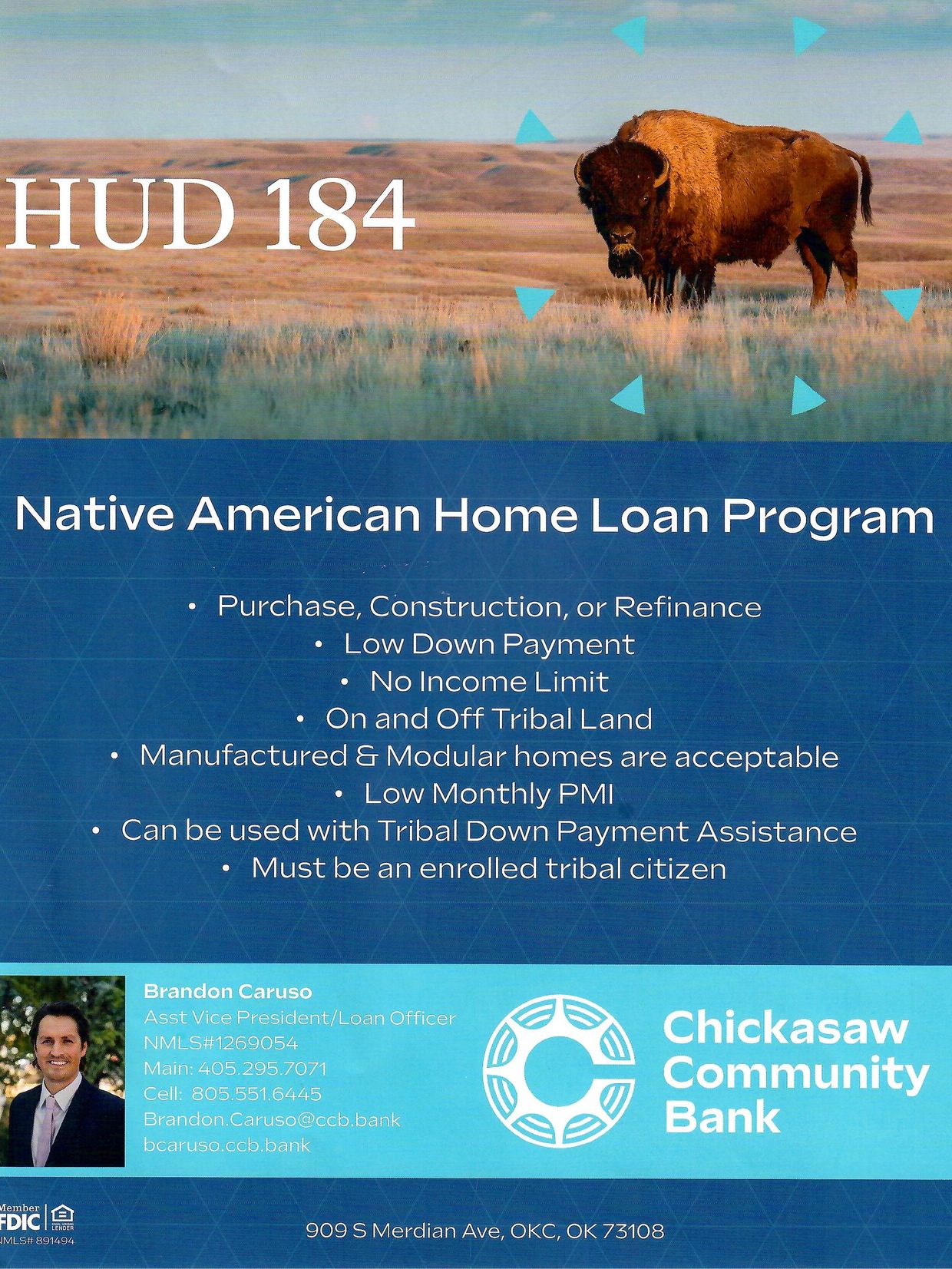
Navigating the HUD 184 Loan: A Comprehensive Guide for Non-Tribal Members Married to Tribal Members
The dream of homeownership is a universal aspiration, and for many families, the U.S. Department of Housing and Urban Development (HUD) Section 184 Indian Home Loan Guarantee Program offers a unique and advantageous pathway. While primarily designed for Native American tribal members, the program extends its benefits to non-tribal individuals who are married to eligible tribal members. This comprehensive guide provides a professional, step-by-step tutorial on how non-tribal spouses can leverage this powerful program to achieve their homeownership goals.
Introduction to the HUD 184 Loan Program
The HUD 184 loan program, established under the Indian Housing Act of 1992, is a mortgage product specifically tailored to provide homeownership opportunities for eligible Native American and Alaska Native individuals, families, and tribal governments. Its core function is to guarantee loans made by private lenders to these borrowers, thereby reducing the risk for lenders and making home financing more accessible.
Key characteristics of the HUD 184 loan include:

- Federal Guarantee: HUD guarantees up to 100% of the principal and interest on the loan, protecting lenders against losses.
- Purpose: Can be used for purchasing an existing home, constructing a new home, rehabilitating a home, or refinancing an existing mortgage.
- Eligible Locations: Homes can be located on or off tribal trust lands, within approved areas.
- Flexible Underwriting: The program often features more flexible credit and debt-to-income requirements compared to conventional loans.
Understanding Eligibility for Non-Tribal Spouses
This is the crucial point for non-tribal members. While you, as a non-tribal individual, cannot independently apply for a HUD 184 loan, you can absolutely benefit from it by applying jointly with your eligible tribal member spouse.
Here’s how it works:

- Tribal Member Must Be on the Loan: The primary applicant and the one who establishes eligibility for the HUD 184 program must be a member of a federally recognized tribe. This tribal member must be included on the loan application.
- Joint Application: You and your tribal spouse will apply together as co-borrowers. This means both of your incomes, assets, and credit histories will be considered in the qualification process.
- Shared Household: The intent is for the property to be the primary residence for the tribal member and their family, which includes the non-tribal spouse.
- Benefits Extend to Both: Once approved, both spouses are equally responsible for the mortgage, and both benefit from the homeownership.
It’s important to clarify that the non-tribal spouse does not "become" eligible themselves; rather, they participate in a loan that their tribal spouse is eligible for, leveraging the spouse’s tribal membership status.
Key Benefits of the HUD 184 Loan for Joint Applicants
The HUD 184 program offers several significant advantages that make it an attractive option:
- Low Down Payment: One of the most appealing features is the low down payment requirement. For loans over $50,000, only a 1.25% down payment is required. For loans under $50,000, it’s 2.25%. This significantly lowers the barrier to entry for homeownership.
- No Private Mortgage Insurance (PMI): Unlike conventional loans with low down payments, HUD 184 loans do not require PMI. Instead, borrowers pay an upfront guarantee fee of 1.00% of the loan amount (which can be financed into the loan) and an annual guarantee fee of 0.25% (paid monthly). This is typically much lower than PMI.
- Competitive Interest Rates: HUD 184 interest rates are often competitive with conventional market rates, and in some cases, can be more favorable due to the federal guarantee.
- Flexible Underwriting Standards: The program is designed to be inclusive, often offering more flexibility regarding credit scores, debt-to-income ratios, and alternative credit histories than traditional lenders. This can be particularly helpful for individuals who might not qualify for conventional mortgages.
- Variety of Loan Uses: Beyond purchasing an existing home, the loan can fund new construction, rehabilitation, or even refinance an existing mortgage, offering versatile solutions for housing needs.
- Protection for Lenders: The federal guarantee minimizes risk for lenders, making them more willing to offer these loans, especially in areas where conventional financing might be harder to secure.
Challenges and Considerations
While beneficial, it’s important to be aware of potential challenges:
- Limited Lender Pool: Not all mortgage lenders are approved to offer HUD 184 loans. You’ll need to find a HUD-approved 184 lender.
- Property Eligibility: The property must be located within an approved HUD 184 area. These areas typically encompass tribal lands and surrounding regions.
- Tribal Land Specifics: If the property is on tribal trust land, there will be additional steps involving tribal government approval, such as land leases and tribal housing codes, which can add complexity and time to the process.
- Appraisal Requirements: Appraisals for HUD 184 loans can have specific requirements, especially for properties on tribal lands.
- Documentation: While flexible in some areas, the application still requires thorough documentation of income, assets, and employment.
- Timeframe: The process can sometimes take longer than a conventional loan, particularly if tribal approvals are required.
Step-by-Step Application Process for Non-Tribal Spouses
This section outlines the journey from initial inquiry to closing, tailored for a non-tribal spouse applying jointly with their tribal member partner.
Step 1: Educate Yourselves and Confirm Eligibility
- Understand the Program: Both you and your tribal spouse should thoroughly understand the HUD 184 program’s benefits, requirements, and limitations.
- Confirm Tribal Membership: Ensure your spouse is a member of a federally recognized tribe and can provide the necessary documentation (e.g., tribal ID, Certificate of Degree of Indian Blood – CDIB).
- Discuss Your Financial Goals: Determine your budget, desired home type, and location.
Step 2: Find a HUD 184 Approved Lender
- Crucial First Step: Not all lenders offer HUD 184 loans. You must work with a lender approved by HUD’s Office of Native American Programs (ONAP).
- Research: Use HUD’s official website or contact your local ONAP office for a list of approved lenders. Seek lenders with experience in your specific region and with tribal land transactions if applicable.
- Interview Lenders: Speak to several lenders to compare rates, fees, and their experience with joint applications involving non-tribal spouses.
Step 3: Pre-Qualification or Pre-Approval
- Initial Assessment: This step helps determine how much you can afford. The lender will review your combined income, credit history (both spouses), and assets.
- Documentation: Be prepared to provide:
- Proof of tribal membership for your spouse.
- Social Security numbers for both applicants.
- Proof of income (pay stubs, W-2s, tax returns).
- Bank statements and asset information.
- Credit history information.
- Benefit: A pre-approval letter strengthens your offer when you find a home.
Step 4: Property Search
- Location Matters: Ensure the homes you are considering are within HUD 184 eligible areas. Your lender or real estate agent can help verify this.
- Property Type: Decide if you’re looking for an existing home, new construction, or a home requiring rehabilitation.
- Work with an Experienced Agent: A real estate agent familiar with HUD 184 loans and properties on or near tribal lands can be invaluable.
Step 5: Make an Offer and Sign a Purchase Agreement
- Standard Process: Once you find a suitable home, your real estate agent will help you make an offer.
- Contingencies: Ensure the purchase agreement includes standard contingencies like financing approval and satisfactory inspections.
Step 6: Full Loan Application and Documentation Submission
- Comprehensive Review: You will submit a full application with all required documentation. This is where the lender dives deep into your financial situation.
- Additional Documents May Include:
- Employment verification.
- Gift letters (if down payment assistance is from a gift).
- Lease agreements (if the property is on tribal trust land).
- Any other documents requested by the underwriter.
Step 7: Underwriting Process
- Lender’s Review: The underwriter will meticulously review all submitted documents to ensure you and your spouse meet all HUD 184 and lender-specific guidelines.
- Conditions: Be prepared for requests for additional information or clarification. Respond promptly to keep the process moving.
Step 8: Appraisal and Inspections
- HUD 184 Specific Appraisal: An appraisal will be conducted to determine the home’s market value, adhering to HUD 184 guidelines.
- Home Inspection: While not always mandatory for the loan itself, a professional home inspection is highly recommended to identify any potential issues with the property.
- Environmental Review: Properties on tribal lands may require an environmental review.
Step 9: Tribal Review and Consent (If Applicable)
- For Trust Land Properties: If the property is on tribal trust land, the tribal government will need to review and approve the mortgage and any land lease agreements. This step is critical and can involve tribal housing authorities or tribal councils.
- Patience is Key: This process can add time, so maintaining open communication with your lender and tribal authorities is essential.
Step 10: HUD Endorsement
- Final Approval: Once the lender has completed their underwriting and all conditions (including tribal approvals) are met, they will submit the loan to HUD for final endorsement.
- Federal Guarantee: This is the step where HUD officially guarantees the loan.
Step 11: Closing
- Sign Documents: You and your spouse will sign all necessary loan documents, including the promissory note, mortgage, and other disclosures.
- Funds Disbursement: Funds are disbursed, and the property title is transferred.
- Welcome Home: Congratulations, you are now homeowners!
Post-Approval and Loan Maintenance
- Make Payments On Time: Consistently make your mortgage payments on time to maintain good credit and avoid penalties.
- Property Maintenance: Maintain your home according to the terms of your mortgage and any tribal housing codes.
- Annual Guarantee Fee: Remember the annual guarantee fee (0.25%) is collected monthly as part of your mortgage payment.
- Refinancing: Should interest rates drop significantly, or your financial situation change, explore refinancing options through the HUD 184 program.
Important Tips for Success
- Open Communication: Maintain open and honest communication with your spouse, lender, real estate agent, and tribal housing authorities.
- Organize Documents: Keep all financial documents, tribal membership proof, and communication organized.
- Ask Questions: Don’t hesitate to ask your lender or real estate agent any questions you have, no matter how small.
- Be Patient: The process can sometimes be complex, especially with tribal land transactions. Patience and persistence are crucial.
- Financial Preparedness: Even with flexible underwriting, ensure your finances are in order. Work to improve your credit scores and reduce debt prior to applying.
Conclusion
The HUD 184 Loan program presents a remarkable opportunity for non-tribal members married to tribal members to achieve homeownership. By understanding the eligibility requirements, leveraging the unique benefits, and diligently following the step-by-step application process, you and your spouse can navigate the complexities and successfully secure a home. This program is a testament to the commitment to supporting Native American communities and their families, fostering stability and prosperity through homeownership. Embark on this journey with confidence, armed with knowledge and the right professional support.


