Navigating USDA Native American Loan Closing Costs: A Comprehensive Professional Guide
Securing a home loan is a significant milestone, and for Native American individuals and families, the journey often involves unique considerations, especially concerning closing costs. While USDA Rural Development offers vital programs like the Section 502 Direct and Guaranteed loans, the application of these loans to trust or tribally-owned lands introduces complexities that can significantly impact the final costs at closing.
This professional guide provides a detailed, step-by-step tutorial on understanding, anticipating, and managing USDA Native American Loan Closing Costs, aiming to empower prospective homebuyers, tribal housing authorities, lenders, and housing counselors with the knowledge needed for a smoother, more transparent process.
1. Understanding the USDA Native American Loan Landscape
Before diving into closing costs, it’s crucial to understand the foundational loan programs and the unique context of Native American homeownership.

1.1 USDA Rural Development Home Loan Programs
The U.S. Department of Agriculture (USDA) Rural Development offers two primary home loan programs:
- Section 502 Direct Loan Program: Provides payment assistance to help very low- and low-income individuals and families purchase homes in eligible rural areas. These loans are directly funded and serviced by the USDA.
- Section 502 Guaranteed Loan Program: Helps moderate-income households purchase homes in eligible rural areas. These loans are offered by approved private lenders (banks, credit unions) and are guaranteed by the USDA, reducing the risk for lenders.
1.2 The "Native American" Distinction
While USDA loans are broadly available, the "Native American" aspect primarily refers to the unique legal and land tenure systems prevalent in Indian Country. This includes:
- Trust Lands: Lands held in trust by the U.S. government for the benefit of individual Native Americans or tribes.
- Restricted Fee Lands: Lands owned by Native Americans but subject to restrictions on alienation (transfer) without federal approval.
- Tribally-Owned Lands: Lands owned directly by a federally recognized tribe.
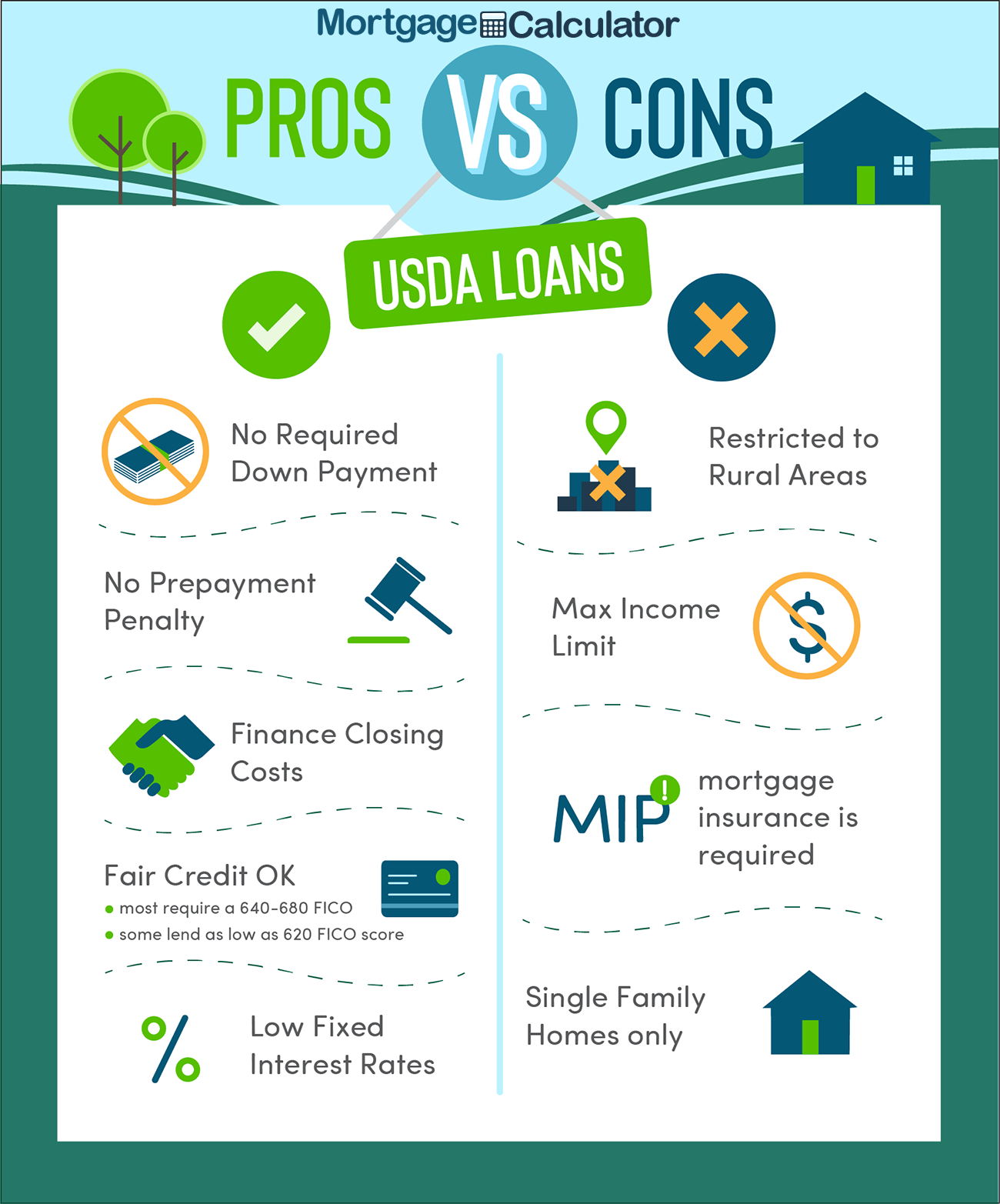
The ability to use USDA loans on these lands often involves leasehold estates, where the homeowner leases the land from the tribe or individual allottee, rather than owning the land in fee simple. This leasehold structure profoundly impacts the closing process and associated costs.
2. What Exactly Are Closing Costs?
Closing costs are a collection of fees and expenses paid by the buyer and/or seller at the closing of a real estate transaction. These are distinct from the down payment and represent the various services required to facilitate the loan and transfer of property. For USDA loans, especially those on Native American lands, understanding these costs is paramount.
Closing costs typically range from 2% to 5% of the loan amount, but this can vary based on location, lender, and the complexity of the transaction.
3. A Detailed Breakdown of Typical Closing Costs
Closing costs can be broadly categorized into three main groups: Lender Fees, Third-Party Service Fees, and Government/Prepaid Items.
3.1 Lender Fees
These are charges by the mortgage lender for processing and originating your loan.
- Loan Origination Fee: A charge for the administrative work of processing your loan. It can be a flat fee or a percentage of the loan amount (e.g., 0.5% – 1.5%).
- Underwriting Fee: Covers the cost of evaluating your loan application and assessing risk.
- Processing Fee: Another administrative fee for handling the loan application.
- Discount Points (Optional): Fees paid to the lender at closing in exchange for a lower interest rate over the life of the loan. One point equals 1% of the loan amount.
- USDA Annual Guarantee Fee: For USDA Guaranteed Loans, there is an upfront guarantee fee (currently 1.00% of the loan amount, which can be financed into the loan) and an annual fee (currently 0.35% of the outstanding principal balance). These are similar to Private Mortgage Insurance (PMI) but are specific to USDA loans.
3.2 Third-Party Service Fees
These are fees paid to various professionals and services essential to the transaction.
- Appraisal Fee: Paid to a licensed appraiser to determine the fair market value of the property. This is crucial for USDA loans to ensure the property meets program standards and the loan amount is justified.
- Title Search & Title Insurance Fees:
- Title Search: Research into public records to ensure there are no liens, encumbrances, or disputes over the property’s ownership history.
- Lender’s Title Insurance: Protects the lender against future claims that the title was not clear when the loan was issued.
- Owner’s Title Insurance (Optional but Recommended): Protects the homeowner against similar claims.
- Survey Fee: Paid to a surveyor to verify property lines and boundaries.
- Attorney/Settlement Agent Fees: Charges for the legal professional or closing agent who oversees the closing process, prepares documents, and disburses funds.
- Credit Report Fee: Covers the cost of pulling your credit report(s).
- Flood Determination Fee: Assesses whether the property is in a flood zone.
- Pest Inspection Fee: May be required by USDA to ensure the home is free of pests and structural damage.
- Environmental Review Fee: For USDA Direct loans, an environmental review is often required to ensure the property meets environmental standards.
3.3 Government Recording Fees and Prepaid Items
These include fees paid to government entities and initial payments for ongoing housing costs.
- Recording Fees: Paid to the local government (county recorder’s office, or in the case of tribal lands, the Bureau of Indian Affairs (BIA) or tribal land registry) to legally record the transfer of ownership (deed) and the mortgage.
- Prepaid Property Taxes: Often, a portion of the upcoming property taxes is collected at closing to be held in an escrow account. Note: Property on trust or tribally-owned land is often exempt from local property taxes, significantly reducing this cost component.
- Prepaid Homeowner’s Insurance (Hazard Insurance): Usually, the first year’s premium is paid at closing.
- Initial Escrow Deposit: Funds collected at closing to establish an escrow account for future property tax and homeowner’s insurance payments. This will be lower or zero if property taxes are exempt.
4. Specific Considerations for Native American Loan Closing Costs
This section highlights the unique challenges and potential variations in closing costs when a USDA loan is used on trust or tribally-owned lands.
4.1 Land Tenure and Leasehold Estates
The most significant factor influencing Native American loan closing costs is the land tenure.
- Leasehold Complexity: Since the land is often leased from a tribe or individual allottee, the legal documentation involves a Ground Lease Agreement, requiring extensive review by BIA, tribal authorities, and the lender’s legal counsel. This can lead to:
- Increased Attorney/Legal Fees: More complex documentation and approvals mean more legal work.
- BIA Processing Fees: The Bureau of Indian Affairs often charges fees for reviewing, approving, and recording leases and assignments.
- Tribal Fees: Tribes may have their own administrative fees for lease approvals, land use permits, or recording within their tribal land registry.
4.2 Title Issues and Specialized Title Services
Establishing clear title on trust or restricted lands is inherently more complex than on fee-simple land.
- Fractionated Ownership: Trust lands can be owned by multiple heirs (fractionated ownership), requiring extensive research to identify all owners and secure necessary approvals.
- BIA Title Status Reports (TSRs): A crucial document provided by the BIA, detailing the ownership history and any encumbrances. Obtaining and reviewing TSRs adds a layer of complexity and potential delay.
- Specialized Title Companies: Many mainstream title companies are unfamiliar with the intricacies of trust land title. Native American borrowers often need to work with specialized title companies that have expertise in BIA and tribal land transactions, which may come with higher fees due to the specialized nature of the work.
- Increased Title Insurance Premiums: Due to the higher perceived risk and complexity, title insurance premiums for leasehold interests on trust lands can sometimes be higher, or require specific endorsements.
4.3 Appraisal Challenges
Appraising homes on trust or tribally-owned lands can be challenging due to:
- Lack of Comparables: Limited sales data for similar properties on tribal lands can make it difficult for appraisers to establish market value, potentially leading to higher appraisal fees or requiring specialized appraisers.
- Unique Market Dynamics: Valuation may need to consider the leasehold interest rather than fee simple, impacting the appraisal methodology and cost.
4.4 Reduced or Exempt Property Taxes
A significant potential cost saving for homeowners on trust or tribally-owned lands is the exemption from local (county/state) property taxes.
- No Property Tax Escrow: If the property is exempt, the homeowner will not need to pay property taxes at closing or contribute to a property tax escrow account, significantly reducing the "prepaid items" portion of closing costs.
- Tribal Service Fees: While exempt from external property taxes, some tribes may levy their own tribal service fees or taxes, which would need to be understood and accounted for.
4.5 Tribal Housing Authority Involvement
In many cases, Tribal Housing Authorities (THAs) play a critical role in facilitating homeownership.
- Administrative Fees: THAs may have their own administrative fees for processing applications, providing housing counseling, or acting as an intermediary in the leasehold process.
- Grant Programs: Conversely, THAs might offer grants or down payment assistance programs that can help offset closing costs.
5. The Step-by-Step Closing Process and Cost Management
Navigating the closing process with an awareness of these unique costs is key to a successful outcome.
Step 1: Initial Application and Loan Estimate (LE)
- Action: Apply for a USDA Section 502 Direct or Guaranteed Loan.
- Key Cost Point: The lender is required to provide a Loan Estimate (LE) within three business days of application. This document details all estimated closing costs, including lender fees, third-party services, and government charges.
- Native American Consideration: Pay close attention to estimated title, appraisal, and attorney fees, as these are most likely to be impacted by the unique land tenure.
Step 2: Appraisal and Underwriting
- Action: The lender orders an appraisal and begins the underwriting process, which includes a thorough review of your financial standing and the property’s eligibility.
- Key Cost Point: The appraisal fee is typically paid upfront by the borrower.
- Native American Consideration: Ensure the appraiser is experienced with leasehold interests and properties on tribal lands. Be prepared for potential delays if a specialized appraiser is needed or if comparable sales are scarce.
Step 3: Title Work and Clearances
- Action: The title company conducts a comprehensive title search, and for Native American loans, this includes requesting a BIA Title Status Report (TSR) and coordinating with tribal land departments.
- Key Cost Point: Title search fees, title insurance premiums, and potentially BIA/tribal administrative fees are determined during this phase.
- Native American Consideration: This is often the most complex and time-consuming part. Expect higher title fees due to the specialized expertise and extensive research required. Ensure all necessary BIA and tribal approvals for the leasehold are secured.
Step 4: Securing Homeowner’s Insurance
- Action: Obtain a homeowner’s insurance policy (hazard insurance) that meets USDA requirements.
- Key Cost Point: The first year’s premium is typically paid at closing.
- Native American Consideration: Ensure the policy is appropriate for a leasehold interest if applicable.
Step 5: Final Loan Approval and Closing Disclosure (CD)
- Action: Once all conditions are met, the loan receives final approval. The lender then issues a Closing Disclosure (CD) at least three business days before closing.
- Key Cost Point: The CD provides the definitive list of all closing costs. Compare it carefully against your initial Loan Estimate. Federal regulations limit how much certain fees can increase from the LE to the CD.
- Native American Consideration: Double-check all fees related to title, attorney, and any BIA/tribal charges. Any significant discrepancies should be questioned immediately.
Step 6: The Closing Meeting
- Action: Sign all final loan and property transfer documents.
- Key Cost Point: Bring certified funds (cashier’s check or wire transfer) for the total amount due at closing.
- Native American Consideration: Be prepared to sign the Ground Lease Agreement (if applicable), along with the mortgage and deed of trust. Ensure all parties, including tribal representatives or BIA officials (if required for specific approvals), are ready to finalize their parts.
Step 7: Post-Closing
- Action: The lender disburses funds, and the deed and mortgage are recorded.
- Key Cost Point: Recording fees are paid at this stage.
- Native American Consideration: For leasehold properties, ensure the Ground Lease, Mortgage, and any assignments are properly recorded with the BIA and/or tribal land registry.
6. Strategies for Managing and Potentially Reducing Closing Costs
While some costs are unavoidable, several strategies can help manage or reduce the financial burden.
- Negotiate with the Seller: In some markets, sellers may agree to pay a portion of the buyer’s closing costs (seller credits). This is common for USDA loans, where buyers may have limited funds.
- Shop for Third-Party Services: For services like title insurance, surveys, and pest inspections, you may have the option to choose your own provider. Comparing quotes can save money.
- Lender Credits: Some lenders offer "lender credits" in exchange for a slightly higher interest rate. This can reduce upfront closing costs but increases your monthly payment over the life of the loan.
- Tribal Housing Authority Programs: Inquire about any tribal-specific grants, down payment assistance, or closing cost assistance programs available through your Tribal Housing Authority or other tribal government entities.
- Understand Property Tax Exemptions: If your home is on trust or tribally-owned land, confirm your exemption from local property taxes. This will significantly reduce your prepaid and escrow costs.
- Review Loan Estimate and Closing Disclosure Diligently: Thoroughly compare these documents. If any fees increase beyond legal limits (tolerances), question them.
- Budget for Unexpected Costs: Due to the complexities of Native American land tenure, it’s wise to have a contingency fund for unforeseen delays or additional fees.
7. Conclusion
Navigating the closing costs for a USDA Native American loan can be a complex process, but it is entirely manageable with the right knowledge and preparation. The unique aspects of land tenure, BIA involvement, and specialized title work on trust and tribally-owned lands necessitate a meticulous approach.
By understanding the various components of closing costs, anticipating the specific challenges and opportunities related to Native American land, and proactively managing the process, prospective homeowners can achieve their dream of homeownership more smoothly and affordably. Always seek guidance from experienced lenders, housing counselors, and tribal housing authorities who are familiar with these specialized transactions.
Disclaimer: This guide provides general information and is not intended as legal, financial, or tax advice. Specific situations may vary, and it is crucial to consult with qualified professionals, including a USDA-approved lender, a housing counselor, a legal expert familiar with Native American land law, and your Tribal Housing Authority, for personalized guidance. Laws and regulations are subject to change.


