
Certainly! Here is a comprehensive 1200-word guide on HUD Section 184 Loan Credit Score Requirements, structured as a professional tutorial.
A Comprehensive Guide to HUD Section 184 Loan Credit Score Requirements
Introduction to the HUD Section 184 Loan Program
The HUD Section 184 Indian Home Loan Guarantee Program is a unique and vital mortgage product specifically designed to assist Native American and Alaska Native families, tribes, and tribal housing entities in purchasing, constructing, or rehabilitating homes on and off Native lands. Guaranteed by the U.S. Department of Housing and Urban Development (HUD), this program offers favorable loan terms, including low down payment requirements, flexible underwriting, and often lower interest rates, making homeownership more accessible for eligible individuals.
While the program is renowned for its flexibility, particularly regarding land tenure on trust lands, understanding the financial requirements, especially those pertaining to credit scores, is crucial for successful loan approval. This guide will meticulously break down the credit score expectations and other critical financial factors lenders consider for HUD Section 184 loans.
The Crucial Role of Your Credit Score in Loan Approval
Your credit score is a three-digit number that summarizes your creditworthiness based on your financial history. It’s a key indicator for lenders, helping them assess the risk associated with lending you money. A higher credit score generally signifies a lower risk, making you a more attractive borrower and potentially leading to better loan terms.
For any mortgage, including the HUD Section 184 loan, your credit score reflects your ability and willingness to manage debt responsibly. While HUD Section 184 is known for its understanding of unique financial circumstances within Native communities, a strong credit profile remains a cornerstone of the application process.
Understanding the HUD 184 Credit Score Landscape
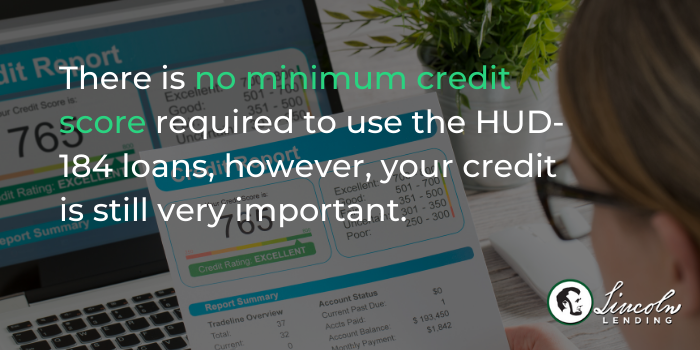
Unlike some other government-backed loans (like FHA, which has a published minimum FICO score for full qualification), HUD Section 184 does not publish a single, universal minimum credit score requirement. This is a critical distinction that often causes confusion.
Instead, the program operates with a degree of flexibility, allowing individual lenders approved to offer HUD 184 loans to set their own "overlay" requirements.
Lender Overlays: The Real Credit Score Gatekeepers
"Lender overlays" are additional requirements that individual mortgage lenders impose on top of the minimum guidelines set by the government (in this case, HUD). These overlays are a common practice in the mortgage industry, reflecting a lender’s specific risk tolerance and business model.

For HUD Section 184 loans, this means that while HUD itself doesn’t state, for example, "a 620 FICO score is required," an approved HUD 184 lender might have an internal policy that dictates:
- A minimum FICO score of 620, 640, or even 660.
- Specific requirements regarding credit history depth.
- More stringent rules for collections, judgments, or bankruptcies.
Therefore, the first and most important step in understanding your credit score requirements is to consult directly with several HUD Section 184 approved lenders. They can provide you with their specific credit score thresholds and underwriting criteria.
Typical Credit Score Ranges for Approval
While there’s no official HUD minimum, based on industry practices and lender overlays, most borrowers will find that a FICO score in the 620 to 640 range is generally considered the minimum for most HUD 184 lenders.
- Scores below 620: While not impossible, scores below this range will face significant scrutiny. Lenders may require substantial compensating factors (e.g., larger down payment, significant cash reserves, very low DTI) or alternative credit history documentation (see below).
- Scores of 620-640: This range is often the entry point for many lenders. Approval may depend heavily on other factors like debt-to-income ratio, stable employment, and a clean payment history.
- Scores above 640: Borrowers with scores in this range and higher will generally have an easier time securing approval, assuming other financial criteria are met. They may also qualify for more favorable terms.
Key Factors Beyond the FICO Score: A Holistic Review
Lenders for HUD Section 184 loans perform a holistic review of your financial situation. While the FICO score is a snapshot, your overall financial picture provides the full story.
1. Payment History: The Most Critical Element
Your payment history accounts for the largest portion of your credit score. Lenders want to see a consistent record of on-time payments for all your debts, including:
- Mortgages/Rent: Demonstrating a history of timely housing payments is paramount.
- Credit Cards: Regular, on-time payments are essential.
- Installment Loans: Car loans, student loans, personal loans.
A history of late payments, especially within the last 12-24 months, will be a red flag, regardless of your overall score.
2. Debt-to-Income (DTI) Ratio
Your DTI ratio compares your total monthly debt payments to your gross monthly income. HUD Section 184 guidelines are generally flexible, but lenders will typically look for:
- Front-end DTI (housing expenses only): Usually around 31%
- Back-end DTI (all debts including housing): Typically around 41%
Some lenders might go higher with strong compensating factors. A lower DTI indicates you have more disposable income to manage your mortgage payments, making you a less risky borrower.
3. Credit History Depth and Type
Lenders prefer to see a seasoned credit history, meaning you’ve had credit accounts open and active for several years. They also look for a healthy mix of credit (e.g., a credit card and an installment loan) to show you can manage different types of debt. For borrowers with limited traditional credit, HUD 184 allows for:
- Non-Traditional Credit: Lenders can consider alternative credit sources like utility bills, rent payment history (verified by a landlord), insurance payments, and even tribal loan payments. This is a significant flexibility of the HUD 184 program for individuals who may not have extensive traditional credit.
4. Collections, Judgments, and Bankruptcies
These derogatory marks can significantly impact your eligibility:
- Collections: While some lenders may require collections to be paid off, HUD 184 guidelines allow for medical collections to be disregarded if the borrower has established good credit in other areas. Other collections might need to be paid or have a payment plan in place.
- Judgments: Generally, judgments must be paid off or satisfied before loan approval.
- Bankruptcies:
- Chapter 7: Typically requires a 2-year waiting period from the discharge date, with re-established good credit.
- Chapter 13: Requires a 1-year waiting period from the date of filing, with a proven track record of on-time payments to the trustee and court permission to incur new debt.
5. Down Payment and Cash Reserves
While HUD 184 has a low down payment requirement (as low as 2.25%), having a larger down payment or significant cash reserves (money left over after closing costs) can strengthen your application, especially if your credit score is on the lower end. It demonstrates financial stability and reduces the lender’s risk.
6. Stable Employment and Income
Lenders look for a consistent employment history (typically two years in the same line of work) and stable income to ensure you have the means to make monthly mortgage payments.
Accessing and Understanding Your Credit
Before even approaching a lender, it’s vital to know where you stand.
1. Obtain Your Free Credit Report
You are entitled to a free copy of your credit report from each of the three major credit bureaus (Equifax, Experian, and TransUnion) once every 12 months. The only official website for this is www.AnnualCreditReport.com.
2. Review Your Credit Report for Accuracy
Carefully examine your reports for:
- Errors: Incorrect accounts, wrong balances, or accounts that don’t belong to you.
- Derogatory Marks: Understand the nature and age of any collections, charge-offs, or bankruptcies.
- Identity Theft: Report any suspicious activity immediately.
3. Dispute Inaccuracies
If you find errors, dispute them with the credit bureaus. This process can take time, so start early.
4. Understand Your Credit Score
Many credit card companies, banks, and financial apps now offer free FICO scores or similar credit scores. Understand which score model your potential lender uses (most use FICO) and what your current score is.
Strategies for Improving Your Credit Score for a HUD 184 Loan
If your credit score is below your target lender’s requirements, or if you simply want to strengthen your application, focus on these strategies:
1. Pay All Bills On Time, Every Time
This is the single most impactful action. Set up reminders, automated payments, or calendar alerts to ensure you never miss a payment.
2. Reduce Existing Debt
Focus on paying down revolving credit (credit cards) first. Keeping your credit utilization ratio (the amount of credit you’re using versus your total available credit) below 30% is ideal; below 10% is even better.
3. Avoid Opening New Credit Accounts
Resist the urge to open new credit cards, take out personal loans, or finance large purchases before and during the loan application process. New credit inquiries can temporarily lower your score, and new debt increases your DTI.
4. Address Derogatory Marks
- Collections: If you have collections, contact the original creditor or collection agency to negotiate a "pay-for-delete" (though not all agencies agree to this) or a payment plan.
- Old Debts: Be cautious about paying very old debts, as this can sometimes reset the "age" of the debt on your report. Consult a credit counselor if unsure.
5. Build Credit History (if limited)
- Secured Credit Card: If you have no credit, a secured credit card (where you put down a deposit as collateral) can help build a positive history.
- Authorized User: Becoming an authorized user on a trusted family member’s credit card (who has excellent payment history) can sometimes help.
- Non-Traditional Credit: Gather documentation for consistent rent, utility, and insurance payments. Be prepared to present these to your lender.
6. Do Not Close Old, Paid-Off Accounts
Keeping old, paid-off accounts open (especially credit cards with no annual fee) contributes positively to the "length of credit history" factor in your score.
Navigating the HUD 184 Loan Application Process with Credit in Mind
1. Pre-Qualification vs. Pre-Approval
- Pre-Qualification: A quick estimate of what you might qualify for, based on basic financial information.
- Pre-Approval: A more thorough review of your finances, including a credit pull, that gives you a conditional commitment from a lender. Aim for pre-approval. It shows sellers you’re a serious buyer and confirms your creditworthiness with the specific HUD 184 lender.
2. Choose an Experienced HUD 184 Lender
Not all lenders offer HUD 184 loans, and not all experienced lenders are equally proficient with the program’s nuances. Seek out lenders who specialize in HUD 184 and have a strong track record. They will be best equipped to guide you through their specific credit requirements and leverage the program’s flexibilities, such as non-traditional credit.
3. Be Transparent and Provide All Documentation
Be upfront with your lender about any credit challenges. Provide all requested financial documentation promptly. The more complete and honest your application, the smoother the process will be.
Common Credit-Related Pitfalls to Avoid
- Ignoring Your Credit Report: Don’t wait until you apply for a loan to check your credit.
- Making Major Purchases: Do not buy a new car, furniture, or open new credit lines between pre-approval and closing. This can significantly alter your DTI and credit score, leading to loan denial.
- Changing Jobs or Income: Significant changes in employment or income during the loan process can trigger re-verification and potentially jeopardize your approval.
- Applying for Too Much New Credit: Each credit inquiry can slightly lower your score. Limit new applications.
- Not Disclosing All Debts: Failing to disclose all your financial obligations can lead to serious issues during underwriting.
Conclusion
Securing a HUD Section 184 loan requires a solid understanding of credit requirements, which are primarily determined by individual lenders rather than a fixed HUD mandate. While there’s no official minimum FICO score, aiming for a score of 620-640 or higher, coupled with a responsible payment history and manageable debt, will significantly improve your chances.
By proactively monitoring your credit, working to improve your score, and partnering with an experienced HUD 184 lender, you can confidently navigate the path to homeownership through this invaluable program. Remember, preparation and transparency are your best allies in achieving your dream of owning a home.


